McDouble Nutrition Facts: Dietitian Analysis
The McDouble has remained a staple menu item at McDonald’s for decades, offering a convenient and affordable protein-rich option for millions of consumers worldwide. However, understanding its complete nutritional profile is essential for making informed dietary choices, especially for those monitoring their caloric intake, macronutrient balance, or specific health conditions. This comprehensive dietitian analysis breaks down every nutritional component of the McDouble, examining how it fits into various dietary patterns and lifestyle goals.
Whether you’re a fitness enthusiast tracking macros, someone managing weight, or simply curious about fast food nutrition, this guide provides evidence-based insights into what you’re actually consuming when you order this iconic burger. We’ll explore not just the headline numbers, but the deeper nutritional implications that often get overlooked in casual dietary decisions.
Complete Nutritional Breakdown
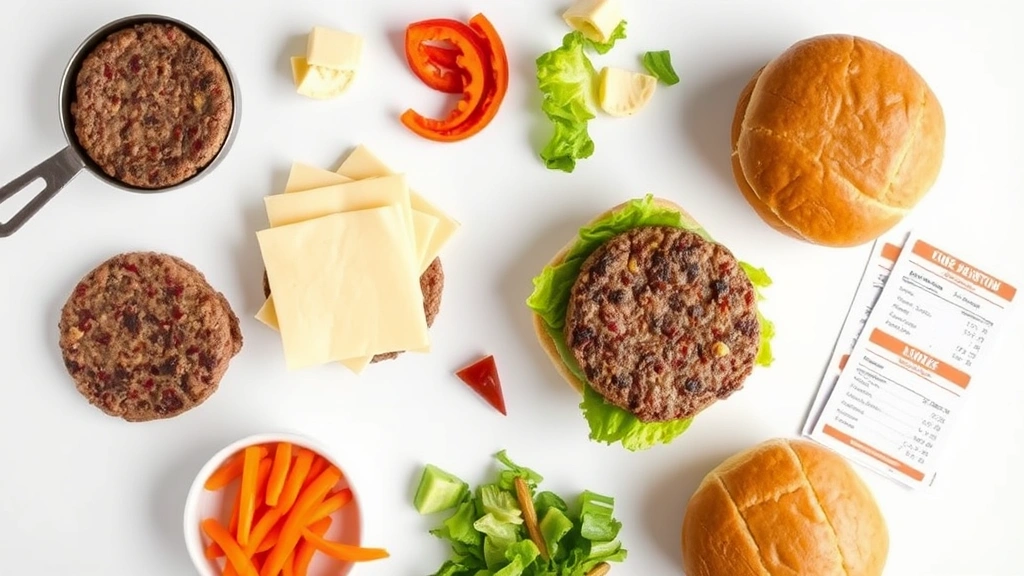
A standard McDouble contains approximately 400-450 calories, depending on regional variations and preparation methods. The burger comprises two beef patties, special sauce, lettuce, cheese, pickles, and onions on a three-part bun. Understanding the complete nutritional profile requires examining each macronutrient and micronutrient component systematically.
The McDouble delivers roughly 22-24 grams of protein per serving, making it a reasonably protein-dense fast food option. This protein content comes primarily from the two quarter-pound beef patties and the cheese slice. The carbohydrate content sits around 34-36 grams, mostly from the bun and condiments. Fat content ranges from 20-22 grams, with saturated fat comprising approximately 10-11 grams of that total.
According to FDA nutrition labeling standards, these values represent significant portions of daily recommended intakes for many individuals. The sodium content deserves particular attention, as it often surprises consumers—a single McDouble contains approximately 1,000-1,150 milligrams of sodium, representing roughly 44-50% of the FDA’s recommended daily limit of 2,300 milligrams.
For those following a healthy nutrition plan, understanding these baseline numbers helps contextualize where the McDouble fits within your daily nutritional targets. Many people underestimate how a single menu item can impact their sodium and saturated fat intake.

Caloric Content Analysis
The 400-450 calorie range positions the McDouble as a moderate-calorie menu item when compared to other fast food burgers. For context, this represents approximately 20% of a typical 2,000-calorie daily diet, though individual caloric needs vary significantly based on age, sex, activity level, and metabolic factors.
What makes the McDouble’s caloric profile interesting from a dietary perspective is its caloric density—the number of calories per gram of food. Because the burger is relatively compact and contains significant fat content, it delivers calories efficiently, meaning you consume substantial energy in a relatively small volume of food. This can be problematic for individuals practicing portion control, as the burger may not provide sufficient satiety relative to its caloric content.
Research from the National Institutes of Health suggests that calorie-dense foods low in fiber and water content tend to promote overconsumption because they don’t trigger satiety signals as effectively as more voluminous foods. The McDouble’s compact nature means you might finish eating before your brain registers fullness, potentially leading to additional consumption.
For weight management, this matters considerably. If you’re consuming a McDouble as part of a calorie-controlled diet, you’ll need to account for its entire caloric load while ensuring you maintain adequate nutrition from other foods throughout the day. Strategic meal planning becomes essential.
Protein and Macronutrient Profile
The protein content of the McDouble—approximately 22-24 grams—represents one of its strongest nutritional attributes. This protein comes from high-quality animal sources (beef and dairy), containing all essential amino acids necessary for muscle synthesis, immune function, and tissue repair.
For individuals interested in nutrition for building muscle mass, the McDouble provides a reasonable protein boost. However, dietitians note that the protein-to-calorie ratio isn’t optimal compared to leaner protein sources like grilled chicken or fish. The 22 grams of protein in 400-450 calories compares less favorably to, say, a grilled chicken breast with 35 grams of protein in roughly 165 calories.
The macronutrient ratio breaks down approximately as follows: roughly 35-40% of calories from fat, 35-40% from carbohydrates, and 20-25% from protein. This distribution leans slightly toward higher fat content than many nutritionists recommend for optimal health outcomes. The carbohydrate-to-protein ratio also differs from ratios that maximize muscle protein synthesis and metabolic efficiency.
For individuals following specific macronutrient targets—whether keto, Mediterranean, or balanced approaches—the McDouble’s fixed macronutrient ratio means it may or may not align with your goals. Someone on a ketogenic diet might find the carbohydrate content problematic, while someone on a higher-carb, lower-fat approach might prefer different proportions.
Sodium and Heart Health
Perhaps the most concerning aspect of McDouble nutrition involves sodium content. At 1,000-1,150 milligrams per burger, a single McDouble represents a substantial sodium load, particularly for individuals with hypertension, heart disease, or those following sodium-restricted diets.
The American Heart Association recommends no more than 2,300 milligrams of sodium daily, with an ideal limit of 1,500 milligrams for optimal heart health. A single McDouble consumes 44-77% of these recommendations in one meal. When paired with typical sides—fries containing another 200-300 milligrams of sodium and a soft drink—a single McDonald’s meal can easily exceed 1,500 milligrams of sodium.
Research from the American Heart Association demonstrates clear links between excessive sodium consumption and elevated blood pressure, increased cardiovascular disease risk, and compromised kidney function over time. For individuals with existing hypertension, consuming a McDouble represents a significant dietary decision that could impact blood pressure readings for hours afterward.
The sodium in the McDouble comes from multiple sources: the beef patties (which contain salt for preservation and flavor), the cheese, the special sauce, and the bun. This distributed sodium makes it difficult to reduce through simple modifications like removing condiments. Someone wanting to reduce sodium would need to make substantial menu substitutions rather than minor adjustments.
Fat Composition Concerns
The McDouble contains approximately 20-22 grams of total fat, with 10-11 grams coming from saturated fat. This saturated fat content represents roughly 50-55% of the recommended daily limit of 20 grams for a 2,000-calorie diet, according to CDC nutrition guidelines.
Saturated fat’s relationship with cardiovascular health remains a nuanced topic in nutritional science. While some recent research suggests the relationship is more complex than previously understood, the consensus among major health organizations remains that excess saturated fat consumption correlates with elevated LDL cholesterol and increased cardiovascular disease risk. A single McDouble shouldn’t derail your health, but regular consumption could meaningfully impact lipid profiles over time.
The fat composition also includes trans fats, though in minimal quantities due to industry reformulations over the past two decades. The majority of fat comes from the beef itself—a mix of saturated and unsaturated fats—plus added fats in the cooking process and special sauce.
What often gets overlooked is that fat, despite its caloric density, plays important roles in nutrient absorption, hormone production, and cellular function. The issue isn’t fat itself but rather the type and quantity relative to overall dietary patterns. Someone consuming a McDouble occasionally as part of a generally healthy diet faces minimal cardiovascular risk, while someone consuming multiple McDoubles weekly alongside other high-fat, high-sodium foods faces cumulative risk.
Micronutrients and Deficiencies
Beyond macronutrients, examining the McDouble’s micronutrient profile reveals significant nutritional gaps. The burger provides meaningful amounts of certain minerals—iron (approximately 3 milligrams, or 17% of daily value), zinc (approximately 5 milligrams, or 45% of daily value), and phosphorus—thanks to the beef and cheese content.
However, the McDouble contains virtually no vitamin C, minimal dietary fiber (less than 1 gram), and only trace amounts of many B vitamins despite the beef content. The refined grain bun contributes minimal micronutrients compared to whole grain alternatives. For calcium, the cheese slice provides modest amounts—roughly 150-200 milligrams, or 15-20% of daily needs.
The fiber deficiency deserves emphasis. With less than 1 gram of fiber per burger, the McDouble contributes minimally to the 25-38 grams of daily fiber recommended by the Academy of Nutrition and Dietetics. This fiber inadequacy affects digestive health, blood sugar regulation, and satiety. For more information on fiber’s critical role, explore our guide on the importance of dietary fiber for your health.
The McDouble also lacks the phytonutrients, antioxidants, and polyphenols found in plant-based foods. While the lettuce, pickles, and onions provide some micronutrients, the quantities are minimal. This nutritional profile suggests the McDouble works best as an occasional addition to a diet rich in whole foods, vegetables, fruits, and whole grains—not as a dietary staple.
Comparison with Healthier Alternatives
To contextualize the McDouble’s nutritional profile, comparing it with alternatives both at McDonald’s and at other establishments proves illuminating. The McDonald’s Hamburger (single patty) contains roughly 250 calories, 12 grams of protein, 9 grams of fat, and 800 milligrams of sodium—substantially lower across most metrics while maintaining reasonable protein content.
For those seeking higher protein with lower calories, the Grilled Chicken Sandwich offers approximately 370 calories, 37 grams of protein, 10 grams of fat, and 1,040 milligrams of sodium. This represents a superior protein-to-calorie ratio, though sodium remains elevated. The trade-off involves less saturated fat and more micronutrients from the chicken preparation.
Outside the McDonald’s ecosystem, comparable fast-casual options often provide better nutritional profiles. A Chipotle chicken bowl with brown rice, black beans, and vegetable toppings delivers comparable calories to the McDouble but with superior fiber content, micronutrient density, and lower saturated fat. However, such options typically cost more and require different accessibility considerations.
For individuals specifically interested in optimizing their dietary choices, understanding tips for meal planning helps contextualize how occasional McDouble consumption fits within broader nutritional strategies. The McDouble needn’t be eliminated entirely—strategic consumption proves more sustainable than complete restriction for many people.
Integration into Balanced Diet
The practical question many face: Can the McDouble fit into a balanced, healthy diet? The answer, according to most registered dietitians, is yes—with important caveats and strategic planning.
Occasional McDouble consumption—perhaps once or twice monthly—poses minimal health risks for individuals without specific health conditions. The burger provides protein, certain minerals, and satisfies cravings for familiar foods, which supports dietary adherence long-term. Complete deprivation often backfires, leading to unsustainable eating patterns.
However, integration requires strategic offsetting. If consuming a McDouble, you might limit sodium intake from other meals that day, increase vegetable consumption to boost micronutrient and fiber intake, and adjust other fat and calorie sources accordingly. This requires awareness and intentionality rather than casual consumption.
For individuals with hypertension, diabetes, or cardiovascular disease, McDouble consumption demands greater caution. The sodium content alone makes it problematic for many hypertensive individuals, while the refined carbohydrates and fat content pose challenges for diabetic blood sugar management. These populations benefit from alternative options or more infrequent consumption.
The broader nutritional principle involves understanding that no single food determines health outcomes—dietary patterns over time do. Someone consuming a McDouble monthly while maintaining generally healthy eating patterns faces minimal risk. Someone consuming McDoubles multiple times weekly alongside other processed foods faces cumulative health risks. Understanding this distinction helps contextualize the McDouble within realistic dietary frameworks.
For those looking to build more comprehensive healthy eating strategies, exploring our Nutrients Pathway Blog provides additional resources and evidence-based nutritional guidance. Additionally, understanding nutrient density helps inform choices—comparing the McDouble with nutrient-dense alternatives like nutrition facts about avocados illustrates how different foods deliver vastly different nutritional value per calorie.
FAQ
How many calories are in a McDouble?
A standard McDouble contains approximately 400-450 calories, depending on regional variations and preparation. This represents roughly 20% of a typical 2,000-calorie daily diet.
Is the McDouble high in protein?
The McDouble provides 22-24 grams of protein per serving, making it reasonably protein-dense for fast food. However, the protein-to-calorie ratio isn’t optimal compared to leaner options like grilled chicken.
How much sodium does a McDouble contain?
A McDouble contains approximately 1,000-1,150 milligrams of sodium, representing 44-50% of the FDA’s recommended daily limit. This makes sodium one of the burger’s most concerning nutritional aspects.
Can people with hypertension eat a McDouble?
Individuals with hypertension should consume McDoubles rarely if at all, due to the extremely high sodium content. Those with high blood pressure typically benefit from sodium-restricted diets, and a single McDouble represents a significant sodium load.
How does the McDouble compare nutritionally to a hamburger?
The single hamburger contains roughly 250 calories, 12 grams protein, and 800 milligrams sodium—substantially lower across most metrics. The McDouble provides more protein but also more calories, fat, and sodium.
What’s the fat content of a McDouble?
The McDouble contains approximately 20-22 grams of total fat, with 10-11 grams from saturated fat. This saturated fat represents 50-55% of the recommended daily limit.
Does a McDouble provide dietary fiber?
No—the McDouble contains less than 1 gram of fiber, contributing minimally to the 25-38 grams of daily fiber recommended by nutrition experts.
How often can someone safely eat a McDouble?
Occasional consumption—perhaps once or twice monthly—poses minimal health risks for most people without specific health conditions. More frequent consumption, particularly combined with other processed foods, increases cumulative health risks.