McDouble’s Nutritional Value: A Comprehensive Dietitian Analysis
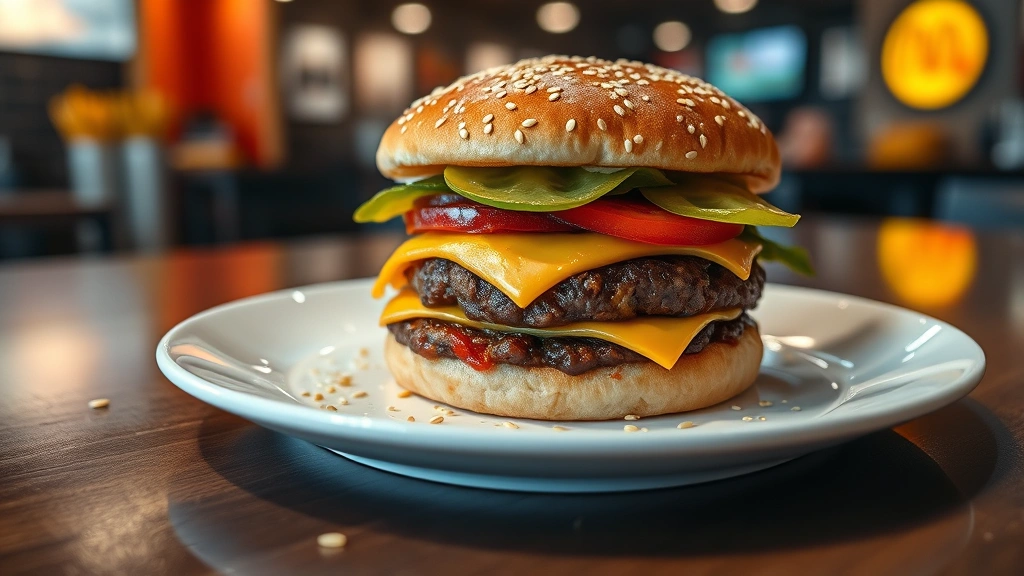
The McDonald’s McDouble has remained a staple of the fast-food landscape for decades, serving as an affordable protein source for millions of consumers worldwide. However, understanding its complete nutritional profile is essential for anyone making informed dietary choices. This analysis examines the macronutrients, micronutrients, and health implications of this popular burger, providing dietitian-backed insights into where it fits within various eating patterns and nutritional goals.
As consumers increasingly scrutinize their food choices, the McDouble presents an interesting case study in fast-food nutrition. While often criticized for its caloric density and sodium content, the sandwich does provide substantial protein and certain micronutrients that shouldn’t be entirely dismissed. This comprehensive review explores both the nutritional benefits and concerns associated with this menu item, helping you make decisions aligned with your personal health objectives.
Macronutrient Breakdown
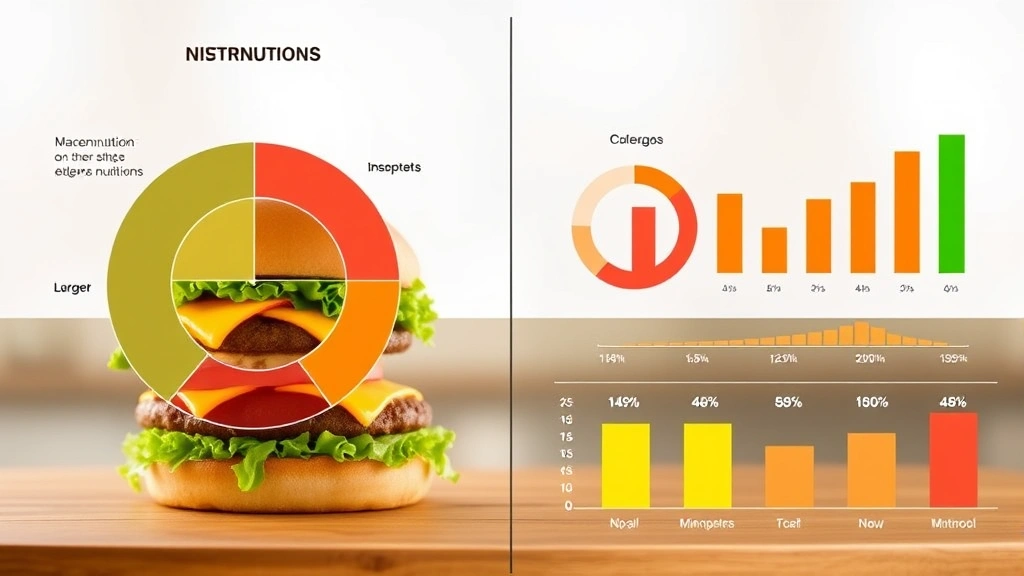
The McDouble contains approximately 400-450 calories per serving, with macronutrient distribution that reflects its composition as a processed meat and refined carbohydrate product. The sandwich provides roughly 22-25 grams of protein, 20-23 grams of fat, and 33-36 grams of carbohydrates, making it relatively balanced in terms of macronutrient ratios, though the quality of these nutrients varies significantly.
When examining the macronutrient profile through a dietitian’s lens, it’s important to consider not just the quantities but the sources. The protein comes primarily from beef patties, while carbohydrates derive mainly from refined white bread buns. This composition means the McDouble provides quick energy but lacks sustained satiety compared to whole grain or fiber-rich alternatives. The fat content includes both saturated and unsaturated fats, with saturated fat comprising approximately 9-10 grams of the total.
Understanding these macronutrient proportions becomes crucial when integrating the McDouble into a healthy nutrition plan. For individuals following specific macronutrient targets—whether ketogenic, high-protein, or balanced approaches—this burger offers a convenient calculation point but requires careful contextual placement within daily totals.

Caloric Content and Energy Density
At approximately 400-450 calories, the McDouble represents a significant energy contribution to daily intake, particularly concerning given its small physical size. This high energy density means you consume substantial calories relative to volume, which can complicate satiety and portion control for many consumers. A single McDouble comprises roughly 20-23% of a standard 2,000-calorie daily diet, yet occupies minimal stomach space, potentially contributing to overconsumption patterns.
Energy density becomes particularly relevant when considering weight management goals. Research from Pew Research Center indicates that Americans increasingly struggle with portion awareness in fast-food contexts. The McDouble’s caloric punch relative to its physical size means consumers may not perceive appropriate satiety signals, leading to additional consumption of side items or beverages that compound the total caloric load.
For individuals implementing tips for meal planning, accounting for the McDouble’s energy density requires strategic pairing with lower-calorie, higher-volume foods like vegetables or legumes to create satisfying meals without excessive total intake. Dietitians often recommend this bundling approach to help clients enjoy preferred foods while maintaining caloric goals.
Protein Quality and Amino Acids
The McDouble delivers approximately 22-25 grams of protein per serving, positioning it as a legitimate protein source compared to many other fast-food options. However, protein quality extends beyond quantity to include amino acid profile and digestibility. Beef protein is considered a complete protein, containing all nine essential amino acids in proportions that support human protein synthesis effectively.
From a muscle maintenance and recovery perspective, the McDouble’s protein content becomes more valuable, particularly for individuals engaging in resistance training or seeking convenient post-workout nutrition. The beef provides bioavailable amino acids that your body can readily utilize for muscle protein synthesis. However, the presence of processed ingredients and sodium may offset some nutritional benefits for certain populations.
Dietitians evaluating protein sources consider not just amino acid composition but also accompanying nutrients and processing methods. While the McDouble’s beef provides quality protein, the refined bread component and minimal vegetable content mean you’re not receiving the complementary nutrients that would come from whole grain or vegetable-based protein sources. This limitation becomes particularly relevant when considering nutrition and mental health connections, as processing methods may influence micronutrient bioavailability.
Fat Profile and Cardiovascular Concerns
The McDouble contains approximately 20-23 grams of total fat, with roughly 9-10 grams classified as saturated fat. This saturated fat content represents approximately 45-50% of the recommended daily limit for a 2,000-calorie diet, making a single sandwich a substantial contributor to daily saturated fat intake. The remaining fat comprises primarily monounsaturated and polyunsaturated fats, which have more favorable cardiovascular implications.
Saturated fat intake remains a contentious topic in nutritional science, though current evidence from the American Heart Association suggests limiting saturated fat to 5-6% of total daily calories for cardiovascular health. The McDouble’s contribution becomes concerning when considering typical fast-food consumption patterns, where individuals may consume multiple high-saturated-fat items throughout the day.
The beef fat in the McDouble does contain some beneficial compounds, including conjugated linoleic acid (CLA) and fat-soluble vitamins, but these benefits don’t substantially offset the saturated fat concerns for most populations. Individuals with existing cardiovascular disease, elevated cholesterol, or metabolic syndrome should exercise particular caution with frequent McDouble consumption, though occasional intake within a balanced diet remains acceptable for many.
Sodium and Blood Pressure Implications
Perhaps the most significant nutritional concern with the McDouble involves sodium content, which typically ranges from 900-1,000 milligrams per sandwich. This single item represents approximately 40-43% of the recommended daily sodium intake for most adults (2,300 mg), raising immediate blood pressure management concerns. For individuals following sodium-restricted diets due to hypertension, heart disease, or kidney conditions, a single McDouble substantially compromises daily targets.
Chronic excessive sodium intake contributes to hypertension development and progression, increasing cardiovascular disease risk substantially. The McDouble’s sodium derives primarily from the beef seasoning, cheese, and bread components, making it difficult to significantly reduce without compromising the product’s characteristic flavor profile. This sodium load becomes particularly problematic when considering that many individuals consuming McDoubles also consume other sodium-rich items throughout their day.
For populations requiring sodium restriction, dietitians recommend reserving McDouble consumption for occasional indulgences rather than regular meal components. When consumed, pairing with high-potassium foods like fruits or vegetables can help moderate sodium’s blood pressure effects, though this doesn’t eliminate the nutritional concern entirely.
Micronutrients Present
Beyond macronutrients, the McDouble provides several important micronutrients, including iron, zinc, selenium, and B vitamins. The beef content contributes substantial heme iron, which exhibits superior bioavailability compared to non-heme iron from plant sources. A single McDouble provides approximately 2-3 mg of iron, representing roughly 11-17% of the recommended daily intake for adult women and men respectively.
Zinc content in the McDouble ranges from 4-5 mg per serving, supporting immune function, wound healing, and protein synthesis. This zinc contribution becomes particularly valuable for populations at risk of deficiency, including vegans, vegetarians, and individuals with certain gastrointestinal conditions. The B vitamins, particularly B12 and niacin from beef, support energy metabolism and neurological function.
However, these micronutrient benefits must be contextualized within the overall nutritional profile. The refined bread provides minimal fiber and fewer phytonutrients compared to whole grain alternatives. The minimal vegetable content means you’re missing micronutrients like vitamin C, folate, and various phytochemicals that support disease prevention and optimal health. Dietitians often recommend supplementing McDouble meals with nutrient-dense sides to create more balanced nutritional profiles.
Comparison with Alternatives
When evaluating the McDouble’s nutritional merit, comparison with alternatives provides important context. A McDonald’s hamburger contains roughly 250 calories with 12 grams of protein, representing a lower-calorie option for individuals prioritizing caloric restriction. Conversely, a Quarter Pounder with Cheese provides approximately 520 calories with 28 grams of protein, offering more protein for modest additional calories.
Among fast-food burger options, the McDouble occupies a middle ground regarding nutritional profile. Compared to premium burger chains offering grass-fed beef, whole grain buns, and vegetable toppings, the McDouble contains more sodium and refined carbohydrates while offering less micronutrient diversity. However, compared to many ultra-processed fast-food items like fried chicken sandwiches or specialty burgers laden with sauces, the McDouble represents a relatively straightforward nutritional choice.
Plant-based fast-food alternatives have emerged in recent years, offering reduced saturated fat and cholesterol content, though often increasing sodium and ultra-processed ingredient concerns. The nutritional comparison ultimately depends on individual dietary priorities, whether emphasizing protein intake, caloric restriction, sodium reduction, or micronutrient diversity. Consulting our nutrition solutions can help identify optimal choices aligned with personal health objectives.
Integration into Balanced Diet
For most populations, occasional McDouble consumption within a balanced diet poses minimal health risk and may even provide convenient protein and calorie intake during busy periods. The key involves strategic integration considering total daily nutritional intake rather than viewing the McDouble in isolation. Individuals following our blog recommendations understand that dietary flexibility and sustainability matter significantly for long-term adherence.
Dietitians recommend several strategies for incorporating McDoubles into healthy eating patterns. First, pair with high-fiber, nutrient-dense sides like apple slices, salads, or vegetable-based items to increase overall meal satiety and micronutrient content. Second, limit frequency to occasional consumption (perhaps weekly or less) rather than regular meal staples, particularly for individuals managing sodium-sensitive conditions. Third, balance surrounding meals with lower-sodium, higher-micronutrient foods to compensate for the McDouble’s nutritional gaps.
For individuals with specific dietary requirements—whether managing diabetes, hypertension, or cardiovascular disease—the McDouble requires more careful consideration. Diabetics should account for the 33-36 grams of carbohydrates in blood sugar management calculations, while those managing hypertension should recognize that a single sandwich represents nearly half their daily sodium allowance. Individuals with elevated cholesterol may benefit from limiting saturated fat contributions from fast-food sources.
The psychological dimension of food enjoyment shouldn’t be overlooked when discussing nutrition. For many individuals, periodic McDouble consumption provides satisfaction and social connection that supports long-term dietary adherence. Completely eliminating preferred foods often backfires through unsustainable restriction and subsequent overconsumption. Dietitian-guided moderation typically yields superior health outcomes compared to rigid elimination approaches.
FAQ
How many calories does a McDouble contain?
A McDouble contains approximately 400-450 calories, representing roughly 20-23% of a standard 2,000-calorie daily diet. This caloric density relative to portion size makes it a high-energy-density food requiring strategic meal planning.
Is the McDouble a good protein source?
Yes, with 22-25 grams of complete protein containing all essential amino acids, the McDouble provides legitimate protein value. However, the refined bread component and minimal vegetable content limit overall nutritional completeness compared to whole-food protein sources.
How much sodium does a McDouble contain?
McDoubles contain approximately 900-1,000 milligrams of sodium, representing 40-43% of recommended daily intake. This substantial sodium content requires consideration for individuals managing hypertension or following sodium-restricted diets.
Can I eat McDoubles regularly while maintaining a healthy diet?
Occasional McDouble consumption (weekly or less) can fit within balanced diets for most individuals. However, regular consumption, particularly multiple times weekly, may contribute to excessive sodium, saturated fat, and refined carbohydrate intake. Individual circumstances vary based on overall dietary patterns and health status.
What are healthier McDonald’s alternatives to the McDouble?
Healthier options include the hamburger (250 calories, 12g protein) for calorie-conscious individuals or the Quarter Pounder (520 calories, 28g protein) for those prioritizing protein. Pairing any burger with side salads, apple slices, or water rather than sugary beverages improves overall nutritional profile.
Does the McDouble contain any beneficial nutrients?
Yes, the McDouble provides iron, zinc, selenium, and B vitamins from beef content. Heme iron bioavailability is particularly high, supporting oxygen transport and energy metabolism. However, these benefits must be weighed against sodium and saturated fat concerns.
How does the McDouble compare nutritionally to homemade burgers?
Homemade burgers offer superior nutritional control through ingredient selection, portion sizing, and cooking methods. Whole grain buns, lean beef, and vegetable toppings create more balanced nutritional profiles. However, the McDouble’s convenience and affordability provide practical advantages for many consumers.