
Twisted Tea Nutrition: Health Expert Insights on Ingredients, Calories, and Wellness Impact
Twisted Tea has become a cultural staple in the beverage market, blending traditional iced tea with alcoholic content to create a refreshing drink that appeals to millions of consumers. However, as health consciousness continues to rise among beverage consumers, understanding the nutritional profile of Twisted Tea has become increasingly important. This comprehensive guide explores the twisted tea nutrition facts from a health expert perspective, examining ingredients, caloric content, sugar levels, and the broader implications for your dietary choices.
The beverage industry has witnessed a significant shift toward transparency and health-conscious formulations. Twisted Tea, owned by Boston Beer Company, has responded to consumer demand by offering various product lines with different nutritional compositions. Whether you’re a casual consumer or someone closely monitoring dietary intake, knowing what’s actually in your glass matters for informed decision-making.
Understanding Twisted Tea’s Basic Nutritional Profile
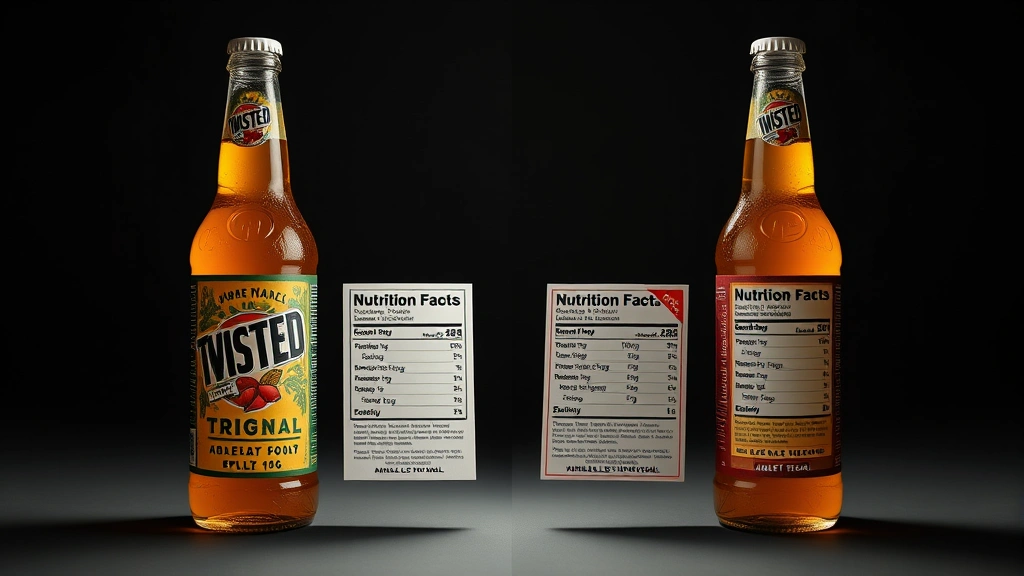
A standard 12-ounce serving of Twisted Tea Original contains approximately 194 calories, making it a moderate-calorie beverage option within the alcoholic beverage category. The drink combines brewed tea with alcohol and sweetening agents to create its distinctive flavor profile. According to the Nutrients Pathway Blog, understanding baseline nutritional metrics is essential for contextualizing how beverages fit within daily dietary requirements.
The nutritional composition includes carbohydrates, primarily from added sugars and natural tea components. Most variations of Twisted Tea contain minimal protein and fat, as the formulation focuses on delivering flavor through liquid mediums. The beverage contains no significant fiber content, which distinguishes it from whole food sources and places it in the category of simple nutrient-delivery systems.
Twisted Tea offers several product variations, each with distinct nutritional profiles. The Original formula differs from Light versions, which have been reformulated to appeal to calorie-conscious consumers. Understanding these variations helps consumers make targeted choices aligned with their specific health objectives and dietary constraints.
Caloric Content and Energy Considerations
Caloric intake represents one of the most straightforward nutritional metrics consumers track. A 12-ounce can of Twisted Tea Original delivers 194 calories, while the Light version contains approximately 110 calories—a 43% reduction. For context, this places Twisted Tea within the mid-range of alcoholic beverage caloric density, neither the lowest nor highest on the market spectrum.
The caloric contribution comes from three primary sources: residual carbohydrates from the tea base, added sugars for flavor enhancement, and the alcohol itself, which provides 7 calories per gram. Health experts emphasize that while calories represent energy units, the source and nutritional context matter significantly. A beverage delivering 194 empty calories differs fundamentally from 194 calories from nutrient-dense whole foods rich in vitamins, minerals, and phytonutrients.
For individuals following specific caloric targets, incorporating Twisted Tea requires mathematical precision. A single 12-ounce serving represents approximately 8-10% of a standard 2,000-calorie daily diet. Consuming multiple servings substantially impacts daily totals, potentially crowding out more nutritionally valuable options. This reality underscores why nutrition solutions emphasize moderation and intentional beverage selection.
The caloric density becomes particularly relevant during social occasions when consumption patterns often exceed single-serving quantities. Health professionals recommend tracking cumulative intake across entire events rather than assessing individual servings in isolation.
Sugar Content Analysis and Health Implications
Sugar content represents perhaps the most concerning nutritional aspect of Twisted Tea for health-conscious consumers. A standard 12-ounce serving of Twisted Tea Original contains approximately 21 grams of sugar—equivalent to roughly 5 teaspoons. This amount approaches the upper limits of daily added sugar recommendations established by major health organizations.
The American Heart Association recommends limiting added sugars to no more than 6 teaspoons (25 grams) daily for women and 9 teaspoons (36 grams) for men. A single Twisted Tea serving consumes 84% of the female daily recommendation, leaving minimal room for other sugar sources throughout the day. This reality has profound implications for individuals managing blood sugar levels, particularly those with diabetes or prediabetic conditions.
Twisted Tea Light versions reduce sugar content to approximately 5 grams per 12-ounce serving—a dramatic 76% reduction. This formulation relies on artificial sweeteners or sugar alcohols to maintain palatability while reducing caloric and glycemic impact. The trade-off between sugar reduction and artificial sweetener inclusion represents an ongoing nutritional debate, with health experts presenting varying perspectives on long-term safety profiles and metabolic effects.
Excessive sugar consumption correlates with increased risk for obesity, type 2 diabetes, cardiovascular disease, and dental problems. Regular consumption of high-sugar beverages like standard Twisted Tea contributes meaningfully to these disease risks, particularly when combined with other dietary sugar sources. This connection explains why healthy nutrition plans emphasize reducing added sugar intake as a cornerstone strategy.
Alcohol Content and Metabolic Effects
Twisted Tea Original contains 5% alcohol by volume (ABV), positioning it as a standard-strength alcoholic beverage. This alcohol content drives several metabolic considerations beyond simple caloric contribution. Alcohol metabolism occurs primarily in the liver, bypassing normal digestive processes and requiring specific enzymatic pathways.
When alcohol enters the bloodstream, the liver prioritizes its metabolism, effectively pausing fat oxidation processes. This metabolic prioritization means that any calories consumed alongside alcohol are more likely to be stored as fat rather than immediately utilized for energy. This phenomenon has significant implications for individuals attempting weight loss or maintenance, as beverage alcohol can indirectly increase fat storage despite its caloric contribution.
Moderate alcohol consumption—defined by health authorities as up to one drink daily for women and two for men—may carry certain cardiovascular benefits. However, these benefits apply specifically to moderate intake patterns and don’t extend to regular or excessive consumption. Twisted Tea’s palatability and refreshing profile can facilitate overconsumption, particularly in social settings where multiple servings become normalized.
Alcohol also impacts nutrient absorption and utilization. Regular alcohol consumption can interfere with B-vitamin metabolism, increase inflammation markers, and affect glucose regulation. These effects become particularly concerning when combined with the high sugar content of standard Twisted Tea formulations, creating a metabolic double-stress scenario.
Key Ingredients Breakdown
Understanding Twisted Tea’s ingredient list provides crucial context for its nutritional profile. The primary components include carbonated water, high fructose corn syrup or sugar (depending on specific formulation), alcohol derived from grain, natural and artificial flavors, citric acid, sodium benzoate (preservative), and caramel coloring.
High fructose corn syrup (HFCS) deserves particular attention, as it comprises the sweetening base in many Twisted Tea varieties. Research published in the Journal of the American Society of Nephrology and other peer-reviewed sources suggests HFCS may contribute to metabolic dysfunction more significantly than table sugar, though this remains an area of ongoing scientific investigation. The fructose component in particular has been associated with increased uric acid production and potential metabolic complications.
Natural and artificial flavoring compounds create Twisted Tea’s characteristic taste profile but contribute minimal nutritional value. These flavor compounds undergo strict safety testing but represent chemical additions rather than whole-food components. For consumers preferring ingredient simplicity, the flavor complexity of Twisted Tea may not align with minimalist dietary philosophies.
The inclusion of sodium benzoate as a preservative ensures shelf stability and food safety but adds another chemical compound to the beverage matrix. While approved for food use by regulatory agencies, individuals sensitive to benzoates or preferring preservative-free options may experience concerns.
Comparison with Competing Beverages
Contextualizing Twisted Tea’s nutritional profile requires comparison with competing products in the flavored malt beverage category. Smirnoff Ice contains similar caloric content (around 190 calories per 12 ounces) but with comparable sugar levels. Truly Hard Seltzer offers significantly lower caloric and sugar profiles (typically 100 calories, 1-2 grams sugar), appealing to health-conscious consumers willing to sacrifice flavor complexity for nutritional optimization.
Traditional beer generally contains fewer carbohydrates and sugars than Twisted Tea, though caloric content remains comparable. Light beers reduce calories further (typically 90-110 calories per 12 ounces). Wine consumption patterns vary dramatically based on type, with dry wines containing minimal residual sugars compared to dessert or fortified varieties.
Non-alcoholic alternatives like flavored sparkling water or traditional iced tea offer substantially lower caloric and sugar profiles, though they lack the social and psychoactive dimensions that alcohol consumers seek. The comparison ultimately depends on individual priority hierarchies—whether consumers prioritize taste satisfaction, alcohol content, caloric minimization, or sugar reduction.
Twisted Tea and Weight Management
For individuals actively managing body weight, Twisted Tea presents specific challenges and opportunities. The standard formulation’s 194-calorie content combined with 21 grams of sugar creates a nutritionally inefficient option—delivering significant calories and sugar without satiety-promoting macronutrients like protein or fiber.
Weight loss fundamentally depends on caloric deficit creation, making beverage selection strategically important. Consuming Twisted Tea regularly without compensatory caloric reduction elsewhere in the diet contributes meaningfully to weight gain over time. Research demonstrates that liquid calories fail to trigger equivalent satiety responses as solid foods, meaning consumers don’t naturally compensate by reducing intake elsewhere.
The Light version presents a more weight-management-compatible option, reducing caloric impact by 43% and sugar by 76%. However, the artificial sweetener substitution introduces separate considerations regarding long-term metabolic effects, taste satisfaction, and individual sweetener tolerance.
Health experts increasingly recommend viewing beverage choices as fundamental weight management components rather than peripheral dietary elements. Replacing regular Twisted Tea consumption with water, unsweetened tea, or other zero-calorie beverages represents one of the most impactful dietary modifications individuals can implement. This strategy directly aligns with tips for meal planning that optimize nutritional density and support sustainable weight outcomes.

Health Expert Recommendations
Registered dietitians and nutrition scientists provide consistent guidance regarding Twisted Tea consumption patterns. The consensus emphasizes moderation, intentionality, and awareness of cumulative sugar and caloric intake. Occasional consumption—perhaps one to two servings monthly in social contexts—presents minimal health concern for most individuals without specific metabolic conditions.
For individuals with diabetes, prediabetes, or cardiovascular disease, standard Twisted Tea formulations warrant avoidance or extreme limitation due to sugar content and potential metabolic effects. These populations benefit from lower-sugar alternatives or complete beverage substitution with water, unsweetened tea, or other zero-calorie options.
Health professionals emphasize that viewing Twisted Tea as an occasional indulgence rather than regular consumption item supports overall wellness. The beverage’s appeal lies in taste enjoyment and social integration rather than nutritional contribution, making it appropriately positioned as a discretionary choice rather than dietary staple.
Additionally, understanding nutrition and mental health connections reveals how dietary patterns affect cognitive function and mood—factors that extend beyond simple caloric and nutritional metrics to encompass holistic wellness.
For individuals seeking to optimize nutrition within social drinking contexts, health experts recommend alternating alcoholic beverages with water consumption, choosing lower-sugar options when available, and maintaining awareness of cumulative intake across entire social events rather than focusing on individual servings.
The importance of improving nutrient absorption through strategic dietary choices extends to beverage selection, as optimizing overall nutrition supports the body’s capacity to process and utilize consumed nutrients effectively.
FAQ
How many calories are in Twisted Tea?
A 12-ounce serving of Twisted Tea Original contains 194 calories, while the Light version contains approximately 110 calories. Caloric content varies slightly across different Twisted Tea product lines and formulations.
Is Twisted Tea high in sugar?
Yes, standard Twisted Tea Original contains 21 grams of sugar per 12-ounce serving, representing approximately 84% of the American Heart Association’s recommended daily added sugar limit for women. Twisted Tea Light reduces sugar to approximately 5 grams per serving.
What is the alcohol content of Twisted Tea?
Twisted Tea Original contains 5% alcohol by volume (ABV), positioning it as a standard-strength alcoholic beverage. Some Twisted Tea variations may differ slightly in alcohol content.
Does Twisted Tea contain artificial sweeteners?
Standard Twisted Tea Original uses sugar and high fructose corn syrup as sweetening agents. Twisted Tea Light utilizes artificial sweeteners or sugar alcohols to reduce sugar content while maintaining flavor.
Can people with diabetes drink Twisted Tea?
Individuals with diabetes should consult healthcare providers before consuming standard Twisted Tea due to its high sugar content. The Light version presents a more diabetes-compatible option, though careful monitoring remains essential.
How does Twisted Tea compare nutritionally to beer?
Twisted Tea typically contains more sugar and carbohydrates than traditional beer but similar caloric content. Light beers often contain fewer calories than Twisted Tea. Hard seltzers generally offer lower caloric and sugar profiles than either option.
Is Twisted Tea suitable for weight loss diets?
Standard Twisted Tea’s caloric and sugar content makes it suboptimal for weight loss contexts. The Light version presents a more compatible option, though water and other zero-calorie beverages remain superior choices for supporting caloric deficit creation.
What are the main ingredients in Twisted Tea?
Primary ingredients include carbonated water, high fructose corn syrup or sugar, grain alcohol, natural and artificial flavors, citric acid, sodium benzoate (preservative), and caramel coloring.
How often can someone safely consume Twisted Tea?
Health experts recommend viewing Twisted Tea as an occasional indulgence rather than regular consumption item. Occasional consumption (one to two servings monthly) presents minimal concern for most individuals, while regular consumption contributes meaningfully to sugar and caloric excess.
Are there healthier Twisted Tea alternatives?
Twisted Tea Light offers reduced calories and sugar compared to the original. Hard seltzers provide even lower caloric and sugar profiles. However, water, unsweetened tea, and other zero-calorie beverages represent nutritionally optimal choices for regular consumption.


