Ground Beef Nutrition Facts: Dietitian Insights
Ground beef remains one of the most versatile and nutrient-dense protein sources available to consumers, yet many people struggle to understand its complete nutritional profile. Whether you’re an athlete optimizing performance, someone focused on nutrition for building muscle mass, or simply seeking to make informed dietary choices, ground beef offers significant benefits when selected and prepared thoughtfully. This comprehensive guide breaks down the science behind ground beef nutrition, helping you understand fat ratios, micronutrient content, and how this protein powerhouse fits into various dietary approaches.
The nutritional value of ground beef varies considerably based on fat content, cooking method, and portion size—factors that dietitians consistently emphasize when counseling clients. A single serving can range from a lean, protein-focused choice to a more calorie-dense option depending on the cut. Understanding these variations empowers you to make choices aligned with your specific health goals, whether that involves muscle development, weight management, or overall wellness optimization.
Macronutrient Breakdown of Ground Beef
A 3.5-ounce (100-gram) serving of 80/20 ground beef (80% lean, 20% fat) contains approximately 217 calories, with 23 grams of protein, 13 grams of total fat, and zero carbohydrates. This macronutrient profile demonstrates why ground beef has earned its reputation as an exceptional protein source. The protein content alone makes ground beef particularly valuable for those pursuing protein intake for muscle building, as each serving delivers substantial amino acids essential for tissue repair and synthesis.
When examining the protein quality, ground beef contains all nine essential amino acids in optimal ratios, classifying it as a complete protein. This distinction matters significantly because complete proteins support muscle protein synthesis more effectively than incomplete protein sources. The leucine content in ground beef—one of the branched-chain amino acids—particularly stimulates muscle building pathways, making it especially relevant for resistance training populations.
The fat content in ground beef deserves careful consideration rather than dismissal. While higher-fat ground beef contains more calories, it also provides fat-soluble vitamins and compounds that enhance nutrient absorption. Research published in the American Journal of Clinical Nutrition indicates that moderate fat consumption from whole food sources like ground beef supports hormone production and cellular function. The key involves selecting fat percentages aligned with your caloric needs and health objectives.
Leaner options like 93/7 or 96/4 ground beef reduce fat and calorie content while maintaining impressive protein density. A 100-gram serving of 93/7 ground beef provides approximately 180 calories with 24 grams of protein and just 9 grams of fat. This makes leaner varieties particularly attractive for individuals in caloric deficits or those managing specific health conditions. However, the slightly lower fat content means reduced fat-soluble nutrient density, presenting a trade-off worth understanding.
Understanding Fat Content and Lean Percentages
Ground beef labeling presents fat content as a ratio—80/20 means 80% lean muscle and 20% fat by weight. This standardized system helps consumers make consistent choices, though it requires understanding what these percentages actually represent nutritionally. The fat in ground beef comprises various fatty acids, including saturated, monounsaturated, and polyunsaturated fats, each playing distinct physiological roles.
Saturated fat content concerns many health-conscious consumers, yet recent research challenges oversimplified narratives about saturated fat’s role in cardiovascular disease. A comprehensive analysis by Harvard School of Public Health found that the relationship between saturated fat and heart disease depends significantly on what foods replace it in your diet. Ground beef’s saturated fat, when part of a balanced diet emphasizing vegetables, whole grains, and diverse protein sources, presents minimal cardiovascular concern for most populations.
The conjugated linoleic acid (CLA) in ground beef, a naturally occurring fatty acid, has attracted scientific attention for potential metabolic benefits. Studies suggest CLA may support lean muscle retention and potentially assist body composition management, though research remains ongoing. This compound appears in higher concentrations in grass-fed beef compared to grain-fed varieties, presenting another consideration when selecting ground beef products.
Fat percentage also dramatically affects cooking properties and flavor development. Higher-fat ground beef (75/25 or 80/20) retains moisture better during cooking and develops superior flavor through the Maillard reaction—the chemical process creating browned, flavorful crust on meat. Lower-fat varieties cook more quickly and produce less rendered fat, but may dry out if overcooked. Understanding these practical differences helps optimize both nutritional outcomes and culinary results.
Choosing ground beef fat content should balance several factors: your total daily caloric needs, dietary fat targets, cooking preferences, and flavor preferences. Neither extremely lean nor fatty options represent universally superior choices; rather, the optimal selection depends on individual circumstances and goals.

Essential Micronutrients in Ground Beef
Beyond macronutrients, ground beef delivers an impressive array of micronutrients that many plant-based protein sources cannot match. A single 3.5-ounce serving provides approximately 2.6 milligrams of iron—roughly 15% of the daily recommended value for adult men and 29% for adult women. Critically, ground beef provides heme iron, the highly bioavailable form that your body absorbs far more efficiently than non-heme iron from plant sources.
Zinc content in ground beef reaches approximately 6 milligrams per 3.5-ounce serving, supporting immune function, wound healing, and protein synthesis. This zinc bioavailability significantly exceeds that of plant-based sources, making ground beef particularly valuable for populations at risk of zinc deficiency. Athletes and individuals engaging in intense training benefit especially from this zinc density, as training stress increases zinc utilization and loss.
Ground beef provides substantial B vitamins, including B12, niacin, riboflavin, and B6. Vitamin B12, found exclusively in animal products, plays crucial roles in neurological function, red blood cell formation, and DNA synthesis. A single serving of ground beef provides the complete daily B12 requirement, making it invaluable for vegans who consume no animal products and must supplement or consume fortified foods.
Selenium content in ground beef contributes to antioxidant defense and thyroid hormone metabolism. Carnitine, an amino acid compound abundant in ground beef, supports mitochondrial function and energy production—particularly relevant for athletes optimizing performance. These micronutrients work synergistically with ground beef’s protein and fat content to create a nutritionally complete whole food.
The mineral profile also includes phosphorus, potassium, and magnesium in meaningful quantities. These minerals support bone health, electrolyte balance, and muscle function. For individuals pursuing nutrition for athletes, this comprehensive micronutrient density makes ground beef an exceptionally efficient nutritional investment.
Ground Beef and Muscle Building
The relationship between ground beef and muscle development centers on several interconnected factors: protein quantity and quality, micronutrient density, and bioavailability of essential nutrients. When consumed as part of a protein intake strategy for muscle building, ground beef provides the complete amino acid profile necessary for muscle protein synthesis stimulation.
Research in the Journal of the International Society of Sports Nutrition demonstrates that consuming complete proteins like ground beef immediately following resistance training optimizes muscle protein synthesis rates. A 3-ounce serving of ground beef, containing approximately 21 grams of protein, falls within the evidence-based range for stimulating maximal muscle protein synthesis in most individuals. This makes ground beef an efficient choice for post-workout nutrition without excessive volume.
The creatine naturally present in ground beef contributes to muscle energy metabolism, supporting high-intensity exercise performance. While supplemental creatine receives more attention, dietary sources like ground beef provide this compound in its most natural form. Combined with resistance training and adequate caloric intake, regular ground beef consumption supports progressive muscle development.
Ground beef’s mineral profile particularly supports muscle function and recovery. The magnesium aids muscle relaxation and reduces cramping risk, while potassium supports electrolyte balance during and after exercise. The iron facilitates oxygen transport to working muscles, enhancing endurance and recovery capacity. These micronutrients work synergistically with protein to create an environment supporting muscle adaptation and growth.
For individuals pursuing muscle development through resistance training, incorporating ground beef into post-workout recovery foods strategies provides comprehensive nutritional support. Unlike protein supplements offering isolated nutrients, ground beef delivers the complete nutritional package in a whole food format.
Choosing the Right Ground Beef for Your Goals
Selecting appropriate ground beef requires evaluating multiple dimensions: fat content, sourcing practices, processing methods, and alignment with specific health objectives. The lean percentage should reflect your caloric needs, dietary fat targets, and cooking preferences rather than assumptions about health superiority.
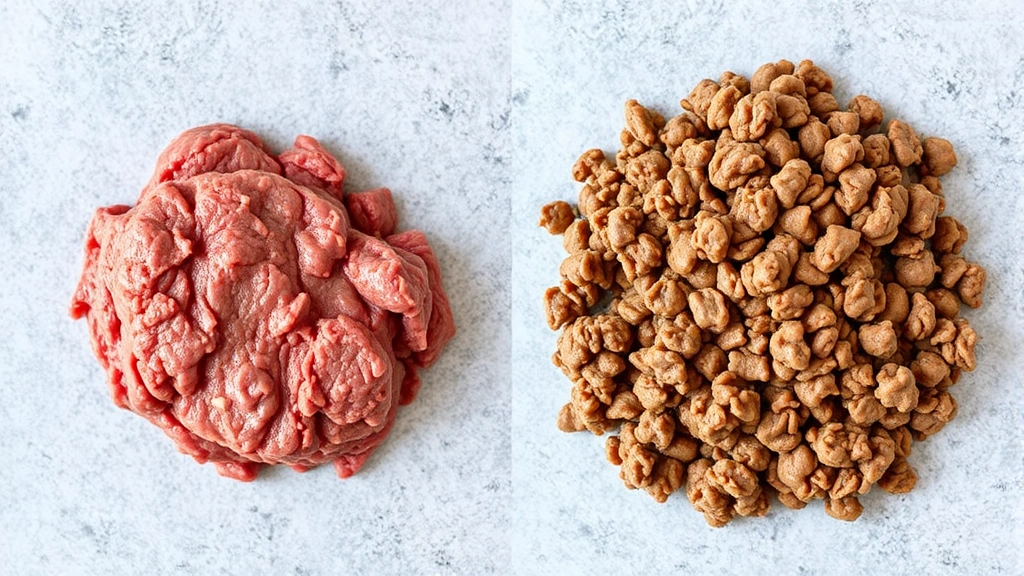
Grass-fed versus grain-fed ground beef presents another significant consideration. Grass-fed beef contains higher omega-3 polyunsaturated fat concentrations and elevated CLA levels compared to conventional grain-fed beef. The ratio of omega-6 to omega-3 fatty acids differs between these sourcing methods, though both remain nutritionally valuable. Grass-fed beef also tends to contain higher vitamin E and beta-carotene concentrations, reflecting the diverse plant diet of grass-fed cattle.
However, grain-fed beef offers advantages including consistent availability, lower cost, and comparable protein and micronutrient density. The nutritional differences, while measurable, remain relatively modest in the context of overall dietary patterns. Choosing affordable ground beef you’ll consistently consume outweighs selecting expensive grass-fed beef you purchase infrequently.
Processing practices deserve attention when selecting ground beef. Freshly ground beef from the butcher counter often contains fewer additives than pre-packaged varieties. However, pre-packaged ground beef undergoes rigorous safety testing and maintains consistent quality. Both options represent safe, nutritious choices when stored and handled appropriately.
For those maintaining how to maintain muscle mass, consistency matters more than perfectionism. Whether selecting 80/20 grain-fed ground beef or grass-fed 93/7 varieties, regular consumption as part of a balanced diet supports nutritional goals far more effectively than sporadic consumption of premium options.
Cooking Methods and Nutrient Retention
Cooking method significantly impacts both nutritional profile and bioavailability of ground beef’s nutrients. High-heat cooking methods like grilling and pan-searing create beneficial compounds through the Maillard reaction while potentially degrading heat-sensitive B vitamins. However, the overall nutrient density remains remarkably stable across cooking methods.
Pan-browning ground beef at moderate to high heat until internal temperature reaches 160°F (71°C) provides optimal safety and flavor development while minimizing nutrient loss. This method allows rendered fat to remain in the pan, which can be used in gravies or discarded based on dietary preferences. The fat-soluble vitamins A, D, E, and K remain stable during this cooking process.
Slow-cooking methods like braising preserve water-soluble B vitamins more effectively than high-heat cooking, though the practical differences remain modest. If braising liquid is consumed as part of soups or stews, minimal nutrient loss occurs since water-soluble vitamins leach into the cooking liquid rather than being destroyed.
Overcooking ground beef—cooking beyond the safety temperature or at excessively high heat—can degrade amino acids and reduce protein quality. Conversely, consuming undercooked ground beef risks foodborne illness from pathogenic bacteria. The 160°F internal temperature recommendation balances safety and nutritional preservation effectively.
Seasoning and preparation methods offer opportunities to enhance ground beef’s nutritional value. Adding spices like turmeric (containing curcumin) or rosemary (containing carnosic acid) provides additional antioxidants. Pairing ground beef with vegetables increases overall meal micronutrient density and fiber content, supporting digestive health and nutrient absorption.
Ground Beef in Recovery Nutrition
Athletes and active individuals benefit significantly from incorporating ground beef into structured recovery nutrition plans. Following resistance training, consuming ground beef as part of post-workout recovery foods within one to two hours optimizes muscle protein synthesis and glycogen replenishment when combined with carbohydrates.
A practical recovery meal combining ground beef with rice, pasta, or potatoes provides complete macronutrient balance supporting muscle repair and energy restoration. The protein stimulates muscle protein synthesis, carbohydrates replenish depleted glycogen stores, and micronutrients support physiological recovery processes. This whole-food approach eliminates the need for specialized recovery supplements in most cases.
Ground beef’s carnitine content particularly supports recovery, as this compound facilitates fat oxidation and energy production during the recovery period. The B vitamins support energy metabolism, converting nutrients into usable cellular energy. The iron facilitates oxygen transport, supporting aerobic recovery processes.
For individuals engaging in intense training multiple times weekly, consistent ground beef consumption supports cumulative recovery and adaptation. The combination of complete protein, micronutrient density, and bioavailability makes ground beef an exceptionally efficient recovery food compared to many alternatives.
Recovery nutrition considerations extend beyond immediate post-workout periods. Consuming ground beef as part of regular meals throughout the day supports ongoing tissue repair and adaptation processes. This distributed protein intake approach often supports muscle development more effectively than concentrated post-workout consumption alone.
Sustainability and Quality Considerations
Ground beef’s nutritional benefits must be evaluated within sustainability contexts. Beef production involves significant environmental resource inputs compared to plant-based proteins, including water usage, land requirements, and greenhouse gas emissions. However, the nutrient density per calorie often compares favorably to plant alternatives when accounting for bioavailability and complete amino acid profiles.
Regenerative grazing practices increasingly influence beef production sustainability. Rotational grazing systems can improve soil health and carbon sequestration, potentially offsetting some environmental impacts of conventional beef production. Supporting producers implementing these practices through purchasing decisions contributes to more sustainable food systems.
Food safety considerations deserve attention when selecting ground beef. Purchasing from reputable sources, storing at appropriate temperatures, and cooking to proper internal temperatures minimize foodborne illness risks. The USDA provides comprehensive guidance on ground beef safety at FSIS.USDA.gov, addressing storage, handling, and cooking protocols.
Quality indicators include color (bright red indicating freshness), packaging integrity, and reasonable expiration dates. Ground beef from dedicated butcher counters often reflects superior freshness and quality control compared to pre-packaged options, though both remain safe when handled appropriately.
For those seeking healthy nutrition plan guidance incorporating ground beef, consulting registered dietitian nutritionists provides personalized recommendations aligned with individual health status, goals, and preferences.
FAQ
How much ground beef should I consume daily for muscle building?
Protein requirements for muscle building typically range from 1.6 to 2.2 grams per kilogram of body weight daily. A 70-kilogram individual would require approximately 112 to 154 grams of protein daily. A 3.5-ounce serving of ground beef provides approximately 23 grams of protein, so consuming 5 to 7 ounces daily could contribute significantly to meeting these targets. However, dietary diversity ensures comprehensive micronutrient intake, so varying protein sources remains advisable.
Is ground beef safe for people with high cholesterol?
Research from the National Institutes of Health indicates that dietary cholesterol’s impact on blood cholesterol levels varies significantly among individuals. For most people, consuming moderate portions of ground beef as part of a diet emphasizing vegetables, whole grains, and diverse proteins presents minimal concern. Individuals with specific cholesterol management needs should consult healthcare providers or registered dietitian nutritionists for personalized guidance.
Does cooking method affect ground beef’s nutritional value significantly?
Cooking method produces modest nutritional changes in ground beef. High-heat methods preserve mineral content and fat-soluble vitamins while potentially degrading some B vitamins. Slow-cooking preserves B vitamins better but affects texture. The practical nutritional differences remain relatively small; cooking ground beef safely and palatably matters more than optimizing for marginal nutrient preservation.
What distinguishes grass-fed from grain-fed ground beef nutritionally?
Grass-fed beef contains higher omega-3 fatty acids, CLA, and vitamin E concentrations compared to grain-fed beef. However, both provide excellent protein, iron, zinc, and B vitamins. The nutritional differences, while measurable, remain modest in the context of overall dietary patterns. Cost, availability, and personal preferences often matter more than these marginal nutritional distinctions.
Can ground beef support weight loss goals?
Ground beef’s high protein content supports weight loss by promoting satiety and preserving lean muscle during caloric restriction. Selecting leaner varieties (90/10 or 93/7) reduces calorie density while maintaining protein content. Incorporating ground beef into balanced meals with vegetables and appropriate carbohydrate portions supports sustainable weight loss strategies. Research in Nutrients Journal confirms that higher-protein diets including beef support improved weight loss outcomes compared to lower-protein approaches.
Is organic ground beef nutritionally superior to conventional varieties?
Organic certification ensures ground beef was produced without synthetic pesticides or antibiotics, but nutritional differences between organic and conventional beef remain minimal. Both provide comparable protein, iron, zinc, and B vitamins. Organic beef typically costs more; whether the premium justifies the additional expense depends on individual priorities regarding pesticide exposure and agricultural practices rather than direct nutritional superiority.