Chicken wings have become a beloved staple in American cuisine, from sports bar appetizers to family dinner tables. Yet their reputation remains complicated when it comes to nutrition. As a dietitian-reviewed topic, the question “Are chicken wings healthy?” deserves a nuanced answer that goes beyond simple yes-or-no responses. The truth is that chicken wings can fit into a balanced diet, but preparation methods, portion sizes, and frequency of consumption matter significantly.
Understanding the nutritional profile of chicken wings requires examining both their inherent benefits as a protein source and the impact of common cooking techniques. Whether wings are baked, fried, grilled, or sauced dramatically changes their nutritional value. This comprehensive guide breaks down what you need to know about chicken wings from a dietary perspective, helping you make informed choices aligned with your health goals.
Nutritional Profile of Chicken Wings
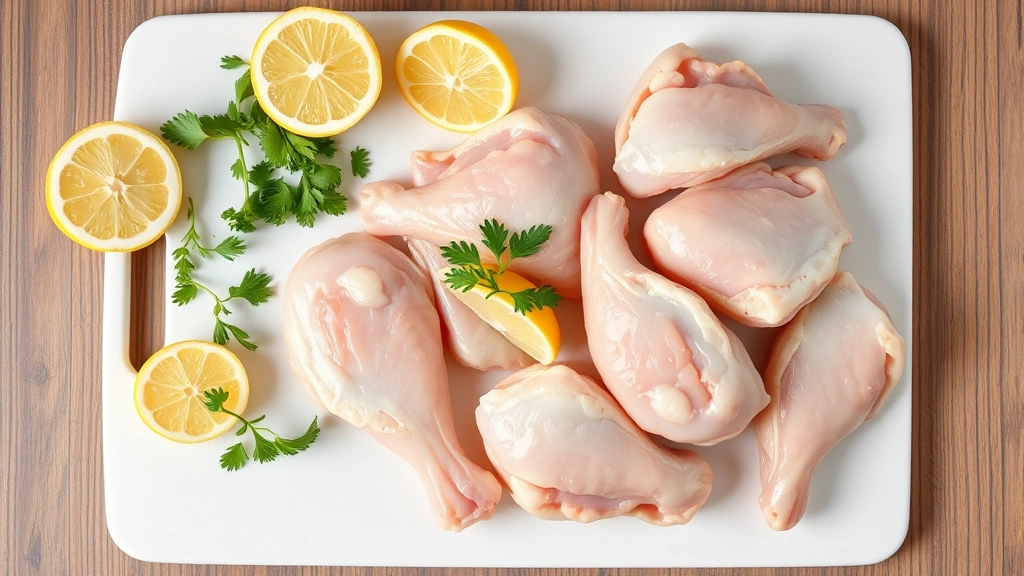
Raw chicken wings contain approximately 290 calories per 100 grams, with significant protein content and varying fat levels depending on whether skin is included. A typical serving of three chicken wings (approximately 85 grams) provides roughly 245 calories, 25 grams of protein, and 15 grams of fat. These macronutrient ratios make wings a relatively protein-dense food, though the fat component requires consideration based on individual dietary needs.
The micronutrient composition of chicken wings includes B vitamins, particularly niacin and B6, which support energy metabolism and nervous system function. Wings also provide minerals like selenium, phosphorus, and zinc—nutrients essential for immune function and bone health. However, chicken wings are not significant sources of fiber, vitamin C, or many other micronutrients found abundantly in vegetables and fruits. This means wings work best as part of a healthy nutrition plan that includes diverse food groups.
When examining the skin-on versus skin-off distinction, removing skin reduces fat content by approximately 50%, dropping a three-wing serving from 15 grams to roughly 7-8 grams of fat. However, many people enjoy wings specifically for their crispy skin, making this trade-off a personal choice between taste preference and caloric/fat reduction.
Protein Content and Muscle Support
Chicken wings serve as an excellent protein source, delivering approximately 8-9 grams of protein per wing. For individuals focused on nutrition solutions that support muscle development and recovery, this makes wings an attractive option. The complete protein in chicken contains all nine essential amino acids, making it a “complete” protein that your body can efficiently utilize for muscle synthesis and repair.
The protein-to-calorie ratio in wings is reasonably favorable compared to many other foods, though not as efficient as skinless chicken breast. For active individuals or those engaged in resistance training, incorporating wings into post-workout meals can support muscle recovery. The amino acid leucine, abundant in chicken, plays a particularly important role in triggering muscle protein synthesis—the process by which your body builds new muscle tissue.
For older adults concerned about sarcopenia (age-related muscle loss), the protein content in wings contributes meaningfully to daily protein intake goals, which typically range from 1.0-1.2 grams per kilogram of body weight for this population. Combined with resistance exercise and adequate overall nutrition, wings can support maintenance of lean muscle mass.
Fat Content and Heart Health Considerations
The fat in chicken wings consists of both saturated and unsaturated fats. A three-wing serving contains approximately 4-5 grams of saturated fat (roughly 20-25% of the daily recommended limit based on a 2,000-calorie diet). While chicken wings aren’t exceptionally high in saturated fat compared to red meat cuts, frequency and preparation method significantly influence overall saturated fat intake.
The relationship between dietary fat and cardiovascular health remains more nuanced than once believed. Current evidence from the American Heart Association suggests that the type of fat matters more than total fat quantity. While wings contain some saturated fat, they also provide monounsaturated and polyunsaturated fats, which have neutral or beneficial effects on cholesterol profiles.
For individuals with existing cardiovascular disease or specific lipid management concerns, moderation remains important. However, for generally healthy individuals, occasional wing consumption as part of a balanced diet with adequate vegetables, whole grains, and limited processed foods poses minimal cardiovascular risk. The key lies in overall dietary patterns rather than any single food.
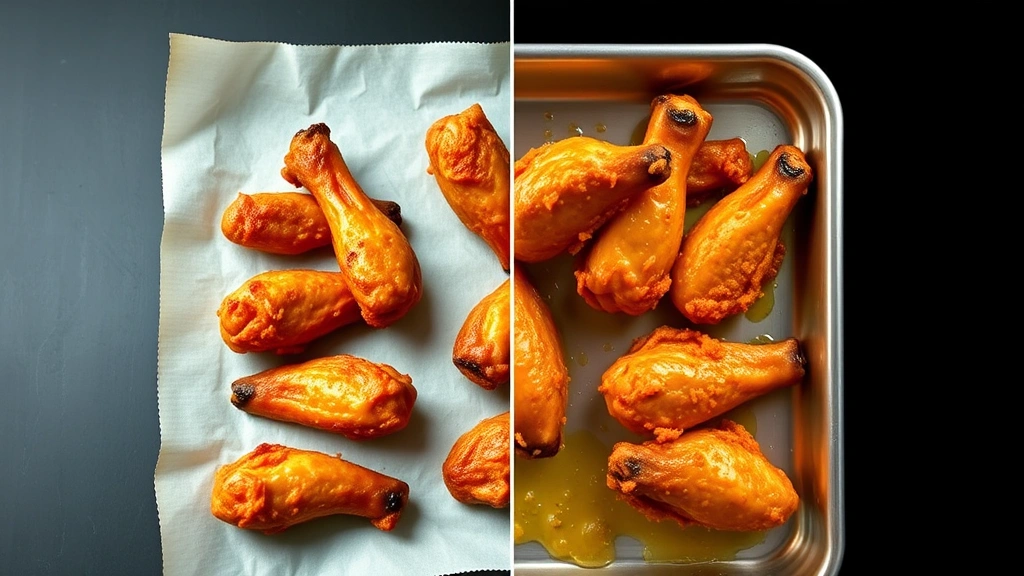
Choosing preparation methods that minimize added fat—such as baking, grilling, or air-frying rather than deep-frying—can substantially reduce total fat and calorie content while maintaining the enjoyable eating experience.
Cooking Methods and Their Impact
Preparation method dramatically transforms chicken wings’ nutritional profile. Deep-fried wings absorb significant quantities of oil, increasing calorie content from approximately 245 calories to 385-415 calories per three-wing serving. This cooking method also increases trans fats and oxidized fats, compounds that research associates with increased inflammation and cardiovascular risk.
Baked wings at 400°F for 30-40 minutes provide a crispier texture than steamed alternatives while maintaining nutritional integrity closer to raw chicken. Air-fried wings represent an emerging middle ground, using rapid hot air circulation to create crispy exteriors with minimal added oil. Studies comparing air-frying to traditional frying show substantially reduced fat absorption while maintaining palatability.
Grilled wings develop flavorful char from direct heat exposure, requiring minimal added fat and allowing excess fat to drip away from the meat. This method preserves the protein content while reducing overall caloric density. Poaching or steaming wings produces the lowest-calorie preparation but typically results in less appealing texture, making this method less practical for most consumers.
The cooking temperature and duration also matter for food safety and nutrient retention. Chicken must reach an internal temperature of 165°F (74°C) to eliminate harmful bacteria. Overcooking beyond this point begins degrading some B vitamins, though the impact remains minimal compared to the food safety benefits of proper cooking.
Comparison with Other Protein Sources
When evaluating whether wings fit into a nutritionally balanced approach, comparing them to alternative protein sources provides useful context. Chicken breast contains approximately 31 grams of protein per 100 grams with only 3.6 grams of fat, making it more protein-dense and lower in fat than wings. However, breast meat is also less flavorful and requires different cooking approaches.
Ground turkey offers similar protein content to wings (approximately 13 grams per 85-gram serving) with comparable fat levels, making it nutritionally equivalent. Fish varieties like salmon provide omega-3 fatty acids absent from chicken, offering distinct cardiovascular benefits despite similar calorie counts. Lean beef cuts contain comparable protein but higher saturated fat, while plant-based proteins like legumes and tofu provide fiber alongside protein—a nutritional advantage wings cannot match.
The reality is that dietary diversity matters more than optimizing any single food source. Rotating between chicken wings, breast, fish, legumes, and other proteins ensures varied micronutrient intake and prevents nutritional gaps. Wings’ palatability and social appeal (particularly in group settings) make them valuable for dietary adherence—a factor sometimes overlooked in purely numerical comparisons.
Portion Control and Frequency Guidelines
Dietitian recommendations suggest that 3-4 wings (approximately 85-115 grams) constitute a reasonable single serving. This portion provides meaningful protein contribution (approximately 25 grams) without excessive calorie or fat intake. However, wings’ appetizer positioning and social context often encourages overconsumption, with many people consuming 8-12 wings per sitting.
For general healthy individuals, consuming wings 1-2 times weekly poses minimal nutritional concern when portions remain moderate and preparation methods minimize added fat. Individuals managing specific health conditions—such as hyperlipidemia, hypertension, or diabetes—should consult healthcare providers about appropriate frequency based on their unique circumstances and overall dietary patterns.
Pair wing servings with nutrient-dense sides to optimize overall meal nutrition. Vegetable-based sides like roasted broccoli, steamed Brussels sprouts, or garden salads add fiber, vitamins, and minerals while increasing satiety without excessive calories. This approach transforms wings from a potentially problematic indulgence into a balanced meal component.

Sauce and Seasoning Effects
Wing sauces dramatically influence nutritional content. Buffalo sauce (typically hot sauce and butter) adds approximately 50-100 calories and 5-10 grams of fat per three-wing serving, plus significant sodium. Barbecue sauce contributes 30-60 calories primarily from added sugars, with a typical serving containing 6-12 grams of sugar. Honey-glazed or teriyaki variations push sugar content even higher, sometimes exceeding 15 grams per serving.
These additions transform wings from a protein-focused food into a sugar and sodium-laden dish, particularly concerning for individuals managing diabetes or hypertension. The sodium content in sauced wings often exceeds 400-600 mg per serving, contributing substantially to daily sodium intake limits (typically 2,300 mg for healthy adults).
Dry rubs using spices like paprika, garlic powder, cayenne, and black pepper provide flavor without added calories, sugar, or sodium. Marinades using vinegar, citrus, and herbs similarly enhance taste while maintaining nutritional integrity. Hot sauce alone (without butter addition) provides spicy flavor with minimal nutritional impact, making it a lighter sauce option.
For individuals concerned about sodium intake, preparing wings at home allows complete control over seasoning and sauce application. Restaurant and delivery wings typically contain 30-50% more sodium than homemade versions due to preservatives and standardized sauce recipes.
Incorporating Wings into a Balanced Diet
The fundamental question “Are chicken wings healthy?” ultimately depends on context. Within a dietary pattern emphasizing whole foods, adequate vegetables, appropriate portion sizes, and regular physical activity, occasional wing consumption poses no inherent health risk for most people. Conversely, frequent consumption of heavily sauced, deep-fried wings as a primary protein source within a processed-food-heavy diet contributes to poor health outcomes.
Consider wings as part of a broader approach to nutrient absorption and dietary quality. Combining wings with colorful vegetables, whole grains, and healthy fats from sources like olive oil and nuts creates meals that satisfy multiple nutritional needs simultaneously. This dietary diversity also supports nutrition and mental health connections, as varied micronutrient intake supports optimal brain function.
For individuals with specific health goals—weight loss, muscle gain, disease management—wings can still fit within personalized nutrition plans. Weight loss typically requires moderate caloric deficit; baked wings as part of a vegetable-rich meal supports this goal better than fried wings with calorie-dense sides. Muscle-building goals benefit from the complete protein in wings, particularly when combined with appropriate training and overall adequate calorie intake.
Social and psychological factors matter enormously in dietary adherence. If wings bring genuine enjoyment and social connection, their occasional inclusion supports long-term dietary sustainability compared to overly restrictive approaches that often fail. The “best diet” is ultimately one that individuals can maintain consistently while meeting nutritional needs and supporting health goals.
FAQ
How many calories are in chicken wings?
A serving of three baked chicken wings contains approximately 245 calories, while the same serving deep-fried contains 385-415 calories. Air-fried wings fall between these values at roughly 320-350 calories per three-wing serving.
Are chicken wings high in protein?
Yes, chicken wings are excellent protein sources, providing approximately 8-9 grams of protein per wing. Three wings deliver roughly 25 grams of protein, making them comparable to chicken breast on a per-weight basis, though breast contains slightly higher protein density.
Can I eat chicken wings on a diet?
Moderate wing consumption can fit within most weight-loss diets. The key involves portion control (3-4 wings per serving), choosing baked or air-fried preparations over deep-fried options, pairing with vegetable sides, and limiting frequency to 1-2 times weekly. Sauce selection also matters significantly.
Which cooking method is healthiest for wings?
Baking at 400°F, air-frying, and grilling represent the healthiest preparation methods, requiring minimal added oil while maintaining food safety and palatability. Deep-frying substantially increases fat and calorie content and should be minimized.
Do chicken wings have any nutritional benefits?
Yes, wings provide complete protein with all essential amino acids, B vitamins (particularly niacin and B6), and minerals like selenium, phosphorus, and zinc. These nutrients support muscle maintenance, energy metabolism, immune function, and bone health.
How often can I safely eat chicken wings?
Generally healthy individuals can consume wings 1-2 times weekly without nutritional concern, assuming moderate portions (3-4 wings) and preparation methods that minimize added fat. Individuals with specific health conditions should consult healthcare providers about appropriate frequency.
Are wings healthier than other chicken cuts?
Chicken breast is lower in fat and higher in protein than wings, making it technically more optimal for certain goals like weight loss or lean muscle building. However, wings offer superior taste and palatability for many people, supporting dietary adherence. Both can fit within balanced diets.
What’s the best sauce for chicken wings nutritionally?
Dry rubs using spices, vinegar-based marinades, and hot sauce alone provide flavor with minimal added calories, sugar, and sodium. Buffalo sauce (with butter) and barbecue sauce add significant calories and sugar. Teriyaki and honey-glazed options are particularly high in added sugars.