McChicken Nutrition Facts: What a Dietitian Wants You to Know
The McChicken has been a McDonald’s staple for decades, offering a quick, affordable protein option for millions of customers worldwide. But what exactly are you consuming when you bite into this iconic sandwich? As a registered dietitian, I frequently encounter questions about fast-food nutrition, and the McChicken deserves a thorough examination. Understanding its nutritional profile helps you make informed dietary choices, whether you’re an occasional fast-food consumer or someone managing specific health goals.
In this comprehensive guide, I’ll break down the McChicken’s complete nutritional breakdown, analyze its macronutrient composition, discuss its place within daily dietary needs, and provide practical strategies for incorporating it into a balanced eating pattern. Whether you’re curious about calories, sodium, protein content, or how it fits into your overall nutrition strategy, this analysis covers everything you need to know from a dietitian’s perspective.
McChicken Nutrition Overview
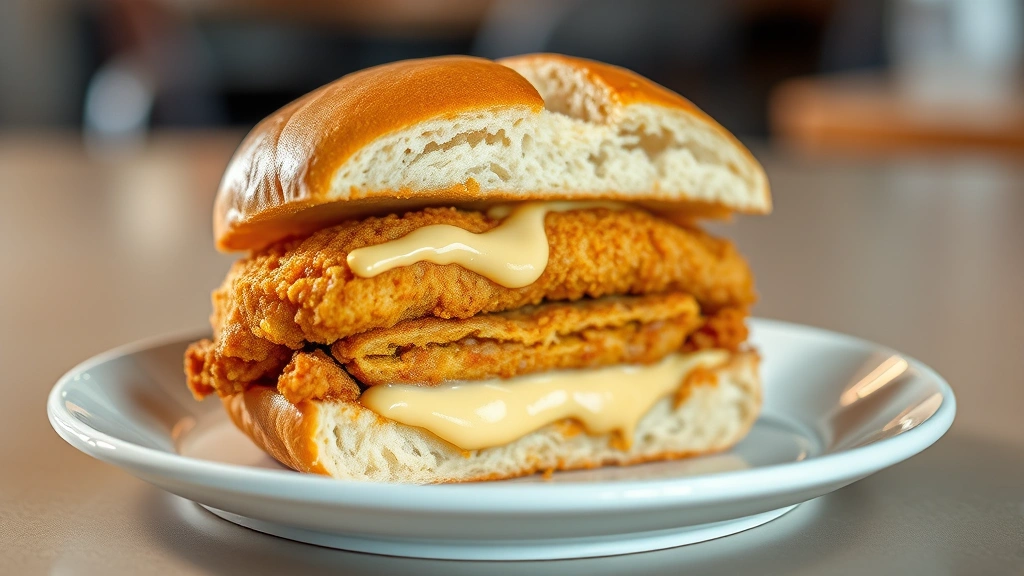
The standard McChicken sandwich contains approximately 350 calories, making it one of McDonald’s more modest menu items by caloric content. However, calories tell only part of the nutritional story. The complete nutritional profile reveals a sandwich designed for quick satisfaction rather than comprehensive nutritional balance.
A single McChicken contains:
- Calories: 350
- Total Fat: 16 grams
- Saturated Fat: 3 grams
- Trans Fat: 0 grams
- Cholesterol: 30 milligrams
- Sodium: 680 milligrams
- Total Carbohydrates: 39 grams
- Dietary Fiber: 2 grams
- Sugars: 5 grams
- Protein: 16 grams
These numbers represent the core nutritional facts from McDonald’s official nutritional information. Understanding what each component means for your health is where dietitian expertise becomes valuable. The McChicken provides a moderate caloric load with reasonable protein content, but the sodium levels warrant attention for those monitoring salt intake. Visit our Nutrition Solutions resource for personalized dietary guidance based on your specific health needs.
Macronutrient Breakdown
Protein Content and Quality
At 16 grams of protein, the McChicken delivers a meaningful protein contribution, particularly for a sandwich under 400 calories. This protein primarily comes from the breaded chicken patty, which provides all nine essential amino acids necessary for muscle maintenance, repair, and various metabolic functions. For individuals following a nutrition for athletes approach or seeking convenient protein sources, the McChicken offers legitimate value.
However, the protein quality consideration matters. The chicken undergoes processing, breading, and frying, which affects the bioavailability of amino acids compared to grilled chicken preparations. The breading contributes carbohydrates and additional fat that a simple grilled chicken breast wouldn’t provide, altering the overall macronutrient efficiency of the protein delivery system.
Carbohydrate Analysis
The 39 grams of carbohydrates come primarily from the bun, with minimal contribution from other sandwich components. This represents approximately 13% of a 2,000-calorie daily diet, a moderate portion. The concerning aspect involves carbohydrate quality: the white bread bun contains refined carbohydrates with minimal fiber (only 2 grams total) and a higher glycemic index.
Refined carbohydrates digest rapidly, causing blood sugar spikes followed by energy crashes. For individuals managing blood sugar levels, prediabetes, or type 2 diabetes, this carbohydrate profile presents challenges. The 5 grams of added sugars (primarily in the bun and sauce) further contribute to rapid glucose elevation. When building your healthy nutrition plan, considering glycemic impact helps optimize energy and metabolic health.
Fat Composition
The 16 grams of total fat break down into 3 grams saturated fat and 0 grams trans fat, representing a relatively favorable fat profile compared to many fast-food options. The primary fat sources include the fried chicken patty oil, mayonnaise-based sauce, and small contributions from the bun. The absence of trans fats reflects improved McDonald’s formulations over previous decades.
The remaining 13 grams of fat consist of unsaturated fats, though the exact breakdown between monounsaturated and polyunsaturated fat isn’t typically disclosed. From a cardiovascular health perspective, the McChicken’s fat profile won’t significantly compromise your lipid profile when consumed occasionally as part of a balanced dietary pattern.
Sodium and Sodium Content Concerns
Perhaps the most significant nutritional concern with the McChicken involves its sodium content: 680 milligrams per sandwich. This represents approximately 30% of the recommended daily sodium intake for most adults (2,300 milligrams). For individuals with hypertension or following sodium-restricted diets, this single sandwich represents a substantial portion of daily allowance.
The sodium primarily comes from:
- The breading and seasoning on the chicken patty
- The processed bun formulation
- The mayonnaise-based sauce
- Any additional salt applied during preparation
Consuming the McChicken with a typical beverage (often a regular soft drink containing 40-50 milligrams sodium) and any side items (fries containing 200-300 milligrams sodium) quickly accumulates to 1,000+ milligrams of sodium in a single meal. For individuals managing hypertension or heart disease, this exceeds recommended single-meal sodium targets.
Research published through Pew Research Center indicates that Americans consume approximately 3,400 milligrams of sodium daily on average, significantly exceeding recommendations. Fast-food consumption contributes substantially to this excess. If you’re managing sodium intake, tips for meal planning can help you strategically incorporate occasional fast-food items without compromising health goals.

” alt=”Dietitian reviewing nutrition labels on fast food sandwiches with analysis charts and healthy eating guides visible”>
Micronutrients and Vitamins
While the McChicken provides meaningful macronutrients, its micronutrient profile presents a more limited picture. The sandwich contains modest amounts of several B vitamins, particularly niacin and B6 from the chicken, which support energy metabolism and nervous system function.
Vitamin Content
- Niacin (B3): Approximately 4-5 milligrams, supporting energy production
- Vitamin B6: Present in moderate amounts from chicken protein
- Vitamin B12: Minimal amounts, primarily from chicken
- Folate: Low levels, primarily from refined grain bun
Mineral Content
The McChicken provides iron (approximately 2 milligrams) from the chicken, though the bioavailability of iron from processed chicken is lower than from red meat. It contains minimal calcium (approximately 100 milligrams) from the bun and condiments. The phosphorus content, primarily from processed ingredients and additives, is moderate.
The limited micronutrient density highlights why the McChicken functions best as an occasional convenience food rather than a nutritional cornerstone. Its nutrient profile lacks the diversity and micronutrient density found in whole-food alternatives. To optimize micronutrient intake, explore strategies for how to improve nutrient absorption through complementary whole foods consumed alongside or instead of processed options.
Comparison with Alternatives
McChicken vs. Grilled Chicken Sandwich
McDonald’s grilled chicken sandwich (when available in your region) offers a compelling alternative with similar protein (25 grams) but lower calories (350) and significantly reduced fat (9 grams). The grilling process eliminates the added fat from frying, improving the overall nutritional profile substantially. The sodium remains elevated (730 milligrams) but slightly lower than the fried version.
McChicken vs. Crispy Chicken Sandwich Competitors
Comparing the McChicken to competitors like Chick-fil-A’s chicken sandwich (440 calories, 41 grams carbs, 28 grams protein) reveals that the McChicken offers a lower-calorie, lower-protein alternative. Popeyes’ chicken sandwich (690 calories, 42 grams fat) represents a significantly more calorie-dense option. The McChicken positions itself as the lightweight option in the crispy chicken sandwich category.
McChicken vs. Burger Alternatives
Compared to McDonald’s hamburger (250 calories, 12 grams protein) or cheeseburger (300 calories, 15 grams protein), the McChicken provides more protein and comparable calories, making it a reasonable choice for those seeking protein-forward fast-food options. However, the carbohydrate content (39 grams) exceeds typical burger options (30 grams for a hamburger), primarily due to the bun size and formulation.
McChicken vs. Salad Options
McDonald’s salad options, when available, typically provide 150-200 calories with 10-15 grams protein and significantly lower sodium (400-500 milligrams) and carbohydrates (10-15 grams). For those prioritizing micronutrient density and vegetable intake, salad options offer superior nutritional profiles despite lower satiety compared to the sandwich option.
How to Make Smarter Choices
Modification Strategies
If you enjoy the McChicken, several modifications can improve its nutritional profile:
- Request lighter sauce: Ask for reduced mayonnaise or request the sauce on the side, reducing fat and sodium by approximately 50-75 calories and 100+ milligrams sodium
- Skip the bun: Request the sandwich as a lettuce wrap or protein bowl if available, dramatically reducing carbohydrates (to approximately 5-10 grams) and sodium
- Add vegetables: Request lettuce, tomato, or other vegetables to increase fiber, micronutrients, and satiety without significantly increasing calories
- Pair strategically: Combine with water or unsweetened beverage instead of sugary drinks, and consider apple slices or side salad instead of fries
Portion and Frequency Considerations
The McChicken fits reasonably into a balanced diet when consumed occasionally (1-2 times monthly for most individuals) rather than regularly. For individuals managing specific health conditions like hypertension, diabetes, or cardiovascular disease, even occasional consumption warrants consideration of total weekly sodium and refined carbohydrate intake.
The Nutrients Pathway Blog regularly discusses practical strategies for incorporating convenience foods into health-conscious eating patterns without compromising long-term nutritional goals.

” alt=”Registered dietitian counseling diverse client about fast food choices with nutrition education materials and meal planning examples”>
McChicken in Different Diets
Low-Carb and Keto Diets
The McChicken’s 39 grams of carbohydrates makes it incompatible with strict ketogenic protocols (typically 20-50 grams daily). However, for moderate low-carb approaches (100-150 grams daily), it could fit occasionally, particularly if other meals remain very low-carb. The bun represents the primary carbohydrate challenge; removing it dramatically improves compatibility.
High-Protein Diets
With 16 grams of protein in 350 calories, the McChicken provides a reasonable protein-to-calorie ratio (approximately 4.6 calories per gram protein). However, higher-protein alternatives like grilled chicken options or protein-focused chains offer better ratios. For those seeking convenient protein sources, the McChicken serves adequately within a broader dietary strategy.
Mediterranean and Whole-Food Focused Diets
The McChicken’s processed nature conflicts with Mediterranean or whole-food-focused dietary philosophies. The refined carbohydrates, processed oils, and sodium content diverge from these patterns’ core principles. These dietary approaches typically reserve fast food for rare occasions rather than routine consumption.
Calorie-Restricted Diets
At 350 calories, the McChicken represents a moderate portion of daily allowance during calorie restriction (1,200-1,800 calories daily). Its protein content provides reasonable satiety for the caloric investment, though the high sodium and refined carbohydrates may trigger water retention and blood sugar fluctuations affecting hunger signaling.
Vegetarian and Vegan Diets
The standard McChicken contains chicken and mayonnaise, making it unsuitable for vegetarian consumption. Some McDonald’s locations offer vegetarian options like veggie burgers or salads, though the McChicken itself remains animal-based.
FAQ
Is the McChicken healthy?
The McChicken presents a mixed nutritional profile. It offers reasonable protein and moderate calories but contains high sodium and refined carbohydrates. It functions best as an occasional convenience food within a balanced diet rather than a regular staple. For specific health conditions like hypertension or diabetes, even occasional consumption warrants consideration.
How much sodium is in a McChicken?
A standard McChicken contains 680 milligrams of sodium, representing approximately 30% of the recommended daily intake for most adults. This sodium level requires consideration, particularly for those managing blood pressure or following sodium-restricted diets.
Can I eat a McChicken on a diet?
Yes, the McChicken can fit into weight-loss diets due to its moderate 350 calories and 16 grams protein. However, its high sodium and refined carbohydrates may affect water retention and hunger signaling. Pairing it with lower-sodium, whole-food items and consuming it infrequently supports better dietary outcomes.
Is the McChicken high in fat?
The McChicken contains 16 grams of total fat (3 grams saturated), representing approximately 25% of daily fat allowance on a 2,000-calorie diet. While not exceptionally high in fat, most comes from frying rather than nutritionally beneficial sources.
How does the McChicken compare to other fast-food chicken sandwiches?
The McChicken offers lower calories and fat compared to many competitors like Popeyes or Chick-fil-A sandwiches, positioning it as a lighter fast-food chicken option. However, grilled alternatives from any chain offer superior nutritional profiles with similar protein at lower fat and calorie levels.
What’s the protein quality in a McChicken?
The McChicken provides 16 grams of complete protein containing all essential amino acids. However, processing, breading, and frying reduce amino acid bioavailability compared to grilled chicken preparations. The protein quality remains adequate but not optimal.
Can I modify the McChicken to make it healthier?
Yes, requesting reduced sauce, adding vegetables, removing the bun, or pairing with water and whole-food sides significantly improves the nutritional profile. These modifications reduce sodium, refined carbohydrates, and added fat while maintaining protein content and satiety.