Chicken Wing Nutrition Facts: Dietitian Insight Into Protein, Fat & Calories
Chicken wings have become a staple in American cuisine, dominating sports bars, game day gatherings, and casual dining menus. Yet many people remain uncertain about their nutritional profile. Are they a protein powerhouse or a dietary pitfall? The answer, according to nutritional science, is more nuanced than popular perception suggests. Understanding the nutritional value of a chicken wing requires examining macronutrients, micronutrients, and preparation methods that dramatically influence their health impact.
As a registered dietitian nutrition specialist, I’ve spent years helping clients navigate protein-rich foods like chicken wings within their broader dietary goals. The misconception that wings are “junk food” oversimplifies their nutritional composition. When prepared thoughtfully and consumed in appropriate portions, chicken wings can fit into balanced, health-conscious eating patterns. This comprehensive guide breaks down what science reveals about chicken wing nutrition and how to maximize their benefits while minimizing potential drawbacks.
Basic Nutritional Breakdown Per Wing
A single medium-sized chicken wing, weighing approximately 32 grams with skin attached, contains roughly 99 calories. This foundational measurement varies based on wing size—drumettes and flats from larger birds may reach 110-120 calories, while smaller wings might clock in at 85-95 calories. The macronutrient distribution reveals why wings appeal to protein-conscious eaters: approximately 7 grams of protein per wing, 7 grams of fat, and negligible carbohydrates.
These baseline figures represent raw or minimally processed wings. Once wings enter the cooking process—whether baked, fried, sauced, or glazed—their nutritional profile transforms significantly. A fried wing coated in batter can exceed 150 calories, while a wing slathered in barbecue sauce adds 15-30 calories of additional sugar per piece. Understanding this baseline allows us to build realistic assessments of how wings fit into healthy nutrition plans.
The nutritional value of a chicken wing becomes clearer when we examine its composition layer by layer. The skin contributes approximately 60% of the fat content, making skinless wings a leaner option at roughly 4 grams of fat per wing. However, the skin also contains beneficial compounds including collagen and fat-soluble vitamins. For individuals following nutrition for athletes, the complete wing offers superior micronutrient density compared to skinless alternatives.
Protein Content and Muscle Building
The seven grams of complete protein in a single chicken wing represents a significant advantage for muscle synthesis and recovery. Chicken wings contain all nine essential amino acids in proper ratios, making them a complete protein source comparable to chicken breast—though with slightly less total protein density. The amino acid leucine, critical for triggering muscle protein synthesis, appears in substantial quantities within wing meat.
Research from the International Society of Sports Nutrition demonstrates that consuming 20-40 grams of complete protein stimulates maximal muscle protein synthesis in most adults. A serving of six chicken wings (approximately 42 grams of protein) therefore provides adequate amino acids for post-workout recovery without requiring additional protein supplementation. This makes wings particularly valuable for individuals interested in nutrition solutions that emphasize whole food sources over processed alternatives.
The bioavailability of chicken wing protein exceeds many plant-based alternatives, with digestibility rates approaching 95%. This high absorption efficiency means your body actually utilizes nearly all the protein wings provide, unlike some plant proteins with lower digestibility coefficients. For older adults concerned about age-related muscle loss, wings offer an accessible, palatable protein source that encourages adequate intake.

Fat Profile and Heart Health
Chicken wing fat composition has become increasingly scrutinized by health-conscious consumers and nutrition researchers alike. A medium wing with skin contains approximately 7 grams of fat distributed across saturated (2 grams), monounsaturated (3 grams), and polyunsaturated (1.5 grams) varieties. This distribution actually favors heart health more than popular perception acknowledges.
According to American Heart Association guidelines, monounsaturated fats like those abundant in chicken wings support cardiovascular health by improving cholesterol ratios. The saturated fat content, while present, remains moderate when wings are consumed as part of balanced meals rather than isolated dietary staples. Recent meta-analyses published in peer-reviewed nutrition journals have challenged the blanket condemnation of saturated fat from animal sources, particularly when consumed alongside fiber-rich vegetables and whole grains.
The fat in chicken wings also facilitates absorption of fat-soluble vitamins including A, D, E, and K. Removing skin entirely eliminates not just fat but also these essential micronutrients. A balanced approach—consuming wings with skin as part of varied dietary patterns—optimizes both nutrient absorption and cardiovascular health markers. This nuanced understanding contrasts sharply with oversimplified dietary narratives that classify entire foods as universally “good” or “bad.”
Preparation Methods Matter Most
The cooking method applied to chicken wings fundamentally alters their nutritional impact more dramatically than any other variable. Baking wings at 400°F for 40-45 minutes requires zero added fat and preserves the nutritional value of a chicken wing in its most authentic form. This preparation yields approximately 99 calories and 7 grams of fat per wing, matching our baseline calculations.
Deep-frying wings in vegetable oil introduces 40-60 additional calories per wing through fat absorption. While the oil itself might contain polyunsaturated fats, the high-heat cooking process oxidizes these fats, creating compounds that may promote inflammation. Air frying offers a middle ground, using minimal oil while achieving crispy textures through rapid air circulation. Air-fried wings contain approximately 110-120 calories per piece—slightly elevated from baking but substantially lower than traditional deep frying.
Sauce applications dramatically impact final nutritional profiles. Buffalo sauce (typically hot sauce and butter) adds 10-15 calories and minimal sugar. Barbecue sauce introduces 20-30 calories and 4-6 grams of added sugar per wing. Teriyaki and sweet chili glazes push sugar content even higher, reaching 8-12 grams per wing. For individuals monitoring added sugar intake or managing blood glucose, sauce selection becomes as important as the cooking method itself. Exploring tips for meal planning specifically addressing sauce applications helps navigate these decisions strategically.
Micronutrients and Bioavailability
Beyond macronutrients, chicken wings deliver impressive micronutrient density that often gets overlooked. A single wing provides approximately 15% of the daily recommended selenium intake, a mineral critical for thyroid function and antioxidant defense. Selenium bioavailability from animal sources like chicken exceeds that from plant sources, meaning your body extracts more usable selenium from wings than from nuts or seeds.
Chicken wings also contain meaningful quantities of B vitamins including niacin, B6, and pantothenic acid. These vitamins facilitate energy metabolism, nervous system function, and hormone production. The niacin content alone—approximately 2 mg per wing—contributes meaningfully to daily requirements, supporting cardiovascular health through mechanisms distinct from fat composition.
Phosphorus, essential for bone health and energy production, appears in substantial quantities within wing meat. The calcium-to-phosphorus ratio in chicken differs from dairy sources, but the absolute phosphorus content still supports bone mineralization and ATP synthesis. For individuals building comprehensive nutrition and mental health strategies, the B vitamin profile of wings specifically supports neurotransmitter synthesis and cognitive function.
The collagen and gelatin derived from wing skin and connective tissue provide amino acids like glycine and proline. These compounds support joint health, skin integrity, and gut barrier function—benefits that extend far beyond simple protein provision. Boiling or slow-cooking wings to make bone broth further concentrates these collagen-derived compounds, creating nutrient-dense broths that amplify the health benefits of the original wings.
Sodium and Processing Concerns
Sodium content represents the primary nutritional concern with commercially prepared chicken wings. A single restaurant-prepared wing can contain 200-300 mg of sodium depending on sauce selection and preparation method. Six wings might therefore deliver 1,200-1,800 mg of sodium—approaching or exceeding half the daily recommended intake in a single sitting.
This sodium elevation stems primarily from sauce applications, marinades, and salt added during cooking. Home-prepared wings with minimal added salt contain roughly 75-100 mg of sodium per wing—a dramatic difference. For individuals managing hypertension or cardiovascular disease, the distinction between restaurant and home preparation becomes clinically significant.
Processing concerns also extend to pre-seasoned or pre-marinated wings sold in grocery stores. These products often contain sodium phosphates, flavor enhancers, and preservatives that increase sodium content substantially beyond whole, fresh wings. Reading ingredient lists and nutrition labels remains essential for informed decision-making. Purchasing whole, fresh wings and applying your own minimal-sodium preparations offers maximum control over nutritional outcomes.
For individuals concerned about sodium intake, pairing wings with potassium-rich sides—sweet potatoes, leafy greens, or legumes—helps balance electrolyte ratios and mitigate hypertension risk. This strategic meal composition transforms wings from potentially problematic into genuinely balanced nutritional choices.
Comparing Wing Portions to Other Proteins
Contextualizing chicken wings within broader protein options reveals their nutritional positioning. Compared to chicken breast, wings contain slightly less protein (7g vs. 8.5g per ounce) but substantially more fat and micronutrients. This difference makes wings superior for individuals requiring calorie-dense nutrition or seeking micronutrient diversity, while breast remains optimal for those maximizing protein with minimal fat.
Compared to beef, wings offer similar protein quantities with notably less saturated fat. A 3-ounce serving of ground beef (80/20 blend) contains 22 grams of protein but 17 grams of fat—more than double the fat in equivalent wing portions. Yet beef surpasses wings in iron and zinc content, making both valuable within varied dietary patterns rather than exclusive choices.
Fish comparisons prove interesting. Salmon contains similar protein to wings (7g per ounce) but offers superior omega-3 fatty acids and vitamin D. However, salmon’s higher cost and stronger flavor limit accessibility and palatability for many consumers. Wings occupy a valuable nutritional niche: affordable, palatable complete protein with meaningful micronutrient contributions—a combination that explains their enduring popularity across demographic groups.
Plant-based proteins like legumes require larger portions to achieve equivalent protein delivery. A cup of cooked lentils (18g protein) costs more than six chicken wings (42g protein) in most markets and requires significantly more cooking time. For individuals prioritizing convenience, cost-effectiveness, and protein density, wings remain competitively advantageous.
Building Balanced Meals with Wings
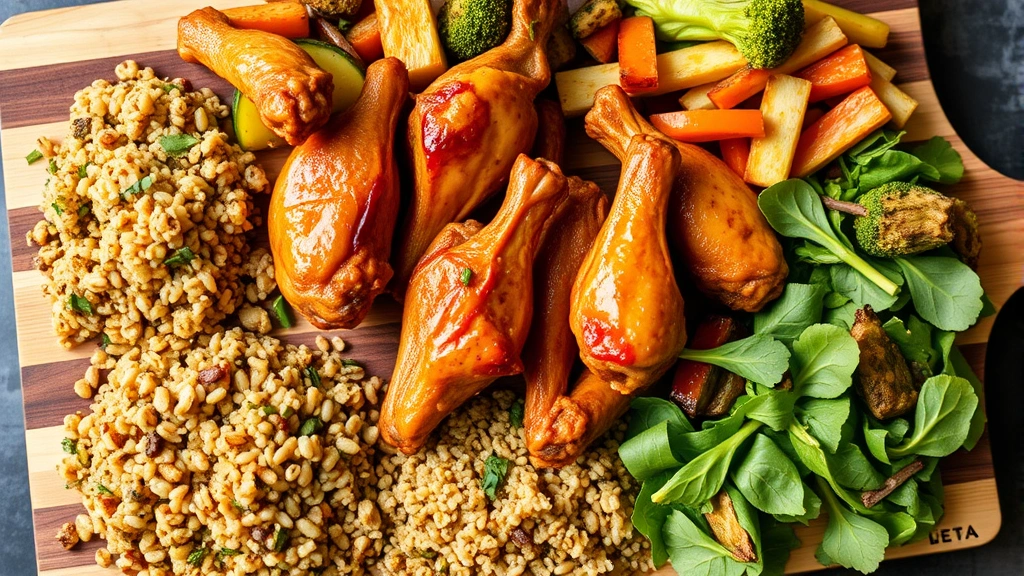
Maximizing the nutritional value of a chicken wing requires strategic meal composition. Pairing wings with non-starchy vegetables—broccoli, cauliflower, Brussels sprouts, or leafy greens—adds fiber, micronutrients, and volume without excessive calories. This combination promotes satiety while balancing macronutrient ratios toward health-supporting patterns.
Including whole grains or legumes alongside wings provides additional fiber, resistant starch, and plant-based micronutrients that complement animal protein. A meal combining six baked wings (42g protein, 594 calories), one cup of roasted vegetables (100 calories), and one-half cup of quinoa (111 calories) totals approximately 805 calories with 15+ grams of fiber—a genuinely balanced composition supporting sustained energy and metabolic health.
Portion awareness proves essential despite wings’ nutritional merit. A “wing night” consuming 12-15 wings (1,200-1,500 calories) can easily exceed daily caloric needs for many individuals, particularly when combined with sides and beverages. Establishing clear portion guidelines—typically 4-6 wings per meal for average adults—prevents overconsumption while maintaining nutritional benefits.
Exploring the Nutrients Pathway Blog reveals additional strategies for incorporating wings into varied meal patterns across different dietary approaches. Whether following Mediterranean, paleo, or standard balanced eating patterns, wings integrate seamlessly when paired thoughtfully with complementary foods.
Preparation timing also matters nutritionally. Preparing wings in batches for the week ahead encourages consistent, controlled consumption compared to spontaneous restaurant visits. Batch-prepared baked wings stored properly maintain quality for 3-4 days, facilitating meal prep efficiency while ensuring freshness and nutritional integrity.
FAQ
How many calories are in one chicken wing?
A single medium-sized chicken wing with skin contains approximately 99 calories. This varies based on size (85-120 calories for medium wings) and cooking method. Fried wings exceed 150 calories, while air-fried versions contain 110-120 calories. Sauce additions contribute 10-30 additional calories per wing depending on type and quantity.
Are chicken wings healthy for weight loss?
Chicken wings can support weight loss when consumed in appropriate portions and prepared with minimal added fat. Six baked wings (594 calories) provide substantial protein and satiety benefits within a controlled calorie budget. The key involves portion control, preparation method selection, and strategic meal pairing with vegetables and whole grains rather than wings themselves being inherently problematic for weight management.
Do chicken wings have more fat than chicken breast?
Yes, chicken wings contain substantially more fat than breast meat. A three-ounce wing serving provides approximately 7 grams of fat compared to 3 grams in equivalent breast portions. However, wing fat includes beneficial monounsaturated fats and fat-soluble vitamins, making the comparison more nuanced than simple fat quantity suggests.
What’s the protein content in chicken wings?
One medium chicken wing contains approximately 7 grams of complete protein. Six wings provide 42 grams—sufficient for post-workout recovery and muscle protein synthesis in most adults. This protein includes all nine essential amino acids in balanced proportions, making wings equivalent to chicken breast in protein quality despite slightly lower total quantity per ounce.
How much sodium is in restaurant chicken wings?
Restaurant chicken wings typically contain 200-300 mg of sodium per wing depending on sauce selection and preparation method. A six-wing serving reaches 1,200-1,800 mg—potentially exceeding half daily recommended intake. Home-prepared wings with minimal added salt contain only 75-100 mg per wing, making preparation location a critical nutritional variable.
Can chicken wings fit into a heart-healthy diet?
Yes, chicken wings can fit into heart-healthy eating patterns when consumed thoughtfully. Their fat profile includes beneficial monounsaturated fats, and portion-controlled consumption alongside vegetables and whole grains supports cardiovascular health. The key involves managing sodium intake, selecting preparation methods minimizing added fat, and avoiding excessive sauce applications.
What’s the best way to prepare chicken wings nutritionally?
Baking wings at 400°F for 40-45 minutes without added fat preserves nutritional value while achieving satisfying texture. Air frying offers a slightly more indulgent alternative requiring minimal oil. Avoid deep frying, which dramatically increases calorie and oxidized fat content. Minimal-salt seasonings (paprika, garlic powder, herbs) enhance flavor without sodium concerns.
How do chicken wings compare to other protein sources?
Chicken wings offer superior affordability and palatability compared to many alternatives while delivering complete protein with meaningful micronutrients. They contain less protein than breast meat but more fat and micronutrients. Compared to fish, wings cost less but lack omega-3 advantages. Versus legumes, wings provide more concentrated protein requiring smaller portions, though plant proteins offer fiber benefits wings lack.