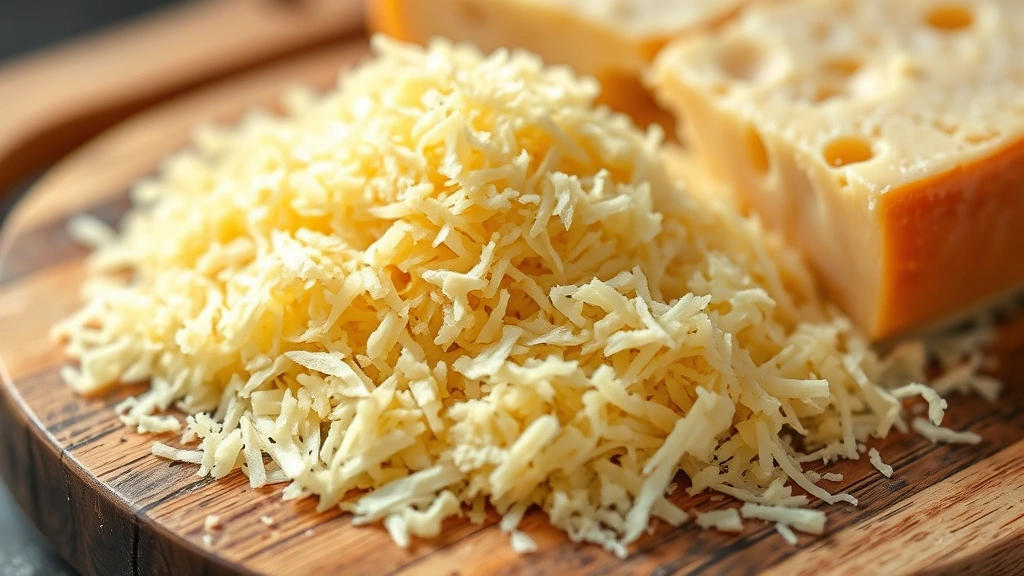
Parmesan Cheese Benefits: Dietitian Insight on Nutrition and Health
Parmesan cheese has earned its place as a beloved ingredient across cuisines, but beyond its distinctive sharp flavor and versatility in the kitchen, this aged Italian cheese offers surprising nutritional benefits worth exploring. As a dietitian-approved food, parmesan delivers concentrated sources of protein, calcium, and essential micronutrients that can support bone health, muscle maintenance, and overall wellness when consumed thoughtfully. Understanding the nutritional profile of parmesan cheese helps consumers make informed decisions about incorporating this ingredient into a healthy nutrition plan.
The aging process that creates parmesan’s distinctive character also transforms its nutritional composition, concentrating beneficial compounds while reducing lactose content compared to fresh cheeses. This makes parmesan a particularly smart choice for those seeking nutrient density in smaller portions. Whether you’re interested in enhancing your nutrition solutions or simply curious about what makes this cheese nutritionally noteworthy, this comprehensive guide examines the science behind parmesan’s health benefits through a dietitian’s lens.
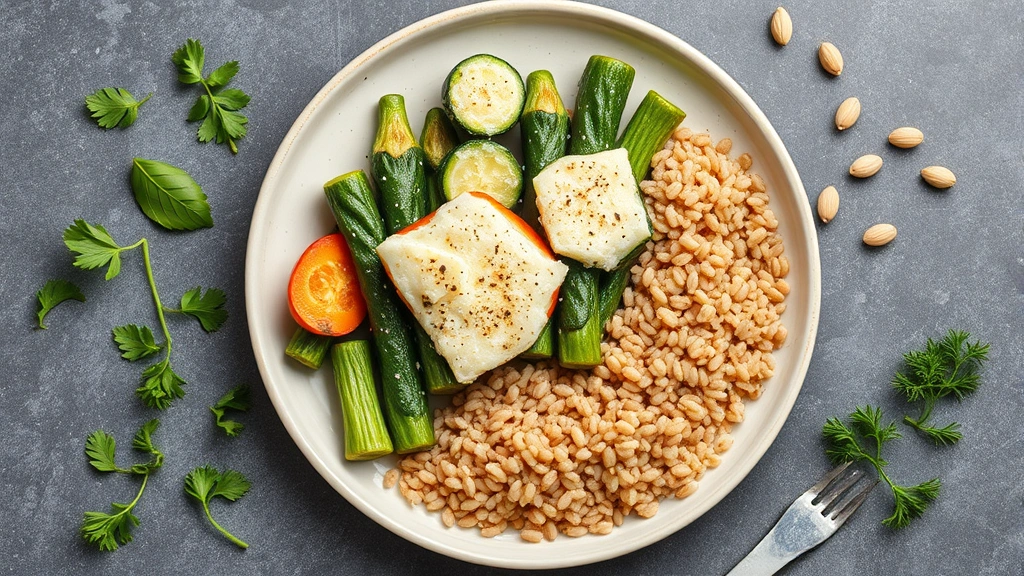
Parmesan Cheese Nutrition Facts Breakdown
One ounce of grated parmesan cheese (approximately 28 grams) contains roughly 110 calories, 10 grams of protein, 7 grams of fat, and 1 gram of carbohydrates, making it an exceptionally nutrient-dense food. The caloric density is significant—parmesan delivers more calories per ounce than many other foods—but this concentration of nutrients means small amounts provide substantial nutritional value. The Nutrients Pathway Blog has explored how aged cheeses compare nutritionally to other protein sources, revealing parmesan’s advantages in bioavailability and nutrient absorption.
The macronutrient profile reflects parmesan’s creation process through long aging, which concentrates milk solids while removing whey. This results in a protein-to-calorie ratio that rivals lean meats and fish. According to USDA Dietary Guidelines, parmesan qualifies as a nutrient-dense food due to its mineral concentration and complete amino acid profile. The fat content includes both saturated and unsaturated fatty acids, with emerging research suggesting that dairy fat consumption may not carry the cardiovascular risks previously believed.
Parmesan also contains sodium, with approximately 450 milligrams per ounce—a consideration for those monitoring salt intake. However, the presence of potassium and magnesium helps balance sodium’s effects. The cheese contains virtually no sugar, making it suitable for low-carbohydrate and ketogenic dietary approaches.
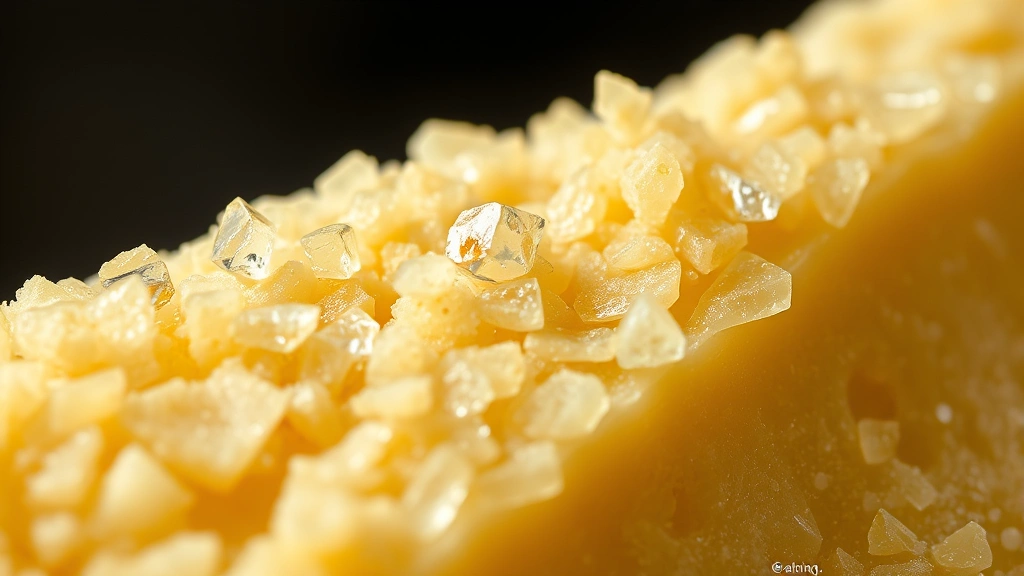
Protein Content and Muscle Health Benefits
Dietitians consistently recommend parmesan as an efficient protein source, particularly for older adults seeking to maintain muscle mass and strength. The 10 grams of complete protein per ounce provides all nine essential amino acids necessary for muscle protein synthesis—the biological process that builds and repairs muscle tissue. This becomes increasingly important as we age, since muscle loss accelerates after age 30 without adequate protein intake and resistance exercise.
Research published by the American College of Sports Medicine indicates that distributed protein intake throughout the day optimizes muscle protein synthesis compared to consuming large amounts at single meals. A tablespoon of parmesan sprinkled on breakfast eggs, lunch salad, and dinner pasta provides strategic protein distribution without excessive calories. For athletes and fitness enthusiasts, parmesan offers a convenient way to increase protein intake while managing overall caloric consumption.
The amino acid composition includes high levels of leucine, an amino acid particularly important for triggering muscle protein synthesis. This makes parmesan especially valuable for post-workout nutrition and recovery protocols. Unlike protein powders or supplements, parmesan delivers protein alongside bioavailable micronutrients that support overall athletic performance and recovery.
Calcium and Bone Strength Support
Perhaps parmesan’s most celebrated nutritional benefit is its exceptional calcium content—one ounce provides approximately 390 milligrams of calcium, representing roughly 30-40% of the daily recommended intake for most adults. This calcium concentration explains why dairy products feature prominently in bone health recommendations across medical and nutritional literature. The bioavailability of calcium from parmesan is particularly high due to the cheese’s structure and the presence of vitamin D in some fortified varieties.
Bone health extends far beyond simple calcium accumulation. The mineral matrix of bone requires calcium, phosphorus, magnesium, and trace minerals working in concert—all present in parmesan. The phosphorus-to-calcium ratio in parmesan supports proper bone mineralization without the imbalance that can occur with some other calcium sources. For postmenopausal women facing elevated osteoporosis risk, incorporating parmesan into a nutrition solution addresses one critical dietary factor among many.
Studies examining dairy consumption and bone density consistently demonstrate positive associations, particularly when dairy intake combines with adequate vitamin D exposure and resistance exercise. The Journal of the Academy of Nutrition and Dietetics has published meta-analyses supporting dairy’s role in bone health across the lifespan. Parmesan’s concentrated form makes it accessible for those with lactose intolerance who can tolerate aged cheeses.
Micronutrients and Lesser-Known Advantages
Beyond the macronutrients and calcium, parmesan delivers an impressive array of micronutrients often overlooked in casual nutritional assessment. Vitamin A, essential for vision and immune function, appears in significant quantities—one ounce provides approximately 240 International Units. B vitamins including B12, riboflavin, and niacin support energy metabolism and nervous system function. Vitamin B12 deserves particular attention for vegetarians and vegans, as parmesan provides this nutrient found primarily in animal products.
The mineral profile includes zinc, selenium, and phosphorus—each playing distinct roles in immune function, thyroid health, and cellular metabolism. Selenium functions as an antioxidant, protecting cells from oxidative stress, while zinc supports immune response and wound healing. These micronutrients work synergistically, and the food matrix of cheese may enhance their absorption compared to isolated supplements.
Parmesan also contains bioactive compounds formed during the aging process, including peptides and amino acids that may offer anti-inflammatory and antimicrobial properties. Research from the National Institutes of Health explores how fermented dairy products contribute to gut health and immune function through these bioactive compounds. The aging process essentially creates a more complex nutritional profile than the original milk.
Lactose Content and Digestibility
A primary advantage of parmesan over fresh cheeses and milk is its minimal lactose content. During cheese production, lactose (milk sugar) is largely removed with the whey, and the aging process further reduces residual lactose through bacterial fermentation. One ounce of parmesan contains less than one gram of lactose compared to eight grams in one cup of milk—a crucial distinction for lactose-intolerant individuals.
This makes parmesan an accessible dairy option for those with lactose sensitivity or lactose malabsorption, allowing them to obtain dairy’s nutritional benefits without gastrointestinal distress. Many people who experience discomfort from milk and soft cheeses tolerate aged parmesan without difficulty. Dietitians frequently recommend parmesan as a bridge food for clients transitioning toward including more dairy sources, or as a permanent solution for those with significant lactose sensitivity.
The digestibility extends beyond lactose considerations. The protein in parmesan has already undergone partial breakdown during aging, creating amino acids and peptides that are easily absorbed by the digestive system. This pre-digestion effect makes parmesan particularly valuable for older adults with reduced digestive capacity and for those recovering from illness or surgery.
Optimal Portion Sizes for Health Benefits
While parmesan offers substantial nutritional benefits, portion control remains important due to its caloric density and sodium content. Dietitian recommendations typically suggest one ounce (28 grams) as a standard serving—roughly the size of a small handful or two tablespoons of grated cheese. This portion provides meaningful nutritional contribution without excessive calories, fitting easily into most dietary approaches.
For those incorporating parmesan into a healthy nutrition plan, strategic placement throughout meals maximizes benefits. Sprinkling parmesan on vegetables increases their appeal and nutritional value, combining parmesan’s micronutrients with the fiber and phytonutrients in produce. Adding parmesan to soups and broths creates savory depth while distributing small amounts across larger servings, reducing overall caloric density.
The concentrated flavor of parmesan means small amounts satisfy taste preferences, allowing for portion control without feeling deprived. This sensory satisfaction distinguishes parmesan from many other nutritious foods—it delivers both health benefits and genuine culinary pleasure, supporting long-term dietary adherence. Research on food satisfaction and satiety suggests that flavorful foods like parmesan promote better eating patterns than bland alternatives.
Parmesan in a Balanced Diet
Integrating parmesan into a balanced diet requires understanding its role within broader nutritional frameworks. As a concentrated source of protein and calcium, parmesan complements rather than replaces other protein sources like fish, poultry, legumes, and nuts. The variety of protein sources ensures consumption of diverse amino acid profiles and complementary micronutrients. Someone building a balanced nutrition profile might include parmesan alongside plant proteins and lean meats.
For vegetarians and vegans seeking dairy-based nutrition, parmesan provides complete protein and bioavailable minerals that plant sources alone cannot match. Combined with whole grains, legumes, and vegetables, parmesan-enhanced meals deliver nutritional completeness while maintaining alignment with ethical dietary choices.
The sodium consideration becomes relevant primarily for those with hypertension or salt-sensitive conditions. For the general population consuming parmesan in typical amounts—one to two ounces daily—sodium contribution remains modest relative to total daily intake. Those with sodium restrictions should monitor total intake but need not eliminate parmesan entirely.
Parmesan pairs particularly well with vegetables, whole grains, and legumes—foods that provide fiber, phytonutrients, and additional micronutrients. A salad topped with vegetables, whole grains, legumes, and parmesan creates a nutritionally complete meal where each component contributes distinct benefits. This synergistic approach to meal composition maximizes health outcomes beyond what individual foods provide in isolation.
The environmental and sustainability aspects of parmesan deserve consideration for conscious consumers. Authentic Parmigiano-Reggiano production follows strict standards in specific Italian regions, supporting traditional dairy farming practices and geographical communities. Choosing authentic parmesan over mass-produced alternatives aligns nutritional benefits with ethical consumption and environmental stewardship.
FAQ
How much parmesan cheese should I eat daily for health benefits?
Most dietitians recommend one ounce (28 grams) daily as an optimal amount providing substantial nutritional benefits without excessive calories or sodium. This amount delivers approximately 30% of daily calcium needs, 10 grams of protein, and important micronutrients. Some individuals might incorporate slightly more during particularly active days or when parmesan replaces other protein sources, while others with sodium restrictions might limit intake to smaller amounts several times weekly.
Is parmesan cheese suitable for lactose-intolerant individuals?
Yes, parmesan is generally well-tolerated by lactose-intolerant individuals due to its minimal lactose content (less than one gram per ounce). The aging process removes most lactose, and many people who experience discomfort from milk tolerate parmesan without difficulty. Those with severe lactose intolerance should start with small amounts to assess individual tolerance, as sensitivity varies.
Does parmesan cheese support weight loss or weight management?
Parmesan can support weight management through its high protein content and satiety-promoting properties. The protein triggers fullness signals and preserves muscle mass during caloric restriction. However, the caloric density (110 calories per ounce) requires portion awareness. Using parmesan strategically—adding flavor and nutrition to vegetables and whole grains—maximizes benefits for weight management goals.
Can parmesan cheese replace other calcium sources?
While parmesan provides exceptional bioavailable calcium, relying exclusively on parmesan for calcium needs would require excessive consumption. A balanced approach incorporates parmesan alongside other calcium sources including yogurt, milk, leafy greens, fortified plant-based beverages, and other dairy products. This dietary diversity ensures adequate calcium while providing varied micronutrients and avoiding excessive intake of any single food.
What makes aged parmesan nutritionally superior to fresh cheese?
The aging process concentrates nutrients by removing whey while reducing lactose through bacterial fermentation. This creates higher concentrations of protein, calcium, and minerals per ounce compared to fresh cheeses. Additionally, aging creates bioactive peptides and amino acids with potential anti-inflammatory properties. The extended fermentation period essentially pre-digests some protein, enhancing absorption and digestibility.
Is parmesan cheese safe for people with high blood pressure?
Parmesan’s sodium content (approximately 450 milligrams per ounce) requires consideration for those with hypertension or following sodium-restricted diets. However, one ounce daily represents a manageable sodium contribution for most people with blood pressure concerns, particularly when balanced with potassium-rich foods and overall dietary sodium reduction. Those with severe sodium restrictions should consult their healthcare provider about appropriate parmesan portions.


