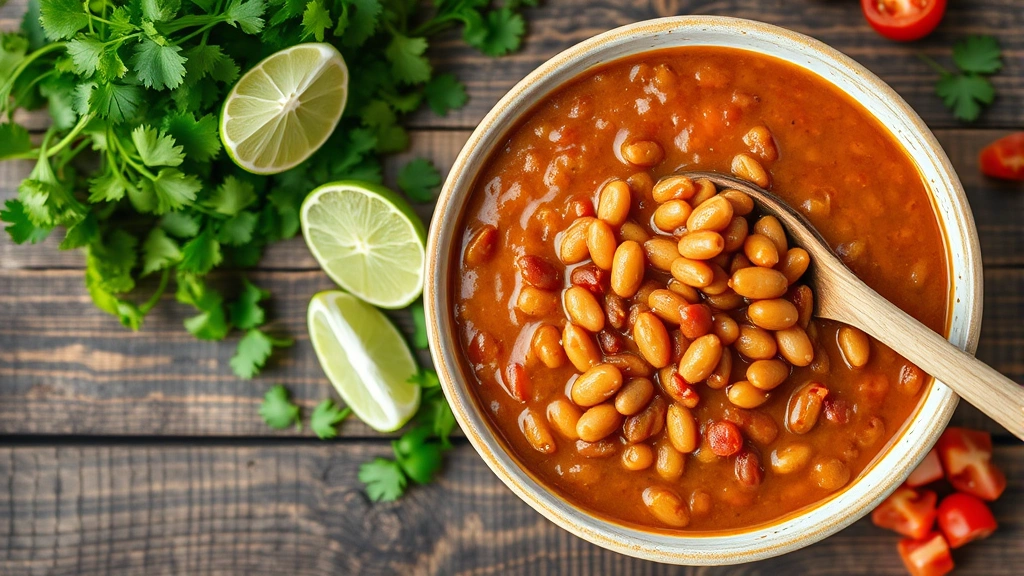
Are Refried Beans Healthy? Nutritionist Explains
Refried beans have long been a staple in Latin American cuisine and a popular side dish in Mexican restaurants across North America. Yet despite their widespread consumption, many people wonder whether this comfort food fits into a balanced, healthy diet. The answer isn’t as straightforward as a simple yes or no—it depends on preparation methods, portion sizes, and how refried beans fit into your overall nutritional plan.
From a nutritionist’s perspective, refried beans offer genuine nutritional benefits that shouldn’t be dismissed. They’re rich in plant-based protein, dietary fiber, and essential minerals. However, traditional preparation methods often involve significant amounts of lard, salt, and fat, which can transform this humble legume into a calorie-dense side dish. Understanding both the nutritional advantages and potential drawbacks is essential for making informed dietary choices.
This comprehensive guide explores the nutritional profile of refried beans, examines how they fit into various dietary patterns, and provides practical strategies for enjoying them while maintaining your health goals.
Nutritional Profile of Refried Beans
A standard serving of refried beans (typically one-half cup or about 120 grams) contains approximately 120-150 calories, depending on preparation and brand. This serving provides roughly 5-7 grams of protein, 6-8 grams of dietary fiber, and 3-5 grams of fat. The carbohydrate content ranges from 15-20 grams per serving.
Beyond these macronutrients, refried beans deliver significant micronutrient density. They’re excellent sources of iron, manganese, folate, and magnesium—minerals that play crucial roles in energy metabolism, bone health, and nervous system function. A single serving can provide 15-25% of your daily iron needs, making refried beans particularly valuable for vegetarians and vegans seeking plant-based iron sources.
The sodium content is where preparation method becomes critically important. Traditional restaurant-style refried beans may contain 400-600 mg of sodium per serving, while homemade versions can be made with minimal added salt. Canned varieties without added salt contain roughly 100-200 mg per serving, whereas salted versions can exceed 600 mg.
Refried beans also contain resistant starch, a type of carbohydrate that functions similarly to dietary fiber. This compound supports healthy gut bacteria, may improve insulin sensitivity, and contributes to satiety—the feeling of fullness after eating. Research published in nutrition journals indicates that resistant starch can have positive effects on metabolic health and blood sugar regulation.
Health Benefits You Should Know
Plant-Based Protein Source: For individuals following vegetarian, vegan, or flexitarian diets, refried beans provide complete or complementary proteins when combined with grains like rice or tortillas. This makes them an economical and accessible protein option compared to animal products.
As part of a comprehensive nutrition solutions approach, beans can help meet daily protein requirements while providing additional nutritional benefits that meat-based proteins don’t offer.
Exceptional Fiber Content: The dietary fiber in refried beans supports digestive health by promoting regular bowel movements, feeding beneficial gut bacteria, and helping maintain healthy cholesterol levels. Studies from the American Heart Association emphasize that legumes like beans are among the most effective foods for cholesterol management.
Blood Sugar Regulation: The combination of fiber, protein, and resistant starch in refried beans creates a low glycemic index food. This means they cause a gradual, steady rise in blood sugar rather than sharp spikes. For individuals with diabetes or those seeking to prevent type 2 diabetes, this property is particularly valuable.
Heart Health Support: Research indicates that regular legume consumption is associated with improved cardiovascular outcomes. The potassium content in beans helps regulate blood pressure, while the fiber supports healthy cholesterol profiles. According to Harvard School of Public Health, consuming beans three or more times weekly may reduce heart disease risk by up to 22%.
Weight Management: The protein and fiber combination promotes satiety, potentially reducing overall calorie intake throughout the day. When incorporated into meals mindfully, refried beans can support weight loss or maintenance goals by keeping you feeling fuller longer.
Cost-Effective Nutrition: Refried beans represent one of the most affordable nutrient-dense foods available. This accessibility is particularly important for food security and ensuring nutritious eating is achievable across all socioeconomic backgrounds.
Potential Health Concerns
Sodium Content: The primary concern with commercial refried beans is excessive sodium. Many restaurant and canned varieties contain 40-50% of the daily recommended sodium intake in a single serving. High sodium consumption is linked to elevated blood pressure, increased cardiovascular disease risk, and kidney stress. Individuals with hypertension, heart disease, or kidney conditions should be particularly cautious about sodium intake.
Added Fats and Calories: Traditional preparation methods use lard or bacon fat for flavoring, significantly increasing saturated fat and calorie content. Some restaurant servings can contain 8-12 grams of fat per half-cup serving, with much of it being saturated fat. For individuals managing weight or cardiovascular health, this fat content is a legitimate concern.
Digestive Considerations: Beans contain oligosaccharides—complex carbohydrates that some people find difficult to digest. These compounds can cause bloating, gas, and intestinal discomfort in sensitive individuals. This is not a health danger but rather an uncomfortable side effect worth acknowledging.
Lectins and Phytic Acid: Raw beans contain lectins and phytic acid, compounds that can interfere with nutrient absorption and cause digestive upset. However, the cooking and refrication process significantly reduces these compounds, making commercially prepared refried beans safe for consumption.
Potential Allergens: While beans themselves aren’t common allergens, cross-contamination during processing is possible. Additionally, some commercial varieties may contain additives or preservatives that trigger sensitivities in susceptible individuals.
How Preparation Methods Matter
The healthfulness of refried beans depends enormously on how they’re prepared. Understanding these differences empowers you to make choices aligned with your health objectives and meal planning strategies.
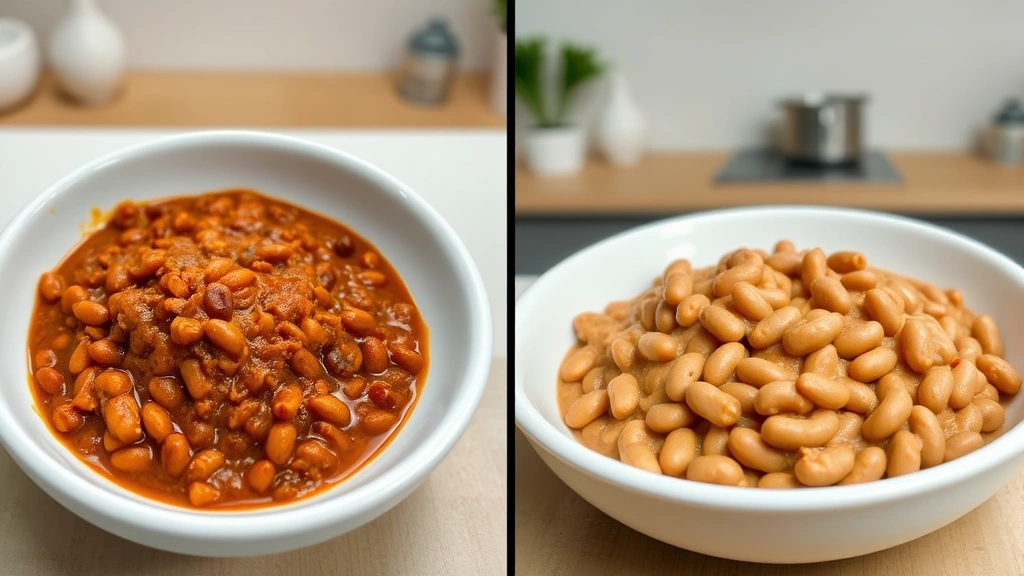
Restaurant Preparation: Most restaurants prepare refried beans by cooking dried beans until soft, then mashing them while frying in generous amounts of lard or bacon fat. This method creates the rich flavor and creamy texture diners enjoy but significantly increases calorie and saturated fat content. A restaurant serving often contains 200-300 calories and 12-15 grams of fat.
Canned Varieties: Canned refried beans vary dramatically in sodium and fat content. Traditional canned versions typically contain 400-600 mg sodium per half-cup serving. However, manufacturers now offer low-sodium versions (100-200 mg per serving) and fat-free varieties that use gums and thickeners instead of lard. These modified versions retain most nutritional benefits while reducing sodium and fat concerns.
Homemade Preparation: Making refried beans from scratch provides complete control over ingredients and cooking methods. You can use minimal oil, control sodium precisely, and avoid additives entirely. The basic process involves cooking dried beans until tender, then mashing them with a small amount of olive oil, garlic, and spices. This approach typically yields 120-150 calorie servings with 2-3 grams of fat and minimal sodium.
Oil Choice Matters: When making or selecting refried beans, the type of fat used affects nutritional quality. Olive oil provides heart-healthy monounsaturated fats and polyphenol antioxidants, while lard and bacon fat contribute primarily saturated fat. For health optimization, seeking versions prepared with olive oil or vegetable oil is preferable to traditional lard-based preparations.
Comparing Varieties and Brands
The refried beans market offers numerous options with vastly different nutritional profiles. Reading labels carefully is essential for making informed choices.
Traditional Refried Beans (Lard-Based): Per half-cup serving: 150-180 calories, 10-12g fat (5-7g saturated), 450-600mg sodium, 5-6g protein, 6-7g fiber. These are typically restaurant-style or traditional canned varieties.
Low-Fat Refried Beans: Per half-cup serving: 90-120 calories, 2-3g fat (0-1g saturated), 400-550mg sodium, 5-6g protein, 6-7g fiber. These use reduced oil and often gums for texture.
Low-Sodium Refried Beans: Per half-cup serving: 100-140 calories, 2-4g fat (0-2g saturated), 80-200mg sodium, 5-6g protein, 6-7g fiber. These are increasingly available and ideal for sodium-conscious consumers.
Organic and Non-GMO Varieties: These options typically align with low-sodium or low-fat versions, offering additional assurance regarding pesticide residues and genetic modification status. Price is usually higher, but some consumers prioritize these factors.
Black Beans vs. Pinto Beans: While traditionally pinto beans are refried, black bean versions are increasingly available. Black beans contain slightly higher anthocyanin antioxidants but are nutritionally similar. The choice is largely personal preference.
Incorporating Into Your Diet
The key to enjoying refried beans healthfully is thoughtful incorporation into balanced meals and appropriate portion control.
Portion Guidance: A healthy serving of refried beans is one-half to three-quarters cup, not larger portions. This amount provides substantial protein and fiber without excessive calories. Pairing this portion with vegetables, whole grains, and lean proteins creates balanced meals.
Meal Combinations: Refried beans work excellently in combination with brown rice, creating complete protein meals. They’re also wonderful in vegetable tacos with fresh salsa, lettuce, and tomato. Adding beans to soups, grain bowls, or salads increases nutritional density while maintaining calorie control.
For athletes and active individuals, incorporating refried beans into nutrition for athletic performance can support muscle recovery through protein and carbohydrate content.
Frequency Recommendations: Including beans or legumes 3-4 times weekly aligns with most nutritional guidelines and research recommendations. This frequency provides substantial health benefits without monotony. Rotating between refried beans, whole beans, lentils, and chickpeas ensures dietary variety and complete nutrient profiles.
Sodium Management: If choosing higher-sodium varieties, balance by reducing sodium elsewhere in your meal. Skip added salt in other components, avoid processed foods, and ensure other meals that day are lower in sodium. Alternatively, rinse canned beans under running water to reduce sodium content by approximately 40%.
Healthier Alternatives and Modifications
Homemade Refried Beans Recipe: Cook one pound dried pinto beans with water and minimal salt until tender (approximately 2-3 hours). Drain and reserve cooking liquid. In a large pan, heat 2 tablespoons olive oil over medium heat. Add minced garlic, cumin, and chili powder. Add cooked beans and mash while adding reserved cooking liquid gradually until reaching desired consistency. Season with salt and fresh cilantro to taste. This yields approximately 8 servings of 120-140 calorie portions with 2-3g fat and minimal sodium.
Blended Bean Preparations: Partially blending refried beans creates smoother texture with less mashing, often reducing the need for added fat. This technique works particularly well when making bean-based dips or spreads.
Whole Bean Alternatives: Instead of refried beans, consider using whole cooked beans mashed minimally or left whole. This provides superior fiber texture and can reduce added fat requirements. Simply seasoned whole beans offer nutritional benefits with minimal processing.
Bean and Vegetable Combinations: Mixing refried beans with finely chopped vegetables like zucchini, carrots, or spinach increases volume and nutritional density while reducing calorie concentration. This stretches portions while maintaining satiety.
Nutrient Absorption Enhancement: Pair refried beans with vitamin C sources (tomatoes, peppers, citrus) to enhance iron absorption. This is particularly important for vegetarians and vegans relying on plant-based iron sources. Learn more about improving nutrient absorption through strategic food combinations.

Frequently Asked Questions
Are refried beans good for weight loss?
Refried beans can support weight loss when incorporated thoughtfully. Their protein and fiber content promotes satiety, potentially reducing overall calorie intake. However, portion control and preparation method are crucial. Low-fat, low-sodium varieties in appropriate portions (one-half to three-quarters cup) work better for weight loss than traditional high-fat versions. Combining refried beans with vegetables and whole grains creates nutrient-dense, satisfying meals that support sustainable weight management.
Can people with diabetes eat refried beans?
Yes, refried beans are generally suitable for people with diabetes due to their low glycemic index and high fiber content. The combination of protein, fiber, and resistant starch creates a gradual blood sugar response rather than sharp spikes. However, individuals should monitor portions and choose low-sodium varieties. Testing personal blood sugar response to specific brands or preparation methods is advisable, as individual responses vary. Consulting with a dietitian for personalized guidance is recommended.
Do refried beans cause bloating?
Some people experience bloating from beans due to oligosaccharides and fiber content. Starting with small portions, ensuring adequate hydration, and eating slowly can minimize discomfort. Gradually increasing bean consumption allows the digestive system to adapt. Additionally, rinsing canned beans and cooking dried beans with a piece of kombu (seaweed) may reduce gas-producing compounds. For sensitive individuals, enzyme supplements designed for bean digestion are available.
What’s the difference between refried beans and whole beans?
Refried beans are cooked beans that have been mashed, typically with added fat, while whole beans remain intact. Refried beans have smoother texture, faster preparation, and better absorption of seasonings. Whole beans provide superior fiber texture and typically require less added fat. Nutritionally, both offer similar protein and fiber, though whole beans may have slightly higher resistant starch content. Choice depends on preference and recipe requirements.
Are canned refried beans as healthy as homemade?
Quality canned refried beans can be nearly as healthy as homemade versions, particularly low-sodium, low-fat varieties. The main differences are sodium content and fat type. Homemade versions offer complete control over ingredients and preparation methods, which is advantageous for sodium-sensitive individuals or those with specific dietary requirements. However, high-quality canned options provide convenience without sacrificing substantial nutritional benefits, making them practical for busy individuals.
How should refried beans be stored?
Unopened canned refried beans remain shelf-stable for 3-5 years in cool, dry conditions. Once opened, transfer to airtight containers and refrigerate for 3-5 days. Homemade refried beans keep refrigerated for 4-5 days and freeze well for up to 3 months. Freeze in portion-sized containers for convenient future use. Thaw overnight in the refrigerator or heat directly from frozen, adding water to reach desired consistency.
Can refried beans be part of a low-carb diet?
Refried beans contain moderate carbohydrates (15-20g per serving), making them challenging for strict low-carb diets like keto. However, for moderate carbohydrate approaches, small portions can fit within daily carbohydrate allowances. The fiber content reduces net carbs substantially, and the protein and fat content support satiety. For low-carb dieters, pairing small refried bean portions with non-starchy vegetables and healthy fats optimizes nutritional balance.
Are refried beans safe for people with kidney disease?
Individuals with kidney disease should consult healthcare providers before consuming refried beans, as potassium and phosphorus content may require monitoring depending on disease stage. Sodium content is particularly concerning for many kidney disease patients. Low-sodium varieties are preferable if approved by medical teams. Portion control is essential, and regular monitoring of electrolyte levels through bloodwork guides individual recommendations.


