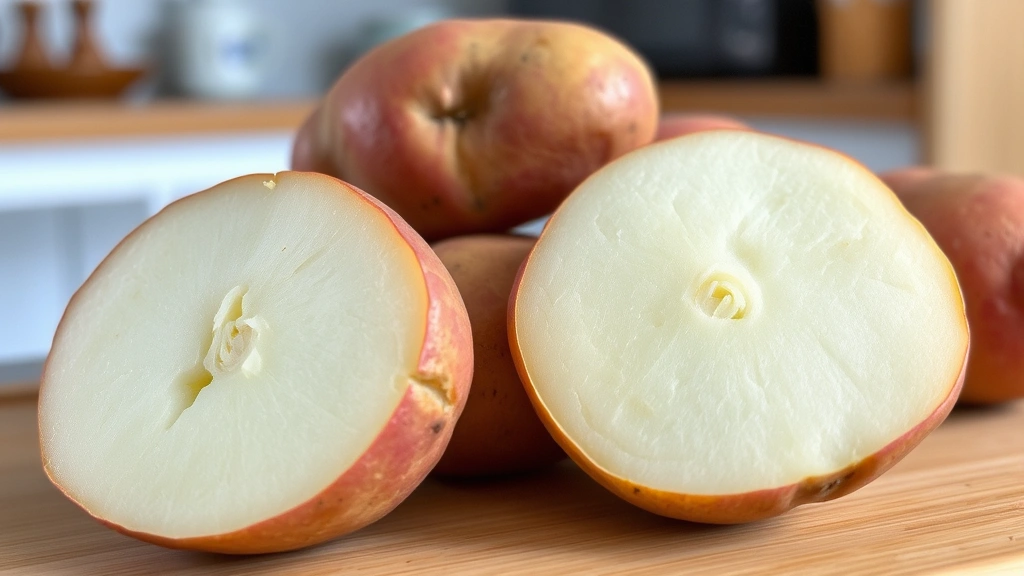
Russet Potato Nutrition Facts: Dietitian Insights
Russet potatoes are one of the most consumed potato varieties in North America, yet many people underestimate their nutritional value. Often dismissed as a simple carbohydrate source, russets actually contain a impressive array of vitamins, minerals, and beneficial compounds that make them a legitimate addition to a balanced diet. When prepared thoughtfully—without excessive butter, sour cream, or deep frying—russet potatoes can support your health goals and provide sustained energy throughout the day.
As a registered dietitian nutritionist, I’ve observed firsthand how russet potatoes get unfairly maligned in nutrition discussions. The truth is more nuanced: the nutritional profile depends heavily on preparation method, portion size, and what accompanies the potato on your plate. This comprehensive guide explores the science-backed nutrition facts of russet potatoes and provides practical insights for incorporating them into your healthy nutrition plan.

Russet Potato Nutritional Breakdown
A medium-sized russet potato (approximately 173 grams with skin) contains roughly 103 calories, making it a relatively modest calorie contributor to meals. The macronutrient distribution reveals 23 grams of carbohydrates, 2.7 grams of protein, and virtually no fat—a profile that makes russets naturally low in calories and lipids. However, these baseline numbers tell only part of the story. The quality of these macronutrients, their effects on satiety, and their micronutrient accompaniments deserve closer examination.
The starch composition in russet potatoes is particularly noteworthy. Unlike refined carbohydrates found in white bread or sugary foods, potato starch is a complex carbohydrate that requires more digestive effort to break down. This characteristic influences blood sugar response differently depending on cooking and cooling methods. Understanding this distinction is crucial for anyone following nutrition solutions designed for metabolic health or diabetes management.
Potassium content in russets is substantial—a medium potato provides approximately 620 milligrams, which represents about 18% of the daily adequate intake for adults. This mineral plays critical roles in blood pressure regulation, muscle contraction, and electrolyte balance. For individuals seeking to increase potassium intake through whole foods rather than supplements, russet potatoes represent an economical and accessible option.
Carbohydrates and Glycemic Impact
The glycemic index (GI) of russet potatoes has been a subject of considerable nutrition research. Russets rank relatively high on the glycemic index scale, typically between 56-111 depending on preparation method and ripeness. This elevated GI score means russets cause a more rapid blood sugar elevation compared to legumes or non-starchy vegetables. However, the glycemic load (GL)—which accounts for portion size—remains moderate when consuming a standard serving.
According to peer-reviewed nutrition research, the glycemic response to potatoes can be significantly modified through several factors. Cooling cooked potatoes increases resistant starch content, which lowers the glycemic impact. Adding acidic components like vinegar or lemon juice has been shown to reduce blood sugar spikes by up to 30% in some studies. Consuming potatoes alongside protein, fat, or fiber sources also moderates the glycemic response substantially.
For individuals with type 2 diabetes or prediabetes, russet potatoes needn’t be eliminated entirely. Rather, they should be consumed in measured portions (typically one-half to one medium potato per meal) alongside protein and non-starchy vegetables. This approach allows for dietary variety while maintaining blood sugar stability. The key is viewing russets as a carbohydrate component rather than the foundation of a meal.
Vitamins and Minerals in Russets
Russet potatoes contain an impressive array of micronutrients, particularly when the nutrient-dense skin is retained. Vitamin B6 is present at meaningful levels—approximately 0.3 milligrams per medium potato, supporting cognitive function and neurotransmitter synthesis. Folate, another B vitamin, appears at about 19 micrograms per potato, contributing to cellular division and DNA synthesis.
The mineral profile extends beyond potassium. Manganese content reaches approximately 0.19 milligrams per medium potato, supporting bone health and antioxidant enzyme function. Phosphorus, essential for bone mineralization and energy metabolism, provides about 95 milligrams per potato. Magnesium, a mineral involved in over 300 enzymatic reactions, appears at roughly 28 milligrams per medium serving.
Copper, often overlooked in nutrition discussions, appears in russet potatoes at meaningful concentrations. This trace mineral facilitates iron absorption, supports collagen synthesis, and contributes to immune function. For vegetarians and vegans who may struggle to obtain adequate copper through plant-based sources, potatoes represent a valuable dietary contributor.
Antioxidant compounds in russets deserve mention as well. The skin contains flavonoids and phenolic acids with anti-inflammatory properties. Research published in the Journal of Food Composition and Analysis demonstrates that colored potato varieties contain higher antioxidant levels, though russets still contribute meaningfully to antioxidant intake.
Fiber Content and Digestive Health
A common misconception holds that russet potatoes contain negligible fiber. In reality, a medium russet with skin provides approximately 2.1 grams of dietary fiber—a meaningful contribution that supports digestive health. This fiber content becomes even more significant when russets are incorporated into meals alongside other fiber-rich foods like legumes, whole grains, and vegetables.
The type of fiber in potatoes is particularly valuable. Resistant starch, which develops when potatoes are cooked and then cooled, functions similarly to soluble fiber in supporting beneficial gut bacteria growth. This prebiotic effect enhances the production of short-chain fatty acids, which nourish intestinal cells and support overall digestive health. Improving nutrient absorption through gut health optimization makes fiber-containing foods like russets strategically important in any comprehensive nutrition plan.
For individuals managing digestive conditions, the fiber content and digestibility of russets can be advantageous. Unlike high-fiber foods that may cause bloating or gas, potato fiber is generally well-tolerated due to its composition. This makes russets an excellent choice for individuals recovering from gastrointestinal illness or managing conditions like IBS, provided preparation methods remain gentle.
Resistant Starch Benefits
Resistant starch represents one of the most compelling nutritional features of cooled russet potatoes. When potatoes are cooked and then cooled to room temperature or refrigerated, a portion of the digestible starch converts to resistant starch—a compound that behaves more like fiber than traditional starch. This transformation can increase resistant starch content from approximately 1% to 7% or higher depending on cooling duration.
Research from nutritional science institutions demonstrates that resistant starch consumption is associated with improved insulin sensitivity, enhanced satiety, and increased fat oxidation. A study published in the Nutrition Reviews journal found that regular resistant starch consumption was linked to improved metabolic markers and reduced visceral adiposity in overweight individuals.
The prebiotic properties of resistant starch deserve particular attention. By selectively feeding beneficial bacteria like Faecalibacterium prausnitzii and Roseburia species, resistant starch promotes a healthier gut microbiome composition. This enhanced microbial diversity has downstream effects on immune function, inflammation reduction, and mental health through the gut-brain axis. For this reason, incorporating cooled potato dishes into your tips for meal planning can provide benefits extending far beyond basic nutrition.
Preparation Methods Matter
The nutritional impact of russet potatoes changes dramatically based on preparation technique. A baked russet with skin, consumed plain or with modest additions like Greek yogurt, represents a nutrient-dense, moderate-calorie option. The same potato deep-fried as french fries transforms into a high-calorie, high-fat food with dramatically reduced micronutrient density relative to calorie content.
Boiling russet potatoes in salted water represents another preparation option, yielding a product with similar nutritional characteristics to baking, though with slightly higher water content and softer texture. Steaming preserves micronutrients effectively while maintaining digestibility. Microwaving in the skin is efficient and preserves most heat-sensitive vitamins like B vitamins and vitamin C.
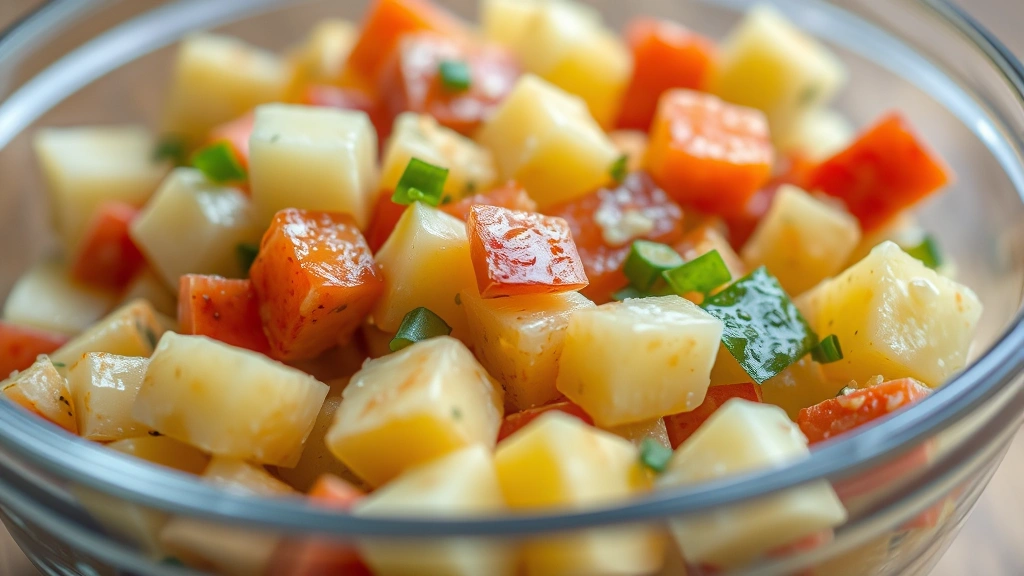
The most innovative preparation method from a nutritional standpoint involves cooking potatoes, cooling them completely, then reheating if desired. This process maximizes resistant starch formation without sacrificing palatability. Potato salads made with vinegar-based dressings and cooled thoroughly represent an excellent preparation that combines resistant starch benefits with the glycemic-moderating effects of vinegar.
Avoid preparations involving excessive added fats, sodium, or processed additions. While a baked potato topped with cheese and bacon contains nutritious components, the caloric density and sodium content may exceed optimal levels for many individuals. Moderation and mindful topping selections preserve the nutritional advantages of the potato itself.
Comparison with Other Potato Varieties
Russet potatoes occupy a middle ground nutritionally compared to other potato varieties. Red potatoes contain slightly higher antioxidant levels and retain their shape better during cooking, making them ideal for potato salads. Fingerling potatoes offer a lower glycemic response and slightly higher nutrient density by weight, though russets remain more economical and accessible for most consumers.
Sweet potatoes, often positioned as the “healthier” alternative, contain higher vitamin A content and a lower glycemic index. However, they cost significantly more and contain fewer of certain minerals like potassium. Rather than viewing russets and sweet potatoes as competitors, incorporating both into a varied diet provides complementary nutritional benefits.
Purple and blue potato varieties contain anthocyanins and other polyphenols with potent antioxidant properties. These specialty varieties are increasingly available in farmers markets and specialty grocery stores, offering enhanced anti-inflammatory benefits. However, their higher cost and lower yield per plant make them less practical for regular dietary inclusion for budget-conscious consumers.
From a practical standpoint, russet potatoes represent an excellent value proposition. Their affordability, year-round availability, long storage life, and versatility make them a cornerstone of sustainable, accessible nutrition. The comparison isn’t whether russets are “better” than other varieties, but rather how to optimize their nutritional benefit through intelligent preparation and combination with complementary foods.
Integration into Meal Plans
Incorporating russet potatoes into balanced meals requires strategic thinking about macronutrient composition. A plate balanced with one-half to one medium baked russet, a palm-sized serving of protein (fish, poultry, legumes, or tofu), and two cups of non-starchy vegetables creates a nutritionally complete meal. This combination provides sustained energy, satiety, and micronutrient density while maintaining appropriate caloric intake for most adults.
For individuals following nutrition and mental health optimization protocols, russet potatoes offer particular advantages. The B vitamins and minerals they contain support neurotransmitter synthesis and cognitive function. The resistant starch in cooled potatoes supports gut health, which increasingly appears connected to mental health outcomes through microbiome-mediated mechanisms.
Athletes and individuals engaged in intense training benefit from russet potatoes’ carbohydrate content. A medium russet provides approximately 23 grams of carbohydrates—an appropriate amount to support glycogen replenishment post-workout when combined with protein. The potassium content also supports electrolyte balance and muscle function recovery.
For weight management, portion control and preparation method remain paramount. A single medium russet potato is not inherently fattening; rather, the toppings and preparation style determine caloric impact. Individuals seeking weight loss can absolutely include russets by treating them as the carbohydrate component of balanced meals rather than the foundation, and by selecting preparation methods that minimize added fats.
Visit our Nutrients Pathway Blog for additional articles exploring how to build personalized nutrition strategies that incorporate whole foods like potatoes effectively.
FAQ
Are russet potatoes suitable for diabetic diets?
Russet potatoes can be incorporated into diabetic meal plans when consumed in appropriate portions (typically one-half medium potato per meal) and combined with protein, fat, and fiber sources. Cooling cooked potatoes before consumption increases resistant starch, which moderates blood sugar response. Monitoring individual blood glucose response and consulting with a registered dietitian ensures optimal personalization.
How much potassium do russet potatoes contain?
A medium russet potato with skin provides approximately 620 milligrams of potassium, representing about 18% of the daily adequate intake for adults. This substantial potassium content makes russets valuable for individuals seeking to increase mineral intake through whole foods, particularly those managing blood pressure through dietary means.
Does cooking method affect russet potato nutrition?
Cooking method significantly impacts nutritional value. Baking and steaming preserve micronutrients effectively, while frying increases caloric density and fat content substantially. Cooling cooked potatoes increases resistant starch formation, enhancing prebiotic benefits. Boiling may leach some water-soluble vitamins, though leaving the skin intact preserves most nutrients.
Are russet potato skins nutritious?
Yes, russet potato skins contain substantial fiber, antioxidants, and minerals. The skin provides approximately one-third of the total fiber content in a medium potato, making it nutritionally valuable. Thoroughly washing potatoes before cooking removes surface dirt while preserving the nutrient-dense skin.
How do russet potatoes compare nutritionally to sweet potatoes?
Sweet potatoes contain higher vitamin A content and lower glycemic index values, while russet potatoes provide more potassium and cost significantly less. Rather than choosing one over the other, incorporating both varieties into a diverse diet provides complementary nutritional benefits. The choice often depends on budget, availability, and individual health goals.


