Are Saltines Healthy? Dietitian Insights on Saltines Nutritional Value
Saltines have occupied kitchen pantries and medicine cabinets for generations, earning a reputation as the go-to cracker for upset stomachs and quick snacks. Yet despite their ubiquity, many people remain uncertain about whether saltines deserve a place in a health-conscious diet. The answer, like most nutritional questions, is nuanced and depends on context, portion size, and individual dietary goals.
As a widely consumed processed food, saltines warrant examination through a dietitian’s lens. Understanding their saltines nutritional value requires looking beyond the surface-level ingredients to consider how they fit within broader eating patterns. This guide explores what makes saltines tick nutritionally, examines their potential benefits and drawbacks, and offers practical insights for incorporating them thoughtfully into your diet.
Nutritional Breakdown of Saltines
A standard serving of saltines—typically five crackers or about 15 grams—contains approximately 60 calories, making them a relatively modest caloric contribution to your daily intake. The macronutrient profile breaks down as follows: roughly 11 grams of carbohydrates, 1 gram of protein, and less than 1 gram of fat per serving. This composition reflects saltines’ primary ingredient: enriched wheat flour.
The enrichment process adds back certain B vitamins (thiamine, riboflavin, niacin) and iron that are lost during grain processing. While this fortification improves the nutritional profile compared to non-enriched alternatives, it doesn’t transform saltines into a nutritional powerhouse. The added nutrients are synthetic replacements rather than the full spectrum of micronutrients found in whole grains.
Examining the ingredient list reveals simplicity: wheat flour, water, vegetable oil, salt, and sometimes a leavening agent like yeast or baking soda. The straightforward ingredient roster means you’re unlikely to encounter artificial additives, which some people appreciate. However, this simplicity also means saltines lack the fiber, phytonutrients, and diverse mineral content of whole-grain alternatives. For context on how this fits into broader nutrition strategy, exploring a healthy nutrition plan can illuminate where crackers fit.
Sodium Content and Health Implications
Perhaps the most notable aspect of saltines is their sodium concentration. Five crackers contain roughly 180-200 milligrams of sodium—approximately 8-9% of the recommended daily limit of 2,300 milligrams established by major health organizations. While a single serving seems modest, the real concern emerges with typical consumption patterns.
Most people don’t stop at five crackers. A more realistic serving might be 15-20 crackers, bringing sodium intake to 540-720 milligrams in one sitting. When combined with other processed foods throughout the day—canned soups, deli meats, cheese, salad dressings—sodium accumulation becomes problematic. Elevated sodium intake correlates with increased blood pressure, cardiovascular strain, and kidney stress, particularly in sodium-sensitive populations.
The CDC reports that approximately 90% of American adults exceed recommended sodium limits, contributing to preventable cardiovascular disease. For individuals managing hypertension or other sodium-sensitive conditions, saltines pose a genuine dietary concern. However, for generally healthy adults without sodium restrictions, occasional moderate consumption poses minimal risk.
Some manufacturers offer low-sodium versions containing 50-80 milligrams per serving, presenting a viable option for those seeking to minimize sodium intake while maintaining the familiar saltine experience.
Fiber and Digestive Health
One of saltines’ most significant nutritional shortcomings is their virtually nonexistent fiber content. Standard saltines provide less than 1 gram of fiber per serving, despite carbohydrates comprising their primary macronutrient. This reflects their production from refined flour rather than whole grains, where the fiber-rich bran and germ are removed during processing.
Fiber plays crucial roles in digestive health, blood sugar regulation, cholesterol management, and satiety. The recommended daily fiber intake is 25-30 grams for adults, yet the average American consumes only 15 grams. Saltines contribute negligibly to meeting this target and, when consumed in place of fiber-rich alternatives, may actually undermine digestive health.
For those seeking to improve digestive function, understanding the importance of dietary fiber becomes essential. Whole-grain crackers, seeded varieties, and legume-based options provide substantial fiber advantages. That said, the traditional recommendation of saltines for nausea and digestive upset stems from their blandness and ease of digestion rather than their nutritional benefits—a distinction worth understanding.
Carbohydrates and Blood Sugar Impact
Saltines’ carbohydrate profile consists almost entirely of refined carbohydrates with a high glycemic index (GI) of approximately 74. This means they cause relatively rapid blood sugar spikes compared to low-GI foods. For individuals managing diabetes, prediabetes, or metabolic syndrome, this represents a significant consideration.
The rapid glucose absorption following saltine consumption triggers insulin spikes, which over time may contribute to insulin resistance and weight gain. Research from institutions studying carbohydrate metabolism demonstrates that refined carbohydrate consumption patterns predict poorer metabolic health outcomes compared to whole-grain alternatives.
However, the blood sugar impact can be modulated through food pairing. Consuming saltines with protein-rich foods (cheese, peanut butter, tuna) or healthy fats (avocado, olive oil) slows carbohydrate absorption and blunts the glycemic response. This demonstrates how context matters tremendously in nutritional assessment—saltines eaten alone behave differently than saltines incorporated into balanced snacks.
When Saltines Are Actually Beneficial
Despite their nutritional limitations, saltines possess genuine utility in specific contexts. Their blandness, low fiber content, and ease of digestion make them genuinely helpful for individuals experiencing acute gastrointestinal distress. During viral gastroenteritis, food poisoning, or chemotherapy-related nausea, saltines provide tolerable calories and carbohydrates without triggering additional digestive upset.
The BRAT diet (bananas, rice, applesauce, toast)—often recommended by healthcare providers for stomach illness—reflects this principle. Saltines serve a similar function: they’re gentle on compromised digestive systems while preventing dehydration through modest caloric intake. In this specific medical context, saltines represent sound nutritional strategy.
Additionally, for individuals with severe digestive conditions like Crohn’s disease or irritable bowel syndrome, saltines may be among the few tolerable options during flare-ups. The refined nature that makes them nutritionally undesirable in general consumption becomes therapeutically valuable during acute illness.
For those developing comprehensive dietary strategies, consulting resources on nutrition solutions helps contextualize when different foods serve specific purposes versus general consumption.
Healthier Cracker Alternatives
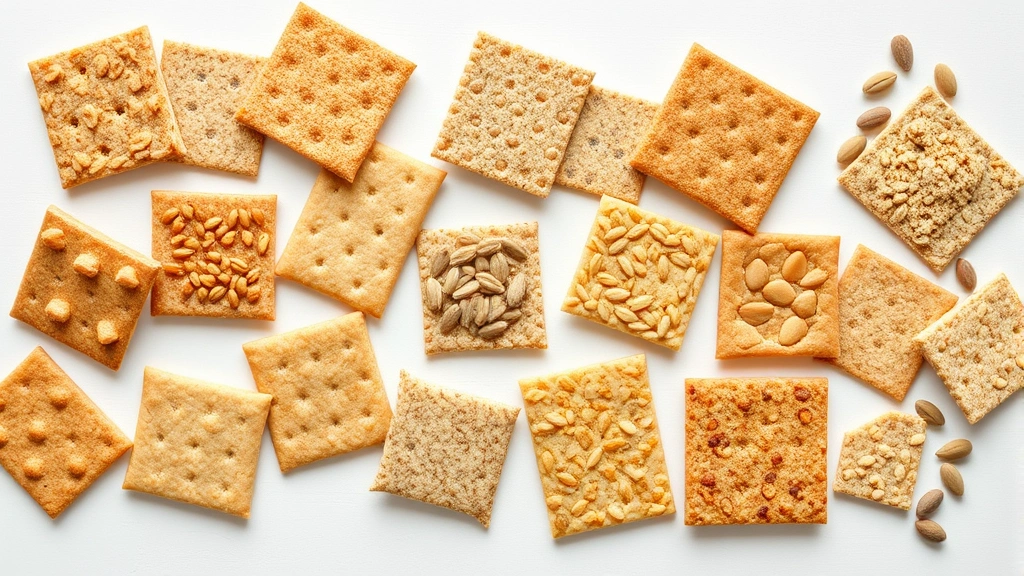
For those seeking cracker options with superior nutritional profiles, several alternatives merit consideration. Whole-grain crackers provide 2-4 grams of fiber per serving, delivering sustained energy and supporting digestive health. Seed-based crackers (flax, sunflower, sesame) offer additional omega-3 fatty acids, minerals, and phytonutrients absent from saltines.
Legume-based crackers made from chickpea, lentil, or bean flour provide protein (3-5 grams per serving) and fiber (2-3 grams), addressing saltines’ protein deficiency. These options maintain reasonable sodium levels while delivering substantially greater nutritional density. Sprouted grain crackers undergo fermentation processes that reduce antinutrients and enhance mineral bioavailability.
For those prioritizing minimal processing, nut-based crackers or vegetable crisps provide alternatives with recognizable whole-food ingredients. However, these typically contain higher fat and calorie content, requiring mindful portion control. The optimal choice depends on individual nutritional priorities—whether emphasizing fiber, protein, whole grains, or specific micronutrients.
Portion Control and Smart Consumption
If saltines remain part of your dietary routine, strategic portion management becomes essential. Pre-portioning into small bowls or bags prevents mindless overconsumption, which often transforms modest servings into caloric and sodium excess. Pairing saltines with nutrient-dense toppings—hummus, almond butter, quality cheese, vegetable spreads—enhances their nutritional profile significantly.
Timing matters as well. Consuming saltines as part of balanced meals minimizes blood sugar disruption and promotes satiety. Using them as the vehicle for protein and healthy fat delivery (rather than eating them alone) transforms them from nutritionally sparse snacks into reasonable components of balanced eating.
For those developing comprehensive eating approaches, exploring tips for meal planning provides frameworks for thoughtfully incorporating various foods. Frequency also factors significantly—occasional saltine consumption poses minimal health concern for most adults, while daily consumption contributes meaningfully to sodium, refined carbohydrate, and fiber intake patterns.
Research from the American Heart Association suggests that processed snack frequency predicts cardiovascular outcomes more strongly than occasional consumption. This underscores the importance of distinguishing between occasional indulgence and habitual dietary patterns.

The Mental Health Connection
Beyond physical nutrition, dietary patterns influence cognitive function and mental wellbeing. While saltines themselves don’t directly impact mood, consumption patterns do. Relying on refined carbohydrates without adequate fiber, protein, or micronutrients may contribute to blood sugar dysregulation, affecting energy, focus, and mood stability throughout the day. For deeper exploration of these connections, understanding nutrition and mental health relationships provides valuable context.
Conversely, mindful snacking—whether saltines with purposeful toppings or whole-grain alternatives—supports stable energy and mental clarity. The psychological satisfaction of intentional eating may outweigh minor nutritional differences between crackers, suggesting that sustainable dietary approaches accommodate individual preferences while optimizing overall patterns.
FAQ
Are saltines good for weight loss?
Saltines alone aren’t particularly helpful for weight loss because they lack protein and fiber—the nutrients most supportive of satiety and appetite control. Their refined carbohydrate content may trigger blood sugar fluctuations that increase hunger. However, portion-controlled saltines paired with protein (cheese, peanut butter) can function within calorie-restricted diets. The key is intentional pairing rather than consumption in isolation.
Do saltines contain gluten?
Standard saltines contain wheat flour and are not gluten-free. Individuals with celiac disease or non-celiac gluten sensitivity must avoid conventional saltines. However, dedicated gluten-free saltine options exist, manufactured from rice flour, corn flour, or other gluten-free grains. Always verify labeling and manufacturing practices to prevent cross-contamination.
Can babies eat saltines?
Saltines are generally safe for babies over 8-12 months who are established on solid foods, though they’re not ideal first foods due to choking hazard risk and lack of nutritional density. The high sodium content also exceeds recommendations for infant consumption. Soften saltines in broth or introduce whole-grain alternatives with superior nutrient profiles for developing children.
Are saltines better than regular bread?
Nutritionally, whole-grain bread typically surpasses saltines in fiber, micronutrients, and satiety factors. However, refined white bread and saltines occupy similar nutritional categories—both lacking substantial fiber and micronutrient density. Whole-grain bread represents the superior choice; between refined white bread and saltines, the distinction matters less than choosing whole-grain alternatives.
How do saltines affect blood pressure?
Saltines’ sodium content contributes to daily sodium accumulation, which in sodium-sensitive individuals increases blood pressure. Those managing hypertension should limit saltines or select low-sodium versions. For sodium-resistant individuals without hypertension, occasional saltine consumption poses minimal blood pressure impact, though general sodium reduction supports cardiovascular health regardless.
What’s the best way to eat saltines healthfully?
Combine saltines with nutrient-dense toppings (hummus, Greek yogurt, vegetables, quality protein sources), consume them as components of balanced meals rather than standalone snacks, practice portion control, and save them for occasional consumption rather than daily habits. This approach maximizes satiety, nutritional value, and overall dietary quality.