Smoothie King Nutrition Facts: Dietitian Insights
Smoothie King has become a go-to destination for health-conscious consumers seeking convenient nutrition on the go. With hundreds of locations across North America, the chain promises nutrient-dense beverages crafted to support various health goals. However, the reality behind their smoothie king nutrition facts reveals a more complex picture that requires careful navigation and informed decision-making.
As a registered dietitian analyzing chain restaurant nutrition data, I’ve examined Smoothie King’s complete menu through a clinical lens. This guide breaks down what’s actually in these smoothies, which options align with genuine nutritional goals, and how to make selections that serve your health rather than marketing narratives. Understanding smoothie king nutrition facts empowers you to distinguish between wholesome choices and sugar-laden beverages masquerading as health foods.
Understanding Smoothie King’s Nutritional Foundation
Smoothie King markets itself as a wellness brand, positioning smoothies as convenient alternatives to traditional fast food. Their nutritional approach centers on fruit bases, protein additions, and supplemental ingredients like protein powders and vitamin blends. However, analyzing smoothie king nutrition facts reveals that many offerings contain as much sugar as dessert beverages, with some exceeding 70 grams per serving.
The chain operates with standardized recipes, meaning consistency exists across locations. This transparency allows dietitians to evaluate their complete nutritional architecture. Most Smoothie King smoothies fall into specific categories: fruit-based blends, protein-enhanced options, and wellness-focused formulations. Each category presents distinct nutritional challenges and opportunities.
According to Pew Research Center data on consumer health trends, 67% of Americans use nutritional information when making food choices at chain restaurants. Yet many consumers misinterpret smoothie king nutrition facts, assuming all smoothies represent healthy options simply because they contain fruit and protein.
Understanding the foundational ingredients matters significantly. Smoothie King primarily uses fruit juice concentrates, frozen fruit, yogurt, and proprietary protein blends. The base of most smoothies consists of juice—a concentrated sugar source lacking the fiber found in whole fruit. This distinction fundamentally alters the nutritional profile compared to blended whole fruits.
Analyzing Sugar Content Across Menu Categories
Sugar content represents the most critical concern when evaluating smoothie king nutrition facts. The American Heart Association recommends limiting added sugars to 6 teaspoons (25 grams) daily for women and 9 teaspoons (36 grams) for men. Many Smoothie King smoothies exceed these daily recommendations in a single serving.
The “Slim” category, marketed as weight-management friendly, typically contains 32-45 grams of sugar—still excessive despite the branding. Regular smoothies often exceed 60 grams of sugar, with some specialty blends reaching 75+ grams. This sugar density rivals full-size milkshakes from conventional fast food establishments.
The sugar paradox in smoothie king nutrition facts stems from reliance on fruit juice bases and added fruit juice concentrates. While fruit contains natural sugars, the concentration in juice form lacks accompanying fiber that slows absorption and promotes satiety. A whole orange provides roughly 12 grams of sugar with 3 grams of fiber; orange juice concentrate delivers 20+ grams of sugar with minimal fiber.
Frozen fruit additions, while appearing wholesome, contribute additional sugar. Smoothie King’s proprietary fruit bases combine multiple juice concentrates, dramatically increasing total sugar content. Without fiber to moderate absorption, this sugar enters the bloodstream rapidly, triggering insulin spikes and subsequent energy crashes.
Research published through Journal of the Academy of Nutrition and Dietetics demonstrates that liquid calories from added sugars produce less satiety than solid foods, leading to overconsumption and weight gain. This mechanism explains why smoothie consumption doesn’t reduce overall caloric intake despite replacing solid meals.
For individuals managing diabetes, prediabetes, or pursuing weight loss, most standard smoothie king nutrition facts present problematic choices. The glycemic load of these beverages promotes blood sugar dysregulation and metabolic stress.
Protein Quality and Muscle-Building Claims
Smoothie King emphasizes protein content in their marketing, with dedicated “Protein” and “Muscle” categories. However, smoothie king nutrition facts regarding protein quality require deeper examination than simple gram counts suggest.
The chain uses multiple protein sources: Greek yogurt, whey protein isolate, plant-based protein blends, and amino acid supplements. Protein quality varies significantly based on amino acid profile and digestibility. Not all protein sources contribute equally to muscle protein synthesis.
Whey protein isolate, used in many Smoothie King formulations, ranks among the highest-quality protein sources available. It contains all nine essential amino acids in optimal ratios and demonstrates superior bioavailability. However, the overall smoothie composition matters more than isolated protein quality.
A 20-gram protein smoothie with 65 grams of sugar creates a metabolic mismatch. The sugar spike triggers insulin elevation, which can promote fat storage and reduce protein’s anabolic effects. Additionally, excessive sugar consumption impairs nutrient absorption and increases inflammation—counteracting the benefits of quality protein.
Smoothie King’s muscle-building claims warrant scrutiny. While protein supports muscle development, effective muscle growth requires progressive resistance training, adequate total calories, and micronutrient sufficiency. A smoothie alone cannot build muscle; it can only provide raw materials when combined with appropriate training stimulus.
The “Protein” category smoothies typically contain 25-35 grams of protein but still deliver 40-55 grams of sugar. This ratio fails to support optimal muscle development. Research in sports nutrition literature demonstrates that post-workout nutrition should emphasize protein-to-carbohydrate ratios of approximately 1:3 to 1:4. Most Smoothie King protein smoothies exceed 1:2 ratios, delivering excessive carbohydrates relative to protein content.
For athletes and fitness enthusiasts, customized smoothies with minimal fruit juice, significant protein addition, and strategic carbohydrate inclusion offer superior muscle-building support than pre-formulated menu items.
Caloric Density: Where Hidden Calories Hide
Smoothie king nutrition facts often surprise consumers regarding caloric content. A “small” Smoothie King smoothie ranges from 280-520 calories depending on the menu item. “Large” sizes escalate to 500-1,100 calories. These caloric loads rival substantial meal options while providing minimal satiety.
The caloric density stems from multiple concentrated sources: fruit juice bases (100-150 calories per serving), added sugars (240+ calories per 60 grams), protein powders (120-180 calories per serving), and supplemental additions like nut butters or syrups (90-200 calories each).
Consumers often underestimate liquid calories compared to solid foods. A 700-calorie smoothie consumed in five minutes produces less satiety than 700 calories of solid food consumed over twenty minutes. This physiological reality means smoothies contribute to overconsumption despite their health-oriented positioning.
When evaluating smoothie king nutrition facts for weight management, caloric density becomes the primary concern. A single smoothie can represent 25-50% of daily caloric requirements for many individuals while contributing minimal micronutrient diversity compared to whole-food meals.
The chain’s “Slim” category addresses this concern by reducing portion sizes and sugar content, typically delivering 280-380 calories. However, even these options rely on calorie reduction rather than nutritional optimization—they simply contain less of the same problematic formulations.
Micronutrient Profile and Whole Food Integrity
Beyond macronutrients, smoothie king nutrition facts should reflect micronutrient density and bioavailability. While the menu includes vitamins and minerals through fruit additions and fortified protein powders, the processing methods and ingredient composition affect nutrient availability.
Frozen fruit loses some heat-sensitive vitamins compared to fresh produce. Juice concentrates contain reduced micronutrient density compared to whole fruits. Synthetic vitamins added to protein powders demonstrate lower bioavailability than naturally occurring food-based vitamins in some cases.
A comprehensive nutrition solutions approach emphasizes whole-food sourcing and minimal processing. Most Smoothie King smoothies fail this criterion, relying on processed bases, concentrated sugars, and supplemental additions rather than whole fruits, vegetables, and minimal additives.
The micronutrient profile varies across menu items. Smoothies incorporating spinach, kale, or other vegetables provide superior micronutrient density compared to fruit-only formulations. However, even vegetable-inclusive smoothies cannot overcome the metabolic stress created by excessive sugar and caloric density.
Fiber content represents another critical micronutrient consideration. Most Smoothie King smoothies contain minimal fiber despite fruit-based marketing. Whole fruits provide 3-5 grams of fiber per serving; juice-based smoothies deliver less than 1 gram. This fiber deficit impairs digestive health, satiety signaling, and metabolic regulation.
For individuals seeking dietary fiber importance for health, standard Smoothie King offerings fail to deliver meaningful contributions. Customization with added fiber sources becomes necessary for adequate intake.
Navigating the Menu for Specific Health Goals
Dietitian analysis of smoothie king nutrition facts reveals that certain menu items align better with specific health objectives than others. Strategic selection within existing constraints allows for more nutritious choices.
Weight Loss Goals: The “Slim” category represents the optimal starting point, though still imperfect. Select options with under 350 calories and under 40 grams of sugar. Request half-sized portions of sugary fruit bases and request additional protein powder additions. Request non-juice bases when available. This approach reduces caloric density while maintaining satiety through increased protein.
Muscle Building: Protein-category smoothies with customization serve athletes better. Request maximum protein powder addition (typically available up to 50 grams total), minimize juice-based ingredients, include Greek yogurt, and request carbohydrate sources like oats or banana. This creates a legitimate post-workout recovery beverage with appropriate macronutrient ratios.
General Health: Individuals without specific goals should prioritize lower-sugar options under 45 grams and select items incorporating vegetables. Avoid relying on smoothies as meal replacements; use them as supplements to whole-food nutrition. Healthy nutrition plan guidance emphasizes whole foods as foundational, with processed beverages as occasional additions.
Diabetes Management: Individuals with diabetes should generally avoid standard Smoothie King offerings due to excessive sugar content and rapid absorption rates. If choosing to visit, select the lowest-sugar option available, request minimal fruit juice base, and pair with protein-rich foods to moderate glycemic response.
Customization Strategies for Better Nutrition
Understanding smoothie king nutrition facts empowers strategic customization. Smoothie King permits numerous modifications that dramatically improve nutritional profiles compared to standard menu items.
Base Modifications: Request almond milk or coconut milk instead of juice bases. Request Greek yogurt as the primary base with minimal or no fruit juice concentrate. These changes reduce sugar content by 20-30 grams while maintaining creaminess and protein content.
Protein Enhancement: Add extra protein powder (most locations permit 50+ grams total). Select whey protein isolate for superior amino acid profile. This increases satiety, supports muscle protein synthesis, and improves blood sugar management by reducing carbohydrate-to-protein ratios.
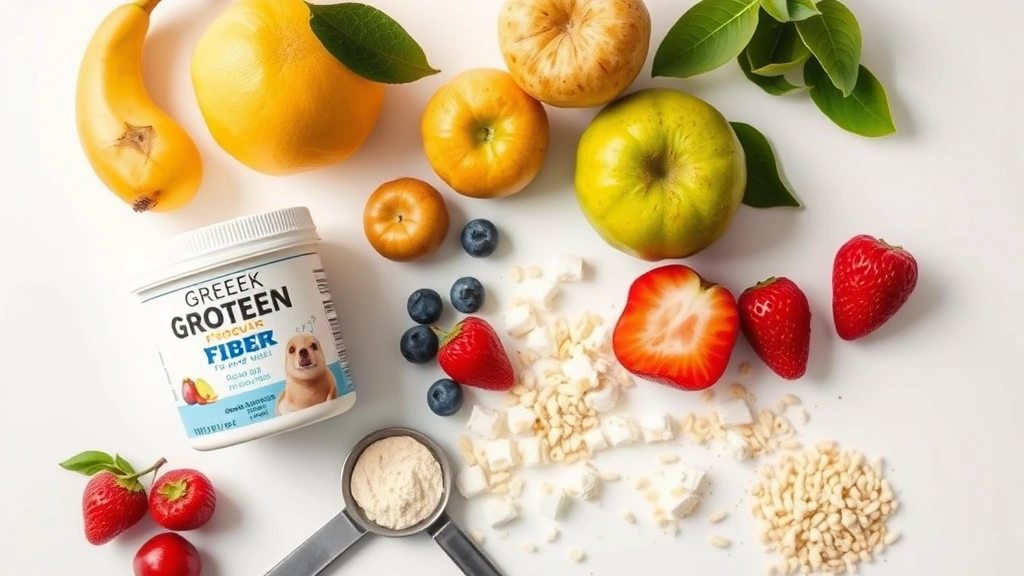
Fiber Addition: Request fiber powder additions (typically 5-10 grams available). This addresses the fiber deficit in standard smoothies, improving digestive health and satiety. Fiber also moderates sugar absorption and supports metabolic health.
Fruit Reduction: Request minimal frozen fruit and specify which fruits. Berries provide superior micronutrient density and lower sugar content compared to tropical fruits. Request half portions of fruit bases and double portions of vegetables like spinach.
Sweetener Considerations: Avoid added syrups and sweeteners. If sweetness is desired, request minimal honey or agave. Many Smoothie King smoothies already contain excessive sugar; additional sweetening creates problematic formulations.
Supplement Additions: Request omega-3 additions, probiotic additions, or other beneficial supplements if available. These enhance nutritional value without significantly altering taste or texture.
These customization strategies transform standard Smoothie King offerings into legitimate nutritional tools. A customized smoothie with Greek yogurt base, 45 grams protein, minimal fruit juice, added fiber, and vegetable inclusion provides superior nutrition compared to the standard menu while still maintaining palatability.
Research on nutrient absorption improvement demonstrates that strategic meal composition enhances micronutrient bioavailability. Customized smoothies incorporating whole-food bases, adequate protein, and minimal processing support superior nutrient utilization compared to standard formulations.
FAQ
Are Smoothie King smoothies actually healthy?
Most standard Smoothie King smoothies contain excessive sugar and lack adequate fiber, making them problematic for health goals. However, strategic menu selection and customization can create more nutritious options. The “Slim” category provides better starting points than regular smoothies, though still requiring modifications for optimal nutrition.
How much sugar is in Smoothie King smoothies?
Sugar content ranges from 32 grams in “Slim” category items to 75+ grams in specialty smoothies. Most regular menu smoothies contain 55-65 grams of sugar, exceeding daily recommendations in a single serving. This exceeds the American Heart Association’s daily limit for many individuals.
Can I drink Smoothie King smoothies while losing weight?
Weight loss requires caloric deficit maintenance. While Smoothie King smoothies can fit within caloric budgets, their liquid nature and minimal fiber provide poor satiety. Strategic selection of “Slim” options or customized lower-calorie smoothies may support weight loss when combined with whole-food nutrition and appropriate portions.
What’s the best Smoothie King smoothie for muscle building?
Protein-category smoothies customized with maximum protein powder, minimal juice base, Greek yogurt, and strategic carbohydrates create legitimate post-workout nutrition. Request approximately 45 grams protein, 40-50 grams carbohydrates, and minimal added sugar. This supports muscle protein synthesis better than standard menu items.
Should I replace meals with Smoothie King smoothies?
Meal replacement with smoothies typically undermines nutritional goals. Liquid calories provide inferior satiety compared to solid foods, leading to overconsumption and inadequate micronutrient diversity. Use smoothies as supplements to whole-food nutrition rather than replacements for solid meals.
How do I make Smoothie King smoothies less sugary?
Request minimal fruit juice base, add protein powder, request fiber additions, and specify vegetable inclusions. Request almond milk or Greek yogurt bases instead of juice. These modifications reduce sugar content by 20-40 grams while maintaining palatability and improving nutritional value.
Are Smoothie King protein powders high quality?
Smoothie King uses whey protein isolate in many formulations, which ranks among the highest-quality protein sources available. However, overall smoothie composition matters more than isolated protein quality. Excessive sugar and minimal fiber diminish protein’s nutritional benefits.
What about artificial ingredients in Smoothie King smoothies?
Smoothie King’s proprietary formulations contain various additives, thickeners, and supplements. While many are food-grade and generally recognized as safe, the processed nature of these ingredients differs from whole-food nutrition. Customized smoothies emphasizing whole-food bases minimize artificial ingredient consumption.


