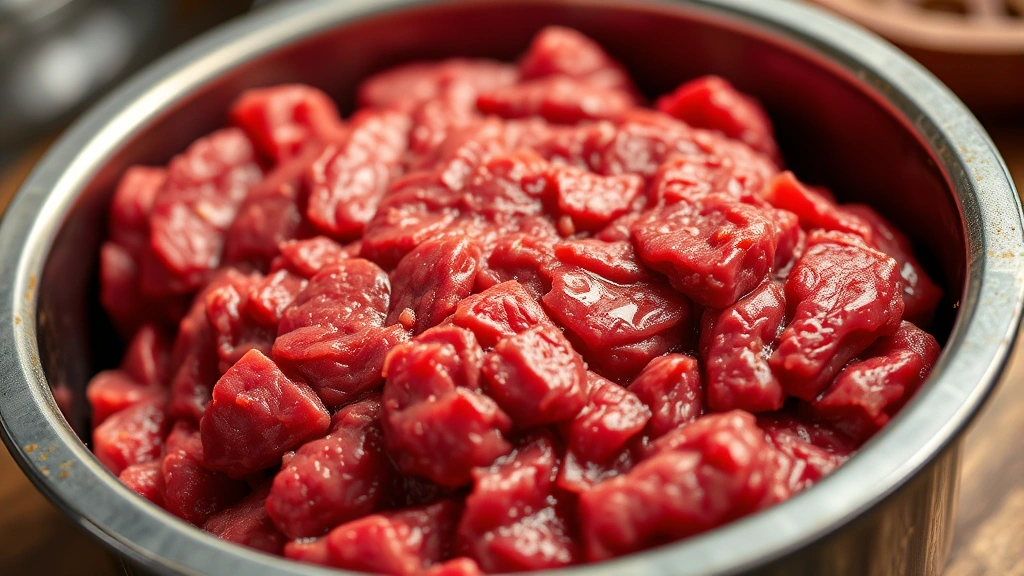
90/10 Ground Beef: Dietitian’s Nutritional Breakdown
Ground beef remains one of the most versatile and protein-rich protein sources available to consumers, yet understanding its nutritional profile requires careful examination of fat content and lean-to-fat ratios. The 90/10 designation refers to ground beef that contains 90% lean meat and 10% fat by weight, making it one of the leanest options available in most grocery stores. This specific ratio has become increasingly popular among health-conscious consumers, fitness enthusiasts, and individuals following specific dietary protocols.
As a registered dietitian nutritionist, I’ve spent considerable time analyzing the nutritional composition of various ground beef products to help clients make informed dietary choices. The 90/10 ground beef option occupies a unique position in the market—offering substantial protein content while maintaining relatively low fat levels compared to fattier alternatives like 80/20 or 85/15 blends. Understanding what this ratio truly means nutritionally, how it compares to other options, and how it fits into various dietary approaches requires deeper investigation into both macronutrient and micronutrient profiles.
This comprehensive breakdown examines the nutritional science behind 90/10 ground beef, its benefits, potential drawbacks, and practical applications for different populations and dietary goals.
Nutritional Profile of 90/10 Ground Beef
A standard 3.5-ounce (100-gram) serving of 90/10 ground beef contains approximately 173 calories, with the macronutrient distribution heavily favoring protein. This lean ratio provides roughly 24 grams of protein per 100-gram serving, making it an exceptional source for muscle maintenance and recovery. The caloric density remains relatively moderate compared to fattier cuts, offering approximately 1.73 calories per gram—a significant consideration when incorporating this protein source into meal planning strategies.
The fat content in 90/10 ground beef accounts for approximately 8 grams per 100-gram serving, with the remaining weight distributed among water content and micronutrients. This specific fat level distinguishes it from both leaner options like 93/7 ground beef and fattier alternatives commonly used in traditional recipes. The lipid profile includes both saturated and unsaturated fatty acids, which carry distinct physiological implications for cardiovascular health and metabolic function.
Carbohydrate content in ground beef is negligible, typically measuring less than 0.5 grams per serving. This characteristic makes 90/10 ground beef particularly suitable for individuals following ketogenic diets, low-carbohydrate protocols, or those simply seeking to minimize carbohydrate intake. The absence of carbohydrates also means this protein source exerts minimal impact on blood glucose levels, making it appropriate for individuals managing diabetes or metabolic conditions.
Protein Content and Amino Acid Composition
The 24 grams of protein per 100-gram serving in 90/10 ground beef represents a complete protein source containing all nine essential amino acids. This completeness distinguishes beef from many plant-based protein sources, which often lack one or more essential amino acids. The essential amino acid profile includes leucine, isoleucine, valine, methionine, phenylalanine, threonine, tryptophan, histidine, and lysine—each playing critical roles in muscle protein synthesis, immune function, and neurotransmitter production.
Leucine, comprising approximately 8-9% of the total amino acid content, deserves particular attention due to its role as a primary trigger for muscle protein synthesis through the mTOR signaling pathway. Research from nutritional biochemistry indicates that leucine concentrations above 1.8-2.0 grams per meal optimize muscle protein synthesis rates, a threshold easily achieved with a single 90/10 ground beef serving. This characteristic makes 90/10 ground beef particularly valuable for athletes and individuals engaged in resistance training.
The bioavailability of beef protein approaches 95%, indicating that the human digestive system efficiently absorbs and utilizes nearly all protein present in ground beef. This high bioavailability contrasts with many plant-based proteins, which frequently demonstrate bioavailability rates between 70-85%. The digestibility coefficient for beef protein ranks among the highest of all protein sources, making 90/10 ground beef an efficient vehicle for meeting daily protein requirements.
Fat Content and Fatty Acid Breakdown
The 8 grams of fat in a 100-gram serving of 90/10 ground beef comprises approximately 3.2 grams of saturated fat, 3.5 grams of monounsaturated fat, and 0.3 grams of polyunsaturated fat. This distribution reflects the natural lipid composition of beef muscle tissue, with saturated fat comprising roughly 40% of total fat content. The saturated fat content remains moderate compared to fattier ground beef options, positioning 90/10 as an acceptable choice for individuals monitoring saturated fat intake for cardiovascular health considerations.
Monounsaturated fatty acids, representing approximately 44% of total fat content, include oleic acid—the same primary fatty acid found in olive oil. These fats support cardiovascular health, reduce inflammation, and contribute to cellular membrane integrity. The relatively higher proportion of monounsaturated fats in 90/10 ground beef compared to fattier alternatives makes it a more heart-healthy option for individuals prioritizing cardiovascular outcomes.
Ground beef also contains conjugated linoleic acid (CLA), a naturally occurring fatty acid with potential anti-inflammatory and metabolic properties. While the CLA content in conventional ground beef remains modest (approximately 5-10 mg per 100 grams), grass-fed beef varieties demonstrate substantially higher concentrations—potentially 2-3 times greater. This distinction becomes relevant for consumers specifically seeking to maximize CLA intake through dietary sources.
The cholesterol content in 90/10 ground beef measures approximately 75-80 mg per 100-gram serving, representing about 25% of the recommended daily limit. While dietary cholesterol has become less concerning in contemporary nutritional science—with research demonstrating that dietary cholesterol exerts minimal impact on blood cholesterol levels for most individuals—this remains a consideration for those following specific therapeutic protocols.
Micronutrients and Mineral Content
Beyond macronutrients, 90/10 ground beef delivers a comprehensive micronutrient profile that distinguishes it as more than simply a protein source. A 100-gram serving provides approximately 2.8 mg of iron, representing about 35% of the recommended daily intake for adult men and 15% for adult women. This iron exists primarily in the highly bioavailable heme form, which the human body absorbs at rates of 15-35%—substantially higher than non-heme iron from plant sources, which demonstrates bioavailability of only 2-20%.
Zinc content in 90/10 ground beef reaches approximately 6 mg per 100 grams, fulfilling roughly 55% of the recommended daily intake for adult men and 75% for adult women. Zinc plays critical roles in immune function, wound healing, DNA synthesis, and protein metabolism. The bioavailability of beef zinc, enhanced by the presence of heme iron and other beef components, exceeds that of zinc from plant-based sources.
Selenium content measures approximately 29 micrograms per 100-gram serving, providing about 53% of the recommended daily intake. This essential micronutrient functions as a cofactor for selenoprotein synthesis, supporting antioxidant defense systems and thyroid hormone metabolism. Beef represents one of the more reliable dietary sources of bioavailable selenium.
B-vitamin content in ground beef includes substantial quantities of B12 (0.6 micrograms per 100 grams), niacin (5.5 mg), riboflavin (0.16 mg), and pantothenic acid (0.6 mg). Vitamin B12, which occurs naturally only in animal products, proves essential for neurological function, red blood cell formation, and DNA synthesis. This makes beef particularly valuable for individuals following or considering vegetarian dietary approaches.
Phosphorus content reaches approximately 180 mg per 100 grams, supporting bone health and energy metabolism. Potassium levels measure around 330 mg per 100 grams, contributing to cardiovascular regulation and electrolyte balance. Magnesium content provides approximately 20 mg per 100 grams, supporting muscle function and energy production.
Comparison with Other Ground Beef Options
The ground beef market offers various lean-to-fat ratios, each with distinct nutritional profiles and culinary applications. Understanding these differences enables informed decision-making based on individual health goals and dietary requirements. Nutrition solutions often involve selecting the appropriate protein source ratio for specific circumstances.
Ground beef labeled as 85/15 contains 15% fat compared to 90/10’s 10% fat content. This 5-percentage-point difference translates to approximately 5 additional grams of fat per 100-gram serving in 85/15 beef, increasing the total caloric content to approximately 200 calories per 100 grams. The 85/15 option offers superior flavor and moisture retention during cooking, making it preferable for applications like burgers or meatloaf where fat content enhances palatability and texture.
Conversely, 93/7 ground beef represents the leanest commonly available option, containing only 7% fat. This ratio provides approximately 180 calories per 100 grams with only 6 grams of fat per serving. While 93/7 offers marginal caloric and fat advantages over 90/10, the difference proves minimal for most practical applications. The 93/7 option tends toward dryness during cooking, particularly when prepared without careful technique or additional moisture sources.
The 80/20 option, representing the traditional ground beef standard, contains 20% fat and approximately 290 calories per 100-gram serving. This fattier alternative delivers substantially more flavor and superior cooking characteristics, but the doubled fat content makes it less suitable for individuals prioritizing fat reduction or caloric restriction.
Ground chuck, derived from the shoulder region, typically falls into the 80/20 range and offers excellent flavor characteristics. Ground round, from the hindquarters, generally presents as 85/15. Ground sirloin, from the loin, may reach 90/10 or leaner ratios. These distinctions reflect both the anatomical fat distribution in different beef regions and the inherent flavor profiles associated with each cut.
Health Considerations and Benefits
The nutritional composition of 90/10 ground beef offers multiple health benefits for diverse populations. The exceptional protein content supports muscle maintenance, recovery from resistance exercise, and satiety—the sense of fullness that facilitates adherence to caloric restriction when weight loss represents a goal. Research published in the American Journal of Clinical Nutrition demonstrates that protein-rich foods enhance satiety more effectively than carbohydrate or fat-based alternatives, potentially supporting long-term weight management outcomes.
For individuals following healthy nutrition plans, 90/10 ground beef provides a nutrient-dense option that delivers substantial micronutrient content relative to caloric contribution. This nutrient density—the ratio of micronutrients to calories—positions ground beef as an efficient choice for individuals with elevated micronutrient requirements or those consuming calorie-restricted diets.
The iron and zinc content makes 90/10 ground beef particularly valuable for individuals at risk of deficiency, including menstruating women, vegetarians transitioning to omnivorous diets, and athletes engaged in high-volume training. The heme iron present in beef demonstrates superior absorption compared to iron-fortified plant-based alternatives, making beef a particularly effective dietary intervention for iron-deficiency anemia.
For individuals managing blood glucose levels, the carbohydrate-free nature of ground beef makes it an excellent foundation for meals emphasizing glycemic control. The protein and fat content slow gastric emptying, moderating the postprandial glucose response when beef is consumed with carbohydrate-containing foods.
The B12 content in 90/10 ground beef addresses a critical nutritional concern for individuals following or considering plant-based diets. A single 100-gram serving provides the entire recommended daily intake of B12, making occasional beef consumption an efficient strategy for maintaining B12 status among predominantly plant-based eaters.
Practical Applications and Meal Planning
Incorporating 90/10 ground beef into practical meal plans requires consideration of culinary characteristics, flavor development, and complementary ingredients. The leaner fat content, while nutritionally advantageous, presents challenges for achieving optimal flavor and texture in certain applications. Skilled preparation techniques compensate for reduced fat content through flavor-building methods including browning, seasoning complexity, and sauce integration.
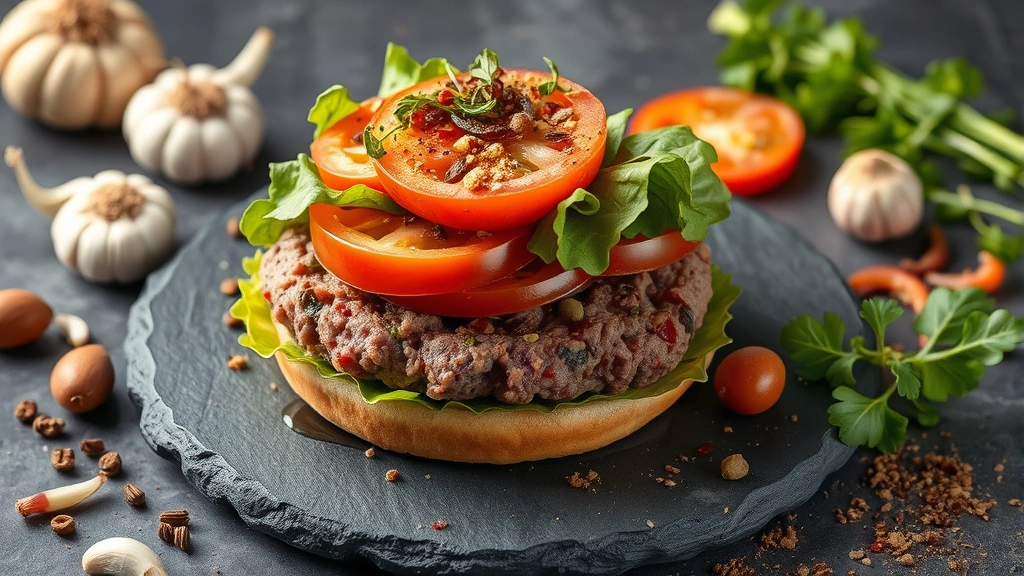
For burger preparation, 90/10 ground beef benefits from the addition of moisture-retaining ingredients such as finely minced mushrooms, onions, or a small quantity of breadcrumbs mixed with broth or egg. These additions enhance juiciness without substantially altering the nutritional profile. The resulting burgers maintain lean nutritional characteristics while achieving improved palatability.
In applications such as tacos, chili, or ground beef-based sauces, the reduced fat content proves less problematic. These preparations benefit from additional liquid components—salsa, broth, or tomato-based sauces—that compensate for the reduced fat-based flavor delivery. The 90/10 ratio performs exceptionally well in these applications, providing lean protein without compromising satisfaction or flavor.
Meatball preparation with 90/10 ground beef requires particular attention to moisture retention. The combination of 90/10 beef with complementary ingredients including grated onion, minced garlic, breadcrumbs soaked in broth or milk, and egg creates meatballs with improved texture while maintaining the lean nutritional profile. These preparations support various cuisines from Italian to Asian applications.
Strategic meal planning incorporating 90/10 ground beef aligns with both weight management and performance nutrition objectives. A 150-gram serving provides approximately 36 grams of protein, 12 grams of fat, and 260 calories—macronutrient ratios suitable for post-workout nutrition, lunch-based protein delivery, or dinner centerpieces in calorie-controlled meal plans.
Cooking Methods and Nutrient Retention
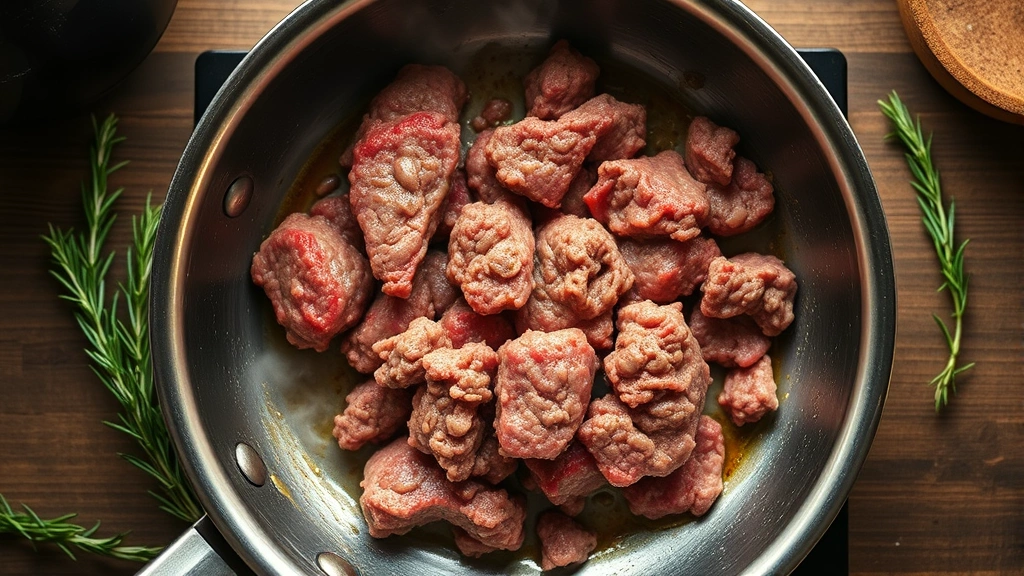
The cooking method selected for 90/10 ground beef influences both nutrient retention and culinary outcomes. Browning ground beef through high-heat skillet cooking represents the most common preparation method. This technique develops flavor through the Maillard reaction while rendering some fat from the meat. The rendered fat, if discarded, reduces the total fat content further—though this practice also removes fat-soluble vitamin retention and flavor compounds.
Grilling ground beef in patty form offers an alternative that allows excess fat to drip away while developing characteristic char flavors. The high surface-area exposure during grilling maximizes Maillard reaction development, creating complex flavor profiles that compensate for the reduced fat content. Grilling temperatures and duration should be monitored to prevent excessive charring, which produces potentially harmful compounds including heterocyclic amines (HCAs) and polycyclic aromatic hydrocarbons (PAHs).
Sous vide cooking, involving vacuum-sealed beef cooked in precisely controlled water baths, preserves nutrients and moisture while preventing fat loss. This technique produces exceptionally tender results with 90/10 beef, though it requires specialized equipment and extended cooking times. The finished product may lack the browning flavors developed through higher-heat methods, requiring finishing techniques such as brief high-heat searing.
Slow-cooking ground beef in liquid-based preparations such as chili or stews preserves both moisture and nutrients while developing deep, complex flavors through extended cooking times. These applications particularly suit 90/10 ground beef, as the cooking liquid compensates for reduced fat content while the extended cooking time allows flavor development and meat tenderization.
Microwave cooking, while convenient, produces inferior results with ground beef generally. The uneven heating and rapid cooking prevent adequate browning and flavor development. This method should be reserved for applications where convenience outweighs culinary considerations.
Instant Pot or pressure cooking methods offer efficiency benefits while preserving moisture and nutrients. These techniques work particularly well with 90/10 ground beef in applications such as ground beef-based soups, grain-based dishes, or bean combinations where the cooking liquid provides moisture compensation.
FAQ
What does 90/10 ground beef mean exactly?
The 90/10 designation indicates that the ground beef comprises 90% lean meat and 10% fat by weight. This ratio represents a standardized labeling requirement in most Western markets, allowing consumers to quickly identify the fat-to-lean ratio of ground beef products. The USDA regulates these labeling standards to ensure accuracy and consumer protection.
How does 90/10 ground beef compare nutritionally to 85/15?
A 100-gram serving of 90/10 ground beef contains approximately 8 grams of fat and 173 calories, while 85/15 contains approximately 13 grams of fat and 200 calories. The 90/10 option provides roughly 5 grams less fat and 27 fewer calories per 100-gram serving. Both options deliver similar protein content (approximately 24 grams) and micronutrient profiles, with the primary distinction being fat and caloric density.
Is 90/10 ground beef suitable for weight loss diets?
Yes, 90/10 ground beef can support weight loss objectives through its high protein content, which promotes satiety and supports metabolic function. The moderate caloric density (1.73 calories per gram) and relatively low fat content make it suitable for calorie-restricted meal planning. The complete amino acid profile supports muscle maintenance during weight loss, helping preserve lean mass while fat loss occurs. Incorporating 90/10 ground beef into customized nutrition solutions can enhance weight loss outcomes through improved adherence and metabolic support.
Does cooking method affect the nutritional value of 90/10 ground beef?
Cooking method influences nutrient retention and fat content in ground beef. High-heat cooking methods that allow fat drainage reduce total fat content but may increase the concentration of heat-induced compounds including HCAs and PAHs. Moisture-preserving methods such as stewing or pressure cooking maintain nutrient content more effectively. Most micronutrients including B vitamins, minerals, and amino acids remain stable across cooking methods, though some B-vitamin degradation occurs with extended high-heat exposure.
Is grass-fed 90/10 ground beef nutritionally superior to conventional?
Grass-fed 90/10 ground beef demonstrates several nutritional advantages over conventional grain-fed alternatives, including higher omega-3 polyunsaturated fatty acid content, increased conjugated linoleic acid (CLA), and elevated vitamin E levels. The micronutrient profiles remain similar between grass-fed and conventional beef, with the primary distinctions involving fatty acid composition. Individual preferences regarding environmental sustainability, animal welfare, and flavor profile often influence grass-fed beef selection as much as nutritional considerations.
Can 90/10 ground beef fit into plant-based or flexitarian diets?
While 90/10 ground beef remains an animal product, flexitarian approaches incorporating occasional beef consumption can benefit from its nutritional density. A flexitarian consuming beef occasionally gains access to complete protein, heme iron, B12, and other micronutrients that require careful supplementation or strategic plant-based combining in purely vegetarian approaches. Incorporating 90/10 beef once or twice weekly within a primarily plant-based framework offers nutritional advantages while maintaining environmental and ethical considerations important to flexitarian practitioners.


