Grits Nutrition: Healthy Choice? Dietitian Insights
Grits have been a staple of Southern cuisine for centuries, but modern nutritional science raises important questions about their place in a balanced diet. Are these creamy, comforting cornmeal dishes a nutritious breakfast option, or should they be treated as an occasional indulgence? The answer, like most nutrition questions, is nuanced and depends heavily on preparation methods, portion sizes, and what accompaniments you choose.
As a registered dietitian nutritionist, I’ve seen countless clients confused about whether grits fit into their healthy nutrition plan. The truth is that grits can be part of a nutritious diet when prepared thoughtfully and paired with nutrient-dense foods. This comprehensive guide breaks down the nutritional profile of grits, explores their health implications, and provides evidence-based recommendations for making them work within your dietary goals.
Understanding Grits: What Are They Really?
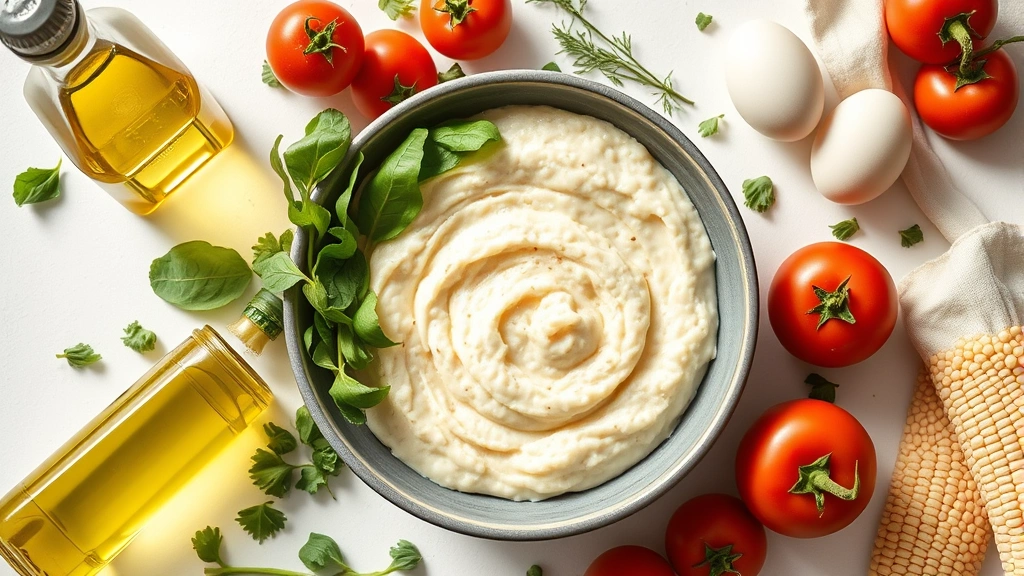
Grits are a traditional Southern food made from coarsely ground corn (maize). The corn is dried, then ground into a coarse meal and cooked with liquid—typically water, milk, or broth—until it reaches a creamy, porridge-like consistency. The word “grits” comes from the Old English word meaning “coarse meal.”
There are several varieties of grits available today. Stone-ground grits retain more of the corn’s hull and germ, making them more nutritionally dense than their refined counterparts. Quick grits and instant grits are more processed and cook faster but lose nutritional value in the refining process. Polenta, the Italian cousin of grits, is made from corn and shares similar nutritional characteristics, though it’s often made with different cooking methods and ingredients.
Grits are primarily a carbohydrate source, derived from whole corn kernels that have been processed to remove the outer hull. Understanding the specific type of grits you’re consuming is crucial because processing methods significantly affect their nutritional value. Stone-ground varieties, which preserve more of the whole grain, offer superior nutritional profiles compared to highly refined options.

Complete Nutritional Breakdown of Grits
A standard serving of cooked grits (one cup, approximately 242 grams) contains roughly:
- Calories: 182-200 (depending on preparation method)
- Carbohydrates: 36-38 grams
- Protein: 4-5 grams
- Fat: 1-2 grams
- Fiber: 2-4 grams (higher in stone-ground varieties)
- Sodium: 0-380 mg (depending on added salt and ingredients)
Grits also provide essential micronutrients. They contain B vitamins, particularly thiamine (B1) and niacin (B3), which support energy metabolism. Most refined grits in the United States are enriched with these vitamins to replace what’s lost during processing. They also provide iron, though the bioavailability of plant-based iron is lower than that from animal sources.
One of the key considerations is that plain grits—without butter, cream, cheese, or other high-fat additions—are relatively low in fat and calories. However, traditional Southern preparations often include generous amounts of butter, cheese, and cream, which significantly increases the caloric and saturated fat content. A single serving can jump from 182 calories to 400+ calories with traditional preparation methods.
The protein content in grits is modest at 4-5 grams per serving, which is lower than many other breakfast grains. This is important for individuals seeking to maximize satiety and muscle maintenance through their breakfast choices. When grits are paired with protein-rich foods like eggs, Greek yogurt, or legumes, they become part of a more balanced meal.
Glycemic Impact and Blood Sugar Management
Grits have a relatively high glycemic index (GI), particularly refined varieties. The glycemic index measures how quickly a food raises blood glucose levels. Refined grits typically have a GI of 65-70, placing them in the medium-to-high range. This means they cause a more rapid spike in blood sugar compared to foods like steel-cut oats or legumes.
However, the glycemic load—which accounts for portion size—is more relevant than glycemic index alone. A typical serving of grits has a moderate glycemic load because portion sizes are usually controlled. The key to managing blood sugar impact is pairing grits with protein, healthy fats, and fiber-rich foods.
Research from the Harvard School of Public Health demonstrates that combining refined carbohydrates with protein and fat slows glucose absorption and reduces blood sugar spikes. This means adding a poached egg on top of grits, incorporating beans, or mixing in vegetables significantly improves their glycemic profile.
For individuals with diabetes or prediabetes, stone-ground grits are preferable to refined varieties because they retain more fiber, which slows carbohydrate digestion. Additionally, limiting portion sizes to half a cup of cooked grits and pairing them with substantial protein sources helps manage blood sugar responses.
Sodium Content and Heart Health Concerns
One of the most significant nutritional concerns with grits is sodium content, particularly in instant and quick varieties. Many commercial instant grits contain 300-380 mg of sodium per serving, which represents 13-16% of the daily recommended limit of 2,300 mg for most adults.
This becomes problematic when you consider that most Americans already exceed sodium recommendations through other foods. A single bowl of instant grits, combined with bacon, cheese, and salted butter—common traditional accompaniments—can easily exceed 800-1000 mg of sodium before the rest of the day’s meals are consumed.
Excess sodium intake is strongly associated with hypertension, cardiovascular disease, and stroke risk. According to research from the CDC’s nutrition division, reducing sodium intake is one of the most impactful dietary changes for heart health, particularly for individuals over 40 or with existing hypertension.
The solution is straightforward: choose stone-ground grits without added salt and prepare them with low-sodium broth or water instead of adding salt during cooking. This approach can reduce sodium content to virtually zero, allowing you to control seasoning through herbs, spices, and other flavorings that don’t contain sodium.
Fiber, Digestion, and Gut Health
Dietary fiber is essential for digestive health, and this is where grits show promise—but only certain varieties. Stone-ground grits retain the corn hull and germ, providing 3-4 grams of fiber per serving. In contrast, refined grits contain only 1-2 grams of fiber.
The Academy of Nutrition and Dietetics recommends 25-30 grams of fiber daily for most adults, yet the average American consumes only 15 grams. Every food that contributes meaningfully to fiber intake helps bridge this gap. Stone-ground grits, while not a fiber powerhouse, do contribute to daily fiber goals.
Fiber serves multiple functions: it promotes satiety, supports healthy cholesterol levels, feeds beneficial gut bacteria, and facilitates regular bowel movements. When you increase fiber intake, it’s important to do so gradually and increase water consumption simultaneously to avoid digestive discomfort.
Learn more about the critical role fiber plays in your overall health by exploring the importance of dietary fiber for your health. Understanding fiber’s multifaceted benefits helps contextualize grits’ role in a fiber-rich diet.
For individuals with digestive sensitivities, refined grits may be easier to tolerate initially. However, as digestive health improves, transitioning to stone-ground varieties provides greater nutritional benefits and supports long-term gut health through increased fiber intake.
Comparing Grits to Other Breakfast Grains
To contextualize grits’ nutritional value, it’s helpful to compare them with other popular breakfast grains. Steel-cut oats contain approximately 150 calories and 5 grams of fiber per half-cup serving, making them superior for satiety and blood sugar management. Quinoa, when used as a breakfast grain, provides 8 grams of protein per cup—significantly more than grits.
Whole wheat toast or whole grain bread provides more fiber and protein than refined grits while offering a lower glycemic index. However, grits offer a unique creamy texture and can be more satisfying to individuals who prefer warmer, porridge-like breakfasts.
The comparison reveals that grits are neither nutritional superstars nor nutritional disasters. They occupy a middle ground: better than highly refined breakfast cereals but not as nutrient-dense as some alternatives. This middle-ground status means they can fit into a healthy diet when prepared thoughtfully and combined with nutrient-rich accompaniments.
Consider your personal health goals when choosing between grains. For weight management and blood sugar control, oats or legume-based options might be superior. For those seeking comfort foods that can be made nutritious, grits offer flexibility and can be elevated through smart preparation and pairing strategies.
Preparation Methods That Maximize Nutrition
How you prepare grits dramatically affects their nutritional value. Here are evidence-based preparation strategies:
- Choose Stone-Ground Varieties: Select grits labeled as “stone-ground” or “whole grain” rather than instant or quick grits. These retain the corn hull and germ, preserving nutrients and fiber.
- Use Flavorful Broths: Cook grits in vegetable or chicken broth instead of water or milk. This adds flavor without excessive fat or sodium if you use low-sodium broth.
- Minimize Added Fat: Rather than stirring in butter or cream during cooking, prepare grits with minimal fat and add flavor through seasonings, then top with healthy additions afterward.
- Control Portion Sizes: Limit yourself to 3/4 to 1 cup of cooked grits per serving rather than unlimited amounts.
- Add Vegetables: Stir in diced vegetables like bell peppers, tomatoes, or spinach during cooking to increase micronutrient density and fiber content.
- Incorporate Legumes: Mix in black beans, white beans, or lentils to dramatically increase protein and fiber content.
These preparation methods transform grits from a simple carbohydrate source into a more nutritionally complete dish. The key is recognizing that grits serve as a base that can be customized to meet your nutritional needs.
Healthy Toppings and Additions
The toppings you choose matter as much as the grits themselves. Here are nutritious topping options that enhance both nutrition and satiety:
- Protein Sources: Top grits with poached or fried eggs, smoked salmon, grilled chicken, or Greek yogurt. Protein increases satiety and stabilizes blood sugar response.
- Vegetables: Add sautéed mushrooms, roasted tomatoes, steamed broccoli, or caramelized onions for micronutrients and fiber without excessive calories.
- Healthy Fats: Use a drizzle of olive oil, sliced avocado, or nuts instead of butter. These provide beneficial fatty acids and enhance nutrient absorption.
- Herbs and Spices: Season with garlic, paprika, cayenne, fresh herbs, or lemon juice for flavor without sodium or calories.
- Limited Cheese: A small amount of sharp cheddar or parmesan (1/4 cup or less) adds flavor and calcium without excessive fat.
Thoughtfully chosen toppings can transform a simple bowl of grits into a nutritionally balanced meal that supports your dietary goals. The contrast between traditional preparations (heavy cream, excessive butter, processed meats) and nutrient-optimized preparations is striking.
Grits for Specific Dietary Goals
Weight Management: Grits can support weight loss when prepared with minimal fat and paired with protein and vegetables. The combination increases satiety, preventing overeating later. Stick to 3/4-cup servings and focus on stone-ground varieties for superior fiber content. Explore tips for meal planning to incorporate grits strategically within your caloric goals.
Muscle Building: Grits alone don’t provide sufficient protein for muscle development. However, when combined with eggs, Greek yogurt, or lean meats, they become part of an effective post-workout meal. The carbohydrates replenish glycogen while protein supports muscle repair.
Diabetes Management: Individuals with diabetes should choose stone-ground grits, limit portion sizes to 1/2 cup cooked, and always pair with protein and non-starchy vegetables. Monitor blood sugar response individually, as responses vary based on overall meal composition and individual metabolism.
Digestive Health: Those with inflammatory bowel conditions may find refined grits easier to tolerate initially. As gut health improves, gradually transition to stone-ground varieties for their prebiotic fiber content, which feeds beneficial bacteria.
Gluten-Free Requirements: Grits are naturally gluten-free, making them an excellent option for individuals with celiac disease or gluten sensitivity. Ensure any added broths or seasonings are certified gluten-free.
Your nutrition solutions should be personalized to your specific health conditions and goals. What works optimally for one person may not be ideal for another, which is why working with a registered dietitian can help you customize grits to your unique needs.
Consider how grits fit within your broader dietary pattern. If your diet is already rich in refined carbohydrates, grits may not be the best breakfast choice. If your diet emphasizes whole grains and you’re seeking comfort foods that can be made nutritious, grits offer excellent flexibility and cultural significance.
FAQ
Are grits considered a whole grain?
Only stone-ground grits qualify as whole grains because they retain the bran, germ, and endosperm. Refined and instant grits have been processed to remove the bran and germ, eliminating much of the fiber and some nutrients. When shopping, look for labels explicitly stating “whole grain” or “stone-ground” to ensure you’re getting true whole grain grits.
How much sodium is in a serving of grits?
Plain grits cooked with water contain virtually no sodium. However, instant grits can contain 300-380 mg per serving, and traditional preparations with added salt, butter, and cheese can exceed 800 mg per serving. Choose no-salt-added varieties and control your own seasoning to manage sodium intake effectively.
Can grits help with weight loss?
Grits can support weight loss when prepared with minimal fat and paired with protein and vegetables. The carbohydrates provide sustained energy, the protein increases satiety, and vegetables add volume without excessive calories. However, traditional high-fat preparations typically work against weight loss goals.
Do grits have any health benefits?
Stone-ground grits provide B vitamins, iron, and fiber. When enriched, refined grits also provide added B vitamins. Their primary benefit is providing carbohydrates for energy. Their greatest potential benefit emerges when they’re part of a balanced meal that includes protein, healthy fats, and vegetables.
Are grits better than oatmeal?
This depends on your specific goals and preferences. Oatmeal typically provides more fiber and protein, making it superior for satiety and blood sugar management. However, grits offer a unique texture and can be made nutritious through thoughtful preparation. The “better” choice depends on your individual needs, digestive tolerance, and food preferences.
Can people with diabetes eat grits?
Yes, people with diabetes can eat grits when prepared thoughtfully. Choose stone-ground varieties, limit portions to 1/2 cup cooked, and always pair with protein and non-starchy vegetables. Monitor your individual blood sugar response, as it varies based on overall meal composition and individual metabolism.
What’s the difference between grits and polenta?
Both are made from corn, but polenta is typically made from finer cornmeal and is more commonly used in Italian cuisine. Nutritionally, they’re quite similar. The main differences are texture, regional origin, and traditional preparation methods rather than fundamental nutritional differences.