
Is Half and Half Healthy? Dietitian’s Insight
Half and half has become a staple in American kitchens, gracing everything from morning coffee to creamy soups and desserts. Yet despite its ubiquity, many people remain uncertain about whether this dairy product fits into a healthy diet. As a registered dietitian nutritionist, I’m frequently asked about half and half’s nutritional profile, potential health impacts, and how to use it mindfully. The answer, like most nutrition questions, isn’t a simple yes or no—it depends on your individual health goals, dietary needs, and consumption patterns.
Understanding half and half requires looking beyond marketing claims and examining the actual science behind its composition. This dairy product sits in an interesting middle ground between whole milk and heavy cream, offering a unique nutritional profile that deserves careful examination. Whether half and half belongs in your diet depends on several factors, including your cardiovascular health, caloric intake goals, and lactose tolerance. In this comprehensive guide, I’ll break down the nutritional science, address common concerns, and help you make informed decisions about incorporating half and half into your daily routine.
What Exactly Is Half and Half?
Half and half is precisely what its name suggests: a 50/50 mixture of whole milk and heavy cream. This simple combination creates a product that’s thinner than heavy cream but richer than whole milk, making it versatile for culinary applications. The FDA regulates half and half in the United States, requiring it to contain between 10.5% and 18% milk fat by weight. This standardization ensures consistency across brands, though some premium varieties may vary slightly.
The production process involves combining pasteurized milk with pasteurized heavy cream, typically followed by homogenization to create a uniform consistency. Most commercial half and half products also contain stabilizers and emulsifiers like guar gum or carrageenan to prevent separation and extend shelf life. While these additives are generally recognized as safe by the FDA, they’re worth noting if you’re sensitive to processed ingredients or prefer minimally processed dairy products.
Understanding this basic composition helps clarify why half and half occupies such a unique position in the dairy aisle. It’s not just a diluted version of cream—it’s a deliberately formulated product designed to offer creaminess without the heaviness of pure cream. This makes it appealing for coffee drinks, sauces, and baking applications where you want richness without excessive fat content.
Nutritional Breakdown and Caloric Content
A standard serving of half and half is typically one tablespoon (15 milliliters), which contains approximately 20 calories. This modest serving size reflects the product’s intended use as a flavoring agent rather than a primary beverage. However, many people use considerably more than one tablespoon in their daily coffee or cooking, which significantly increases caloric intake. Two tablespoons, a common amount in a large coffee drink, contains roughly 40 calories—seemingly insignificant until you multiply this by daily consumption.
Each tablespoon of half and half provides approximately 1.7 grams of fat, of which about 1 gram is saturated fat. The product also contains roughly 0.4 grams of carbohydrates and 0.3 grams of protein per tablespoon. While these numbers seem negligible in isolation, they accumulate throughout the day. Someone who adds two tablespoons to their morning coffee and uses it in cooking could easily consume 80-100 calories and 3-4 grams of saturated fat daily from half and half alone.
What makes half and half nutritionally interesting is its micronutrient content. Like all dairy products, it contains calcium, phosphorus, and vitamins A and D. A tablespoon provides roughly 40 milligrams of calcium, contributing modestly to daily intake goals. However, because serving sizes are typically small, half and half isn’t a primary source of these nutrients. The real nutritional value lies in understanding how it fits into your overall dietary pattern, which ties directly into the healthy nutrition plan you’re following.
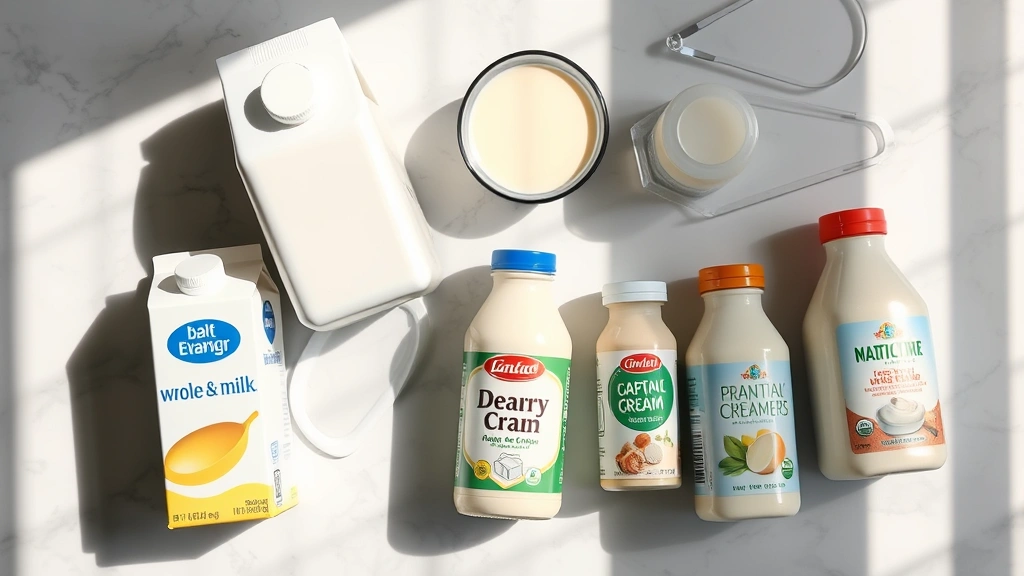
Fat Content and Heart Health Considerations
The most common health concern about half and half centers on its saturated fat content. For decades, nutrition science emphasized reducing saturated fat intake to lower cardiovascular disease risk. However, recent research has considerably nuanced this recommendation. A comprehensive review published in the American Journal of Clinical Nutrition found that the relationship between saturated fat and heart disease is more complex than previously believed, particularly when considering food sources rather than just nutrient composition.
The saturated fat in dairy products appears to behave differently in the body compared to saturated fat from processed meats. This distinction matters because dairy products contain additional components—calcium, phosphorus, and bioactive compounds—that may offset potential negative effects. Additionally, recent research suggests that the type of saturated fat matters; the short- and medium-chain fatty acids prominent in dairy differ metabolically from the long-chain saturated fats found in beef.
For individuals with established cardiovascular disease or significant cardiovascular risk factors, moderation remains important. The American Heart Association recommends limiting saturated fat to 5-6% of daily calories. For a 2,000-calorie diet, this equals roughly 11-13 grams daily. Two tablespoons of half and half provide 2 grams of saturated fat, leaving substantial room for other dietary sources. However, if you’re consuming multiple servings throughout the day across different foods, careful tracking becomes necessary.
The key insight from current research is that occasional consumption of half and half within a balanced diet doesn’t pose significant cardiovascular risk for most people. However, this assumes you’re not exceeding recommended saturated fat limits through other sources. Those with specific health conditions should consult their healthcare provider or work with a nutrition solutions professional to determine appropriate intake levels.
Lactose, Additives, and Digestive Health
Half and half contains lactose, the naturally occurring sugar in milk, though at slightly lower levels than whole milk due to its higher fat content. A tablespoon of half and half contains roughly 0.4 grams of lactose, which is minimal. For most people with mild lactose intolerance, this amount presents no digestive issues. However, those with severe lactose intolerance should be aware that even small amounts can trigger symptoms when consumed repeatedly throughout the day.
The stabilizers and emulsifiers added to most commercial half and half products deserve attention. Guar gum and carrageenan, the most common additives, are derived from natural sources and have extensive safety data supporting their use at typical consumption levels. However, some individuals report digestive sensitivity to these compounds. If you experience bloating, gas, or digestive discomfort after consuming half and half, checking the ingredient list for these additives is worthwhile. Many premium brands offer additive-free versions, typically labeled as “simple” or “natural” half and half.
Interestingly, some research suggests that certain additives in processed dairy products may affect gut microbiota composition, though evidence remains preliminary. This is particularly relevant if you’re focusing on nutrition and mental health connections, as emerging research links gut health to cognitive function and mood regulation. While half and half itself isn’t implicated in these concerns, choosing minimally processed versions may be beneficial for overall digestive health.
Half and Half vs. Alternatives
The market now offers numerous alternatives to traditional dairy half and half, each with distinct nutritional profiles and health implications. Understanding these alternatives helps you make choices aligned with your specific health goals and dietary preferences.
- Heavy cream: Contains 36-40% milk fat, providing more calories and fat per tablespoon than half and half. One tablespoon contains roughly 50 calories and 5.5 grams of fat. While richer in flavor, requiring smaller quantities, it’s substantially higher in saturated fat.
- Whole milk: Contains 3.5% milk fat and approximately 9 calories per tablespoon. It’s lower in calories than half and half but provides less creaminess, potentially requiring larger quantities to achieve desired texture.
- Plant-based alternatives: Oat, almond, and coconut-based creamers offer dairy-free options with varying nutritional profiles. Many contain added oils to achieve creaminess, and some are fortified with calcium and vitamins. However, they typically lack the protein found in dairy half and half.
- Greek yogurt: An underutilized alternative, providing creaminess with significantly more protein. Two tablespoons contain roughly 20 calories and 3 grams of protein, making it nutritionally superior for some applications, though the taste differs substantially.
Comparing these options reveals that half and half occupies a reasonable middle ground nutritionally. It provides more creaminess than whole milk while containing fewer calories than heavy cream. For those seeking dairy products within a tips for meal planning framework, half and half often represents the most efficient choice, delivering desired sensory qualities with moderate caloric investment.
Practical Guidelines for Healthy Consumption
Rather than declaring half and half universally healthy or unhealthy, practical guidelines help you use it appropriately within your dietary context. These recommendations come from evidence-based nutrition science and clinical experience.
- Measure and track: Use a measuring spoon rather than free-pouring. This awareness often reveals that many people consume two to three times their estimated amount. Measuring creates accountability and prevents unconscious overconsumption.
- Set a daily limit: For most people, one to three tablespoons daily falls within healthy consumption parameters. This allows for regular enjoyment without excessive saturated fat or caloric accumulation.
- Choose minimally processed versions: When possible, select half and half without unnecessary additives. While standard versions are safe, additive-free options may be preferable, particularly if you’re sensitive to gums or emulsifiers.
- Consider timing: Using half and half in morning coffee aligns with circadian patterns better than evening consumption, as it doesn’t interfere with sleep quality and the calories are more easily managed throughout the day.
- Compensate elsewhere: If you’re using half and half regularly, slightly reduce saturated fat from other sources. This might mean choosing leaner protein sources or limiting other high-fat dairy products.
These practical approaches make half and half compatible with diverse dietary goals. Whether you’re focused on weight management, cardiovascular health, or general wellness, these guidelines provide a framework for appropriate use. For those developing comprehensive dietary strategies, consulting resources on nutrition for athletes can provide additional context on how different foods fit within performance-oriented diets.

Special Populations and Dietary Restrictions
Certain groups should pay particular attention to half and half consumption or may need to avoid it entirely.
Individuals with lactose intolerance: While the lactose content per serving is modest, cumulative consumption throughout the day can trigger symptoms. These individuals should either avoid half and half or limit consumption to small amounts, monitoring individual tolerance.
Those with dairy allergies: Milk protein allergies require complete avoidance of half and half. This differs from lactose intolerance—allergies involve immune system reactions and can be serious, while lactose intolerance is a digestive issue.
People managing cardiovascular disease: Those with established heart disease or very high cardiovascular risk may benefit from limiting saturated fat intake more strictly. Working with a healthcare provider to establish personal limits ensures appropriate consumption levels.
Individuals following specific diets: Those on ketogenic diets often embrace half and half due to its high fat-to-carbohydrate ratio. Conversely, those following very low-fat dietary approaches would minimize consumption. Paleo dieters typically accept it as a whole-food product, while vegans obviously avoid all dairy options.
Pregnant and nursing individuals: These populations have increased nutritional needs and can safely consume half and half as part of a balanced diet. The calcium and vitamins in dairy products support fetal development and milk production, making moderate consumption beneficial.
The Nutrients Pathway Blog contains additional resources for navigating dietary choices across different life stages and health conditions, providing comprehensive guidance beyond this article’s scope.
FAQ
Is half and half better for you than heavy cream?
Yes, from a caloric and saturated fat perspective. A tablespoon of half and half contains roughly 20 calories and 1 gram of saturated fat, compared to heavy cream’s 50 calories and 5.5 grams of saturated fat. However, both can be part of a healthy diet when used appropriately. Heavy cream requires smaller quantities to achieve desired creaminess due to its richness, so the actual difference in consumption patterns may be less dramatic than numbers suggest.
Can I have half and half on a weight loss diet?
Absolutely. The key is measuring portions and accounting for calories in your daily total. One tablespoon contains only 20 calories, making it compatible with most weight loss plans. Many people find that small amounts of half and half make their coffee more satisfying, potentially reducing overall caloric intake by decreasing the need for sweeteners or additional food.
Does half and half raise cholesterol?
Current evidence suggests that dairy products, including half and half, don’t significantly raise cholesterol in most people. The relationship between dietary saturated fat and blood cholesterol is more nuanced than previously believed. However, individual responses vary, and those with specific cholesterol concerns should monitor their levels under healthcare provider supervision.
What’s the difference between half and half and milk?
Half and half contains significantly more fat (10.5-18% milk fat) compared to whole milk (3.5% milk fat). This makes half and half much creamier but also higher in calories per tablespoon. Half and half provides roughly twice the calories of whole milk per tablespoon, though it requires smaller quantities for desired creaminess.
Is store-brand half and half as healthy as name brands?
Nutritionally, store-brand and name-brand half and half are virtually identical, as both must meet FDA standards for milk fat content and safety. The main differences lie in additives—some brands use fewer stabilizers than others. Reading ingredient lists helps you identify products matching your preferences, but both store and name brands can be healthy choices.
Can I use half and half if I’m lactose intolerant?
This depends on severity. Half and half contains less lactose than milk due to higher fat content, so some lactose-intolerant individuals tolerate it fine. However, those with severe intolerance should avoid it or use lactose-free versions. The only way to know is through personal experimentation, monitoring for digestive symptoms.


