Kraft Mac and Cheese: Is It Healthy? Dietitian Explains
Kraft mac and cheese has been a pantry staple for generations, offering convenience, affordability, and nostalgic comfort in a blue box. Yet as nutritional awareness grows, many people question whether this beloved dish aligns with health-conscious eating habits. The answer isn’t straightforward—it depends on how often you consume it, portion sizes, and how you incorporate it into your overall healthy nutrition plan.
From a dietitian’s perspective, Kraft mac and cheese presents both nutritional challenges and opportunities for modification. While the product itself contains concerning levels of sodium and saturated fat, understanding its nutritional profile empowers you to make informed decisions and enjoy it responsibly. This comprehensive analysis breaks down the nutrition facts, explores health implications, and provides practical strategies for incorporating mac and cheese into a balanced diet.

Kraft Mac and Cheese Nutrition Facts
A standard serving of prepared Kraft mac and cheese (one cup or approximately 227 grams) contains roughly 400 calories, making it a relatively calorie-dense comfort food. The macronutrient breakdown reveals significant carbohydrates at around 48 grams per serving, primarily from refined pasta. Protein content sits at approximately 15 grams, which comes from both the pasta and the cheese powder packet.
The product contains about 17 grams of total fat per serving, of which 8-9 grams are saturated fat. This saturated fat content represents approximately 40-45% of the daily recommended intake based on a 2,000-calorie diet. Additionally, micronutrients like calcium appear in modest amounts due to the cheese powder, while fiber content is virtually nonexistent—a significant limitation for digestive health.
When examining the ingredient list, you’ll find enriched wheat pasta, milk fat, milk protein concentrate, salt, and various emulsifiers and preservatives. The cheese powder isn’t made from whole cheese but rather processed cheese ingredients, which explains the product’s shelf stability and affordability. Understanding these fundamentals helps contextualize why nutritionists express caution about regular consumption.

Sodium Content and Health Risks
The most concerning nutritional aspect of Kraft mac and cheese is its sodium content. A single prepared serving contains approximately 860-900 milligrams of sodium, representing 37-39% of the American Heart Association’s recommended daily limit of 2,300 milligrams. For individuals managing hypertension or following nutrition solutions designed to reduce sodium intake, this poses a significant challenge.
Excessive sodium consumption correlates with elevated blood pressure, increased cardiovascular disease risk, and potential kidney complications. Research from the American Heart Association demonstrates that reducing sodium intake significantly lowers hypertension prevalence across populations. For children, whose sodium requirements are considerably lower than adults, a single serving of Kraft mac and cheese can represent 50-60% of their entire daily recommended sodium intake.
The sodium predominantly comes from added salt in both the pasta and cheese powder packet. Unlike naturally occurring sodium in whole foods, this added sodium provides no nutritional benefit and contributes empty calories to your diet. This distinction matters when considering how to structure meals that support long-term health outcomes.
Saturated Fat Analysis
Saturated fat consumption remains a topic of ongoing nutritional research, though most health organizations recommend limiting intake to 5-6% of total daily calories. The saturated fat in Kraft mac and cheese comes primarily from milk fat in the cheese powder and butter added during preparation. Consuming high amounts of saturated fat regularly may contribute to elevated LDL cholesterol levels, a recognized cardiovascular risk factor.
However, it’s important to note that saturated fat isn’t universally evil—moderate amounts from whole food sources like cheese and milk provide fat-soluble vitamins and satiety. The issue with processed mac and cheese lies in the combination of high saturated fat, excessive sodium, and minimal nutritional density. When consumed occasionally as part of a balanced diet, these fat levels are manageable; regular consumption becomes problematic.
Research published in nutrition journals suggests that the context of your overall diet matters significantly. If you consume Kraft mac and cheese as a rare indulgence within a predominantly plant-forward diet rich in whole grains and lean proteins, the saturated fat impact diminishes. Conversely, regular consumption combined with other processed foods creates cumulative cardiovascular stress.
Protein and Carbohydrate Breakdown
The 15 grams of protein per serving represents a moderate amount, though the quality matters. Protein from enriched wheat pasta is considered incomplete, lacking certain essential amino acids. The cheese powder contributes complete protein with all amino acids, but the overall amino acid profile isn’t optimized for muscle synthesis or sustained satiety.
For comparison, the same calories from chicken breast would provide 35+ grams of high-quality protein, while maintaining lower sodium and saturated fat. This highlights how Kraft mac and cheese’s protein-to-calorie ratio is suboptimal for those prioritizing muscle maintenance or weight management. When incorporating mac and cheese into meals, pairing it with additional protein sources—like grilled chicken, legumes, or Greek yogurt—significantly improves the nutritional profile.
The carbohydrate content of 48 grams consists almost entirely of refined carbohydrates from bleached, enriched pasta. These refined carbs lack fiber, causing rapid blood sugar spikes followed by energy crashes. This metabolic pattern can contribute to increased hunger shortly after eating and makes portion control more difficult. Substituting regular pasta with whole wheat or legume-based pasta dramatically improves the carbohydrate quality, though it alters the taste profile.
The enrichment process adds back certain B vitamins removed during processing, providing some nutritional value. However, this doesn’t compensate for the missing fiber and phytonutrients found in whole grain alternatives. When considering how to optimize your tips for meal planning, substituting pasta varieties represents an easy upgrade.
Healthier Modifications and Alternatives
The beauty of mac and cheese lies in its versatility—numerous modifications transform it into a genuinely nutritious meal without sacrificing satisfaction. The most impactful changes involve reducing the cheese powder packet usage and incorporating whole food additions. Using only half the cheese packet cuts sodium and saturated fat by 50% while reducing calorie density.
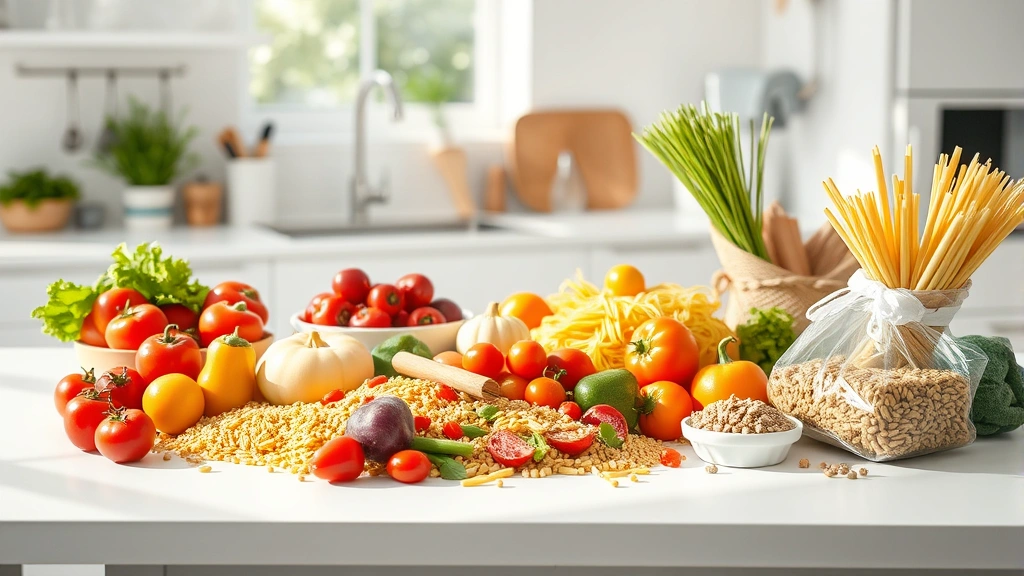
Adding vegetables directly to the pasta water or mixing them into the finished dish dramatically improves nutritional value. Steamed broccoli, roasted bell peppers, diced tomatoes, or sautéed spinach contribute fiber, vitamins, minerals, and phytonutrients. These additions increase satiety, meaning smaller portions satisfy hunger, naturally reducing overall calorie and sodium consumption. A study from The Academy of Nutrition and Dietetics found that vegetable-enhanced pasta dishes significantly improve nutrient density without sacrificing palatability.
Substituting regular butter with olive oil provides heart-healthy monounsaturated fats instead of saturated fat. Adding Greek yogurt or cottage cheese to the sauce boosts protein, calcium, and probiotics while reducing the need for excess cheese powder. Using whole wheat pasta or chickpea pasta increases fiber content, supporting digestive health and stable blood sugar. These modifications cost minimal extra money while dramatically improving the meal’s nutritional value.
For those seeking complete alternatives, homemade mac and cheese using real aged cheddar, whole grain pasta, and nutritional yeast creates a superior product nutritionally and gastronomically. While requiring more effort than the blue box version, homemade versions cost only slightly more and provide complete control over sodium, fat, and ingredient quality. Batch-preparing homemade mac and cheese enables convenient reheating throughout the week.
Portion Control Strategies
Rather than eliminating Kraft mac and cheese entirely, strategic portion control allows enjoyment within a health-conscious framework. Serving the pasta in smaller bowls and pairing it with substantial vegetable sides naturally limits consumption. A serving size of one cup represents the nutrition label standard, yet most people consume 1.5-2 cups, effectively doubling sodium and calorie intake.
Implementing the plate method—filling half your plate with non-starchy vegetables, one quarter with lean protein, and one quarter with mac and cheese—maintains satisfaction while controlling intake. This approach aligns with nutrition and mental health research showing that balanced meals support both physical health and psychological satisfaction with food.
Frequency matters significantly. Occasional consumption—perhaps once monthly—poses minimal health risk for most people. Weekly consumption begins creating cumulative sodium and saturated fat concerns. Daily consumption represents a genuinely problematic pattern incompatible with cardiovascular health and disease prevention. Establishing clear personal boundaries around frequency prevents unconscious habit formation.
Pairing mac and cheese with water instead of sugary beverages and including fresh fruit for dessert provides nutritional balance. This contextual approach—considering the entire meal and day—matters more than obsessing over single foods. Research in behavioral nutrition demonstrates that rigid restriction often backfires, while flexible moderation creates sustainable healthy eating patterns.
FAQ
Is Kraft mac and cheese safe for children?
Yes, Kraft mac and cheese is safe for children occasionally, but sodium content requires consideration. A single serving provides 50-60% of children’s daily recommended sodium, leaving minimal room for additional sources. Modifying the recipe by reducing cheese powder, adding vegetables, and pairing with protein-rich foods creates a more balanced children’s meal. Consulting with a pediatrician about appropriate frequency for your child’s age and health status is advisable.
Can I eat Kraft mac and cheese while trying to lose weight?
Weight loss requires creating a calorie deficit, and Kraft mac and cheese’s 400 calories per serving isn’t prohibitively high. However, its low satiety value—due to minimal protein and fiber—makes hunger management difficult. Modified versions with added protein and vegetables improve satiety and nutritional density, making weight loss more sustainable. Portion control and infrequent consumption allow inclusion within calorie budgets.
What’s the best way to make Kraft mac and cheese healthier?
Use half the cheese powder packet, substitute half the pasta with whole grain or legume-based varieties, add multiple vegetable servings, incorporate Greek yogurt into the sauce, and use olive oil instead of butter. These modifications cut sodium by 40-50%, increase fiber and protein, and dramatically improve micronutrient content while maintaining the comfort food appeal.
Does the type of milk used affect nutrition?
Using whole milk versus skim milk adds 40-60 calories and 2-3 grams of additional saturated fat per serving. Using unsweetened plant-based milks like almond or oat milk reduces saturated fat but may alter taste. The impact of milk choice is minimal compared to the cheese powder packet’s contribution to sodium and fat content.
How does Kraft mac and cheese compare to other boxed pasta meals?
Most boxed pasta meals contain similar sodium levels (800-1000mg per serving) and comparable saturated fat profiles. Store brands typically offer similar nutrition, while premium brands may use real cheese instead of processed cheese powder, slightly improving nutrient density. The fundamental issue—excessive sodium and refined carbohydrates—affects most convenience pasta products.
Is Kraft mac and cheese acceptable for people with hypertension?
For hypertensive individuals, standard Kraft mac and cheese’s 860-900mg sodium per serving represents problematic consumption. However, modified versions using reduced-sodium cheese powder packets (if available) or homemade alternatives with controlled salt content could fit within strict sodium budgets. Consulting with a healthcare provider about appropriate frequency and portion sizes is essential.