Little Caesars Calories: A Dietitian’s Comprehensive Breakdown
Pizza night doesn’t have to derail your nutritional goals, but understanding what you’re eating is the first step toward making informed choices. Little Caesars, one of America’s most accessible pizza chains, offers a range of menu items with varying caloric and nutritional profiles. Whether you’re grabbing a quick slice or planning a family meal, knowing the calorie content and macronutrient breakdown of Little Caesars pizzas, sides, and beverages can help you align your food choices with your health objectives.
As a registered dietitian, I’ve analyzed countless fast-casual pizza chains to help clients navigate their favorite restaurants while maintaining balanced nutrition. Little Caesars presents both challenges and opportunities—with some menu items that fit well into a calorie-conscious diet and others that require portion awareness. This guide breaks down the nutritional reality of Little Caesars offerings, helping you make choices that work for your lifestyle.
Little Caesars Menu Overview and Calorie Ranges
Little Caesars operates on a value-driven model, which influences both portion sizes and nutritional composition. A single slice of their large Hand Tossed pizza ranges from 250 to 350 calories depending on toppings, while their specialty pizzas can exceed 400 calories per slice. Understanding these baseline numbers helps you predict your intake before ordering.
The chain’s “Hot-N-Ready” model means pizzas are pre-made, which simplifies ordering but limits customization. This actually works in favor of consistency—you know exactly what you’re getting nutritionally. A large Hand Tossed cheese pizza contains approximately 2,200-2,400 total calories, making it reasonable for sharing among 3-4 people but excessive for individual consumption.
Little Caesars also offers nutrition solutions through their detailed online nutritional database. Most locations provide calorie information on their website and in-store, though not all nutritional details (like sodium and saturated fat) are equally visible. This transparency gap means you may need to request detailed information or check their online portal before ordering.
The menu breaks down into several categories: classic pizzas, specialty creations, wings, sides (breadsticks, cheesy bread), salads, and desserts. Each category presents different nutritional challenges and opportunities for dietitian-guided choices.
Classic Hand Tossed Pizza Nutrition Analysis
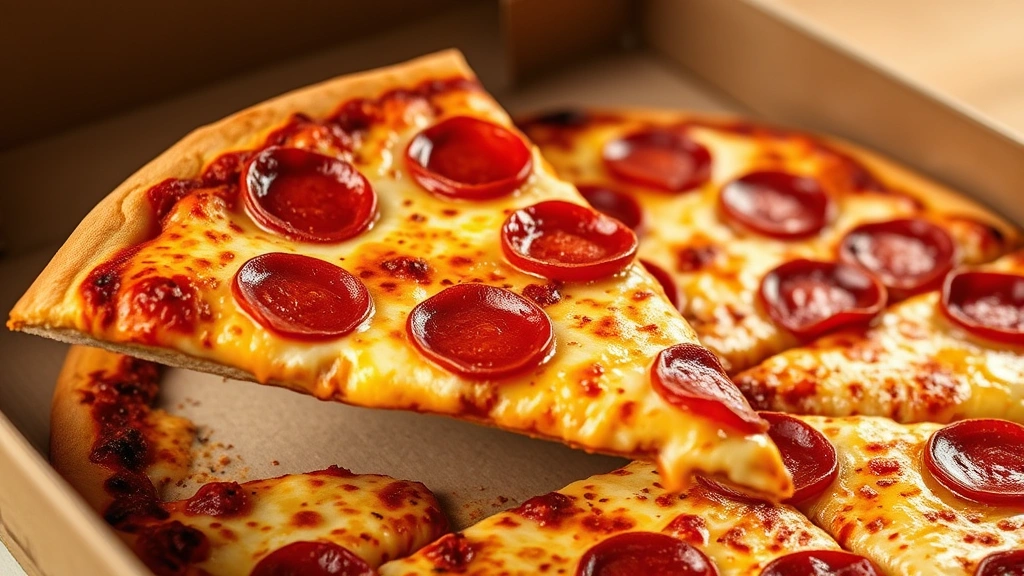
The Hand Tossed pizza is Little Caesars’ foundation offering, and understanding its nutritional profile is essential. A large Hand Tossed cheese pizza provides approximately 2,240 calories total, or about 280 calories per slice (8 slices). The macronutrient breakdown shows roughly 36g carbohydrates, 10g protein, and 12g fat per slice—a ratio that leans heavily toward carbohydrates.
Adding one topping typically adds 30-50 calories per slice. Pepperoni adds approximately 40 calories and 3g of fat per slice, while vegetables like mushrooms or onions add only 5-10 calories. This is where your choices significantly impact total intake. A pepperoni pizza (280 cal/slice) versus a vegetable-loaded pizza (265 cal/slice) shows meaningful differences across a whole pizza.
The protein content of Hand Tossed pizza is relatively modest at 10g per slice. For those following nutrition for athletes or higher protein diets, pizza alone won’t meet protein requirements. Pairing pizza with a protein-rich side or beverage helps balance the meal nutritionally.
Sodium is a significant concern with Little Caesars pizza. A single slice of cheese pizza contains approximately 600-700mg of sodium—nearly 30% of the daily recommended intake. Adding processed toppings like pepperoni or ham pushes this closer to 800-900mg per slice. This matters particularly for individuals managing blood pressure or following sodium-restricted diets.
Specialty Pizzas and Hidden Calories
Little Caesars’ specialty pizzas represent where calorie counts climb significantly. The “Meat Lovers” pizza contains approximately 360 calories per slice, while the “ExtraMostBestest” pizza—loaded with multiple meat toppings and extra cheese—reaches 420 calories per slice. A large ExtraMostBestest pizza totals roughly 3,360 calories, making it a 1,200+ calorie meal for a single person consuming three slices.
The “Hawaiin” pizza (spelling as Little Caesars uses it) presents an interesting case. At approximately 300 calories per slice, it’s actually lower than many specialty options, though the combination of ham and pineapple creates a higher sugar content than traditional pizzas—about 8g carbohydrates per slice versus 6g for cheese pizza.
“Veggie” specialty pizzas can be a reasonable choice at 240-260 calories per slice, but only if you’re not adding extra cheese. The chain’s vegetable options include mushrooms, onions, peppers, and olives—all relatively low-calorie choices. However, the crust preparation and cheese remain constant, so the calorie savings come primarily from avoiding meat toppings.
One critical consideration: specialty pizzas often include sauce variations. The “Bacon Wrapped Crust” or “Stuffed Crust” options add 50-80 calories per slice through additional cheese and processed ingredients. These aren’t just cosmetic changes—they represent meaningful nutritional differences that accumulate across a pizza.
Wings, Sides, and Extras Breakdown
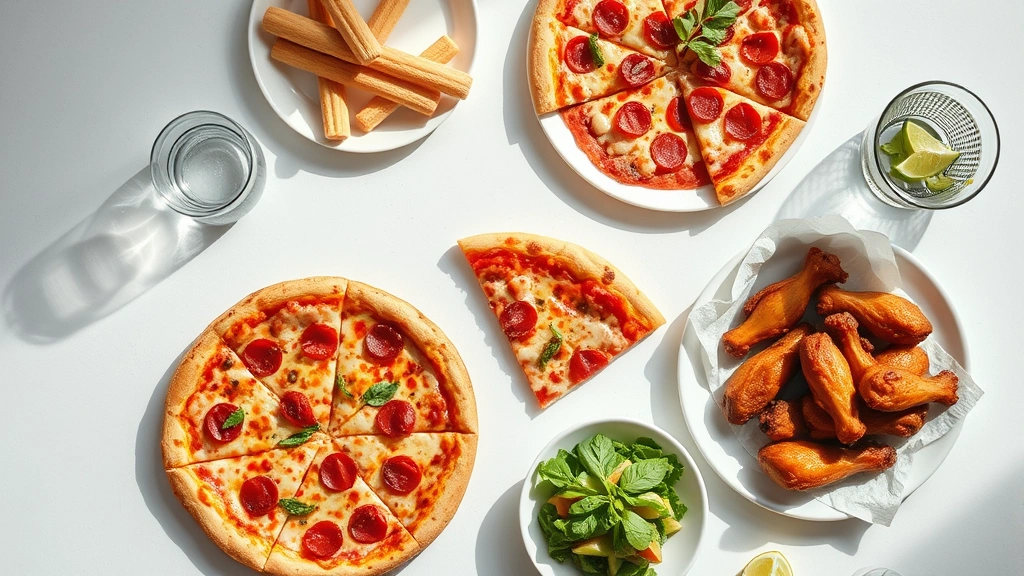
Little Caesars wings, available in various sauce options, contain approximately 70-90 calories per wing depending on preparation and sauce. A typical order of 8 wings ranges from 560 to 720 calories before considering dipping sauces. Ranch dressing adds another 170-200 calories per serving, making wings a surprisingly calorie-dense option.
Breadsticks represent a more moderate choice at approximately 140 calories per stick with marinara sauce. An order of 8 breadsticks totals around 1,120 calories, but breadsticks are often consumed as a side rather than a main, so portion control is more straightforward. The marinara sauce adds only 20 calories per serving, making it preferable to cheese-based dipping options.
Cheesy Bread significantly escalates calorie intake—approximately 200 calories per piece due to the cheese topping. An 8-piece order reaches 1,600 calories. This is a critical menu item to avoid if you’re calorie-conscious, as the added cheese transforms a reasonable breadstick into a high-calorie indulgence.
Salads at Little Caesars offer a lower-calorie alternative, though they’re less prominently featured than pizzas. A typical garden salad contains 150-200 calories without dressing. Adding dressing doubles this to 300-400 calories. The protein content remains modest (around 8-12g), so salads work best as complements to protein-rich items rather than standalone meals.
Dipping sauces deserve specific attention. Garlic sauce adds 170 calories per serving, while cheese sauce adds 200+ calories. These aren’t trivial additions—they can easily add 300-400 calories to a meal if you’re using multiple sauces or generous portions.
Beverages and Desserts Impact on Total Intake
Beverage choices dramatically affect your total meal calories. A 20oz regular cola contains approximately 240 calories and 65g of sugar—nearly three-quarters of the daily recommended sugar intake for adults. Choosing water, unsweetened iced tea, or diet beverages eliminates this hidden calorie source entirely.
Little Caesars’ dessert options include Crazy Bread (sweet breadsticks), chocolate dips, and cinnamon sticks. Crazy Bread contains approximately 140 calories per piece, with an 8-piece order reaching 1,120 calories. These are pure carbohydrate and sugar, providing minimal nutritional benefit. A single piece of Crazy Bread contains 18g of carbohydrates and 8g of sugar.
Chocolate dips offer slightly better nutritional profiles at 90-110 calories per dip, though they’re still primarily sugar and fat. Cinnamon sticks fall in a similar range. The key consideration: desserts should be intentional choices, not automatic additions to orders.
If you’re building a healthy nutrition plan, beverage and dessert choices are where you gain the most control. Substituting a 240-calorie soda for water saves 240 calories without sacrificing the pizza experience. This single change can prevent a meal from exceeding reasonable calorie targets.
Building a Balanced Little Caesars Meal
A balanced Little Caesars meal incorporates protein, fiber, and controlled portions. Here’s a framework: start with 2-3 slices of Hand Tossed pizza (560-840 calories), add 1-2 breadsticks with marinara (140-280 calories), include a side salad with light dressing (200-250 calories), and choose water or unsweetened beverage (0 calories). This totals 900-1,370 calories—reasonable for a single meal depending on your daily target.
The protein content of this meal remains moderate at 25-35g. To increase protein, consider ordering wings instead of breadsticks, though this increases calories. Alternatively, add a protein-rich beverage or incorporate tips for meal planning that include pre-meal protein sources.
Portion control is the most critical element. Little Caesars’ value model encourages over-ordering—getting a large pizza for only slightly more than a medium creates psychological pressure to consume more. Committing to specific portion targets before arriving prevents in-the-moment decision-making.
For families, sharing becomes easier when you understand portions. A large Hand Tossed pizza reasonably serves 3-4 people as the main course with sides. Attempting to serve 2 people with a large pizza plus breadsticks, wings, and dessert creates an environment where excessive intake becomes normal.
Strategies for Calorie-Conscious Ordering
First strategy: order by slice when possible. Many Little Caesars locations sell individual slices, allowing you to control exact portion sizes. This prevents the “finish the pizza” mentality that whole pies encourage.
Second strategy: prioritize vegetable toppings. Requesting a custom pizza loaded with mushrooms, peppers, onions, and olives keeps calories reasonable while increasing fiber and micronutrient content. Most locations charge the same price regardless of topping combinations, making this a value-neutral choice.
Third strategy: skip specialty sauces. The difference between regular cheese pizza and a specialty sauce variation is often 20-40 calories per slice—not massive, but meaningful across a whole pizza. Sticking with classic marinara or cheese keeps you informed of exact calories.
Fourth strategy: separate beverages and desserts from the “meal” mentally. Order these items only if you genuinely want them, not as automatic additions. This single practice can reduce total intake by 300-500 calories per visit.
Fifth strategy: eat before arriving if you’re extremely hungry. Arriving ravenous leads to over-ordering. Eating a small protein-rich snack an hour before your pizza outing helps you order rationally rather than emotionally.
Sixth strategy: utilize nutrition and mental health principles by planning your order in advance. Research the menu online, decide what you’ll order, and commit to it. This removes decision fatigue and impulse additions at the counter.
Comparing Little Caesars to Competitors
Compared to Domino’s, Little Caesars’ Hand Tossed pizza is similar calorically (around 280 cal/slice) but offers less customization for reducing calories. Domino’s “Light” options and thinner crust alternatives provide more flexibility for calorie-conscious consumers.
Pizza Hut’s personal pan pizzas contain 300-350 calories per slice, similar to Little Caesars, but their breadstick sides are actually slightly lower in calories (120 per stick) than Little Caesars’ offerings. However, Little Caesars’ wings are competitively priced and calorically comparable to competitors.
Papa John’s positions itself as a premium option with slightly higher calorie counts but more topping transparency. Their nutritional information is equally accessible to Little Caesars’, making comparison shopping straightforward.
The key differentiator isn’t necessarily which chain is “healthiest,” but rather which aligns with your ordering discipline. Little Caesars’ value model can work for budget-conscious, portion-controlled eaters or become problematic for those susceptible to over-ordering based on price.
According to research from Pew Research Center, Americans consume pizza approximately 46 times annually on average, making pizza literacy essential for population health. Understanding Little Caesars’ specific nutritional profile contributes to this broader dietary awareness.
FAQ
How many calories are in a large Little Caesars pizza?
A large Hand Tossed cheese pizza contains approximately 2,240-2,400 total calories, or 280-300 calories per slice (assuming 8 slices). Specialty pizzas range from 2,560 calories (Veggie) to 3,360 calories (ExtraMostBestest).
What’s the lowest-calorie pizza option at Little Caesars?
The Hand Tossed cheese pizza with vegetable toppings is the lowest-calorie option, at approximately 240-260 calories per slice. Avoiding specialty sauces and extra cheese keeps calories in this range.
Are Little Caesars wings healthy?
Wings contain 70-90 calories each, making an 8-piece order 560-720 calories before dipping sauce. They’re higher in protein than pizza (approximately 6g per wing) but also higher in saturated fat. They’re reasonable in moderation but shouldn’t be viewed as a “light” option.
Can I make a low-calorie meal at Little Caesars?
Yes. Order 2 slices of Hand Tossed cheese pizza (560 calories), one breadstick with marinara (140 calories), and a side salad with light dressing (200 calories), plus water. This totals approximately 900 calories while providing balanced macronutrients.
How much sodium is in Little Caesars pizza?
A single slice of cheese pizza contains 600-700mg of sodium. Adding processed toppings increases this to 800-900mg per slice. A whole large pizza can exceed 4,800mg of sodium, well above daily recommended limits.
Does Little Caesars offer nutritional information?
Yes. Little Caesars provides calorie information on their website and many in-store locations. Complete nutritional details including sodium, saturated fat, and sugar are available online but not always prominently displayed in-store.
What should I drink with Little Caesars pizza?
Water is ideal, eliminating added calories and sugar. Unsweetened iced tea, diet sodas, or sparkling water are acceptable alternatives. Regular sodas add 240+ calories and 65+ grams of sugar per 20oz serving.
How does Little Caesars compare nutritionally to homemade pizza?
Homemade pizza allows precise ingredient control and typically features higher protein (through better cheese ratios) and lower sodium. However, homemade pizzas often contain similar or higher calorie counts due to generous cheese and oil usage. The advantage of homemade pizza is nutritional transparency and customization rather than inherent superiority.