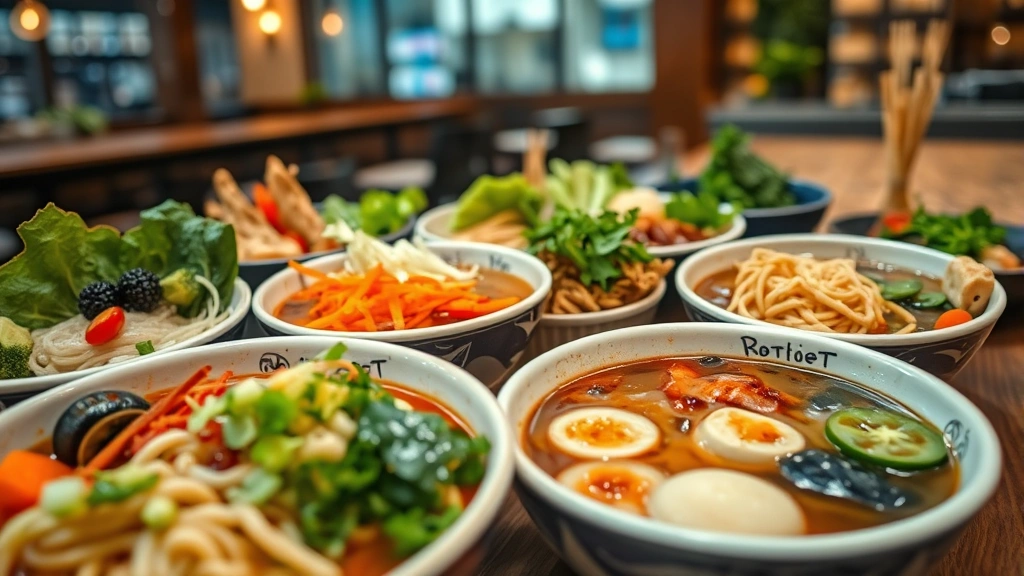
Noodles & Company Nutrition: Dietitian Insights
Noodles & Company has emerged as a popular fast-casual dining destination for consumers seeking diverse global noodle dishes. With menu options spanning Asian, European, and American cuisines, the chain attracts health-conscious diners alongside those prioritizing convenience and flavor. However, understanding the nutritional landscape of Noodles & Company requires careful examination of menu items, portion sizes, and preparation methods. This comprehensive guide examines the chain’s nutritional offerings through a dietitian’s lens, helping you make informed dining choices aligned with your health goals.
The fast-casual restaurant industry continues evolving toward transparency and nutritional consciousness. Noodles & Company has responded by providing detailed nutritional information and offering customization options. Yet navigating these choices demands knowledge about macronutrients, sodium content, and hidden dietary concerns. Whether you’re managing specific health conditions, maintaining a healthy nutrition plan, or simply curious about your dining choices, this analysis provides evidence-based insights from nutrition professionals.

Menu Overview and Nutritional Framework
Noodles & Company operates with a diverse menu structure featuring noodle dishes, rice bowls, soups, and salads. The nutritional profile varies dramatically depending on your selection. Most noodle-based dishes range from 500 to 1,200 calories per serving, with significant variation based on protein additions, sauce selections, and portion sizes. Understanding this framework requires examining the chain’s approach to ingredient sourcing and preparation methods.
The menu features several noodle foundations: egg noodles, ramen, pad thai noodles, and whole grain options. Each provides different nutritional starting points. Egg noodles contain approximately 190 calories per cooked cup with moderate protein content. Whole grain noodle options offer increased fiber, typically providing 4-5 grams per serving compared to 2 grams in refined options. This distinction matters significantly when considering digestive health and sustained energy levels throughout the day.
Dietitians emphasize that base noodle selection represents just the beginning of nutritional analysis. Sauce composition fundamentally alters the dish’s nutritional value. Cream-based sauces typically contribute 150-300 additional calories and significant saturated fat, while broth-based options add minimal calories but substantial sodium. Understanding these sauce profiles helps diners predict nutritional consequences of their choices.
The chain’s commitment to nutrition solutions includes offering customizable portions and ingredient substitutions. This flexibility represents a significant advantage for health-conscious diners, though it requires active engagement with menu modifications rather than passive consumption.
Protein Content Across Menu Categories
Protein serves multiple critical functions: supporting muscle maintenance, facilitating satiety, and stabilizing blood sugar levels. Noodles & Company’s protein offerings vary substantially across menu categories. Most noodle dishes without protein additions contain 8-15 grams of protein, primarily from noodles and modest vegetable content. This amount falls below recommended dietary guidelines for most individuals seeking optimal protein intake.
Protein additions significantly enhance nutritional value. Grilled chicken typically adds 25-30 grams of protein with minimal fat contribution, making it an excellent choice for those prioritizing lean protein. Shrimp provides similar protein content with slightly different micronutrient profiles, particularly iodine and selenium. Tofu and vegetarian protein options offer 15-20 grams of protein per serving, though bioavailability differs from animal sources due to amino acid composition.
Research from Pew Research Center on consumer dietary preferences indicates growing interest in plant-based protein alternatives. Noodles & Company has responded with expanded vegetarian and vegan options, though dietitians note these require careful selection to ensure adequate protein intake. Combining plant-based proteins with complementary amino acids—such as noodles with legume-based sauces—optimizes nutritional completeness.
The chain’s Japanese Pan Noodles, when ordered with chicken, deliver approximately 40 grams of protein alongside complex carbohydrates. Conversely, vegetable-focused dishes without protein additions may provide insufficient protein for individuals following higher-protein dietary patterns. Strategic protein selection transforms menu items from nutritionally modest choices into well-balanced meals.
Sodium Considerations for Heart Health
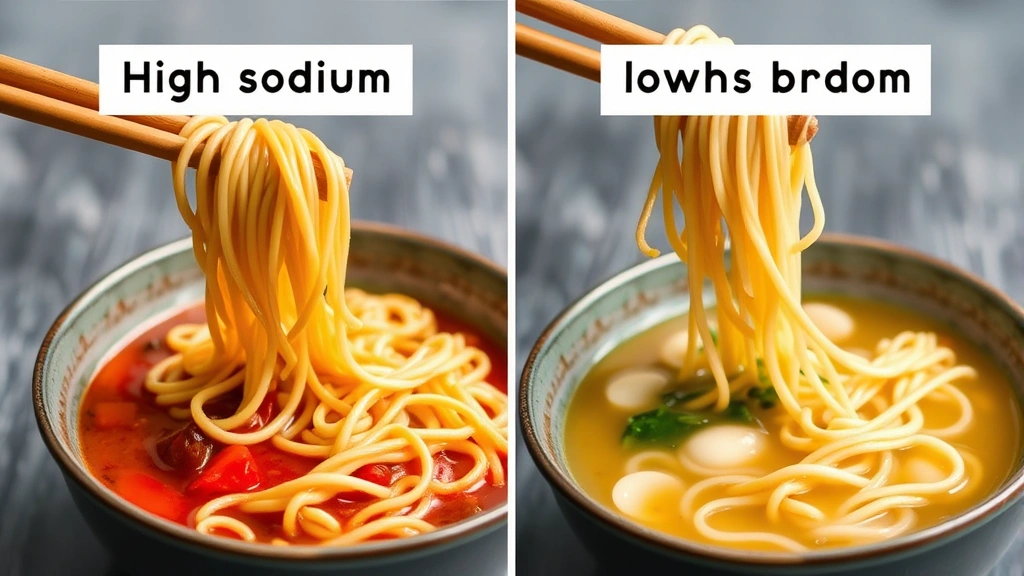
Sodium represents a significant nutritional consideration at Noodles & Company, as with most restaurant dining. The American Heart Association recommends limiting sodium to 2,300 milligrams daily, with many Americans consuming double this amount. A single Noodles & Company dish frequently contains 800-1,400 milligrams of sodium, representing 35-60% of daily recommendations in a single meal.
This sodium concentration stems from multiple sources: noodle cooking water, sauce ingredients, broths, and seasoning compounds. Soy sauce, a foundational ingredient in many Asian noodle dishes, contains approximately 900 milligrams of sodium per tablespoon. Even modest sauce portions significantly impact total sodium content. Individuals managing hypertension or heart disease must carefully navigate the menu, as excessive sodium intake correlates with elevated blood pressure and increased cardiovascular risk.
Dietitians recommend several sodium-reduction strategies when dining at Noodles & Company. Requesting half-sauce portions can reduce sodium by 200-400 milligrams while maintaining flavor complexity. Choosing broth-based rather than cream-based dishes typically reduces sodium compared to creamy alternatives, though both warrant scrutiny. Requesting vegetables without added salt and selecting water rather than sodium-containing beverages further reduces intake.
External analysis from American Heart Association nutrition guidelines emphasizes that restaurant meals represent primary sodium sources in modern diets. Awareness and strategic modification can significantly impact overall cardiovascular health outcomes, particularly for individuals with existing hypertension or family history of heart disease.
Carbohydrate Quality and Fiber Content
Carbohydrates comprise the primary macronutrient in Noodles & Company dishes, typically representing 60-75% of total calories. However, carbohydrate quality varies significantly based on noodle selection and accompanying ingredients. Refined noodles provide rapid glucose absorption, potentially causing blood sugar spikes and subsequent energy crashes. Whole grain noodle options offer superior nutritional profiles with increased fiber and micronutrient retention.
Dietary fiber serves critical functions: supporting digestive health, promoting satiety, stabilizing blood sugar, and feeding beneficial gut bacteria. Most Noodles & Company noodle dishes provide 3-6 grams of fiber, falling below the recommended 25-35 grams daily for adults. This deficiency reflects the reality that single restaurant meals rarely provide complete daily fiber requirements, necessitating strategic dietary planning throughout the day.
Adding vegetables significantly enhances fiber content. Dishes featuring broccoli, snap peas, mushrooms, and leafy greens increase fiber by 2-4 grams per serving. Requesting double vegetable portions represents a simple modification with substantial nutritional impact. The importance of dietary fiber for your health cannot be overstated, particularly regarding long-term disease prevention and metabolic optimization.
Glycemic index considerations matter for individuals managing diabetes or metabolic syndrome. Whole grain noodles combined with protein and vegetables create meals with lower glycemic impact compared to refined noodle dishes consumed alone. This combination slows glucose absorption, reducing insulin demand and supporting stable energy levels for hours post-consumption.
Research published in Nutrition Reviews demonstrates that meal composition significantly impacts postprandial glucose response. Strategic noodle selection, protein inclusion, and vegetable additions work synergistically to moderate blood sugar elevation, particularly important for individuals with glucose metabolism concerns.
Making Healthier Menu Selections
Strategic menu navigation at Noodles & Company requires understanding nutritional principles and applying them systematically. Begin by selecting whole grain noodles when available—this single choice increases fiber content by 100-200% compared to refined options. Next, add lean protein: grilled chicken, shrimp, or tofu depending on personal preference and dietary restrictions.
Choose broth-based sauces over cream-based alternatives. Japanese Pan Noodles with broth, Spicy Korean Beef Noodles, and Vegetable Noodle bowls typically feature lower-calorie bases compared to creamy preparations. Request sauce on the side or in reduced portions, allowing personal control over sodium and calorie intake. This modification alone can reduce sodium by 200-400 milligrams and calories by 100-200.
Maximize vegetable content by selecting dishes featuring multiple vegetables or requesting vegetable substitutions for noodles. A half-noodle, half-vegetable bowl maintains satiety while reducing overall carbohydrate load and increasing micronutrient density. This approach particularly benefits individuals managing blood sugar concerns or following lower-carbohydrate dietary patterns.
Consulting tips for meal planning resources helps integrate Noodles & Company meals into broader dietary strategies. Rather than viewing restaurant meals as nutritional exceptions, thoughtful planning ensures they contribute positively to overall health objectives. Pairing lighter Noodles & Company selections with vegetable-rich home-prepared meals throughout the day creates balanced nutritional patterns.
Portion control represents another critical consideration. Many Noodles & Company dishes contain 900-1,200 calories, potentially representing 40-60% of daily caloric intake for many individuals. Requesting half portions or sharing full portions with dining companions helps maintain appropriate caloric intake while enjoying menu variety.
Customization Strategies for Dietary Needs
Noodles & Company’s customization options provide significant advantages for individuals with specific dietary requirements. The chain permits extensive modifications: noodle type selection, protein additions or substitutions, sauce adjustments, and vegetable modifications. Understanding how to leverage these options transforms the menu into a personalized nutrition tool.
For individuals following vegetarian or vegan diets, requesting tofu as primary protein and ensuring broth-based rather than cream-based sauces ensures meals align with dietary principles. Confirming that vegetable broths contain no animal products requires staff communication, as some preparations may use chicken or beef stock bases. This vigilance ensures dietary integrity.
Gluten-sensitive individuals face challenges at Noodles & Company, as most noodle options contain wheat. However, the chain offers limited gluten-free alternatives in some locations. Contacting specific restaurants about gluten-free noodle availability and cross-contamination protocols ensures safe dining for those with celiac disease or gluten sensitivity. Requesting dedicated preparation areas and utensils further reduces cross-contamination risk.
Low-sodium modifications require active engagement. Request no added salt, sauce on the side, and confirmation that broths contain minimal sodium. While complete sodium elimination proves impossible at restaurants, these modifications can reduce sodium content by 30-50%, providing meaningful impact for those managing hypertension.
Individuals managing nutrition and mental health may benefit from Noodles & Company’s omega-3-rich options like shrimp, which provide eicosapentaenoic acid and docosahexaenoic acid supporting neurological function. Combining protein-rich selections with whole grain carbohydrates creates balanced meals supporting cognitive performance and mood stability.
Allergen Management and Dietary Restrictions
Allergen awareness represents critical responsibility for both restaurants and consumers. Noodles & Company serves diverse populations with varying allergic sensitivities. The most common allergens present in menu items include: gluten (in noodles and sauces), soy (in soy sauce and many Asian preparations), shellfish, tree nuts, peanuts, and sesame.
The chain provides allergen information through online resources and in-restaurant documentation. However, dietitians emphasize that restaurant staff may lack comprehensive allergen training. Individuals with severe allergies should personally verify ingredient compositions rather than relying solely on staff knowledge. Cross-contamination risks exist in shared preparation areas, requiring specific requests for dedicated utensils and preparation surfaces.
Soy allergies present particular challenges, as soy sauce constitutes a foundational ingredient in many Asian noodle dishes. Requesting soy-free preparations requires identifying alternative seasonings and sauces. Some locations may accommodate such requests through oil-based preparations with alternative seasonings, though availability varies by location.
Tree nut and peanut allergies require careful attention to garnishes and sauce components. Some dishes feature peanut-based sauces or nut toppings. Clear communication about allergies and requests for nut-free preparation areas protect individuals with severe allergies from potentially life-threatening reactions.
Shellfish allergies warrant specific mention given shrimp’s popularity as protein addition. Cross-contamination risk exists in shared preparation environments. Individuals with shellfish allergies should confirm that shrimp preparation occurs separately from their selected proteins and that shared utensils don’t introduce allergens.
Documentation of allergen information through Food Allergy Research & Education (FARE) resources provides comprehensive guidance for managing allergies while dining out. Carrying personal allergy cards and communicating clearly with restaurant staff represents best practice for maintaining safety.
FAQ
What are the lowest-calorie options at Noodles & Company?
Vegetable-based soups and salads typically provide the lowest calorie options, ranging from 300-500 calories depending on dressing and protein selections. Japanese Pan Noodles with broth and vegetables without protein additions offer approximately 450-550 calories. Requesting half portions or sharing dishes further reduces caloric intake while allowing menu variety.
How can I reduce sodium intake when ordering at Noodles & Company?
Request sauce on the side or in half portions, choose broth-based rather than cream-based dishes, ask for no added salt during preparation, and select water rather than sodium-containing beverages. These modifications can reduce sodium content by 30-50% compared to standard preparations. Combining these strategies creates the most significant sodium reduction impact.
Are whole grain noodles available at all Noodles & Company locations?
Whole grain noodle availability varies by location. Contact your specific restaurant to confirm availability before visiting. If unavailable, requesting vegetable substitutions for portion of noodles increases fiber content while reducing refined carbohydrate consumption.
Can Noodles & Company accommodate gluten-free diets?
Some locations offer gluten-free noodle options, though availability remains limited. Contact your local restaurant to confirm gluten-free noodle availability and inquire about cross-contamination protocols. Individuals with celiac disease should verify dedicated preparation areas and utensils to ensure complete gluten elimination.
What protein options provide the best nutritional value?
Grilled chicken provides lean protein with minimal fat, offering approximately 25-30 grams per serving. Shrimp provides similar protein with beneficial micronutrients like iodine. Tofu offers plant-based protein for vegetarians, though bioavailability differs from animal sources. Combining plant-based proteins with complementary amino acids optimizes nutritional completeness.
How does Noodles & Company nutrition compare to other fast-casual chains?
Noodles & Company offers competitive nutritional profiles compared to similar fast-casual establishments. The chain’s customization options and diverse menu provide advantages for health-conscious diners. However, sodium content remains elevated compared to home-prepared meals, requiring strategic menu navigation and modification requests.
Can I build a balanced meal at Noodles & Company?
Absolutely. Combine whole grain noodles, lean protein, broth-based sauce, and substantial vegetables to create nutritionally balanced meals. This approach provides adequate protein (25-30 grams), moderate carbohydrates from whole grains, essential micronutrients from vegetables, and controlled sodium through sauce modifications. Such meals align with evidence-based nutritional guidelines when portion sizes remain appropriate.


