In-N-Out Nutrition Facts: Dietitian Insights
In-N-Out Burger has built its reputation on simplicity, quality ingredients, and affordability. However, for health-conscious consumers and those managing dietary goals, understanding the nutrition facts for In-N-Out menu items is essential. As a registered dietitian, I’ve analyzed their offerings to provide evidence-based guidance on making nutritionally informed choices at this iconic fast-casual chain.
This comprehensive guide breaks down calorie counts, macronutrient distributions, sodium levels, and hidden sugars across In-N-Out’s menu. Whether you’re tracking macros for fitness goals, managing chronic disease, or simply curious about what you’re consuming, this analysis offers practical strategies for optimizing your In-N-Out experience within a balanced diet.
In-N-Out Menu Breakdown: Calories and Macros
In-N-Out’s stripped-down menu philosophy makes nutritional analysis straightforward compared to competitors. The chain offers approximately 15 core items, allowing for easier decision-making. A single cheeseburger contains 480 calories, with 27 grams of protein, 39 grams of carbohydrates, and 23 grams of fat. This macronutrient ratio reflects a balanced distribution, though the sodium content at 1,050 milligrams represents 46% of the daily recommended value.
The Double-Double—their signature item—jumps to 670 calories with 39 grams of protein, 40 grams of carbohydrates, and 41 grams of fat. While the protein increase is notable, the fat content nearly doubles, making this option less suitable for those monitoring saturated fat intake or following lower-calorie dietary protocols. According to American Heart Association guidelines, saturated fat should comprise less than 10% of daily calories, and In-N-Out’s burgers contain 10-15 grams of saturated fat per serving.
Understanding these baseline numbers helps establish context for all menu decisions. The Nutrition Care Manual emphasizes that individual dietary needs vary significantly based on age, activity level, and health status. A 670-calorie burger represents different proportions of daily intake for a 1,500-calorie diet versus a 2,500-calorie diet.
Burger Analysis: Single vs Double Comparisons
The decision between a Single, Double-Double, and Protein Style burger involves trade-offs worth examining systematically. A protein-style burger (lettuce wrap instead of bun) contains 240 calories, 16 grams of protein, 11 grams of carbohydrates, and 17 grams of fat. This option reduces calorie density by 50% compared to a standard single burger, making it attractive for low-carb dieters and those in caloric deficits.
However, the protein-style option eliminates carbohydrates entirely, which may not align with performance goals for athletes or those following balanced macronutrient approaches. Athletes pursuing nutrition for athletes and performance optimization need to evaluate whether the carbohydrate reduction aligns with their training phase and energy demands.
The hamburger (no cheese) offers 390 calories with 16 grams of protein, 39 grams of carbohydrates, and 19 grams of fat—a middle ground option that’s often overlooked. For individuals seeking to reduce saturated fat intake without extreme carbohydrate restriction, this represents a reasonable choice. Adding a single slice of cheese increases calories by 90 and fat by 6 grams, providing conscious customization control.
- Single Burger: 390 calories, 16g protein, best for moderate portions
- Single Cheeseburger: 480 calories, 27g protein, balanced macros
- Double-Double: 670 calories, 39g protein, higher fat content
- Protein Style Single: 240 calories, 16g protein, low-carb option
- Protein Style Double-Double: 520 calories, 39g protein, keto-friendly
These comparisons illustrate how strategic choices at In-N-Out can align with specific dietary frameworks without feeling restrictive. The transparency of their menu enables evidence-based decision-making.

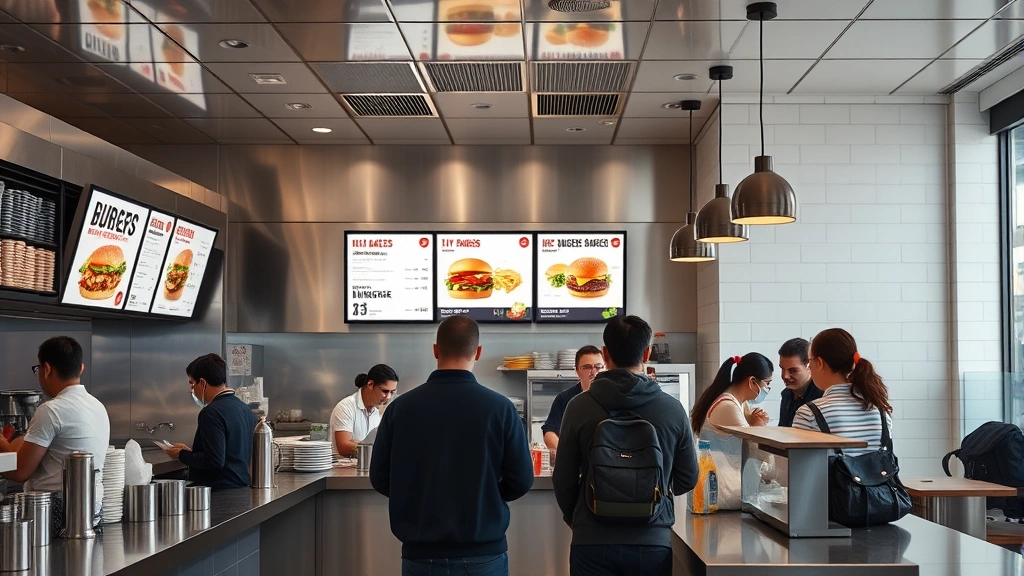
” alt=”Fast food restaurant counter with digital menu boards displaying burger options, professional lighting, modern interior”>
Fries and Sides: Nutritional Reality Check
In-N-Out’s French fries are a cultural staple, yet their nutritional profile often surprises consumers. A regular order contains 365 calories, 17 grams of carbohydrates (primarily from the potato), and 17 grams of fat. Notably, they’re cooked in 100% vegetable oil with no animal fats, though the preparation method still yields significant caloric density.
The sodium content in fries reaches 246 milligrams per regular serving, which compounds when paired with a burger. A complete meal of Single Cheeseburger plus regular fries delivers approximately 1,296 milligrams of sodium—57% of the daily recommended intake in a single sitting. For individuals managing hypertension or following a healthy nutrition plan for eating well, this consideration is significant.
A small fries order (the minimum available) contains approximately 240 calories and 160 milligrams of sodium, making it a reasonable compromise. Alternatively, requesting fries “light” results in a less-filled container, reducing portion size without special preparation. The chain also offers a limited vegetable option through their secret menu: a burger with extra lettuce and tomato instead of standard lettuce, though this isn’t widely promoted.
Drinks present another caloric consideration. A 21-ounce soft drink contains 220-250 calories from simple sugars, with zero nutritional value beyond calories. Substituting with unsweetened iced tea or water eliminates this liquid calorie source, reducing a typical meal’s total caloric content by 250 calories—a 15-20% reduction.
Beverage Choices and Hidden Sugar Content
Beverage selection represents one of the highest-impact decisions for nutritional outcomes at fast-casual restaurants. In-N-Out’s drink menu includes several categories with dramatically different nutritional profiles. A regular Coca-Cola (21 oz) contains 220 calories and 61 grams of sugar—exceeding the entire daily recommended sugar intake for many adults in a single beverage.
According to CDC nutrition guidelines, added sugars should comprise less than 10% of daily calories. For a 2,000-calorie diet, this allows approximately 50 grams of sugar daily. A single In-N-Out soft drink nearly achieves this limit before considering the burger, fries, and any other foods consumed that day.
Diet sodas eliminate sugar content but introduce artificial sweeteners, which research suggests may influence metabolic pathways differently than originally believed. A review in Nutrients journal indicates that artificial sweeteners may alter gut microbiota composition, though evidence remains mixed regarding clinical significance. Unsweetened iced tea offers a middle ground: zero calories, zero sugar, and mild caffeine content without the sweetener debate.
Lemonade at In-N-Out contains approximately 170 calories and 41 grams of sugar per 21-ounce serving. While slightly lower in sugar than soft drinks, it remains a significant source of simple carbohydrates. For individuals managing diabetes or pursuing weight management, this option requires the same scrutiny as sodas.
Water remains the optimal choice from a purely nutritional standpoint. In-N-Out provides free water upon request, making this option accessible to all customers regardless of budget constraints. Substituting water for a standard soft drink saves 220 calories—equivalent to a small fries portion—demonstrating the beverage selection’s outsized impact on total meal nutrition.
Customization Strategies for Healthier Orders
In-N-Out’s limited menu encourages customization rather than restricting consumers to pre-set combinations. Understanding available modifications enables strategic ordering that aligns with personal nutrition goals. The most straightforward approach involves requesting additional vegetables without charge: extra lettuce, tomato, and onion increase volume and micronutrient content while minimally impacting caloric density.
Requesting sauce modifications significantly impacts nutritional outcomes. In-N-Out’s spread (similar to Thousand Island dressing) contains approximately 100 calories per burger through two slices. Requesting “light spread” or “no spread” reduces caloric and fat content substantially. For those enjoying flavor without the caloric commitment, requesting ketchup and mustard only provides 20-30 calories while maintaining taste satisfaction.
Pickles, available upon request, add minimal calories (5-10 per burger) while providing flavor complexity and potential probiotic benefits through fermentation. This customization appeals to those seeking flavor enhancement without caloric burden. Similarly, requesting extra onion adds crunch and micronutrient variety without significant nutritional penalty.
For those following specific dietary frameworks, the secret menu offers additional options. Animal Style preparation (grilled onions, pickles, mustard, and sauce) adds approximately 150 calories but provides flavor depth that may increase satiation. Protein-style burgers remain the most significant customization for carbohydrate-restricted approaches, though requesting a whole wheat bun (available at some locations) provides additional fiber for standard burger orders.
Timing and frequency considerations matter as much as individual meal composition. Incorporating In-N-Out strategically into a broader dietary pattern differs significantly from daily consumption. Those eating fast-casual burgers multiple times weekly should select lower-calorie options consistently, while occasional consumers may enjoy double burgers without compromising long-term health outcomes.
Sodium and Heart Health Considerations
Sodium content represents In-N-Out’s most challenging nutritional aspect for health-conscious consumers. A Double-Double burger contains 1,440 milligrams of sodium—63% of the recommended daily intake. Combined with fries (246 mg) and a soft drink (60 mg), a typical meal delivers 1,746 milligrams of sodium, approaching the entire daily recommendation in a single eating occasion.
The American Heart Association recommends limiting sodium to 2,300 milligrams daily, though many health organizations suggest 1,500 milligrams for optimal cardiovascular health. Individuals with hypertension, heart disease, or family history of cardiovascular conditions should monitor sodium intake carefully. Consuming In-N-Out requires compensatory sodium reduction in other meals that day to maintain health targets.
This sodium reality doesn’t mean In-N-Out is incompatible with heart-healthy eating; rather, it requires strategic integration. Pairing an In-N-Out meal with sodium-restricted meals the remainder of the day (focusing on whole foods, herbs, and spices rather than processed items) enables consumption within overall daily targets. Nutrition Solutions approaches emphasize total dietary patterns rather than demonizing individual foods.
For those with diagnosed hypertension, consulting with healthcare providers about appropriate fast-casual consumption frequency establishes personalized guidelines. Some individuals with well-controlled blood pressure tolerate occasional In-N-Out meals without adverse effects, while others require stricter sodium restriction. Pharmacy-provided blood pressure monitoring enables individual assessment of how fast-casual meals affect personal health metrics.
Fitting In-N-Out Into Your Nutrition Plan
In-N-Out’s affordability and accessibility make it a practical component of many people’s eating patterns, particularly those with limited budgets or time constraints. Rather than viewing fast-casual consumption as dietary failure, integrating it strategically into a broader nutritional framework enables sustainable balance. This approach aligns with nutrition and mental health principles that emphasize reducing food-related anxiety and shame.
For weight management goals, In-N-Out accommodates lower-calorie approaches through protein-style burgers and strategic beverage choices. A protein-style single burger with water totals approximately 240 calories—suitable for lighter meals within a daily caloric deficit. Adding a small fries brings the total to 480 calories, comparable to a moderate restaurant meal.
For athletic performance, In-N-Out’s carbohydrate and protein content supports post-workout nutrition needs. A Double-Double burger (670 calories, 39g protein, 40g carbohydrates) provides an effective post-exercise meal, particularly when paired with water. Athletes in high-volume training blocks benefit from the caloric density and convenient macronutrient distribution.
For those managing diabetes, In-N-Out requires carbohydrate counting and blood sugar monitoring. A single burger (390 calories, 39g carbohydrates) requires insulin dosing for type 1 diabetics. Protein-style burgers reduce carbohydrate load substantially, making them preferable for those seeking lower glycemic impact. Pairing any burger with protein and fat (inherent in the burger itself) slows carbohydrate absorption compared to burger-plus-fries combinations.
Frequency considerations matter significantly. Consuming In-N-Out once monthly differs nutritionally from twice-weekly consumption. Monthly visits allow flexibility in customization choices without accumulating excessive sodium or saturated fat exposure. Twice-weekly consumption requires consistent selection of lower-sodium, lower-calorie options to maintain health targets across the broader diet.
Budget-conscious eating often necessitates fast-casual restaurant use. In-N-Out’s affordability—a cheeseburger and fries typically cost $4-6—makes it accessible for those with limited food budgets. Optimizing nutritional outcomes within budget constraints involves selecting smaller portions (single burgers over doubles), minimizing add-ons, and requesting water instead of beverages, reducing per-meal costs while improving nutritional profiles.
” alt=”Registered dietitian reviewing nutrition data on tablet, professional office setting, natural lighting, healthy eating resources visible”>
FAQ
What’s the healthiest burger option at In-N-Out?
The protein-style single burger represents the lowest-calorie option (240 calories) while maintaining protein content (16g). For balanced macronutrients, a single cheeseburger (480 calories, 27g protein) provides reasonable proportions. The choice depends on individual dietary goals: weight loss favors protein-style; athletic performance may favor standard burgers with carbohydrates.
How much sodium is in In-N-Out meals?
A typical meal (single cheeseburger, regular fries, soft drink) contains approximately 1,400-1,500 milligrams of sodium—60-65% of daily recommendations. This makes In-N-Out high-sodium and requires compensatory sodium reduction in other meals for those monitoring intake.
Can I eat In-N-Out while dieting?
Yes, with strategic choices. Protein-style single burgers (240 calories) fit within most caloric deficits. Pairing with water instead of beverages and minimizing fries reduces total meal calories significantly. Occasional consumption (once or twice monthly) accommodates most dietary approaches.
What about In-N-Out for diabetes management?
Protein-style burgers eliminate carbohydrates, making them suitable for very-low-carb approaches. Standard burgers require carbohydrate counting and insulin dosing for type 1 diabetics. Pairing any burger with protein and fat (inherent in the burger) slows carbohydrate absorption. Consult with your diabetes care team about appropriate consumption frequency.
Are In-N-Out fries healthy?
In-N-Out fries contain 365 calories and 17g fat per regular serving, with 246mg sodium. They’re cooked in vegetable oil without animal fats but remain calorie-dense. A small fries order reduces calories to approximately 240 while maintaining the experience.
What’s the best drink choice at In-N-Out?
Water is nutritionally optimal (zero calories, zero sugar). Unsweetened iced tea provides flavor without caloric or sugar content. Soft drinks contain 220-250 calories and 60+ grams of sugar per serving—approaching or exceeding daily recommended sugar intake in a single beverage.
How often can I eat In-N-Out safely?
Once or twice monthly accommodates most dietary approaches without accumulating excessive sodium or saturated fat exposure. More frequent consumption requires consistent selection of lower-calorie, lower-sodium options and compensatory dietary choices throughout the day.


