What’s in a Potbelly Sandwich? Dietitian Explains
Potbelly Sandwich Shop has become a staple for quick lunch options across America, with locations serving millions of sandwiches annually. Whether you’re a regular customer or considering ordering for the first time, understanding the nutritional breakdown of these popular sandwiches is essential for making informed dietary choices. As a registered dietitian, I’ve analyzed Potbelly’s menu extensively to help you navigate their offerings with confidence and clarity.
This comprehensive guide breaks down what actually goes into a Potbelly sandwich, examining macronutrient content, sodium levels, ingredient quality, and how these meals fit into various dietary patterns. Whether you’re counting calories, managing sodium intake, or simply curious about what you’re eating, this analysis provides the detailed information you need.
Potbelly Sandwich Basics: What You’re Ordering
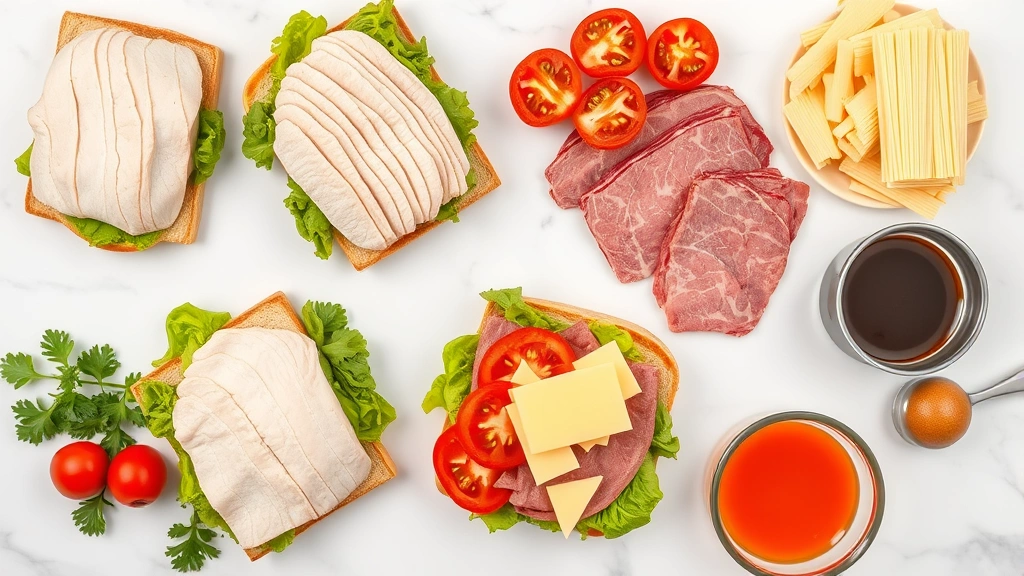
Potbelly Sandwich Shop operates on a simple premise: build-your-own or choose from signature combinations. Each sandwich typically consists of four main components: bread, protein, vegetables, and condiments. Understanding these elements is crucial for evaluating the nutritional profile of your meal.
The standard Potbelly sandwich uses freshly baked bread, which distinguishes it from many fast-casual competitors. The chain emphasizes made-to-order preparation, meaning ingredients are assembled fresh rather than pre-packaged. This approach offers both advantages and challenges from a nutritional standpoint. While fresh ingredients generally contain fewer preservatives, the portion sizes can be generous, and condiments are often applied liberally.
Most customers order one of Potbelly’s signature sandwiches, which include options like the Wreck, the Italian, the Chicken Salad, and the Roast Beef. Each signature combination has been carefully crafted by the restaurant to balance flavors, but they haven’t necessarily been optimized for nutritional value. This is where understanding nutrition solutions becomes essential for making better choices.
Calorie Content Across Popular Sandwiches
Calorie content represents the most straightforward nutritional metric for many consumers, though it tells only part of the story. A standard medium Potbelly sandwich ranges from approximately 500 to 1,000 calories, depending on the specific sandwich and bread choice.
The “Wreck” sandwich, one of Potbelly’s most popular offerings, contains around 850-900 calories for a medium size. This sandwich combines roast beef, turkey, ham, and bacon with multiple cheese options and condiments. The high calorie count stems primarily from the protein sources and added fats from cheese and mayo-based spreads.
Lighter options include the “Chicken Salad” sandwich at approximately 650 calories, though this figure can increase significantly depending on customization. The “Italian” sandwich, featuring Italian meats and cheese, typically ranges from 750-850 calories. Vegetarian options like the “Garden Veggie” are among the lowest-calorie choices at around 500-600 calories.
It’s important to note that these figures represent the sandwich alone and don’t include sides, drinks, or additional items customers typically order. A complete Potbelly meal with chips and a beverage can easily exceed 1,500 calories, representing nearly a full day’s caloric needs for some individuals. For context on how fast-casual meals fit into your overall diet, reviewing a healthy nutrition plan guide can provide valuable perspective.
Protein, Fat, and Carbohydrate Breakdown
Beyond calories, the macronutrient composition determines how a Potbelly sandwich affects your body and satiety levels. Most Potbelly sandwiches contain substantial protein quantities, ranging from 35 to 55 grams depending on the sandwich type and size.
The “Wreck” sandwich provides approximately 45 grams of protein, derived from the combination of roast beef, turkey, ham, and bacon. This protein content is beneficial for muscle maintenance and satiety, helping you feel fuller longer. However, much of this protein comes packaged with significant fat content from processed meats and cheese.
Fat content in Potbelly sandwiches typically ranges from 25 to 50 grams, with saturated fat comprising 10-20 grams of that total. The primary fat sources include processed meats, cheese, and mayonnaise-based spreads. These saturated fats warrant consideration, particularly for individuals monitoring cholesterol levels or cardiovascular health.
Carbohydrates represent another significant macronutrient, ranging from 60 to 100 grams per sandwich. The bread contributes the majority of carbohydrates, though condiments and some fillings add additional carbs. For those following low-carbohydrate dietary approaches, standard Potbelly sandwiches present challenges.
The macronutrient ratio often skews toward carbohydrates and fats, with protein being the most abundant macronutrient by percentage. This composition can lead to rapid blood sugar spikes, particularly in individuals with insulin sensitivity concerns. Understanding how to optimize your meal planning for better nutrition helps you integrate occasional fast-casual meals more strategically.
Sodium and Additives: The Hidden Concerns
Perhaps the most significant nutritional concern with Potbelly sandwiches involves sodium content. A single medium sandwich often contains 1,500-2,000 milligrams of sodium, representing 65-85% of the recommended daily intake for most adults.
This extraordinarily high sodium content stems from multiple sources: cured and processed meats (roast beef, turkey, ham, bacon), cheese, and sodium-containing condiments. The bread itself typically contains 400-600 milligrams of sodium per serving. When combined, these ingredients create a sodium bomb that can significantly impact daily intake.
For individuals managing hypertension, heart disease, or kidney conditions, a single Potbelly sandwich represents a problematic amount of sodium. The American Heart Association recommends limiting daily sodium to 2,300 milligrams, meaning one sandwich uses up to 87% of that allowance in a single meal.
Beyond sodium, Potbelly sandwiches contain various food additives and preservatives. Processed meats include sodium nitrites, phosphates, and other preservatives that extend shelf life and enhance color. While these additives are generally recognized as safe by the FDA, some consumers prefer minimizing their intake. Research from Pew Research Center indicates growing consumer interest in understanding food additives and their health implications.
Sugar content, though not always highlighted, can be notable in some Potbelly sandwiches, particularly those with sweeter breads or condiments containing high-fructose corn syrup. Some sandwich combinations exceed 10 grams of added sugar, contributing to daily sugar intake without obvious sweetness.
Bread Options and Their Nutritional Impact
Potbelly offers several bread choices, each with distinct nutritional profiles that significantly impact the overall sandwich composition. The standard “Original” bread is a soft, traditional white bread with a tender crumb structure. This bread option contains approximately 400 calories and 70 grams of carbohydrates for a medium sandwich.
The “Whole Wheat” option provides slightly more fiber, with approximately 5 grams per sandwich compared to 2-3 grams in white bread. This additional fiber supports digestive health and may improve satiety, though the calorie and carbohydrate content remains similar to white bread.
“Gluten-Free” bread is available at many Potbelly locations, catering to individuals with celiac disease or gluten sensitivity. However, gluten-free bread often contains additional ingredients to improve texture and shelf life, sometimes resulting in higher calorie and sugar content than traditional options.
The “Multigrain” bread offers increased fiber content and a more complex nutrient profile compared to white bread, though availability varies by location. This option may benefit individuals seeking additional micronutrients and fiber for digestive support.
Bread selection represents one of the most impactful customization decisions when ordering at Potbelly. Choosing whole wheat or multigrain options can increase fiber intake by 3-4 grams, improve micronutrient content, and provide a lower glycemic response compared to white bread alternatives.
Customization Strategies for Healthier Choices
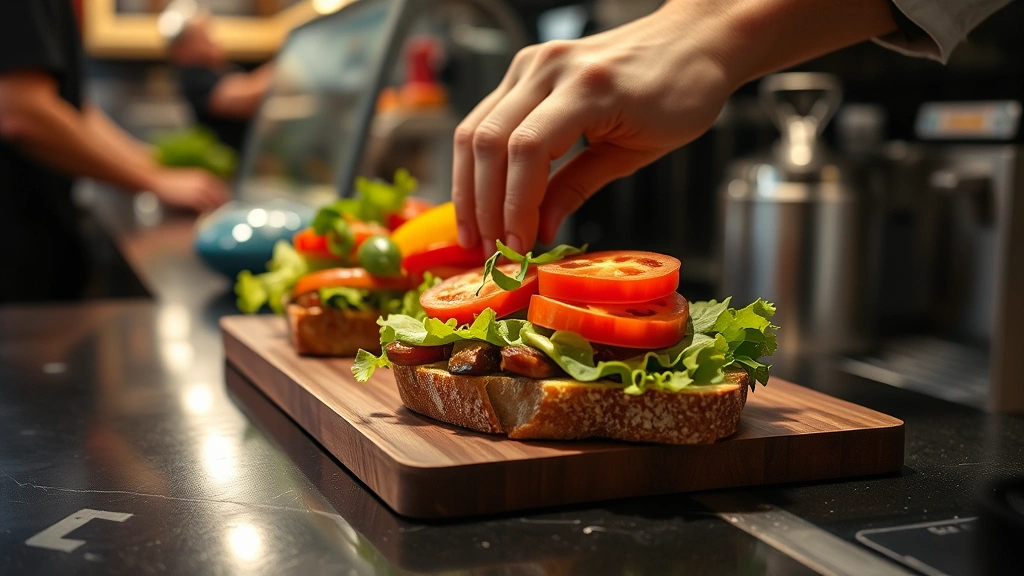
The made-to-order nature of Potbelly sandwiches provides significant opportunity for customization that can substantially improve nutritional value. Strategic modifications can reduce calories, sodium, and unhealthy fats while maintaining satisfaction and flavor.
Protein Selection: Choose single protein options rather than combinations. A turkey or chicken sandwich will contain fewer calories and less saturated fat than multi-meat combinations. Request grilled chicken as an alternative to processed meats when available, as it typically contains less sodium and fewer additives.
Cheese Reduction: Request half the cheese or no cheese entirely. Removing cheese alone can reduce calories by 150-200 and saturated fat by 8-12 grams. If you enjoy cheese flavor, specify a single slice rather than double portions.
Condiment Control: Ask for condiments on the side or request reduced amounts. Mayo-based spreads contribute significant calories and fat without proportional nutritional benefit. Mustard, vinegar, or oil-based dressings provide flavor with fewer calories.
Vegetable Maximization: Request additional vegetables including lettuce, tomatoes, onions, peppers, and cucumbers. These additions increase fiber, micronutrients, and volume without substantially increasing calories, improving satiety and nutritional density.
Bread Optimization: Select whole grain options as discussed previously. This single change improves fiber content and provides better sustained energy compared to white bread.
These customization strategies can reduce a typical Potbelly sandwich from 900 calories and 2,000 milligrams of sodium to approximately 650 calories and 1,200 milligrams of sodium. While sodium remains elevated, this represents meaningful improvement for individuals monitoring intake.
How Potbelly Fits Into Your Nutrition Plan
Understanding Potbelly’s nutritional profile allows you to integrate these sandwiches strategically into a balanced diet rather than viewing them as nutritional pariahs. For most individuals, occasional Potbelly meals pose no significant health concerns, particularly when balanced with nutrient-dense meals on other days.
For individuals following a nutrition plan optimized for athletic performance, Potbelly sandwiches can serve specific purposes. The substantial protein content supports muscle recovery, while carbohydrates replenish glycogen stores post-exercise. A customized sandwich following the strategies outlined above provides approximately 45-50 grams of protein and 70-80 grams of carbohydrates, making it suitable for post-workout nutrition.
For weight management, portion control and strategic customization become essential. A customized medium sandwich at 650 calories can fit appropriately into a 2,000-calorie daily allowance, particularly when paired with lighter meals and appropriate beverage choices (water rather than soda or sweet tea).
Individuals managing sodium-sensitive conditions should approach Potbelly cautiously. Even customized sandwiches exceed 1,200 milligrams of sodium, which represents significant intake for those limiting to 1,500-2,000 milligrams daily. These individuals might reserve Potbelly visits for occasional treats rather than regular meals.
For those interested in understanding how fast-casual meals integrate into comprehensive nutrition strategies, consulting resources on improving nutrient absorption and dietary optimization provides valuable context.
The key principle involves viewing Potbelly sandwiches as one tool within a broader dietary approach rather than a nutritional foundation. Regular consumption of whole foods, home-prepared meals, and nutrient-dense options should comprise the majority of your diet, with fast-casual options like Potbelly serving as convenient alternatives when necessary.
Research from Food Politics demonstrates that occasional indulgences within an otherwise balanced diet have minimal impact on long-term health outcomes. Conversely, frequent consumption of calorie-dense, sodium-heavy meals contributes to chronic disease risk regardless of occasional healthier choices.
FAQ
What is the lowest-calorie Potbelly sandwich?
The “Garden Veggie” sandwich represents the lowest-calorie option at approximately 500-550 calories for a medium size. This vegetarian option contains primarily vegetables and lighter condiments compared to meat-based sandwiches. However, customizing any sandwich by removing cheese, reducing condiments, and maximizing vegetables can create similarly low-calorie options.
How much sodium is in a Potbelly sandwich?
A standard medium Potbelly sandwich contains 1,500-2,000 milligrams of sodium depending on the specific sandwich and customizations. This represents 65-87% of the recommended daily sodium intake for most adults. Customization can reduce sodium to approximately 1,200 milligrams by selecting single proteins, reducing cheese, and requesting lighter condiment application.
Are Potbelly sandwiches good for muscle building?
Yes, Potbelly sandwiches can support muscle-building goals due to their substantial protein content ranging from 35-55 grams. However, the high sodium and saturated fat content means they shouldn’t comprise the primary protein source in a muscle-building diet. They function best as occasional convenient meals supplementing whole-food protein sources.
Can I eat Potbelly on a low-carb diet?
Traditional Potbelly sandwiches contain 70-100 grams of carbohydrates, making them incompatible with strict low-carbohydrate approaches. However, some locations offer lettuce wraps or modified options that substantially reduce carbohydrate content. Requesting a “protein salad” with sandwich fillings without bread can create a lower-carb alternative.
What makes Potbelly sandwiches high in sodium?
Sodium content stems from multiple sources: processed cured meats (roast beef, turkey, ham, bacon), cheese, bread, and sodium-containing condiments. Individually, each component contains moderate sodium, but combined, they create an exceptionally high-sodium meal. Single-protein selections with reduced cheese and condiments substantially lower sodium content.
How often can I safely eat Potbelly sandwiches?
For most healthy individuals, weekly Potbelly consumption poses no significant health concerns, particularly when customized strategically. Those managing sodium-sensitive conditions, hypertension, or cardiovascular disease should limit consumption to monthly or less frequent occasions. The frequency ultimately depends on your individual health status and overall dietary patterns.
Does Potbelly offer nutritional information?
Yes, Potbelly provides detailed nutritional information on their website and in-store, including calorie content, macronutrients, sodium, and allergen information. This transparency allows informed decision-making before ordering. Reviewing this information before visiting helps identify sandwiches aligning with your nutritional goals.