Ribeye Nutrition Facts: Dietitian Insights
Ribeye steak stands as one of America’s most beloved cuts of beef, prized for its marbling, tenderness, and rich flavor. Yet beyond the culinary appeal lies a complex nutritional profile that warrants deeper examination. As a registered dietitian nutritionist, understanding the comprehensive breakdown of ribeye nutrition helps consumers make informed dietary choices aligned with their health goals. This analysis explores the macronutrients, micronutrients, and bioavailable compounds found in this premium cut, examining both its nutritional benefits and considerations for balanced consumption.
The ribeye’s reputation extends beyond restaurants and steakhouses—it represents a significant source of protein and essential minerals in the American diet. Whether you’re an athlete optimizing performance or simply seeking to understand your food choices, ribeye nutrition deserves nuanced examination. This guide synthesizes current nutritional science with practical dietary guidance to help you incorporate this protein source meaningfully into your eating patterns.
Macronutrient Breakdown
A 3-ounce (85g) serving of ribeye steak contains approximately 180-210 calories, making it a calorie-dense protein source. The macronutrient distribution reflects its nature as a fatty cut: roughly 20-25 grams of protein, 10-14 grams of total fat, and negligible carbohydrates. This composition differs significantly from leaner cuts like sirloin or tenderloin, which contain comparable protein with substantially lower fat content.
The caloric density of ribeye necessitates intentional portion sizing, particularly for individuals following calorie-restricted diets or managing weight. However, this energy density also makes ribeye an efficient choice for those with elevated energy requirements. Athletes pursuing nutrition for athletes and optimizing performance through diet may leverage ribeye’s concentrated nutrient profile strategically.
The saturated fat content—approximately 4-5 grams per 3-ounce serving—represents the primary nutritional consideration for cardiovascular health. Contemporary dietary guidelines suggest limiting saturated fat to 5-6% of total daily calories, translating to roughly 10-13 grams daily for a 2,000-calorie diet. A single ribeye serving provides 30-50% of this recommendation, emphasizing the importance of moderation and complementary dietary choices throughout the day.
Protein Content and Amino Acids
Ribeye delivers approximately 22 grams of complete protein per 3-ounce serving, containing all nine essential amino acids in optimal ratios for human nutrition. This complete amino acid profile distinguishes animal proteins from most plant-based sources, making ribeye particularly valuable for muscle protein synthesis and tissue repair. The bioavailable leucine content—approximately 1.8 grams per serving—plays a crucial role in triggering mTOR signaling pathways essential for muscle building.
For individuals engaged in resistance training or strength development, ribeye’s amino acid composition supports recovery and adaptation. The presence of creatine—naturally occurring in beef at concentrations around 350mg per 100g—provides additional ergogenic support for those pursuing performance optimization. This endogenous creatine content means ribeye consumers receive supplemental creatine benefits without deliberate supplementation.
The protein quality of ribeye ranks exceptionally high on the Protein Digestibility-Corrected Amino Acid Score (PDCAAS), achieving a perfect 1.0 rating. This indicates virtually complete digestibility and utilization efficiency compared to plant proteins, which typically score 0.4-0.9. For elderly populations at risk of sarcopenia or individuals with compromised digestive capacity, ribeye’s superior protein quality offers particular advantage.

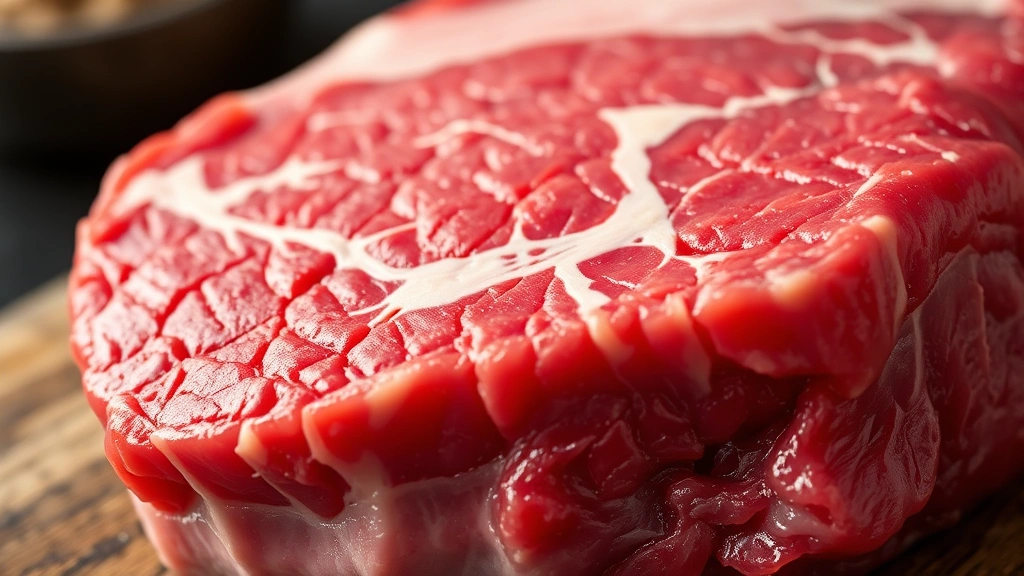
” alt=”Close-up of marbled raw ribeye steak showing intramuscular fat distribution and protein-rich muscle tissue” />
Fat Composition and Heart Health
The fat content in ribeye extends beyond simple saturated fat categorization. Approximately 40-50% of ribeye’s fat consists of monounsaturated fatty acids, including oleic acid—the same heart-healthy compound abundant in olive oil. This nuance often escapes popular discourse, which tends to characterize beef fat monolithically as problematic. Research published in the American Journal of Clinical Nutrition demonstrates that beef consumption within moderate portions demonstrates neutral or favorable effects on cardiovascular markers when saturated fat remains within recommended thresholds.
Conjugated linoleic acid (CLA)—a naturally occurring trans fatty acid distinct from industrial trans fats—comprises 0.5-1% of ribeye’s total fat content. Emerging evidence suggests CLA may support body composition and metabolic health, though human studies remain limited. Grassfed beef contains approximately 50% more CLA than conventional grain-fed ribeye, making beef sourcing relevant for those prioritizing this compound.
The cholesterol content of ribeye—roughly 70-80mg per 3-ounce serving—contributes meaningfully to daily intake, as dietary guidelines suggest limiting cholesterol to 300mg daily for most adults. However, contemporary nutritional science recognizes that dietary cholesterol’s impact on serum cholesterol varies considerably between individuals, with some demonstrating minimal response while others show moderate elevation. Genetic factors, overall dietary patterns, and physical activity level substantially mediate this relationship.
For individuals managing healthy nutrition plans and eating well for life, ribeye integration needn’t mean exclusion. Strategic portion control combined with complementary dietary choices—adequate fiber, phytochemicals from vegetables, omega-3 fatty acids from fish—creates balanced patterns supporting cardiovascular health despite ribeye’s saturated fat content.
Essential Micronutrients
Beyond macronutrients, ribeye provides exceptional micronutrient density. A single 3-ounce serving delivers approximately 25-30% of daily iron requirements, primarily in the highly bioavailable heme form. Heme iron absorption rates reach 15-35%, substantially exceeding non-heme iron from plant sources, which achieves only 2-20% absorption efficiency. This distinction proves critical for populations at risk of iron deficiency, including menstruating women, athletes with elevated iron losses through sweat, and vegetarians transitioning to omnivorous patterns.
Vitamin B12 content in ribeye—approximately 1.5 micrograms per 3-ounce serving—represents roughly 60% of the recommended daily allowance. This bioavailable B12 proves particularly valuable for older adults, whose gastric acid production declines with age, impairing B12 extraction from other sources. The methylcobalamin and cyanocobalamin forms present in beef demonstrate superior absorption compared to supplemental forms for many individuals.
Zinc concentration in ribeye reaches 5-7mg per 3-ounce serving, providing 45-65% of daily requirements. This bioavailable zinc supports immune function, wound healing, and enzymatic reactions critical for metabolism. The zinc-to-phytate ratio in beef far exceeds plant-based sources, meaning ribeye zinc demonstrates superior absorption despite potentially lower absolute content than certain seeds or legumes.
Selenium, phosphorus, and niacin round out ribeye’s micronutrient profile. Selenium content—approximately 30 micrograms per serving—supports thyroid function and antioxidant defense systems. Phosphorus contributes to bone mineralization and energy metabolism. Niacin (vitamin B3) facilitates energy production and DNA repair.
Bioavailability and Nutrient Absorption
Ribeye nutrition extends beyond simple nutrient content to absorption efficiency—the degree to which consumed nutrients become available for physiological utilization. The heme iron and vitamin B12 in ribeye demonstrate absorption rates substantially exceeding plant-based alternatives, meaning the nutritional impact exceeds what simple comparison tables suggest.
Beef consumption actually enhances absorption of non-heme iron from complementary foods through the “meat factor”—compounds in animal protein that facilitate iron absorption. Consuming ribeye alongside legumes, grains, or leafy greens amplifies iron bioavailability from these plant sources, creating synergistic nutritional effects. This principle underlies traditional dietary combinations across cultures—beef with beans, steak with vegetables.
The amino acid profile of ribeye protein facilitates mineral absorption through improved gastric pH and chelation chemistry. Taurine, carnosine, and anserine—non-essential amino acids abundant in beef—demonstrate antioxidant and anti-inflammatory properties potentially supporting nutrient utilization and metabolic health. These compounds remain largely absent from plant proteins, representing another dimension of beef’s unique nutritional contribution.
Cooking method substantially influences ribeye’s nutritional value. High-temperature cooking creates heterocyclic amines (HCAs) and polycyclic aromatic hydrocarbons (PAHs)—compounds with potential mutagenic properties when consumed in excessive quantities. Marinating with antioxidant-rich herbs, utilizing lower cooking temperatures, and avoiding charring minimize HCA formation while preserving nutrient density. This consideration underscores the importance of preparation technique within comprehensive dietary patterns.
Portion Control Recommendations
Dietitian guidance regarding ribeye emphasizes appropriate portion sizing rather than absolute elimination. The American Heart Association suggests limiting red meat consumption to 6 ounces weekly—roughly equivalent to two 3-ounce servings. This framework permits ribeye inclusion within heart-healthy dietary patterns when combined with adequate plant foods and physical activity.
For individuals following tips for meal planning, ribeye integrates most successfully as part of balanced meals incorporating substantial vegetable portions, whole grains, and legumes. A 4-ounce ribeye steak combined with roasted vegetables, a whole grain side, and leafy green salad creates nutritionally complete meals supporting diverse health objectives.
Frequency of consumption deserves consideration alongside portion size. Consuming ribeye twice weekly at 3-ounce portions differs substantially from consuming it daily, despite identical weekly quantities. Dietary diversity—rotating between ribeye, fish, poultry, and plant-based proteins—optimizes nutrient variety while managing saturated fat accumulation.
Individual factors including age, sex, activity level, metabolic health, and cardiovascular risk profile should inform personal ribeye consumption recommendations. Sedentary individuals with elevated blood pressure or cholesterol benefit from more conservative portions than active individuals with healthy metabolic markers. Personalized nutrition assessment with qualified professionals ensures recommendations align with individual health trajectories.
Integration into Dietary Patterns
Ribeye nutrition becomes meaningful within comprehensive dietary contexts rather than isolation. The American Heart Association guidelines acknowledge that moderate red meat consumption within balanced dietary patterns poses minimal cardiovascular risk for most adults. Mediterranean-style eating patterns incorporating moderate ribeye portions alongside abundant plant foods, fish, and olive oil demonstrate superior health outcomes compared to high-red-meat Western patterns.
Athletes and individuals pursuing nutrition solutions for performance optimization benefit from ribeye’s concentrated nutrient and caloric density. Post-workout meals combining ribeye with carbohydrate sources facilitate glycogen repletion and muscle protein synthesis simultaneously. The creatine, carnosine, and taurine naturally present in ribeye support recovery adaptation.
For older adults concerned with nutrition and mental health and how diet impacts the brain, ribeye’s B12 and iron content supports cognitive function and energy metabolism. The choline present in beef—approximately 90mg per 3-ounce serving—contributes to acetylcholine synthesis essential for memory and attention.
Individuals managing type 2 diabetes benefit from ribeye’s zero-carbohydrate composition and protein-induced satiety. The fat content slows gastric emptying, promoting sustained fullness and reducing postprandial blood sugar elevation compared to carbohydrate-based meals. Strategic ribeye incorporation supports metabolic health management for many individuals with glucose dysregulation.
Those following nutrients pathway blog resources recognize that sustainable nutrition requires psychological satisfaction alongside physiological optimization. Ribeye’s sensory properties—rich flavor, satisfying texture, cultural significance—support dietary adherence when incorporated mindfully within balanced patterns. Elimination-based approaches often prove unsustainable, whereas moderate inclusion strategies facilitate long-term compliance.
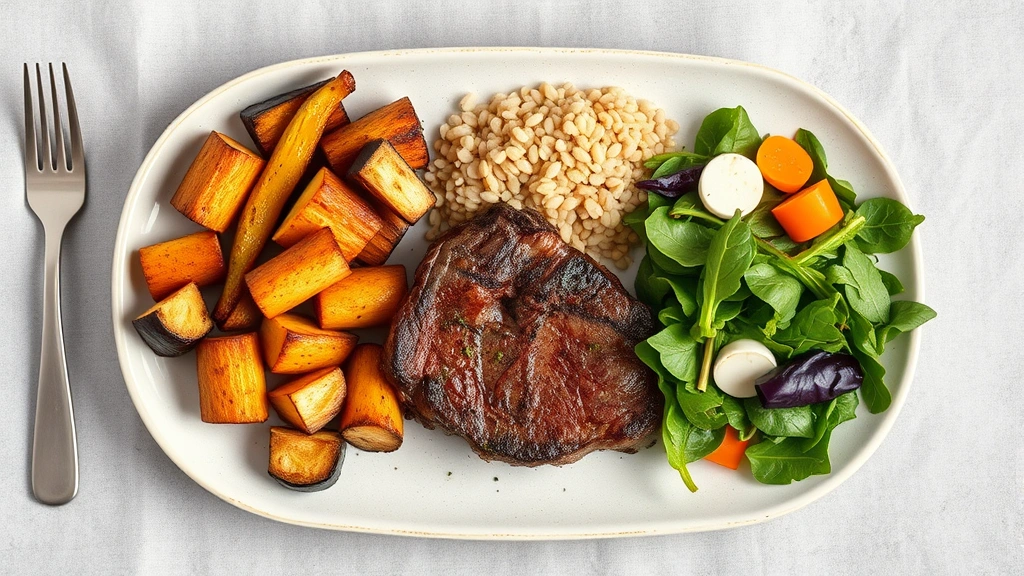
” alt=”Nutritionist reviewing dietary assessment documents with healthy meal components including lean protein, vegetables, and whole grains on table” />
FAQ
How much ribeye can I safely consume weekly?
The American Heart Association recommends limiting red meat to 6 ounces weekly for optimal cardiovascular health. This translates to two 3-ounce servings or one 6-ounce steak weekly. Individual tolerance varies based on overall dietary pattern, activity level, and metabolic health status. Consulting with a registered dietitian provides personalized recommendations aligned with your specific health profile.
Is ribeye appropriate for weight loss diets?
Ribeye can support weight loss when portion-controlled strategically. The high protein content promotes satiety, reducing overall caloric intake. However, the caloric density (60-70 calories per ounce) requires careful portion management. A 3-ounce serving fits within most calorie-restricted diets, particularly when combined with high-volume, low-calorie vegetables. Leaner cuts like sirloin or tenderloin may prove more practical for aggressive caloric restriction.
Does grass-fed ribeye differ nutritionally from grain-fed?
Grass-fed ribeye contains approximately 50% more conjugated linoleic acid (CLA) and higher omega-3 fatty acid concentrations compared to grain-fed beef. The vitamin E and beta-carotene content also exceeds grain-fed versions. However, these differences remain modest in absolute terms. Both grass-fed and grain-fed ribeye provide excellent protein quality and micronutrient density. Accessibility and budget considerations may outweigh marginal nutritional differences for many consumers.
How does cooking method affect ribeye’s nutritional value?
Cooking method substantially influences nutritional outcomes. High-temperature cooking (broiling, grilling above 300°F) creates heterocyclic amines (HCAs). Lower-temperature methods (slow roasting, sous vide, braising) minimize HCA formation while preserving micronutrients. Marinating with antioxidant-rich herbs reduces HCA production by 80-90%. Avoiding charring and maintaining internal temperatures of 160°F minimizes harmful compound formation while ensuring food safety.
Can I consume ribeye with high cholesterol levels?
Moderate ribeye consumption remains possible for many individuals with elevated cholesterol, particularly when combined with physical activity, adequate fiber, and plant foods. Dietary cholesterol’s impact on serum cholesterol varies individually—some people demonstrate minimal response while others show moderate elevation. Genetic factors (APOE genotype) substantially influence this relationship. Consulting your healthcare provider or registered dietitian ensures recommendations align with your specific lipid profile and cardiovascular risk factors.
Does ribeye contain significant amounts of micronutrients besides iron and B12?
Yes, ribeye provides substantial quantities of zinc (45-65% of daily needs), selenium (40-50% of daily needs), phosphorus (20-25% of daily needs), and niacin (25-30% of daily needs) per 3-ounce serving. The bioavailability of these minerals exceeds most plant sources, meaning nutritional impact exceeds simple comparison. These micronutrients support immune function, thyroid health, bone mineralization, and energy metabolism.
Is ribeye suitable for vegetarians or those reducing meat consumption?
Ribeye remains exclusively for omnivorous diets due to its animal origin. Individuals reducing meat consumption while maintaining some animal product inclusion might incorporate ribeye strategically—perhaps monthly rather than weekly—while emphasizing plant-based proteins for primary consumption. Those seeking to replace ribeye’s nutritional contributions might combine legumes with vitamin C sources for enhanced iron absorption, supplement with B12, and consume zinc-rich seeds and nuts.
How does ribeye compare nutritionally to other beef cuts?
Ribeye contains more total fat and slightly fewer calories per gram than sirloin but provides comparable protein quality. Tenderloin offers less fat but reduces caloric density. Ground beef (80/20) approximates ribeye’s fat content. Ribeye’s marbling—intramuscular fat distribution—enhances flavor and contributes to sensory satisfaction, potentially reducing overall consumption quantity compared to leaner cuts requiring larger portions for satiation.


