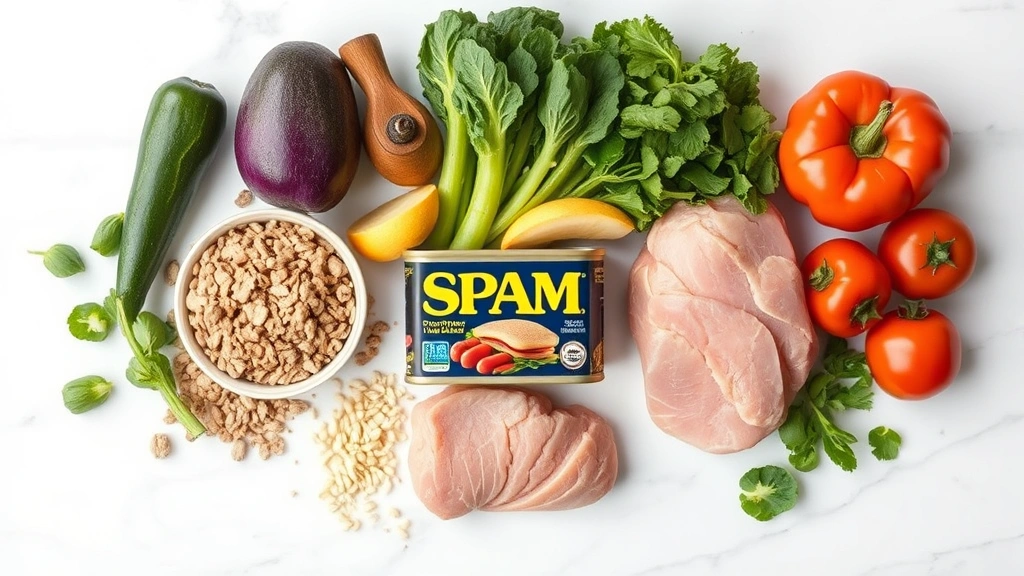
Spam: Is It Healthy? Dietitian Insights on Nutrition Facts and Health Impact
Spam—the canned meat product that has become a pantry staple in millions of households worldwide—remains one of the most debated foods in nutrition circles. Since its introduction by Hormel Foods in 1937, this shelf-stable protein has sparked countless conversations about processed meat consumption, sodium intake, and overall dietary health. Whether you’re curious about spam nutrition facts or wondering if this convenient protein can fit into a balanced diet, understanding what’s actually in the can is essential for making informed food choices.
The question “Is Spam healthy?” doesn’t have a simple yes or no answer. Like many processed foods, Spam contains both beneficial nutrients and concerning components that warrant careful examination. This comprehensive guide explores the nutritional profile of Spam, examines its place in modern diets, and provides evidence-based insights from nutrition professionals about when and how—or whether—it might be appropriate to consume this iconic canned meat.
Understanding Spam Nutrition Facts
To properly evaluate whether Spam fits into a healthy diet, we must first examine exactly what’s in a serving. A standard 2-ounce (56g) serving of Classic Spam contains approximately 180 calories, making it a relatively calorie-dense food. The ingredient list reads like a chemistry experiment: pork with ham, salt, water, potato starch, sugar, and sodium nitrite. Understanding these components is crucial for anyone considering Spam as a regular dietary choice.
The primary concern for most nutrition professionals centers on what Spam contains beyond basic protein and fat. The product is heavily processed, meaning it undergoes significant transformation from its original pork source. This processing involves curing, seasoning, and preservation techniques that fundamentally alter the food’s nutritional profile compared to fresh or minimally processed meat options. According to the Physicians Committee for Responsible Medicine, processed meats like Spam represent a category of foods that warrant particular scrutiny in dietary planning.
When examining spam nutrition information, it’s important to consider not just individual nutrients but the overall dietary pattern such consumption creates. A single serving might seem manageable, but many people consume multiple servings, significantly increasing intake of problematic compounds.
Caloric Content and Macronutrient Breakdown
Per 2-ounce serving, Spam delivers 16 grams of fat, 7 grams of protein, and 1 gram of carbohydrates. The fat content is particularly noteworthy—it represents 88% of the product’s calories, with approximately 6 grams being saturated fat. This saturated fat content concerns dietitians because excessive consumption is linked to elevated cholesterol levels and increased cardiovascular disease risk.
For context, a 2-ounce serving of Spam contains roughly 30% of the recommended daily saturated fat intake for a 2,000-calorie diet. This means consuming just three servings would exceed the daily recommended limit. The protein content, while present at 7 grams per serving, is modest compared to other protein sources and comes bundled with substantial fat and sodium that most health-conscious individuals should limit.
When comparing Spam to alternatives like optimized nutrition for athletic performance, the differences become stark. Athletes and active individuals require efficient protein sources without excessive saturated fat or sodium, making Spam a suboptimal choice for those focused on performance nutrition.
The Sodium Concern
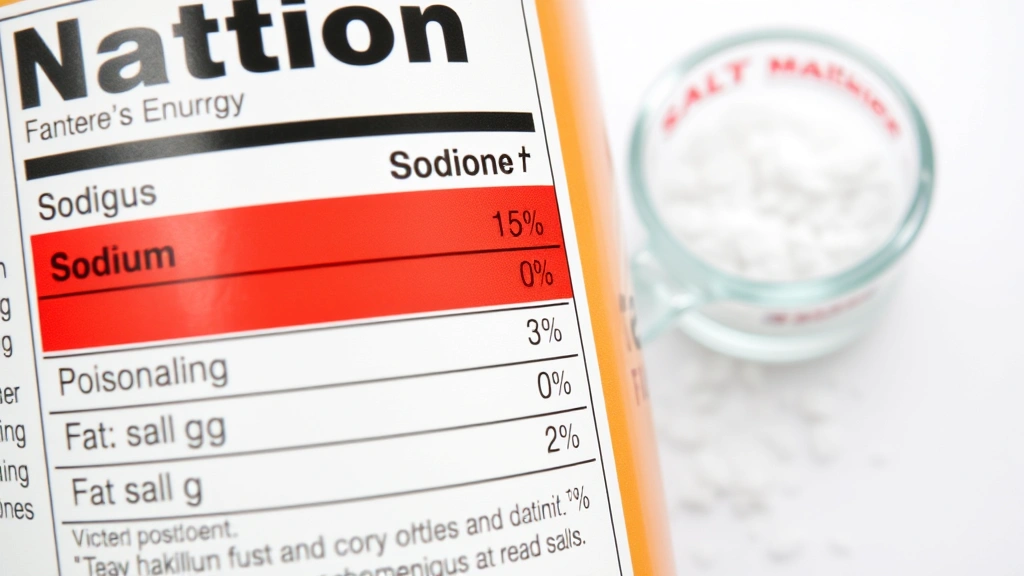
Perhaps the most alarming aspect of Spam’s nutritional profile is its sodium content. A single 2-ounce serving contains 790 milligrams of sodium—that’s approximately one-third of the recommended daily intake according to the American Heart Association. For individuals managing hypertension or cardiovascular health, this single serving represents a significant portion of their daily sodium allowance.
The sodium serves multiple purposes in Spam’s formulation: as a preservative, flavor enhancer, and texturizer. However, from a health perspective, this level of sodium consumption is associated with elevated blood pressure, increased stroke risk, and kidney stress. The American Heart Association recommends limiting sodium to 2,300 milligrams daily, with an ideal limit of 1,500 milligrams for those with hypertension or cardiovascular concerns.
Regular Spam consumption can quickly push individuals over recommended sodium limits. Someone consuming Spam twice weekly would add approximately 5,060 milligrams of sodium monthly from this source alone—nearly double the recommended weekly intake from a single food product.
Processed Meat and Disease Risk
Beyond individual nutrients, the classification of Spam as a processed meat carries significant health implications. In 2015, the International Agency for Research on Cancer (IARC) classified processed meat as a Group 1 carcinogen—the same category as tobacco and asbestos. This classification means there is sufficient evidence that processed meat consumption increases colorectal cancer risk.
The mechanism involves several compounds formed during processing and cooking. Sodium nitrite, present in Spam’s ingredient list, can convert to nitrosamines in the digestive system—compounds with demonstrated carcinogenic potential. Additionally, the high fat and low fiber content contributes to altered gut microbiota and increased inflammation, both implicated in cancer development.
Research published in the British Medical Journal found that consuming just 50 grams of processed meat daily increased colorectal cancer risk by approximately 18%. While occasional consumption poses minimal risk, regular Spam consumption as a dietary staple warrants serious consideration of these potential long-term consequences.
The connection between processed meat and chronic disease extends beyond cancer. Cardiovascular disease, type 2 diabetes, and obesity are all associated with regular processed meat consumption. Understanding these risks is essential when evaluating whether Spam aligns with your healthy nutrition plan objectives.
Potential Benefits and Nutritional Positives
Despite the legitimate health concerns, Spam does offer some nutritional advantages worth acknowledging. The product provides complete protein containing all nine essential amino acids, making it a valid protein source for those with limited access to fresh alternatives. In food-insecure situations or during emergencies, Spam’s shelf stability and caloric density can provide necessary nutrition when fresher options are unavailable.
Spam also contains B vitamins, particularly thiamine and niacin, which support energy metabolism and nervous system function. A single serving provides approximately 10% of the daily recommended thiamine intake and 20% of niacin requirements. For individuals with B vitamin deficiencies or those consuming limited variety, these contributions have value.
The convenience factor cannot be dismissed. Spam requires no refrigeration until opened and needs minimal preparation—simply heating and serving. This accessibility makes it particularly valuable in developing nations, military contexts, and emergency preparedness situations. In Hawaii and other Pacific regions, Spam has become culturally integrated into traditional cuisine, representing more than mere convenience food.
Additionally, when compared to certain ultra-processed snack foods or fast food options, Spam’s protein content and satiety potential make it relatively favorable. Someone choosing Spam over a sugar-laden snack or deep-fried fast food alternative is making a relatively better choice, though neither represents optimal nutrition.
Spam in Different Diets
Spam’s appropriateness varies significantly depending on individual dietary goals and health status. For individuals following ketogenic or low-carbohydrate diets, Spam’s macronutrient profile—high fat and protein with minimal carbohydrates—technically fits the framework. However, the saturated fat and sodium content still warrant consideration even within these dietary approaches.
Those pursuing comprehensive nutrition solutions should recognize that Spam rarely aligns with whole-food or minimally processed eating patterns. Plant-based diets obviously exclude Spam entirely. Mediterranean and DASH diets—both associated with superior health outcomes—prioritize fresh proteins like fish and poultry over processed meats.
For athletes and active individuals, optimizing performance through diet means selecting protein sources with favorable nutrient density and minimal inflammatory compounds. Spam doesn’t meet these criteria compared to grilled chicken, lean beef, fish, or plant-based proteins.
Individuals managing hypertension, cardiovascular disease, or kidney conditions should generally avoid Spam due to sodium content. Similarly, those with inflammatory conditions, compromised immune systems, or cancer risk factors should limit or eliminate processed meat consumption based on current evidence.
Healthier Alternatives and Modifications
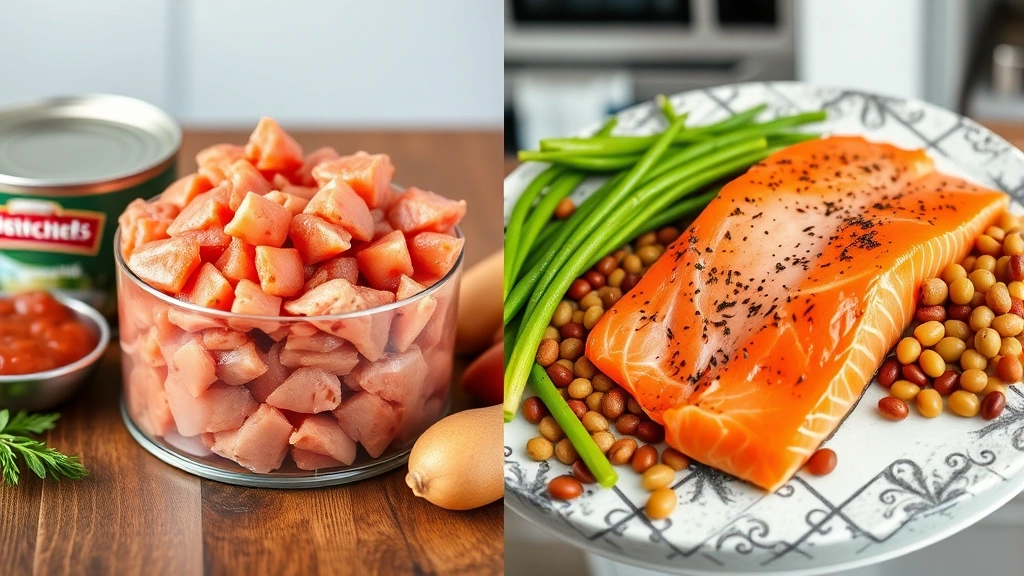
Rather than completely eliminating canned meat options, consider superior alternatives that provide similar convenience with better nutritional profiles. Canned fish like salmon, sardines, and mackerel offer high-quality protein, omega-3 fatty acids, and lower sodium when unsalted varieties are selected. These options provide superior cardiovascular benefits compared to Spam.
Canned legumes—beans, lentils, chickpeas—deliver plant-based protein, fiber, and phytonutrients without processed meat’s concerning compounds. When paired with whole grains and vegetables, legumes create complete proteins while supporting dietary fiber intake for optimal health.
If Spam consumption is part of your cultural heritage or personal preference, consider modifications that improve its nutritional profile. Combining small amounts of Spam with rice, vegetables, and legumes dilutes the problematic components while maintaining cultural connections. Rinsing canned Spam under water can reduce sodium content by approximately 25%, though this still leaves substantial amounts.
Cooking methods matter significantly. Rather than frying Spam in additional oil, grilling or baking reduces added fat. Incorporating Spam into vegetable-rich dishes—soups, stir-fries, or grain bowls—allows smaller portions to contribute flavor while vegetables provide fiber, micronutrients, and satiety.
Expert Dietitian Recommendations
Registered Dietitian Nutritionists (RDNs) generally recommend limiting or avoiding regular Spam consumption as part of evidence-based nutrition practice. The Academy of Nutrition and Dietetics aligns with major health organizations in recommending minimal processed meat intake, particularly for disease prevention.
Most dietitian guidance suggests that if Spam is consumed, it should be occasional—perhaps a few times yearly rather than weekly or daily. When consumed, portion control is essential; the standard serving size of 2 ounces is substantially smaller than many people actually consume. Additionally, balancing Spam consumption with extra vegetables, whole grains, and water intake can partially mitigate some health risks.
For individuals with specific health conditions, professional consultation is warranted. Those managing diabetes, cardiovascular disease, hypertension, or cancer risk should work with healthcare providers to determine appropriate processed meat intake aligned with their individual circumstances. Nutrition choices impact mental and physical health, making personalized guidance valuable.
Dietitians emphasize that occasional Spam consumption within an otherwise balanced, whole-food-focused diet poses minimal health risk for most people. The concern arises when Spam becomes a dietary staple or when individuals with specific health vulnerabilities consume it regularly. The key is understanding your individual risk factors and making conscious choices aligned with your health goals.
FAQ
How much sodium is in Spam compared to other canned meats?
Classic Spam contains 790mg sodium per 2-ounce serving. Low-Sodium Spam reduces this to 560mg per serving. For comparison, canned tuna typically contains 300-400mg per serving, while canned salmon ranges from 400-500mg depending on the brand. Choosing low-sodium varieties or rinsing canned products can reduce sodium intake significantly.
Can Spam be part of a weight loss diet?
While Spam is calorie-dense at 180 calories per 2-ounce serving, its high protein and fat content does provide satiety. However, better protein sources exist for weight loss—they offer similar satisfaction with fewer problematic compounds. If including Spam, ensure portion control and pair with high-fiber vegetables to maximize satiety.
Is Spam safe for children to eat?
Occasionally consuming Spam poses minimal acute risk to children, but regular consumption is not recommended. The high sodium content is particularly concerning for developing children, and establishing processed meat as a dietary habit early creates long-term health risks. Whole food proteins are preferable for growing bodies.
What makes Spam different from fresh pork?
Processing fundamentally transforms pork into Spam through curing, grinding, mixing with additives, and cooking in sealed cans. This process creates new compounds, particularly nitrosamines, that don’t exist in fresh pork. The nutritional profile differs significantly—Spam contains far more sodium and added sugars than fresh pork.
Are there healthier canned meat alternatives?
Yes, canned salmon, sardines, mackerel, and herring provide superior nutritional profiles with omega-3 fatty acids and lower sodium options. Canned chicken breast (packed in water) offers lean protein with less fat than Spam. Plant-based canned options like beans and lentils provide fiber alongside protein.
How often is it safe to eat Spam?
Based on current evidence regarding processed meat and disease risk, occasional consumption—a few times yearly—poses minimal health risk for most people. Weekly or daily consumption, particularly for those with existing health conditions, warrants reconsideration based on individual risk factors and health goals.


