Steak Nutrition Facts: A Dietitian’s Comprehensive Breakdown
Steak has long been a centerpiece of American cuisine, celebrated for its rich flavor and satisfying protein content. Yet understanding the complete nutritional profile of steak requires moving beyond surface-level assumptions. As a dietitian’s guide, this breakdown examines the science behind steak nutrition, exploring how different cuts, cooking methods, and portion sizes impact your health goals. Whether you’re an athlete optimizing performance or someone seeking to maintain a balanced diet, steak offers distinct nutritional benefits—along with considerations worth understanding.
The conversation around red meat has evolved significantly in recent years. Rather than viewing steak as simply “good” or “bad,” modern nutrition science recognizes that context matters: cut selection, preparation method, frequency of consumption, and individual health status all influence whether steak fits into a healthy eating pattern. This comprehensive guide unpacks the essential nutrients, potential concerns, and practical recommendations for incorporating steak into your dietary framework.
Steak Nutrition Facts: The Complete Profile
A standard 3-ounce (85-gram) serving of cooked lean steak contains approximately 180 calories, making it a relatively calorie-dense food compared to poultry or plant-based proteins. However, the caloric content varies significantly depending on the cut and fat content. Understanding these baseline numbers helps contextualize steak within your overall healthy nutrition plan.
The macronutrient breakdown reveals why steak maintains such prominence in protein-focused dietary approaches. A typical 3-ounce serving delivers approximately 25 grams of protein, 10 grams of fat, and zero grams of carbohydrates. This composition makes steak particularly valuable for individuals pursuing muscle development, recovery optimization, or sustained satiety. The protein density—roughly 8 grams per ounce—exceeds many alternative protein sources when accounting for bioavailability and amino acid profile.
Micronutrient density distinguishes steak from simpler protein sources. Beyond the macronutrients, steak delivers iron, zinc, selenium, B vitamins, and phosphorus in meaningful concentrations. These micronutrients participate in energy metabolism, immune function, and cellular repair—processes essential regardless of your specific health objectives. The bioavailability of these nutrients from animal sources typically exceeds plant-based alternatives, meaning your body absorbs and utilizes them more efficiently.
Protein Content and Amino Acids
Steak’s reputation as a protein powerhouse rests on legitimate nutritional science. The complete amino acid profile—containing all nine essential amino acids in optimal ratios—makes steak a complete protein source. This distinction matters significantly for nutrition for athletes optimizing performance and anyone prioritizing muscle protein synthesis.
The branched-chain amino acids (BCAAs)—leucine, isoleucine, and valine—deserve particular attention. Leucine specifically triggers mTOR signaling, a cellular mechanism initiating muscle protein synthesis. A 3-ounce steak serving provides approximately 1.5 grams of leucine, positioning steak among the most effective whole foods for stimulating muscle adaptation after resistance training. This makes steak particularly valuable in post-workout nutrition windows when muscle protein synthesis rates remain elevated.
Digestibility represents another advantage. Steak’s protein undergoes efficient digestion, with approximately 94-98% bioavailability. This high digestibility means your body accesses nearly all amino acids present in the meat, contrasting with many plant proteins that contain antinutrients or structural barriers reducing absorption efficiency. For individuals with digestive sensitivities or those requiring efficient nutrient delivery, this digestibility advantage proves meaningful.
The amino acid pattern in steak also supports creatine production, an endogenous compound synthesized from arginine, glycine, and methionine. Steak provides all three precursor amino acids, supporting natural creatine synthesis without supplementation. For individuals engaged in high-intensity activities or strength training, this endogenous support contributes to performance capacity and muscular adaptation.
Fat Composition: Saturated vs. Unsaturated
Fat content in steak generates considerable nutritional debate, warranting nuanced analysis. The fat composition varies substantially by cut, ranging from approximately 5 grams per 3-ounce serving in lean cuts to 20+ grams in heavily marbled varieties. Understanding this variation enables informed decision-making aligned with individual health profiles and dietary objectives.
Saturated fat comprises roughly 40-50% of total fat in beef, with the remainder split between monounsaturated and polyunsaturated fats. This composition differs meaningfully from purely saturated fat sources. Research from Harvard’s School of Public Health indicates that beef’s specific saturated fatty acid profile—including stearic acid, which exhibits neutral cholesterol effects—produces different metabolic outcomes than equivalent saturated fat from processed sources.
Lean steak cuts (sirloin, round, flank) contain approximately 2-3 grams of saturated fat per 3-ounce serving, positioning them favorably within American Heart Association guidelines recommending 5-6% of daily calories from saturated sources. This allows regular steak consumption without exceeding saturated fat targets when selecting appropriate cuts and managing portion sizes.
Conjugated linoleic acid (CLA), a specific fatty acid in grass-fed beef, deserves mention. Research suggests CLA may support body composition improvement and metabolic function, though effects remain modest. Grass-fed beef contains 2-3 times more CLA than grain-fed varieties, providing another rationale for considering beef sourcing when nutritional optimization is prioritized.
The monounsaturated fat content in steak—particularly oleic acid—mirrors olive oil’s heart-healthy profile. This fat component supports anti-inflammatory processes and cardiovascular function, partially offsetting saturated fat concerns. A balanced perspective recognizes steak’s complex fat profile rather than dismissing it as simply “saturated fat.”
Essential Micronutrients in Steak
Beyond protein and fat, steak delivers micronutrients critical for physiological function. Iron content stands prominently: a 3-ounce steak serving provides 2-3 milligrams of heme iron, the highly bioavailable form found exclusively in animal products. Heme iron absorption reaches 15-35%, dramatically exceeding non-heme iron from plant sources (2-20% absorption). For individuals at risk of iron deficiency—including menstruating women, athletes, and vegans—steak represents a concentrated iron source.
Zinc concentration in steak averages 6-7 milligrams per 3-ounce serving, fulfilling 50-60% of daily recommended intake. Zinc participates in immune function, wound healing, protein synthesis, and testosterone production. The bioavailability of beef zinc, unimpeded by phytates and other plant antinutrients, ensures efficient absorption and utilization.
Selenium, often overlooked in nutritional discussions, comprises approximately 30-35 micrograms per 3-ounce steak serving. This mineral functions as a cofactor for glutathione peroxidase, a primary antioxidant enzyme defending against oxidative stress. Adequate selenium intake correlates with improved immune function and reduced inflammation markers in research literature.
B vitamin content distinguishes steak from many alternative proteins. Vitamin B12 concentration reaches 1.5 micrograms per 3-ounce serving—exceeding daily requirements and providing insurance against deficiency, particularly important for individuals over 50 who may experience absorption difficulties. Niacin (B3), B6, and pantothenic acid all appear in meaningful quantities, supporting energy metabolism and neurological function.
Phosphorus and potassium round out the micronutrient profile. Phosphorus supports bone mineral density and ATP energy production, while potassium maintains fluid balance and cardiovascular function. A 3-ounce steak serving provides approximately 200-250 milligrams of potassium and 180-220 milligrams of phosphorus.
Comparison of Popular Cuts
Nutritional profiles vary substantially across steak cuts, enabling strategic selection based on individual priorities. Understanding these differences empowers dietary optimization aligned with specific health objectives.
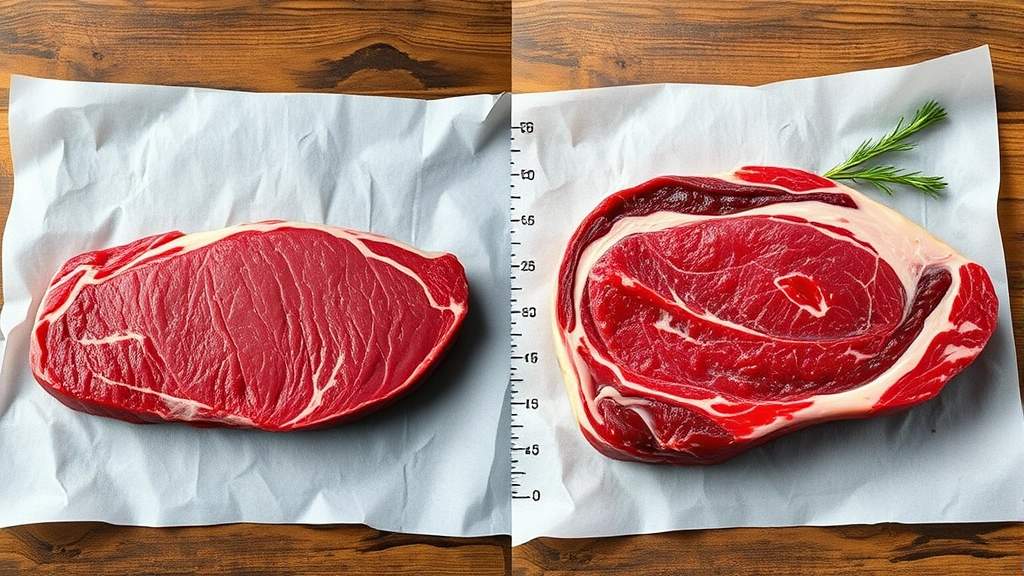
Lean Cuts (Sirloin, Round, Flank): These cuts contain 5-7 grams total fat per 3-ounce serving, with 2-3 grams saturated fat. Protein content remains consistent at approximately 25-26 grams. These cuts suit individuals prioritizing fat reduction while maintaining protein intake. They’re particularly valuable within nutrition solutions targeting weight management or cardiovascular health optimization.
Moderate Cuts (Ribeye, New York Strip): These popular restaurant selections contain 10-12 grams total fat per 3-ounce serving, with 4-5 grams saturated fat. Protein reaches 24-25 grams. The moderate fat content provides enhanced flavor and satiety compared to lean cuts while remaining within reasonable fat guidelines for most individuals. These cuts represent balanced nutritional choices for general health maintenance.
Higher-Fat Cuts (Prime Rib, Wagyu): Heavily marbled cuts contain 15-20+ grams total fat per 3-ounce serving, with 6-8 grams saturated fat. While protein remains around 22-24 grams, the caloric density increases substantially (280-350 calories per 3-ounce serving). These cuts suit individuals with elevated caloric requirements or those pursuing specific body composition goals requiring surplus calories.
This variation enables personalized steak selection. Athletes in caloric surplus may prioritize Prime Rib’s caloric density, while individuals managing weight might select sirloin. The key insight: “steak nutrition” isn’t monolithic—cut selection dramatically influences nutritional outcomes.
Cooking Methods and Nutritional Impact
Preparation method influences steak’s final nutritional composition and potential health implications. Understanding these effects enables cooking choices optimizing both nutrition and safety.
Grilling and Broiling: High-heat cooking methods allow fat drainage, reducing final fat content by 10-15% compared to raw steak. These methods minimize added fats during preparation. However, extreme heat generates heterocyclic amines (HCAs) and polycyclic aromatic hydrocarbons (PAHs)—compounds formed when amino acids and creatine undergo high-temperature reactions. Research from the National Cancer Institute indicates these compounds form in quantity proportional to temperature and cooking duration.
Pan-Searing: Lower-temperature cooking (medium heat) reduces HCA formation while developing flavor through Maillard reactions. Fat content remains largely unchanged unless excess oil is used. Pan-searing represents a balanced approach optimizing flavor while minimizing potentially problematic compound formation.
Sous Vide: Precision temperature cooking (typically 129-135°F for medium-rare) minimizes HCA formation while enabling controlled doneness. This method preserves moisture and nutrient content while reducing high-heat damage. The trade-off: sous vide requires finishing (brief high-heat searing) for flavor development, reintroducing some HCA formation.
Slow Cooking: Extended low-temperature cooking (below 212°F) virtually eliminates HCA formation while increasing collagen conversion to gelatin, improving digestibility. However, this method doesn’t develop the desirable crust flavors many find appealing.
Practical guidance: moderate cooking temperatures (medium-rare doneness), shorter cooking durations, and marinating (which reduces HCA formation by up to 90%) optimize both nutritional preservation and safety. Adding antioxidant-rich vegetables during cooking further reduces oxidative stress from high-heat cooking.
Steak and Athletic Performance
Steak’s nutrient density makes it particularly valuable for athletes and active individuals. The combination of complete protein, bioavailable micronutrients, and creatine precursors creates a synergistic nutritional package supporting performance and recovery.
For strength athletes, steak’s leucine content and complete amino acid profile optimize muscle protein synthesis during training phases. A post-workout meal combining 3-4 ounces of steak with carbohydrates (rice, potatoes) provides approximately 25-30 grams protein alongside 40-50 grams carbohydrates—an evidence-based post-exercise nutrition formula. This combination replenishes muscle glycogen while stimulating protein synthesis, directly supporting adaptation to training stimulus.
Endurance athletes benefit from steak’s iron and zinc content. Iron supports oxygen transport capacity (critical for aerobic performance), while zinc participates in immune function—particularly important during heavy training blocks when immune suppression increases infection risk. Including steak 2-3 times weekly provides insurance against micronutrient deficiencies that might impair performance or recovery.
The satiety provided by steak’s protein and fat content supports body composition management for weight-conscious athletes. A 4-ounce steak serving delivers 33 grams protein and approximately 12 grams fat—a macronutrient ratio promoting satiety while maintaining caloric control. This makes steak particularly valuable in cutting phases when maintaining muscle mass while reducing body fat.
Creatine monohydrate supplementation is ubiquitous among strength athletes, yet steak provides endogenous creatine precursors supporting natural synthesis. While supplementation remains more efficient for achieving high plasma creatine levels, whole-food sources contribute meaningfully to total creatine availability, particularly for athletes avoiding supplements.
Health Considerations and Guidelines
While steak offers substantial nutritional benefits, certain populations warrant specific considerations. Individualized assessment ensures steak consumption aligns with personal health status and objectives.
Cardiovascular Health: Individuals with established cardiovascular disease or multiple risk factors should prioritize lean cuts (sirloin, round) and moderate portions (3-4 ounces). Research from the American Heart Association recommends limiting red meat consumption to 3-4 servings weekly, emphasizing lean varieties. Lean steak can fit within these guidelines when portion sizes and cut selection receive attention.
Kidney Disease: Individuals with compromised kidney function should consult healthcare providers regarding steak consumption. The high protein and phosphorus content may require restriction depending on disease stage. However, protein restriction isn’t universally recommended in early-stage kidney disease, making personalized assessment essential.
Gout: Steak contains purines—compounds metabolized to uric acid, potentially triggering gout attacks in susceptible individuals. Those with gout history should limit red meat to 2-3 servings weekly while maintaining adequate hydration. Lean cuts contain fewer purines than heavily marbled varieties.
Iron Overload (Hemochromatosis): Individuals with genetic hemochromatosis should restrict red meat consumption due to heme iron absorption efficiency. Genetic testing helps identify this condition, affecting approximately 1 in 200 individuals of Northern European descent.
For most individuals without specific health contraindications, incorporating steak 2-4 times weekly as part of a balanced diet aligns with evidence-based nutritional guidelines. The key variables: cut selection (emphasizing lean varieties), portion control (3-5 ounces), and preparation method (minimizing high-heat exposure).
Understanding nutrition and mental health connections reveals additional benefits. Steak’s B vitamin content, particularly B12 and folate, supports neurotransmitter synthesis and methylation reactions critical for mood regulation and cognitive function. The iron content supports oxygen delivery to the brain, while zinc participates in synaptic plasticity and learning processes.
Sustainable consumption patterns matter both nutritionally and environmentally. Sourcing steak from regenerative agriculture or grass-fed operations optimizes nutrient density while supporting environmental stewardship. These sourcing choices typically increase cost but provide enhanced nutrient profiles (higher omega-3 to omega-6 ratios, increased CLA, improved micronutrient density) justifying premium pricing for those prioritizing nutritional optimization.
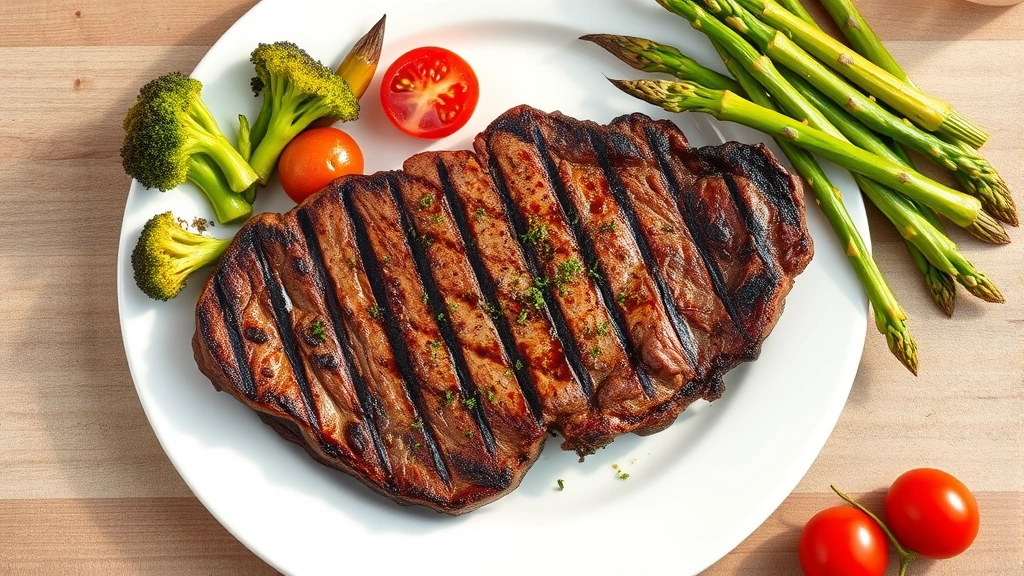
The relationship between dietary fiber importance and steak consumption warrants mention. While steak contains zero fiber, pairing it with fiber-rich vegetables (broccoli, asparagus, sweet potatoes) creates balanced meals supporting digestive health and microbiota function. This combination approach—protein from steak, fiber from vegetables, carbohydrates from whole grains—constructs nutritionally complete meals exceeding the sum of individual components.
FAQ
How much steak can I safely consume weekly?
Most evidence-based guidelines recommend 2-4 servings of red meat weekly (3-4 ounces per serving), totaling approximately 6-16 ounces weekly. This frequency allows regular consumption while remaining within recommended limits. Individual variation exists based on health status, activity level, and dietary goals—consulting healthcare providers helps personalize recommendations.
Which steak cut is most nutritious?
“Most nutritious” depends on individual priorities. Sirloin and round steaks offer superior micronutrient density relative to fat content, making them ideal for general health. Ribeye and New York Strip provide balanced macronutrients and satisfying flavor. The “best” cut aligns with your specific health objectives and taste preferences.
Does cooking method significantly affect steak’s nutritional value?
Cooking method influences both nutrient preservation and potentially harmful compound formation. Pan-searing and sous vide minimize HCA formation while preserving nutrients. Grilling at high temperatures increases HCA formation but allows fat drainage. Marinating before cooking reduces HCA formation by up to 90% regardless of cooking method.
Is grass-fed steak nutritionally superior to grain-fed?
Grass-fed beef contains higher omega-3 fatty acids, improved omega-3 to omega-6 ratios, and increased CLA compared to grain-fed varieties. However, both provide complete proteins and essential micronutrients. Grass-fed offers modest nutritional advantages, though both represent nutritious choices. Cost and accessibility often determine practical selection.
Can steak fit into weight loss diets?
Yes. Lean steak cuts (3-4 ounces) fit within calorie-controlled diets, providing substantial protein supporting satiety and muscle preservation during energy restriction. The high protein-to-calorie ratio makes lean steak particularly valuable for weight management compared to higher-fat cuts.
Does steak increase cancer risk?
Large prospective studies indicate modest increased colorectal cancer risk with frequent red meat consumption, particularly processed varieties. However, risk remains relatively low in absolute terms. Limiting consumption to 2-4 servings weekly, using moderate cooking temperatures, marinating before cooking, and combining with vegetables substantially reduces any potential risk.


