
Wawa Nutrition Facts: Dietitian’s Analysis
Wawa has become a staple convenience store chain across the Mid-Atlantic and Southeast, serving millions of customers daily with quick meals, beverages, and snacks. For many people, Wawa represents an accessible option when time is limited, but understanding the nutritional landscape of their menu is essential for making informed dietary choices. This comprehensive dietitian’s analysis breaks down Wawa’s nutrition facts, helping you navigate menu options while maintaining your health goals.
As a registered dietitian nutritionist, I’ve analyzed Wawa’s complete menu to provide evidence-based guidance on their offerings. Whether you’re a regular customer or occasional visitor, knowing which items align with balanced nutrition principles can transform your convenience store experience from a potential dietary pitfall into a strategic opportunity for healthier eating.
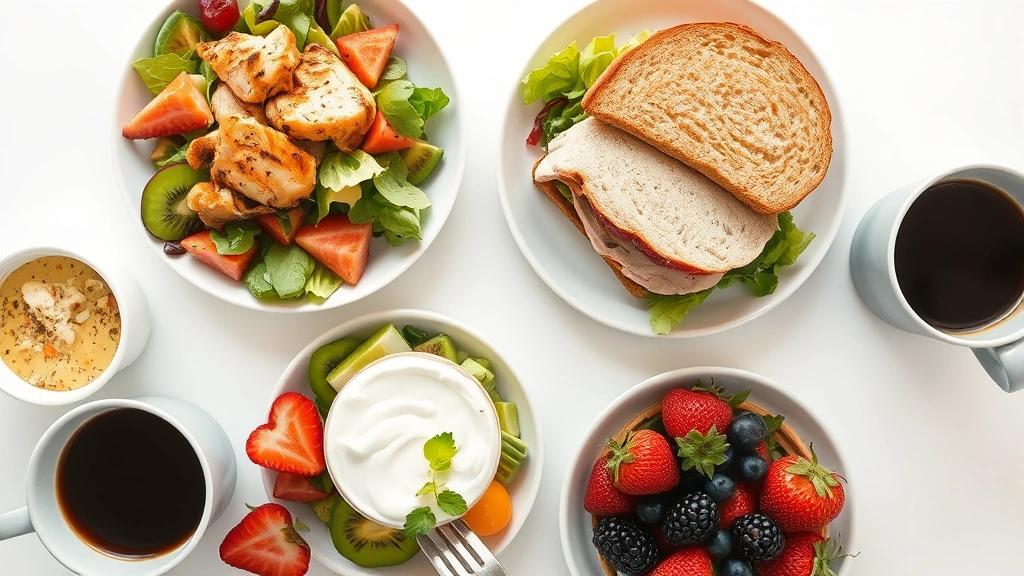
Understanding Wawa’s Menu Structure and Nutrition Transparency
Wawa has made significant strides in providing nutrition information to customers, a critical step toward dietary transparency. All menu items include accessible nutrition facts detailing calories, macronutrients, sodium, sugar, and allergen information. This commitment to transparency aligns with the FDA’s menu labeling requirements and empowers consumers to make educated decisions.
The chain’s nutrition data reveals important patterns about their offerings. Most Wawa items fall into convenience categories designed for speed rather than optimal nutrition. However, this doesn’t mean healthy choices are impossible—they simply require strategic selection and portion awareness. Understanding nutrition solutions specific to quick-service settings helps contextualize Wawa’s role in your overall dietary pattern.
According to Pew Research Center data on American eating habits, convenience stores now represent a significant portion of food purchases for working Americans. This reality underscores the importance of analyzing chains like Wawa through a practical, non-judgmental lens that acknowledges real-world eating patterns.
Breakfast Options: Making Smart Morning Choices
Breakfast at Wawa presents both challenges and opportunities. The menu includes numerous items laden with refined carbohydrates and added sugars, but strategic selections can provide balanced nutrition to start your day.
High-Calorie Breakfast Items to Limit:
- Breakfast hoagies with bacon, egg, and cheese (600-750 calories)
- Cinnamon sugar donuts and pastries (300-450 calories with minimal protein)
- Flavored coffee beverages with whipped cream (400-600 calories)
- Croissant-based sandwiches (500+ calories with high saturated fat)
Dietitian-Recommended Breakfast Choices:
- Egg and cheese sandwich on wheat bread – Request the smallest available portion or share with the standard hoagie. Provides protein and carbohydrates with moderate calories (350-400)
- Oatmeal with fruit – If available, oatmeal offers soluble fiber supporting digestive health and satiety. Add protein through nuts or Greek yogurt if possible
- Yogurt with granola – Select plain or low-sugar yogurt options. Control granola portions as they’re calorie-dense but nutrient-rich
- Turkey sausage options – Leaner than pork sausage, turkey provides protein with lower saturated fat content
The importance of dietary fiber for your health becomes particularly relevant at breakfast. Most Wawa breakfast items lack adequate fiber, which impacts blood sugar stability and satiety. Requesting whole grain options when available significantly improves nutritional quality.
Calorie Comparison: A typical Wawa breakfast hoagie with bacon, egg, and cheese contains approximately 700 calories and 1,200mg sodium—nearly 50% of daily recommended sodium intake before 10 AM. Conversely, egg and cheese on wheat provides similar satisfaction with 200 fewer calories and substantially less sodium.
Sandwich and Hoagie Analysis
Wawa’s sandwich and hoagie selection represents the chain’s largest menu category and requires careful analysis. The customizable nature of these items offers unexpected flexibility for health-conscious customers.
Standard Hoagie Nutrition Profile:
- Regular hoagies: 600-900 calories
- Classic meats (turkey, ham, roast beef): 500-700 calories
- Premium meats (capicola, salami): 700-950 calories
- Vegetarian options: 400-600 calories depending on cheese content
The critical factor with Wawa hoagies involves portion size. A regular hoagie often exceeds 8 inches, providing substantial calories in a single item. Requesting half-size portions or sharing represents a practical strategy for calorie management without sacrificing flavor satisfaction.
Customization Strategy for Lower-Calorie Sandwiches:
- Choose whole wheat bread when available (adds 20-30 calories but provides 2-3g additional fiber)
- Request vegetables as primary fillers: tomatoes, lettuce, peppers, onions, spinach
- Limit mayo-based spreads to single portions or request mustard, vinegar, or oil and vinegar
- Select single meat proteins rather than combinations
- Choose cheese sparingly or request light cheese amounts (saves 100-150 calories)
Research from the Food Policy Institute indicates that customization options at convenience stores significantly impact calorie intake. Customers who actively modify orders reduce average meal calories by 15-25%.
Turkey and roast beef hoagies represent superior choices compared to processed meats like salami or capicola, which contain higher sodium and saturated fat. A turkey hoagie with vegetables on whole wheat provides approximately 550-650 calories with improved micronutrient density compared to premium meat options.
Beverage Breakdown: Hidden Calories and Sugar
Wawa’s beverage selection presents perhaps the most significant nutritional challenge for consumers. Liquid calories often exceed solid food items, yet provide minimal satiety.
Problematic Beverage Categories:
- Specialty coffee drinks: 400-600 calories with 40-70g sugar per serving
- Frozen beverages: 500-700 calories, primarily from added sugars
- Smoothies and blended drinks: 300-500 calories despite perceived healthfulness
- Flavored iced teas: 200-350 calories with artificial sweeteners or added sugar
- Energy drinks: 200-300 calories plus caffeine considerations
A single large vanilla latte with 2% milk and whipped cream contains approximately 450 calories and 50g sugar—equivalent to consuming a full meal in beverage form. This represents a critical consideration for individuals managing weight or blood sugar regulation.
Dietitian-Approved Beverage Choices:
- Black coffee or espresso – Zero calories, unlimited quantity acceptable
- Unsweetened tea – Hot or iced, provides hydration without added sugars
- Water with flavor additions – Request lemon, lime, or other fresh additions
- Diet beverages in moderation – While controversial, zero-calorie options better than sugar-sweetened alternatives
- Plain milk or unsweetened almond milk – Provides protein or calcium without excessive calories
According to CDC nutrition data, sugary beverage consumption represents one of the most modifiable dietary factors affecting obesity and type 2 diabetes risk. Eliminating or reducing specialty coffee drinks can result in 3-5 pound monthly weight loss without other dietary modifications.
For individuals following healthy nutrition plans, beverage selection becomes a cornerstone strategy. The ease of liquid calorie consumption means that beverage choices often determine overall daily calorie balance.
Snack Items and Their Nutritional Impact
Wawa’s snack offerings range from genuinely nutritious to nutritionally problematic, requiring careful evaluation.
Better Snack Choices (100-200 calories):
- Nuts and trail mix (portion-controlled packs)
- Cheese and crackers combinations
- Fruit selections (apples, bananas, oranges)
- Greek yogurt cups
- String cheese or cheese wedges
- Pretzels (unsalted varieties when available)
Snacks to Minimize (300+ calories with poor nutrient density):
- Potato chips and fried snack items (150-200 calories per ounce)
- Candy and chocolate items
- Cookies and baked pastries
- Cheese puffs and similar products
- Fried chicken tenders
The nutritional impact of snacking behavior extends beyond immediate calorie content. Research indicates that ultra-processed snacks with high sugar, sodium, and refined carbohydrates promote continued cravings and higher subsequent calorie intake. Conversely, protein-rich snacks like nuts, cheese, or yogurt enhance satiety and stabilize blood sugar.
Portion control represents the fundamental challenge with Wawa snacks. Bags of chips or candy often contain 2-3 servings, yet consumers typically consume entire packages in single sittings. Requesting smaller portions or purchasing individual-serve options prevents unintended overconsumption.
Salads and Healthier Selections
Wawa’s salad options represent genuinely nutritious alternatives when approached strategically. However, dressing and preparation methods can significantly impact nutritional value.
Salad Nutritional Analysis:
- Garden salad with grilled chicken: 300-400 calories with 30-35g protein
- Caesar salad with protein: 400-500 calories (dressing adds 200-300 calories)
- Caprese salad: 250-350 calories with beneficial fats from olive oil
- Asian-inspired salads: 350-450 calories depending on dressing type
The critical factor determining salad nutritional value involves dressing selection. Creamy dressings (ranch, Caesar, blue cheese) add 200-300 calories per serving, often exceeding the salad base itself. Requesting dressing on the side or selecting vinaigrette-based options reduces calorie content by 40-50%.
For individuals managing nutrition and mental health, salad options provide sustained energy through balanced macronutrient distribution. The combination of carbohydrates, protein, and healthy fats supports cognitive function and mood stability throughout the day.
Adding grilled protein (chicken, turkey) transforms salads from potential side dishes into complete meals. Requesting double portions of protein increases satiety and prevents subsequent overeating while maintaining reasonable calorie counts (400-500 total calories).
Strategies for Making Better Choices at Wawa
Understanding individual items represents only the first step toward consistent healthy eating at Wawa. Practical strategies embedded in real-world behavior patterns determine long-term success.
Pre-Visit Planning:
- Check nutrition information online before arriving – Wawa’s website provides complete nutrition facts, enabling pre-decision making without in-store time pressure
- Establish go-to orders – Identifying 3-4 consistent healthy choices reduces decision fatigue and impulse purchases
- Eat before visiting when possible – Arriving at convenience stores hungry significantly increases calorie purchases and less nutritious selections
- Set spending limits – Financial boundaries often naturally create healthier selections
In-Store Decision Framework:
- Prioritize protein sources (eggs, turkey, chicken, Greek yogurt)
- Maximize vegetable content regardless of item type
- Select whole grain options when available
- Avoid liquid calories unless providing specific nutritional benefit
- Request modifications without hesitation—Wawa staff accommodate customization routinely
Portion Management Tactics:
- Request half-size hoagies or split full-size items with companions
- Purchase single-serve snack portions rather than family-size bags
- Select smaller beverage sizes regardless of price incentives for larger cups
- Request side salads instead of full portions when appropriate
Understanding behavioral economics around convenience store shopping improves decision quality. Research demonstrates that customers who spend more than 60 seconds reviewing menu options make significantly healthier selections. Taking brief moments to evaluate choices rather than defaulting to familiar items meaningfully impacts nutritional outcomes.
For individuals following specific dietary approaches—whether nutrition pathway frameworks, low-carbohydrate diets, or plant-based patterns—Wawa accommodates most preferences through customization. Turkey hoagies with vegetables serve low-carb goals; vegetarian options support plant-based approaches; protein-focused selections support muscle-building objectives.
FAQ
What is the healthiest breakfast option at Wawa?
The egg and cheese sandwich on wheat bread represents an optimal breakfast choice, providing approximately 350-400 calories with 15-18g protein and 4-5g fiber. Alternatively, oatmeal with fruit or plain yogurt with granola offer comparable nutritional benefits with different flavor profiles. The key involves selecting items with adequate protein and fiber while limiting added sugars and saturated fat.
How many calories are in a typical Wawa hoagie?
Standard Wawa hoagies range from 600-900 calories depending on meat selection, cheese, and condiments. Turkey and roast beef options fall toward the lower end (600-700 calories), while premium meats and multiple toppings approach 900+ calories. Requesting half-size portions reduces calories to 300-450 while maintaining satisfaction.
Are Wawa smoothies healthy choices?
While smoothies appear nutritious, most Wawa options contain 300-500 calories with 40-60g sugar, often from added syrups and sweetened yogurt bases. They lack adequate fiber and protein relative to calorie content. Fresh fruit selections or Greek yogurt alternatives provide superior nutritional profiles with fewer calories and less sugar.
What beverages at Wawa have zero calories?
Black coffee, unsweetened tea (hot or iced), water, and diet beverages contain zero or negligible calories. These options support hydration without contributing to daily calorie intake. Avoiding specialty coffee drinks with syrups, whipped cream, and sweetened milk products prevents consumption of 300-600 unnecessary calories per beverage.
Can I eat at Wawa while following a diet plan?
Absolutely. Wawa accommodates virtually all dietary approaches through menu selection and customization. Low-carbohydrate diets benefit from protein-focused hoagies with vegetable fillings; plant-based approaches utilize vegetarian options; calorie-restricted plans leverage portion control and beverage management. The key involves intentional selection rather than convenience-driven defaults.
How does Wawa compare nutritionally to other convenience stores?
Wawa’s nutrition transparency and customization options compare favorably to many competitors. The ability to request modifications, access complete nutrition information, and select from diverse categories provides advantages over convenience stores with limited transparency or customization flexibility. Individual item selection matters more than chain choice.
What strategies help manage sodium intake at Wawa?
Many Wawa items exceed 1,000mg sodium per serving, problematic for individuals managing hypertension. Strategies include selecting items with visible lower sodium (salads, fresh fruit), requesting condiments separately to control amounts, choosing fresh proteins over processed meats, and limiting cheese portions. Requesting nutrition information for specific items helps identify lower-sodium options.


