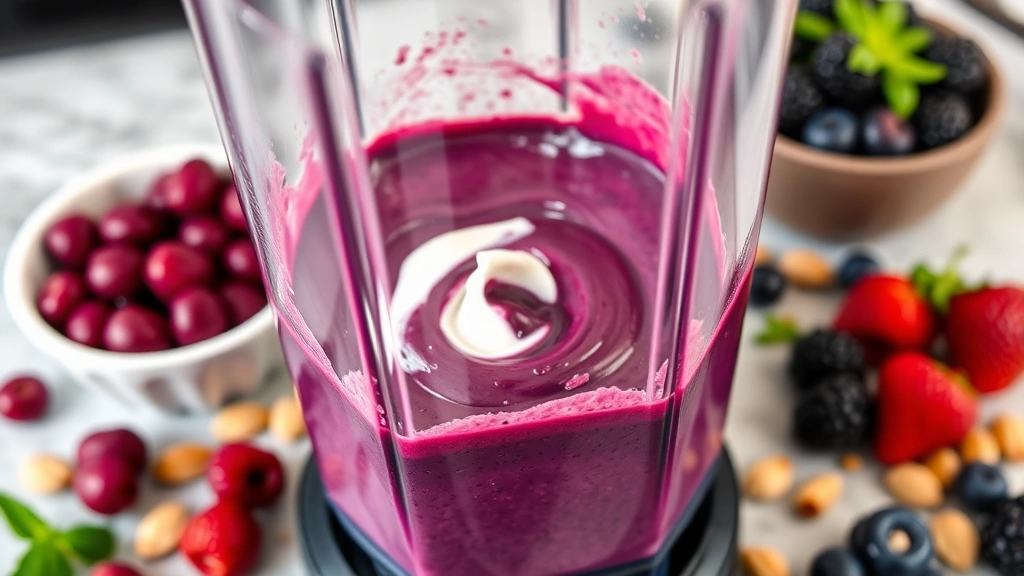
Acai Bowl Nutrition: Dietitian’s Insight
Acai bowls have become a staple in health-conscious cafes and Instagram feeds worldwide, but understanding what you’re actually consuming requires a closer look at the nutritional science behind this trendy breakfast. These vibrant purple bowls, topped with granola, fresh fruit, and various superfoods, promise wellness benefits—but the reality is more nuanced than the marketing suggests. As a registered dietitian, I’ve observed how acai bowls can be either a nutritious addition to your diet or a sugar-laden indulgence, depending entirely on how they’re constructed and consumed.
The acai berry itself is legitimately nutrient-dense, containing antioxidants, healthy fats, and fiber. However, the way acai bowls are prepared—particularly the use of acai puree, sweetened bases, and generous toppings—can transform a wholesome superfood into a meal that rivals dessert in caloric and sugar content. This comprehensive guide examines the nutritional composition of acai bowls, explores the science behind their health claims, and provides practical strategies for making them work within a balanced diet.
What is Acai and Its Nutritional Profile
Acai (pronounced ah-sigh-EE) berries come from the acai palm tree native to South America, particularly the Amazon rainforest regions of Brazil. These small, dark purple berries have been consumed by indigenous populations for centuries, traditionally eaten fresh or dried. The modern acai bowl phenomenon, however, relies on frozen acai puree or powder, which has been processed and often sweetened for commercial distribution.
The foundational nutritional profile of pure acai berries is genuinely impressive. According to our nutrition blog, a 100-gram serving of raw acai contains approximately 43 calories, 4.6 grams of fat, 2.4 grams of carbohydrates, and 2.4 grams of fiber. What distinguishes acai from many other fruits is its fat composition—roughly 50% of its fat content comes from monounsaturated fats, similar to those found in olive oil and avocados. This makes acai one of the few fruits with substantial healthy fat content.
The antioxidant profile is where acai gains much of its reputation. These berries contain anthocyanins, the same polyphenolic compounds that give blueberries their deep color and health benefits. Acai also contains proanthocyanidins, epicatechin, and other phenolic compounds. However, it’s crucial to understand that while acai does contain these beneficial compounds, it’s not uniquely superior to other berries—blueberries, blackberries, and cranberries contain comparable antioxidant levels.
The processing method significantly impacts the final nutritional content. Frozen acai puree typically contains added sugars and sometimes stabilizers. Acai powder, created by freeze-drying the puree, concentrates nutrients but may also concentrate any added ingredients. When examining commercial acai products, checking the ingredient list reveals whether you’re getting pure acai or acai with added sugars and fillers.
Caloric Content and Macronutrient Breakdown
A typical commercial acai bowl served at a cafe contains 400-600 calories, with some specialty versions exceeding 800 calories. This caloric density surprises many health-conscious consumers who view acai bowls as light, nutritious meals. To understand where these calories originate, we need to deconstruct the standard bowl.
The acai base itself—usually 100-150 grams of acai puree—contributes 150-250 calories. However, commercial acai puree often contains added sugars and sometimes coconut milk or other ingredients that increase the caloric density. The granola topping, typically 1/4 to 1/3 cup, adds 150-200 calories, with much of this coming from added oils and sugars used in granola production. Additional toppings like coconut flakes, nuts, seeds, and nut butters quickly accumulate calories—a tablespoon of almond butter adds 95 calories, while 2 tablespoons of granola contributes 60-80 calories.
From a macronutrient perspective, most acai bowls are carbohydrate-dominant, typically containing 50-70 grams of carbohydrates, 8-15 grams of protein, and 12-18 grams of fat. This macronutrient ratio can be problematic for individuals managing blood sugar levels or following lower-carbohydrate dietary approaches. The protein content is often inadequate for a meal, particularly if the bowl is consumed as a primary breakfast without additional protein sources.
When compared to other breakfast options, acai bowls frequently contain more calories than a traditional breakfast of eggs, whole grain toast, and fruit. However, they also typically contain less protein, which affects satiety and sustained energy levels throughout the morning. This is why many dietitians recommend adding Greek yogurt, protein powder, or nut butter to increase the protein content and create a more balanced meal.
Sugar Content: The Hidden Reality
This is where acai bowl nutrition becomes problematic for many consumers. A typical commercial acai bowl contains 35-50 grams of sugar, often approaching or exceeding the American Heart Association’s recommended daily sugar intake in a single meal. This sugar comes from multiple sources: the acai puree itself (which may contain added sugars), the granola (which is frequently 20-30% sugar by weight), the honey or agave drizzle, dried fruit toppings, and even seemingly innocent additions like coconut yogurt.
The distinction between naturally occurring sugars and added sugars is crucial here. While acai berries do contain natural sugars (approximately 1.5 grams per 100 grams), the sugar content in a commercial acai bowl is predominantly added sugar. This matters because added sugars lack the accompanying fiber and nutrients that naturally occurring sugars in whole fruits provide. When you consume a whole acai berry, you’re getting fiber that slows sugar absorption and provides satiety. When you consume processed acai puree mixed with granola and honey, the fiber-to-sugar ratio is dramatically altered.
Research from Pew Research Center on dietary patterns shows that Americans significantly underestimate sugar consumption in seemingly healthy foods, particularly those marketed with health halos. Acai bowls represent a perfect case study—the superfood branding leads consumers to perceive them as healthier than they actually are, resulting in casual overconsumption of added sugars.
For individuals with diabetes, prediabetes, or those attempting to manage weight through reduced sugar intake, a typical commercial acai bowl can spike blood glucose levels significantly. The combination of refined carbohydrates (from the granola and processed acai base) without adequate protein or fat to slow digestion creates a rapid blood sugar response. This is why homemade acai bowls with controlled sugar additions and higher protein content represent a substantially different nutritional profile.
Antioxidants and Health Benefits
Despite the sugar concerns, acai does provide legitimate nutritional benefits, primarily through its antioxidant content. Anthocyanins, the primary phenolic compounds in acai, have been studied for their potential anti-inflammatory effects and cardiovascular benefits. A study published in the Journal of Agricultural and Food Chemistry demonstrated that acai berries possess one of the highest antioxidant capacities among commonly consumed fruits, though this doesn’t necessarily translate to superior health outcomes compared to other antioxidant-rich foods.
The practical implication is that acai’s antioxidant content can contribute to overall antioxidant intake when consumed as part of a balanced diet, but it’s not a magic bullet for health. The same antioxidant benefits can be obtained from blueberries, blackberries, pomegranate, or dark chocolate at a fraction of the cost. The primary advantage of acai is its unique combination of antioxidants and healthy fats, not the presence of unique compounds unavailable elsewhere.
Regarding cardiovascular health, some research suggests that anthocyanin-rich fruits may support heart health through improved endothelial function and reduced inflammation. However, these benefits are most pronounced when the fruit is consumed without excessive added sugars. An acai bowl loaded with granola and honey may actually negate these potential cardiovascular benefits through the inflammatory response triggered by excessive refined carbohydrates and added sugars.
The fiber content in acai (approximately 2.4 grams per 100 grams) contributes to digestive health and supports satiety. However, this fiber benefit is only realized if the bowl isn’t topped with processed ingredients that have been stripped of their own fiber content. This is why understanding the importance of dietary fiber for your health becomes essential when constructing an acai bowl.
Building a Balanced Acai Bowl
Creating a nutritionally balanced acai bowl requires deliberate choices that prioritize macronutrient distribution and controlled sugar intake. The foundation begins with the acai base—opting for unsweetened acai puree or powder without added sugars is essential. If using commercially prepared acai packets, verify the ingredient list contains only acai and possibly acai juice, nothing more.
The liquid component matters significantly. Rather than using sweetened coconut milk or juice, combine unsweetened acai with Greek yogurt, unsweetened almond milk, or a plant-based protein drink. This immediately increases protein content and reduces sugar concentration. A balanced acai bowl should contain 15-25 grams of protein to create sustained satiety and stable blood sugar response.
For the granola component, select low-sugar varieties (ideally under 5 grams per serving) or replace granola entirely with nuts and seeds—almonds, walnuts, hemp seeds, and chia seeds provide healthy fats, protein, and fiber without excessive added sugars. If you enjoy granola’s texture, use it sparingly (2-3 tablespoons) and combine it with whole nuts to increase protein density.
Fresh fruit toppings should comprise the majority of the bowl’s solid components. Berries (blueberries, strawberries, raspberries), banana slices, and kiwi provide natural sweetness, fiber, and additional antioxidants. These whole fruits provide context for their sugars—the fiber content moderates blood sugar response in ways that processed acai puree cannot.
Strategic additions enhance both nutrition and satiety. A tablespoon of nut butter adds healthy fats and protein. A sprinkle of ground flaxseed or chia seeds contributes omega-3 fatty acids and additional fiber. Unsweetened coconut flakes (used sparingly) add flavor and healthy fats. Completely eliminate honey, agave, or chocolate drizzles—if sweetness is desired, the fruit naturally provides it.
This balanced approach creates an acai bowl containing approximately 300-400 calories, 20-25 grams of protein, 35-45 grams of carbohydrates, 10-15 grams of fat, and 8-12 grams of fiber. This macronutrient distribution supports satiety, stable energy, and sustained mental focus throughout the morning—substantially different from the typical commercial version.
Comparing Commercial vs Homemade
The nutritional difference between commercial and homemade acai bowls is dramatic. A cafe-prepared bowl prioritizes taste and visual appeal over nutritional optimization. Commercial operations use sweetened acai puree (easier to work with and more flavorful), generous granola portions (inexpensive and visually appealing), and generous honey or syrup drizzles (increases palatability and perceived value).
From a business perspective, this makes sense—consumers expect acai bowls to taste like a treat, not a strict nutritional meal. The challenge is that this expectation conflicts with the health positioning of acai bowls. Consumers simultaneously want indulgence and health benefits, and commercial establishments have chosen to prioritize indulgence while maintaining health marketing.
Homemade acai bowls allow complete control over ingredients and proportions. You can purchase unsweetened acai puree in bulk, combine it with Greek yogurt rather than sweetened coconut milk, and construct the bowl based on your specific nutritional goals. The cost savings are also substantial—a homemade acai bowl typically costs $3-5 to prepare, compared to $12-16 at a cafe, while containing fewer calories and less sugar.
The time investment for homemade preparation is minimal—approximately 5 minutes to blend the acai base and arrange toppings. This efficiency makes daily homemade acai bowls feasible for most people, particularly when compared to the time required to visit a cafe. For individuals following tips for meal planning, incorporating homemade acai bowls into a weekly meal prep routine provides breakfast convenience without sacrificing nutritional quality.
When evaluating commercial options, some establishments offer customization that improves nutritional profiles—requesting protein powder additions, substituting granola for nuts, requesting unsweetened acai bases, and eliminating syrup drizzles. These modifications increase the cost slightly but transform the bowl into a genuinely nutritious meal rather than a sugar-laden indulgence.
Acai Bowls and Weight Management
For individuals managing weight, acai bowls present a paradox. The superfood branding creates a health halo effect, leading to casual overconsumption and underestimation of caloric intake. A 500-600 calorie breakfast consumed daily while believing it’s a light, nutritious meal can significantly impact weight management goals.
However, when properly constructed with adequate protein and fiber, acai bowls can support weight management through improved satiety and sustained energy. The key distinction is between indulgent acai bowls (which function more like dessert) and balanced acai bowls (which function as legitimate nutritious meals).
Research on satiety and macronutrient composition demonstrates that protein and fiber are the primary determinants of fullness and sustained appetite control. A balanced acai bowl containing 20+ grams of protein and 8+ grams of fiber will produce greater satiety than a typical commercial version with minimal protein. This means you’re less likely to experience mid-morning hunger and subsequent snacking.
The timing of acai bowl consumption also matters for weight management. As a breakfast option, acai bowls can establish positive eating patterns by providing sustained energy and preventing late-morning hunger-driven poor food choices. As an afternoon snack or post-workout meal, an acai bowl might represent unnecessary caloric addition, particularly if your overall caloric intake already meets daily requirements.
For individuals following calorie-restricted diets, acai bowls require careful portion control and honest caloric accounting. Many people underestimate acai bowl calories by 30-40%, which significantly impacts weight loss progress. Measuring granola and nut butter portions rather than estimating them becomes essential for accurate tracking.
Interestingly, the psychological satisfaction of consuming an aesthetically appealing, indulgent-feeling breakfast like an acai bowl can support long-term dietary adherence. Rather than viewing acai bowls as forbidden indulgences to be avoided entirely, constructing them as balanced meals allows continued enjoyment while supporting weight management goals. This aligns with sustainable dietary approaches that emphasize flexibility and food enjoyment rather than restriction.
When considering a healthy nutrition plan as a guide to eating well for life, acai bowls can absolutely play a role when approached with nutritional intention rather than marketing-driven assumptions.

Specific Populations and Acai Bowl Considerations
Different populations have varying nutritional needs and considerations regarding acai bowl consumption. For athletes and individuals engaged in regular resistance training, acai bowls can provide valuable carbohydrates for glycogen replenishment, particularly when combined with adequate protein. A post-workout acai bowl with Greek yogurt, protein powder, and whole fruit provides the carbohydrate-to-protein ratio (3:1 or 4:1) recommended for optimal recovery.
For individuals with type 2 diabetes or prediabetes, standard commercial acai bowls are problematic due to their high added sugar content and rapid blood glucose impact. However, modified versions with minimal added sugars, increased protein, and increased fiber can be incorporated into a diabetes-management diet with careful portion control and blood sugar monitoring. The key is treating acai bowls as a deliberate carbohydrate choice that requires proportional adjustments elsewhere in daily intake.
Pregnant and breastfeeding individuals benefit from the nutrient density of acai bowls, particularly their iron, antioxidant, and healthy fat content. However, ensuring adequate protein (25-30+ grams) and iron-rich components becomes essential. Adding Greek yogurt and fortified cereals or seeds increases both protein and iron content, supporting the elevated nutritional demands of pregnancy and lactation.
For children and adolescents, acai bowls can provide nutrient-dense breakfast options when appropriately constructed. The natural sweetness of fruit combined with the indulgent presentation appeals to younger palates while delivering genuine nutritional value. Ensuring adequate protein through yogurt or milk-based components supports growth and development.
Individuals following plant-based diets can construct completely vegan acai bowls by using plant-based yogurt alternatives, plant-based protein powders, and nut butters. The key is ensuring adequate protein through deliberate additions rather than relying on the acai base, which is naturally low in protein. Learning about nutrition facts in other whole foods like avocados can inform similar strategies for plant-based acai bowl construction.
Practical Implementation and Recommendations
For individuals who currently consume commercial acai bowls, the simplest initial change is reducing portion sizes of granola and eliminating syrup drizzles. This alone reduces sugar intake by 15-20 grams and caloric content by 100-150 calories. Requesting additional fruit toppings instead of granola further improves the nutritional profile.
For those interested in transitioning to homemade acai bowls, investing in a quality blender and purchasing unsweetened acai puree in bulk (often available at Costco or online retailers) establishes the foundation. Maintaining Greek yogurt, fresh berries, nuts, and seeds in regular grocery rotation makes daily acai bowl preparation convenient and economical.
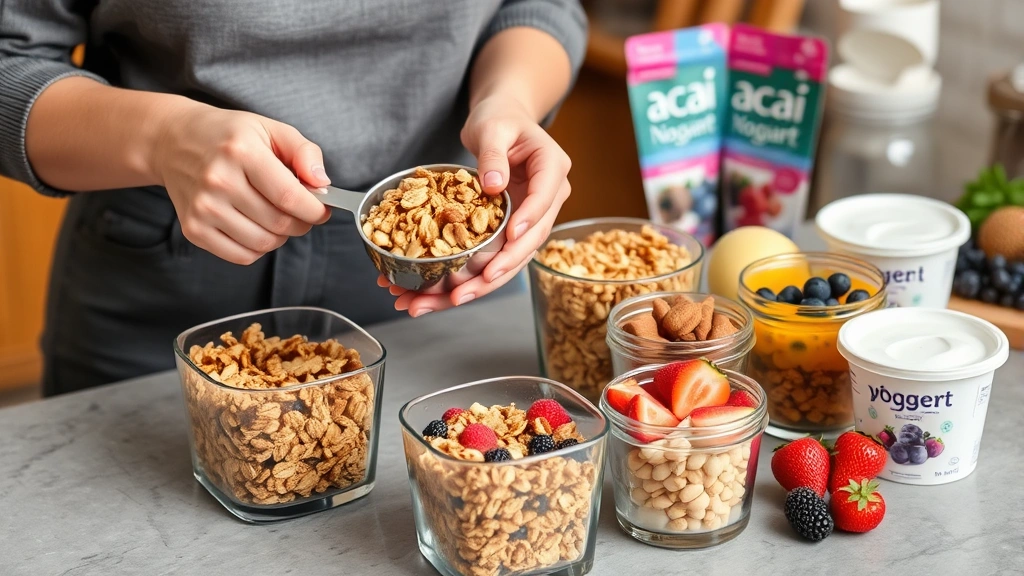
Meal prepping acai bowl components streamlines preparation. Portioning unsweetened acai into single servings and freezing them allows quick thawing and blending. Pre-measuring granola substitutes (nuts and seeds) into containers prevents portion creep. Washing and portioning fresh fruit weekly ensures convenient assembly.
The psychological aspect of acai bowls deserves acknowledgment. Their visual appeal and perceived indulgence create satisfaction that extends beyond their nutritional content. This isn’t inherently problematic—food satisfaction and enjoyment are legitimate nutritional considerations. The issue arises when this satisfaction leads to overconsumption or when the perceived health benefits exceed the actual nutritional value.
Digital tracking of acai bowl composition helps establish accurate understanding of nutritional content. Many people are surprised when they log commercial acai bowl ingredients into nutrition tracking apps and discover the actual sugar and caloric content. This awareness often motivates modifications without requiring willpower-dependent restriction.
The Future of Acai Bowl Nutrition
As consumer awareness of added sugars increases, some commercial establishments are responding with lower-sugar acai bowl options. However, these modifications remain inconsistent, and many establishments continue prioritizing taste and visual appeal over nutritional optimization. Regulatory pressure regarding nutrition labeling and marketing claims may eventually force greater transparency regarding acai bowl nutritional content.
Research on acai’s specific health benefits continues to evolve. While current evidence supports acai’s antioxidant properties and potential cardiovascular benefits, future research may clarify optimal consumption patterns and identify specific populations that derive particular benefits. This research will be most relevant when acai is consumed in its actual context—as part of a balanced bowl with controlled sugar rather than as a heavily processed, sugar-laden product.
The acai bowl trend illustrates broader patterns in nutrition—the tendency to focus on individual superfood components while neglecting overall dietary context. Acai is genuinely nutritious, but it’s not uniquely superior to other berries or fruits. Its popularity derives more from cultural trends, exotic positioning, and effective marketing than from unique nutritional superiority. Understanding this distinction allows consumers to make deliberate choices rather than following trends.
FAQ
How many calories are in a typical acai bowl?
Commercial acai bowls typically contain 400-600 calories, with some specialty versions exceeding 800 calories. Homemade versions with controlled portions can be prepared for 300-400 calories. The caloric content depends primarily on the granola portion, nut butter additions, and sweetener drizzles.
Is acai bowl sugar content a concern for weight loss?
Yes, the added sugar in commercial acai bowls (typically 35-50 grams per bowl) can impede weight loss efforts. However, homemade bowls with controlled sugar additions and increased protein can support weight management through improved satiety and stable blood sugar response.
Can people with diabetes eat acai bowls?
Individuals with diabetes can consume modified acai bowls using unsweetened acai puree, increased protein through Greek yogurt, and fresh fruit while eliminating honey and granola. Blood sugar monitoring is necessary to determine individual tolerance and appropriate portion sizes.
Are acai bowls healthier than other breakfast options?
Acai bowls aren’t inherently healthier than other breakfast options—their nutritional value depends entirely on their construction. A balanced acai bowl with adequate protein and fiber is comparable to other wholesome breakfast options, while a typical commercial acai bowl contains more calories and added sugar than many traditional breakfast choices.
What’s the best way to make acai bowls at home?
Combine unsweetened acai puree with Greek yogurt and unsweetened almond milk, blend until smooth, and top with fresh fruit, nuts, seeds, and minimal granola. This approach provides 20+ grams of protein, controlled sugar content, and sustained satiety without the caloric excess of commercial versions.
Is acai better than blueberries or other berries?
Acai isn’t nutritionally superior to other berries—it provides similar antioxidant content and comparable health benefits. The primary distinction is acai’s higher fat content (making it unique among berries), but this can be obtained from nuts and seeds at lower cost.


