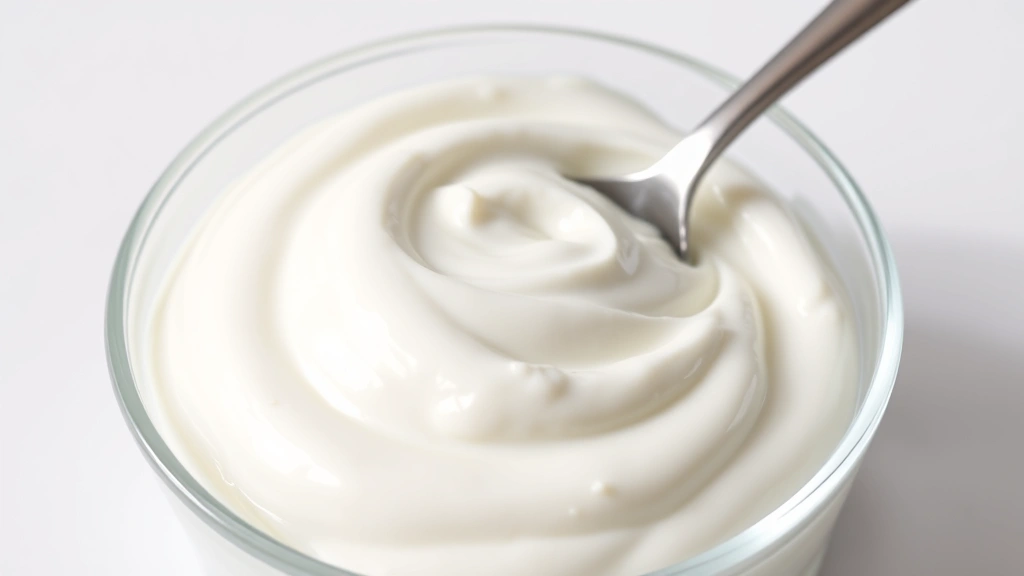
Activia Yogurt: Nutritional Benefits Explored
Activia yogurt has become a household staple for health-conscious consumers seeking functional dairy products that deliver more than basic nutrition. This French-originated probiotic yogurt brand has revolutionized how millions approach digestive wellness and daily nutritional intake. Understanding what makes Activia distinct requires examining its probiotic composition, nutritional profile, and the science supporting its health claims.
The modern wellness movement has elevated yogurt from a simple breakfast item to a strategic component of preventative health. Activia positions itself at this intersection, combining traditional yogurt nutrition with proprietary probiotic strains designed to support gut health. Whether you’re exploring nutrients pathway blog resources or researching functional foods, understanding Activia’s nutritional framework provides valuable insights into how fermented dairy can contribute to overall wellness.
What Is Activia Yogurt?
Activia yogurt represents a category of functional dairy known as probiotic yogurt, manufactured by the Dannon company since 2007. The product distinguishes itself through the inclusion of Bifidobacterium animalis lactis DN-173 010, a proprietary probiotic strain that survives the digestive process to potentially colonize the gut microbiome. This specific formulation sets Activia apart from conventional yogurt products that lack live cultures or contain generic probiotic strains.
The brand’s marketing emphasizes digestive regularity, and clinical research has examined whether this probiotic strain delivers measurable benefits. Unlike basic yogurt that may contain only starter cultures used in fermentation, Activia maintains live probiotic cells throughout the product’s shelf life. This distinction matters significantly for consumers seeking genuine functional benefits rather than marketing claims without substantiation.
Activia comes in multiple varieties including plain, flavored, and Greek formats, each with slightly different nutritional compositions. The original thick yogurt style contains more fat and calories than the light version, while Greek variants offer concentrated protein levels. Understanding these variations helps consumers select the Activia product that aligns with their specific dietary goals and preferences.
Core Nutritional Profile
A standard 100-gram serving of Activia plain yogurt contains approximately 60 calories, 3 grams of protein, 0.4 grams of fat, and 10 grams of carbohydrates. These baseline numbers position Activia as a relatively light dairy option compared to full-fat yogurts, making it suitable for calorie-conscious consumers. The macronutrient distribution emphasizes carbohydrates, primarily from lactose and added sugars, which provides quick energy but may concern those managing blood sugar levels.
Micronutrient content includes vitamin B12 from dairy sources, essential for nerve function and energy metabolism, along with riboflavin and other B vitamins that support cellular function. These vitamins become particularly important for individuals following plant-based diets who may struggle accessing adequate B12 from non-animal sources. The mineral content features phosphorus, crucial for bone mineralization alongside calcium.
The nutritional density of Activia improves when considering the nutrient absorption benefits from live cultures that may enhance bioavailability of certain minerals. Probiotic fermentation can increase the availability of vitamins and minerals compared to unfermented dairy, meaning your body may access more of these nutrients than the label suggests. This bioavailability factor represents an often-overlooked advantage of fermented foods.
Flavored Activia varieties contain higher sugar levels, typically 15-20 grams per serving, which approximates dessert-level sweetness despite being marketed as a health product. Consumers seeking lower-sugar options should opt for plain Activia or versions sweetened with sugar alcohols like stevia. Comparing ingredient lists across varieties reveals significant differences that affect overall nutritional quality.
Probiotic Benefits and Digestive Health
The primary marketing claim for Activia centers on digestive regularity through probiotic supplementation. The Bifidobacterium animalis lactis DN-173 010 strain demonstrates in vitro evidence of surviving gastric acid and colonizing the colon, theoretically supporting healthy bowel movements. Research published in digestive health journals shows mixed but generally positive results regarding this strain’s efficacy for constipation relief.
Probiotics function by modulating the gut microbiome composition, increasing beneficial bacterial populations that produce short-chain fatty acids supporting colon health. These metabolites nourish colonocytes and may reduce inflammation in the digestive tract. Activia’s specific strain shows particular promise for individuals experiencing occasional constipation rather than chronic digestive disorders requiring medical intervention.
Beyond digestive regularity, emerging research examines whether this probiotic strain influences immune function, given that approximately 70 percent of immune tissue resides in the gut-associated lymphoid tissue. Studies suggest regular Activia consumption may modestly enhance immune response markers, though individual results vary significantly based on baseline microbiome composition and overall dietary patterns. The comprehensive nutrition research available online continues exploring these immune connections.
It’s crucial to note that probiotic efficacy depends on consuming adequate quantities of live cultures consistently. Activia must be consumed regularly—typically daily for 2-3 weeks—before experiencing noticeable digestive changes. Additionally, the product must remain refrigerated and within its expiration date to maintain viable probiotic counts. Heat exposure or extended shelf time significantly reduces live culture numbers, diminishing potential benefits.
Individual response to Activia varies considerably based on existing microbiome composition, overall diet quality, and digestive system sensitivity. Some consumers report immediate improvements in regularity, while others notice minimal changes despite consistent consumption. This variability reflects the complex nature of personalized nutrition and the reality that functional foods don’t produce uniform outcomes across populations.
Protein Content and Muscle Support
Standard Activia yogurt provides 3-4 grams of protein per 100-gram serving, a moderate amount suitable for supplementary protein intake rather than a primary protein source. This protein derives from milk and includes all nine essential amino acids necessary for muscle protein synthesis. Athletes and fitness enthusiasts seeking higher protein content should consider Activia Greek yogurt varieties, which concentrate protein to approximately 10 grams per serving through whey removal.
The protein quality in Activia meets high standards, with a DIAAS (Digestible Indispensable Amino Acid Score) indicating excellent bioavailability. This means your digestive system efficiently absorbs and utilizes the amino acids present, making yogurt protein particularly effective for muscle recovery compared to some plant-based sources. Combining Activia with carbohydrates post-workout creates an optimal recovery meal, as the carbs replenish glycogen while protein supports muscle repair.
For individuals following healthy nutrition plans focused on balanced eating, Activia serves as a convenient protein-containing snack that supports satiety. The combination of protein and carbohydrates in yogurt triggers moderate satiety hormone release, helping control appetite between meals. This makes Activia useful for weight management strategies that emphasize nutrient-dense whole foods.
The amino acid profile becomes even more relevant when considering Activia’s leucine content, the primary amino acid triggering mTOR pathways that initiate muscle protein synthesis. While yogurt isn’t a concentrated leucine source like whey isolate, it contributes meaningfully to daily leucine intake when consumed as part of varied dietary patterns. Pairing yogurt with additional protein sources throughout the day ensures adequate total amino acid intake for muscle maintenance and growth.
Calcium and Bone Health
Activia yogurt delivers approximately 120-150 mg of calcium per 100-gram serving, representing roughly 12-15 percent of the daily value for adults. While this amount contributes meaningfully to daily calcium needs, it’s insufficient as a sole calcium source. Most adults require 1000-1200 mg daily, necessitating multiple calcium sources throughout the day. Including Activia as part of a broader dairy strategy, alongside milk, cheese, and calcium-fortified plant foods, builds adequate skeletal calcium stores.
The bioavailability of calcium in yogurt exceeds that of many plant-based sources due to the presence of lactose and casein phosphopeptides, which enhance mineral absorption in the intestines. This superior bioavailability means your body absorbs a higher percentage of yogurt calcium compared to the same amount from certain fortified non-dairy alternatives. The fermentation process in yogurt production may further enhance calcium bioavailability through the creation of peptides that facilitate absorption.
Beyond simple calcium provision, yogurt’s protein and probiotic content support bone health through multiple mechanisms. Adequate protein intake preserves bone mineral density by supporting osteoblast function and preventing excessive bone resorption. The probiotics in Activia may enhance calcium absorption efficiency while reducing intestinal inflammation that can impair mineral uptake. This synergistic effect makes yogurt particularly valuable for bone health compared to isolated calcium supplementation.
For individuals with lactose intolerance, Activia’s fermentation significantly reduces lactose content compared to milk, often making it tolerable despite dairy sensitivity. The beneficial bacteria consume lactose during fermentation, leaving minimal amounts in the finished product. This makes Activia accessible to many people who cannot consume conventional milk while still providing calcium and bone-supporting nutrients.
Sugar Content and Dietary Considerations
Sugar content represents Activia’s most significant nutritional limitation, with flavored varieties containing 15-20 grams per serving—equivalent to 4-5 teaspoons of added sugar. This level rivals dessert products despite Activia’s health-focused marketing, raising concerns about daily consumption patterns. The American Heart Association recommends limiting added sugar to 25 grams daily for women and 36 grams for men, making a single flavored Activia serving consume 40-80 percent of daily allowance.
Plain Activia contains only natural lactose sugars, approximately 10 grams per serving, making it a substantially better choice for blood sugar management. The difference between plain and flavored varieties demonstrates how added sugars transform a functional food into a high-sugar product. Consumers seeking probiotic benefits should prioritize plain varieties, potentially sweetening them with minimal honey or fresh fruit to maintain nutritional integrity.
For individuals managing type 2 diabetes or following low-carbohydrate dietary approaches, flavored Activia presents problematic blood sugar impacts. The combination of simple sugars and relatively low fiber content causes rapid glucose spikes, potentially triggering insulin resistance over time with regular consumption. These populations should strictly limit intake to plain varieties or explore sugar-free yogurt alternatives using sugar alcohols.
The glycemic index of Activia varies by variety, with flavored versions registering higher due to added sugars, while plain yogurt’s protein and fat content moderate the glycemic response. Pairing Activia with nuts, seeds, or whole grains further reduces blood sugar impact by adding fiber and fat that slow carbohydrate absorption. This strategic pairing approach allows even high-sugar varieties to fit within metabolic health goals when consumed thoughtfully.
Comparison with Other Yogurt Types
Greek yogurt contains nearly double the protein of standard Activia (approximately 6-10 grams per 100g serving) while maintaining similar probiotic benefits in live-culture varieties. However, Greek yogurt often contains higher sodium from processing whey removal and frequently includes more added sugars in flavored versions. Activia’s advantage lies in its specific probiotic strain research and lower overall caloric density compared to full-fat Greek varieties.
Skyr, an Icelandic yogurt product, provides exceptional protein concentration (10+ grams per serving) with minimal sugar in unsweetened versions. However, skyr typically lacks the proprietary probiotic strains that Activia emphasizes, focusing instead on traditional yogurt cultures. For consumers prioritizing protein and minimal additives, skyr may outperform Activia, though at higher price points.
Regular yogurt with live cultures provides similar probiotic benefits to Activia at lower cost, though without the specific DN-173 010 strain. Generic probiotic yogurts may support digestive health adequately, but research specifically validating their efficacy remains limited compared to Activia’s clinical evidence. The trade-off involves reduced proven efficacy against lower cost and potentially simpler ingredient lists.
Plant-based yogurt alternatives using coconut, almond, or soy bases offer options for vegans and dairy-free consumers, though protein content typically falls below dairy yogurt unless fortified. Many dairy-free varieties now include probiotics, providing functional benefits comparable to Activia, though calcium fortification quality varies significantly. The choice between dairy and plant-based options ultimately depends on individual dietary preferences, allergies, and sustainability considerations.
When evaluating yogurt options, consider that nutrition for athletic performance may benefit from higher-protein varieties, while digestive health prioritization might justify Activia’s specific probiotic strain. No single yogurt type universally outperforms others; selection should reflect individual nutritional goals and dietary constraints.
How to Incorporate Activia Into Your Diet
Daily consumption of Activia supports probiotic benefits, with most clinical research suggesting 100-125 grams (approximately one standard container) consumed consistently demonstrates digestive benefits within 2-3 weeks. This regular intake allows the Bifidobacterium strain to establish populations in the colon, potentially producing lasting benefits even after discontinuing consumption. Sporadic consumption provides minimal functional benefit compared to habitual daily intake.
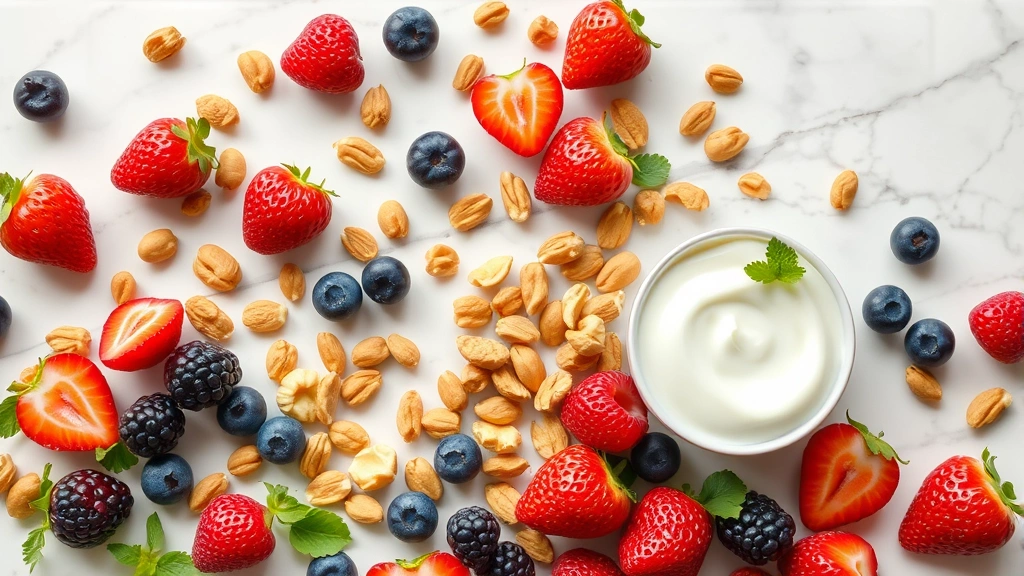
Plain Activia works excellently in breakfast applications combined with whole grains, nuts, and fresh berries, creating a balanced meal with protein, probiotics, fiber, and micronutrients. This combination addresses multiple nutritional goals simultaneously while maintaining reasonable sugar and calorie levels. The natural sweetness of fresh fruit eliminates need for flavored yogurt varieties with their problematic added sugars.
Savory applications expand Activia’s versatility beyond traditional sweet uses. Using plain Activia as a base for salad dressings, tzatziki-style sauces, or marinades leverages its probiotic content while adding flavor complexity to vegetable-focused meals. This culinary approach aligns with emerging research suggesting probiotic foods benefit from varied consumption contexts throughout daily eating patterns rather than isolated consumption.
For individuals with specific nutritional interests like those exploring avocado nutrition, combining Activia with nutrient-dense whole foods creates synergistic meals. Pairing yogurt with omega-3 rich foods addresses multiple nutritional needs simultaneously. Understanding how to integrate functional foods into comprehensive dietary patterns maximizes their potential benefits.
Smoothie applications provide convenient Activia consumption, though careful ingredient selection matters significantly. Adding frozen fruits, leafy greens, and nuts to plain Activia creates nutrient-dense beverages supporting digestive health and sustained energy. Avoiding commercial smoothie additions like sweetened yogurt or sugar syrups preserves the nutritional integrity that makes Activia valuable.
Temperature considerations affect probiotic viability, making proper storage essential for maintaining product efficacy. Activia requires consistent refrigeration below 40°F, with exposure to heat significantly reducing live culture counts. Consuming Activia before the expiration date ensures adequate probiotic populations, while expired products may contain minimal viable cultures regardless of other nutritional content.
FAQ
Is Activia yogurt suitable for lactose-intolerant individuals?
Yes, Activia’s fermentation process reduces lactose content significantly compared to milk, typically making it tolerable for individuals with lactose intolerance. The beneficial bacteria consume lactose during production, leaving minimal amounts in the finished product. However, those with severe lactose intolerance or dairy allergies should avoid all yogurt products, as Activia still contains residual lactose and milk proteins.
How long does it take to experience digestive benefits from Activia?
Clinical research suggests 2-3 weeks of consistent daily consumption before noticing digestive regularity improvements. Individual responses vary based on baseline microbiome composition, overall diet quality, and digestive sensitivity. Some individuals notice changes within days, while others require extended periods before experiencing measurable benefits.
Can children consume Activia yogurt safely?
Yes, Activia is generally safe for children over one year old, providing valuable probiotics and calcium for developing bodies. However, flavored varieties’ high sugar content makes plain Activia preferable for pediatric consumption. Parents should monitor individual responses and ensure Activia consumption doesn’t displace other nutritious foods from children’s diets.
Does Activia contain any allergens?
Activia contains milk and dairy proteins, making it unsuitable for individuals with milk allergies. Some varieties may contain tree nuts or other allergens depending on specific formulations. Always review ingredient labels carefully, as allergen content varies across Activia product lines and manufacturing facilities.
Is Activia beneficial for weight loss?
Activia supports weight management through satiety promotion and nutrient density, but isn’t inherently a weight-loss product. Plain varieties provide reasonable calories (60 per 100g) with protein supporting appetite control. However, flavored versions with 15-20 grams of added sugar can undermine weight loss efforts, making variety selection crucial for weight management goals.
How does Activia compare to taking probiotic supplements?
Activia delivers probiotics within a food matrix containing additional nutrients like calcium and protein, while supplements provide concentrated bacterial cultures without other nutritional benefit. Food-based probiotics may have superior bioavailability and survival rates compared to supplements, though individual variation exists. Research on probiotic efficacy suggests food sources and supplements may complement each other for optimal gut health.
Does heating Activia destroy its probiotic content?
Yes, heat exposure significantly reduces or eliminates live probiotic cultures in Activia. The beneficial bacteria die at temperatures above approximately 115°F (46°C), making heated applications unsuitable for probiotic benefits. However, heated Activia retains other nutritional benefits including protein, calcium, and carbohydrates, so cooking applications remain nutritionally valid despite lost probiotics.
Can Activia help with bloating and gas?
For some individuals, probiotics in Activia may reduce bloating and gas by improving digestive efficiency and reducing fermentation of undigested foods. However, initial consumption sometimes temporarily increases bloating as beneficial bacteria populations adjust. Consistency matters significantly—short-term consumption may not demonstrate benefits, while long-term daily intake produces more reliable results.
Is organic Activia nutritionally superior to conventional varieties?
Organic Activia follows similar fermentation processes and contains the same probiotic strains as conventional varieties, providing comparable nutritional profiles. The primary difference involves pesticide residue absence and organic dairy sourcing practices. From purely nutritional standpoint, organic and conventional Activia offer equivalent benefits, with selection depending on personal preferences regarding organic certification and sustainability values.
What’s the best time to consume Activia for maximum benefits?
Consuming Activia with meals rather than on empty stomach may enhance probiotic survival through the stomach due to food’s buffering effect on gastric acid. However, consistent daily consumption at any time matters more than timing optimization. Some research suggests evening consumption allows overnight colonization of beneficial bacteria, though individual variation exists.


