Bone Broth Protein Benefits: Expert Insights into Ancient Nutrition
Bone broth has resurged as a nutritional powerhouse in modern wellness culture, yet its benefits extend far beyond trendy health claims. This ancient preparation method—simmering animal bones for extended periods—creates a nutrient-dense liquid rich in collagen, amino acids, and minerals that our ancestors understood intuitively. Today, scientific research is catching up to validate what traditional cultures have known for millennia: bone broth protein offers substantial health advantages when incorporated strategically into your diet.
The resurgence of bone broth represents a fascinating intersection of ancestral wisdom and contemporary nutritional science. As consumers increasingly seek whole-food sources of protein and micronutrients, bone broth stands apart from synthetic supplements and processed protein powders. Understanding the specific mechanisms behind bone broth’s benefits requires examining both the biochemistry of the preparation process and the emerging body of peer-reviewed research supporting its health claims.

What Is Bone Broth and How Is It Made
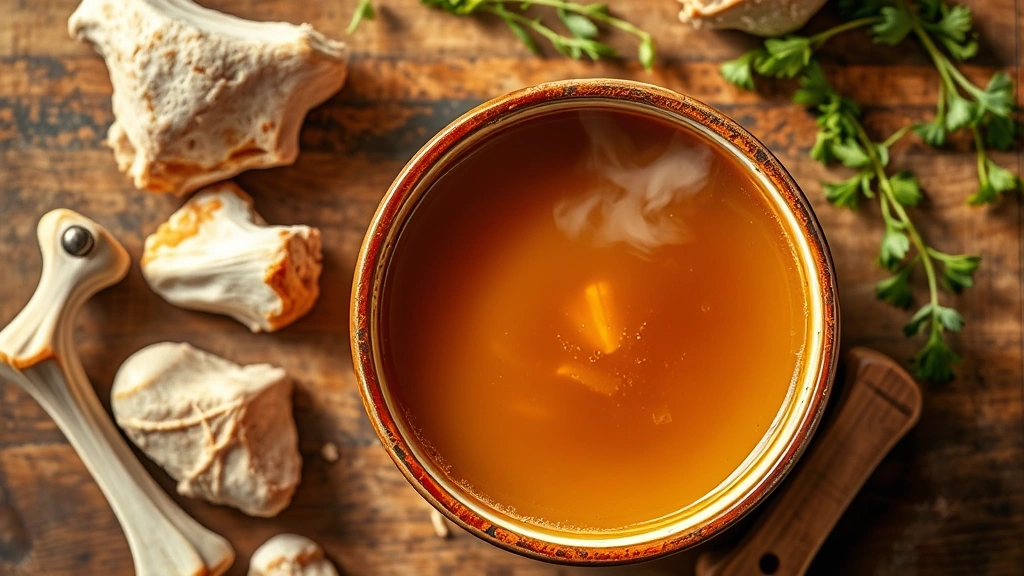
Bone broth represents one of humanity’s oldest food preparations, documented across virtually every traditional cuisine from Chinese medicine to French culinary traditions. The process involves simmering animal bones—typically from beef, chicken, pork, or fish—for 12 to 48 hours with water and often vegetables and herbs. This extended cooking time extracts collagen, gelatin, minerals, and amino acids from the bone matrix into the liquid, creating a nutrient-dense substance that differs fundamentally from conventional stock or broth.
The distinction matters considerably. While regular broth might simmer for 1-2 hours, bone broth’s extended cooking period allows for deep extraction of collagen molecules. These collagen strands break down into gelatin during the heating process, and further break down into individual amino acids—particularly glycine, proline, and hydroxyproline—which confer the majority of bone broth’s health benefits. The mineral content also increases substantially, including calcium, magnesium, phosphorus, and trace minerals like zinc and iron that leach from the bone structure into the cooking liquid.
Quality matters significantly in bone broth preparation. Bones from pasture-raised, grass-fed animals contain higher nutrient densities than conventional sources. The cooking temperature should remain below boiling—ideally between 160-180°F—to preserve heat-sensitive nutrients and prevent the denaturation of beneficial compounds. Many practitioners add apple cider vinegar to the cooking liquid, as the acidity may enhance mineral extraction from the bone matrix.

Collagen and Amino Acid Profile
The primary appeal of bone broth protein lies in its exceptional collagen content and amino acid composition. Collagen represents the most abundant protein in the human body, comprising approximately 30% of total body protein and serving as the structural foundation for skin, bones, tendons, ligaments, and connective tissues. Bone broth provides Type I and Type III collagen—the primary forms found in human skin and structural tissues—in bioavailable forms that the body can readily utilize.
When consumed, the collagen in bone broth undergoes hydrolysis during digestion, breaking down into constituent amino acids that are then absorbed and distributed throughout the body. The amino acid profile of bone broth includes particularly high concentrations of:
- Glycine: Comprises approximately 33% of collagen’s amino acid content and serves critical roles in muscle tissue synthesis, immune function, and cellular energy production
- Proline: Essential for collagen synthesis and skin health, also supports cardiovascular function and joint integrity
- Hydroxyproline: Unique to collagen, stabilizes the collagen triple helix structure and supports connective tissue strength
- Arginine: Supports immune function, wound healing, and nitric oxide production for vascular health
Unlike isolated amino acid supplements, bone broth delivers these compounds within their natural matrix alongside cofactors and synergistic nutrients that enhance absorption and utilization. Research from nutritional biochemistry studies indicates that amino acids consumed within food matrices demonstrate superior bioavailability compared to isolated supplemental forms.
Joint Health and Mobility Benefits
Perhaps the most extensively documented benefit of bone broth protein involves joint health and mobility support. The collagen and gelatin in bone broth provide direct structural support for cartilage, the specialized connective tissue that covers bone surfaces and enables smooth joint movement. As we age, cartilage naturally degrades, leading to stiffness, reduced range of motion, and conditions like osteoarthritis.
The amino acids in bone broth—particularly glycine and proline—serve as building blocks for cartilage regeneration and repair. Several clinical trials have examined the effects of collagen supplementation on joint health. A 2017 study published in Nutrients found that participants consuming hydrolyzed collagen experienced significant improvements in joint pain and mobility compared to placebo groups. Athletes and individuals with high-impact activities report particular benefits, as bone broth may reduce recovery time and support tissue repair following intense exercise.
The gelatin component deserves specific attention. Gelatin contains high concentrations of glycine and proline, and when consumed, these amino acids accumulate preferentially in cartilage tissue, suggesting a targeting mechanism for joint support. Additionally, bone broth contains hyaluronic acid and chondroitin sulfate—compounds naturally present in cartilage that support hydration and elasticity of joint tissues.
Gut Health and Digestive Support
The amino acid composition of bone broth makes it uniquely beneficial for gastrointestinal health. Glycine and glutamine—both present in significant quantities—are primary fuel sources for intestinal epithelial cells and support the integrity of the gut barrier. The gut lining, technically a single-cell-thick membrane, acts as the primary defense against pathogens and undigested food particles. When this barrier becomes compromised—a condition known as intestinal permeability or “leaky gut”—inflammatory responses cascade throughout the body.
Bone broth’s gelatin content also supports digestive function through mechanical and biochemical mechanisms. The gelatin itself aids in binding water in the digestive tract, promoting smoother transit and reducing inflammatory stress on the intestinal wall. The collagen-derived amino acids provide substrates for mucin synthesis, the protective mucus layer that lines the gastrointestinal tract and prevents pathogenic colonization.
Furthermore, bone broth contains glutamine, an amino acid that serves as the primary energy source for intestinal cells and supports the tight junctions that maintain barrier integrity. Incorporating bone broth into a healthy nutrition plan can provide substantial support for individuals managing inflammatory digestive conditions, food sensitivities, or general gut health optimization.
The minerals in bone broth—particularly magnesium and zinc—also support digestive enzyme function and the health of the intestinal microbiome. These trace minerals serve as cofactors for hundreds of enzymatic reactions involved in nutrient absorption and immune tolerance development in the gut.
Skin Hair and Nail Strength
The dermatological benefits of bone broth protein stem directly from its collagen and amino acid content. Skin health depends fundamentally on collagen density and elasticity; as we age and collagen production declines, skin becomes thinner, drier, and more prone to wrinkle formation. Consuming bone broth provides exogenous collagen that, when hydrolyzed and absorbed, can be incorporated into dermal tissues.
Research demonstrates that oral collagen supplementation increases skin hydration and elasticity. A 2014 study in Skin Pharmacology and Physiology found that women consuming collagen peptides experienced significant improvements in skin elasticity and hydration compared to control groups. The effect appears mediated both by direct incorporation of amino acids into skin tissue and by stimulation of the body’s own collagen synthesis machinery.
Hair and nails similarly benefit from the amino acid and mineral profile of bone broth. Hair follicles require consistent amino acid and micronutrient availability for growth; the sulfur-containing amino acids in bone broth (derived from the bone matrix) support keratin synthesis, the primary structural protein in hair and nails. Zinc, present in substantial quantities in bone broth, regulates hair growth cycles and prevents premature telogen effluvium (excessive shedding).
Immune Function Enhancement
The immune-supporting properties of bone broth operate through multiple mechanisms. Glutamine, one of the primary amino acids in bone broth, serves as the preferred fuel for immune cells—particularly lymphocytes and macrophages. During immune challenges, glutamine demand increases dramatically; bone broth provides an accessible dietary source of this conditionally essential amino acid.
Additionally, bone broth contains minerals critical for immune cell development and function. Zinc plays irreplaceable roles in T-cell maturation, antibody production, and natural killer cell activation. Selenium, present in trace amounts, serves as a cofactor for glutathione peroxidase and other antioxidant enzymes that protect immune cells from oxidative damage. Iron supports the proliferation of immune cells, while magnesium modulates inflammatory responses and supports regulatory T-cell development.
The collagen peptides in bone broth may also support immune tolerance through mechanisms involving the gut barrier and microbiome. By supporting intestinal integrity through glycine and glutamine provision, bone broth reduces systemic inflammatory activation triggered by bacterial lipopolysaccharides and other pathogen-associated molecular patterns.
Athletic Performance and Recovery
Athletes optimizing performance through diet increasingly incorporate bone broth as a strategic nutritional tool. The amino acid profile supports multiple aspects of athletic adaptation and recovery. Glycine and arginine both support nitric oxide production, which enhances vascular function, oxygen delivery to muscles, and endothelial health. This mechanism may improve aerobic capacity and reduce cardiovascular strain during intense training.
The collagen in bone broth provides direct support for connective tissue repair, critical following high-impact training or competition. Athletes engaging in running, jumping, or heavy resistance training experience microtrauma to tendons, ligaments, and cartilage; the amino acids from bone broth provide substrates for accelerated repair. Additionally, the mineral content—particularly zinc, magnesium, and iron—supports muscle protein synthesis, energy metabolism, and oxygen transport.
The anti-inflammatory properties of bone broth may also accelerate recovery. Glycine itself possesses anti-inflammatory properties and may reduce exercise-induced inflammation that, while necessary for adaptation, can impair immediate recovery and performance in subsequent training sessions. The gelatin content supports joint hydration and cushioning, potentially reducing joint stress during training.
How to Choose Quality Bone Broth
The nutritional quality of bone broth varies substantially depending on source materials, preparation methods, and processing. When selecting bone broth—whether homemade, fresh, or powdered—several criteria should guide your decision:
- Source of Bones: Prioritize bones from pasture-raised, grass-fed cattle or wild-caught fish. These sources contain higher micronutrient densities and avoid concentrated pesticide and antibiotic residues common in conventional animal agriculture
- Cooking Duration: Genuine bone broth requires minimum 12-hour cooking periods; 24-48 hours yields optimal collagen extraction. Products claiming to be bone broth but cooked for shorter periods likely contain reduced nutrient densities
- Ingredient Simplicity: High-quality bone broth contains only bones, water, and optionally vegetables and herbs. Avoid products with added coloring, thickeners, or flavor enhancers that indicate inferior base material
- Gel Formation: Properly prepared bone broth should gel when cooled due to gelatin content. If a product remains liquid when refrigerated, it likely lacks adequate collagen extraction
- Third-Party Testing: Reputable brands conduct heavy metal testing and verify amino acid profiles. Request certificates of analysis before purchasing, particularly for powdered versions
- Preparation Method: Low-temperature preparation preserves more heat-sensitive nutrients than high-temperature processing. Ask manufacturers about their cooking temperatures
For those preparing bone broth at home, using a slow cooker or pressure cooker set to low temperatures ensures optimal nutrient extraction while maintaining food safety. Purchasing bones directly from butchers—particularly those specializing in grass-fed beef or pastured poultry—provides superior quality at lower cost than pre-packaged broth products.
FAQ
How much bone broth should I consume daily for maximum benefits?
Most research examining bone broth benefits utilized doses between 10-20 grams of collagen peptides daily, typically equivalent to 1-2 cups of prepared bone broth. Consistency matters more than quantity; regular consumption of smaller amounts produces more substantial benefits than occasional large doses. Individual needs vary based on activity level, age, and specific health goals; those engaged in intense training or managing joint concerns may benefit from higher intakes.
Can bone broth replace other protein sources?
Bone broth provides valuable amino acids but shouldn’t entirely replace diverse protein sources. While rich in specific amino acids like glycine and proline, bone broth contains lower total protein density than meat, fish, or legumes. The optimal approach combines bone broth with nutrient-dense whole foods and complete protein sources to ensure adequate intake of all essential amino acids.
Is bone broth appropriate for vegetarians or vegans?
Traditional bone broth requires animal bones and therefore isn’t suitable for vegetarian or vegan diets. However, plant-based alternatives using mushroom, seaweed, or vegetable stocks can provide some similar benefits, though amino acid profiles differ substantially. Vegans seeking collagen benefits may consider supplemental vegan collagen derived from genetically modified bacteria or obtain amino acids from plant protein combinations.
How long does bone broth stay fresh?
Properly prepared bone broth remains refrigerated for 3-5 days before spoilage risk increases. For longer storage, freeze bone broth in ice cube trays or containers for up to 6 months. Powdered bone broth, when stored in cool, dry conditions away from direct sunlight, maintains nutritional integrity for 12-24 months depending on packaging quality and storage conditions.
Does cooking temperature affect bone broth’s nutritional content?
Yes, significantly. Extended cooking at high temperatures can denature some heat-sensitive amino acids and reduce bioavailability of certain minerals. Slow cooking at temperatures below boiling (160-180°F) preserves more nutrients than rapid boiling. This is why slow cookers and low-pressure cooking methods are preferred over high-heat approaches for maximum nutritional benefit.
Can bone broth support weight management goals?
Bone broth may indirectly support weight management through multiple mechanisms. The amino acids, particularly glycine and collagen peptides, promote satiety and may reduce overall caloric intake. Additionally, improved gut health and nutrient absorption from bone broth consumption can reduce cravings driven by micronutrient deficiency. However, bone broth alone doesn’t create weight loss; it functions best as one component of a comprehensive approach including dietary fiber intake, physical activity, and caloric balance.