Apple Juice Benefits? Dietitian’s Insights on Apple Juice Nutrition Facts
Apple juice has long been marketed as a wholesome beverage, often appearing in children’s lunch boxes and health-conscious households alike. However, the reality of apple juice nutrition facts reveals a more nuanced picture than the marketing suggests. As a registered dietitian nutritionist, I’ve observed growing confusion about whether apple juice truly delivers the health benefits associated with whole apples, or if it’s simply liquid sugar with minimal nutritional value. Understanding the distinction between whole fruit and processed juice is essential for making informed dietary choices.
The journey from orchard to glass involves significant processing that fundamentally alters the nutritional profile of apples. When apples are pressed into juice, the extraction process removes fiber, concentrates natural sugars, and often introduces additional processing steps that further modify the final product. This article explores the comprehensive apple juice nutrition facts, examines the actual health benefits and drawbacks, and provides evidence-based guidance from nutrition science to help you understand whether apple juice deserves a place in a healthy nutrition plan.
Apple Juice Nutrition Facts Breakdown
A standard 8-ounce (240ml) serving of unsweetened apple juice typically contains approximately 120 calories, 28 grams of carbohydrates, 24 grams of total sugars, 0.3 grams of protein, and virtually no fat. The micronutrient profile includes potassium (195mg), vitamin C (4mg), and trace amounts of phosphorus and manganese. While these numbers might seem promising at first glance, the composition reveals significant concerns for nutritionists and health professionals.
The caloric density of apple juice—primarily from concentrated sugars—makes it problematic when consumed in typical serving sizes. Many people consume apple juice without portion awareness, easily drinking 16 or 24 ounces without recognizing they’ve consumed 240-360 calories and 48-72 grams of sugar. For context, the American Heart Association recommends no more than 25 grams of added sugars daily for women and 36 grams for men. A single large glass of apple juice can exceed these recommendations before accounting for other dietary sources.
Different processing methods yield varying nutritional profiles. Cold-pressed apple juice retains more polyphenols and antioxidants compared to heat-processed varieties, though both lose significant fiber content. Concentrate-based juices undergo additional processing that may further reduce micronutrient density. Understanding these distinctions helps consumers navigate label claims and marketing terminology that often obscures the true nutritional reality.
Sugar Content and Metabolic Impact
The sugar in apple juice deserves particular scrutiny because it exists in a form that bypasses natural satiety mechanisms. When you consume whole apples, fiber content slows digestion and promotes fullness signals. Juice removes this fiber barrier, allowing rapid sugar absorption that spikes blood glucose levels dramatically. This metabolic effect has significant implications for weight management, insulin sensitivity, and long-term cardiometabolic health.
Research published in the American Journal of Clinical Nutrition demonstrates that liquid calories from juice don’t trigger the same satiety responses as solid foods containing identical calorie amounts. This means apple juice consumption doesn’t reduce subsequent food intake, leading to net caloric surplus. Over time, this pattern contributes to weight gain and increased obesity risk, particularly concerning given that many parents view apple juice as a healthy beverage option for children.
The fructose component of apple juice presents additional metabolic considerations. Unlike glucose, fructose metabolism occurs primarily in the liver, where it’s more readily converted to fat storage. Excessive fructose consumption correlates with fatty liver disease development, elevated triglycerides, and increased visceral adiposity—the dangerous fat that accumulates around organs. These metabolic pathways explain why some research links regular juice consumption to metabolic syndrome risk factors.
Blood sugar response to apple juice occurs rapidly and intensely. The glycemic load of an 8-ounce serving ranges from 20-28, depending on processing method, placing it in the moderate-to-high category. For individuals managing diabetes, prediabetes, or pursuing stable energy levels throughout the day, apple juice consumption creates problematic glucose fluctuations that can trigger energy crashes and increased hunger within 1-2 hours of consumption.
Micronutrients and Antioxidants
Apple juice does contain some beneficial compounds worth acknowledging. Polyphenols, including quercetin and chlorogenic acid, possess antioxidant and anti-inflammatory properties documented in numerous studies. These compounds support cellular health and may contribute to disease prevention mechanisms. Additionally, apple juice provides potassium, an essential mineral for cardiovascular function and blood pressure regulation. A single serving delivers approximately 5% of the daily recommended potassium intake.
The vitamin C content of apple juice is modest but measurable. Fresh-pressed juice retains approximately 4-6mg of vitamin C per 8-ounce serving, though this diminishes significantly over time and with heat processing. Compared to citrus juices like orange juice, which contains 80-100mg per serving, apple juice contributes minimally to daily vitamin C requirements. The micronutrient profile, while present, doesn’t justify the high sugar content from a nutritional density perspective.
Antioxidant concentration varies considerably based on apple variety and processing method. Red and dark-colored apple varieties contain higher polyphenol levels than lighter varieties. Cold-pressed, unpasteurized juice retains maximum antioxidant content, while commercial heat-pasteurized juice experiences notable polyphenol loss. However, these antioxidants are also present in whole apples with the added benefit of fiber, making whole fruit consumption a more efficient delivery mechanism.
The bioavailability of apple juice micronutrients differs from whole fruit consumption. Polyphenols in juice exist in isolation without the complex food matrix that enhances absorption in whole apples. This biochemical reality means the body may not absorb and utilize these compounds as effectively from juice as from whole fruit sources. The synergistic effect of consuming nutrients within their original food context provides superior nutritional benefit compared to isolated juice extraction.

Fiber Loss in Processing
The most significant nutritional casualty during juice processing is dietary fiber. A whole medium apple contains approximately 4-5 grams of fiber, with roughly 2.5-3 grams as soluble fiber and 1-2 grams as insoluble fiber. Apple juice contains essentially zero fiber—a 99%+ loss during pressing and filtration. This fiber elimination represents perhaps the most detrimental aspect of juice consumption from a health perspective, and understanding the importance of dietary fiber for your health clarifies why this loss matters substantially.
Soluble fiber in apples, particularly pectin, provides multiple health benefits that disappear with juicing. This fiber type slows gastric emptying, promoting satiety and stable blood sugar responses. It also serves as prebiotic substrate for beneficial gut bacteria, supporting microbiome health and metabolic function. Additionally, soluble fiber helps regulate cholesterol metabolism by binding bile acids in the digestive tract. Juice consumption eliminates all these protective mechanisms.
Insoluble fiber, the structural component of apple skin and pulp, promotes digestive regularity and supports healthy bowel function. This fiber type adds bulk to stool, facilitating efficient elimination and supporting colonic health. The complete absence of insoluble fiber in apple juice means it provides no digestive benefit and may actually contribute to digestive dysfunction when consumed as a substitute for whole fruit.
The fiber deficit has cascading health implications. Low fiber intake correlates with increased colorectal cancer risk, cardiovascular disease, type 2 diabetes, and obesity. When individuals consume juice instead of whole fruit, they reduce overall dietary fiber intake, potentially falling short of the recommended 25-35 grams daily. This deficit accumulates across time, increasing disease risk substantially. For individuals working toward optimal health, this single factor provides sufficient reason to avoid regular apple juice consumption in favor of whole apples.
Digestive Health Considerations
Apple juice consumption affects digestive health through multiple mechanisms. The absence of fiber reduces digestive stimulation, potentially contributing to constipation in susceptible individuals. Conversely, the high fructose and sugar content can trigger osmotic diarrhea, particularly in individuals with fructose sensitivity or malabsorption. This bidirectional effect on bowel function highlights how juice consumption disrupts normal digestive physiology.
The rapid sugar absorption from apple juice overwhelms the capacity of the small intestine to absorb fructose efficiently. When fructose exceeds absorption capacity, it remains in the intestinal lumen where it exerts osmotic effects, drawing water into the intestine and stimulating bacterial fermentation. This process produces gas and bloating, particularly problematic for individuals with irritable bowel syndrome or other functional gastrointestinal disorders.
Dental health represents another critical digestive-adjacent concern. Apple juice’s acidity (pH approximately 3.3-4.0) and high sugar content create an ideal environment for cariogenic bacteria. Regular consumption softens tooth enamel and promotes cavity development. The acidic environment also disrupts oral microbiome balance, potentially increasing periodontal disease risk. Dentists consistently recommend limiting juice consumption and emphasize that whole fruit consumption poses significantly lower dental risk than juice.
Gut microbiome composition changes with regular apple juice consumption. The absence of prebiotic fiber starves beneficial bacteria populations, while the high sugar content feeds pathogenic species. This dysbiotic shift reduces microbial diversity and impairs the production of short-chain fatty acids, which support intestinal barrier function and systemic immune health. The microbiome consequences of regular juice consumption extend far beyond digestive symptoms into systemic health effects.
Apple Juice vs Whole Apples
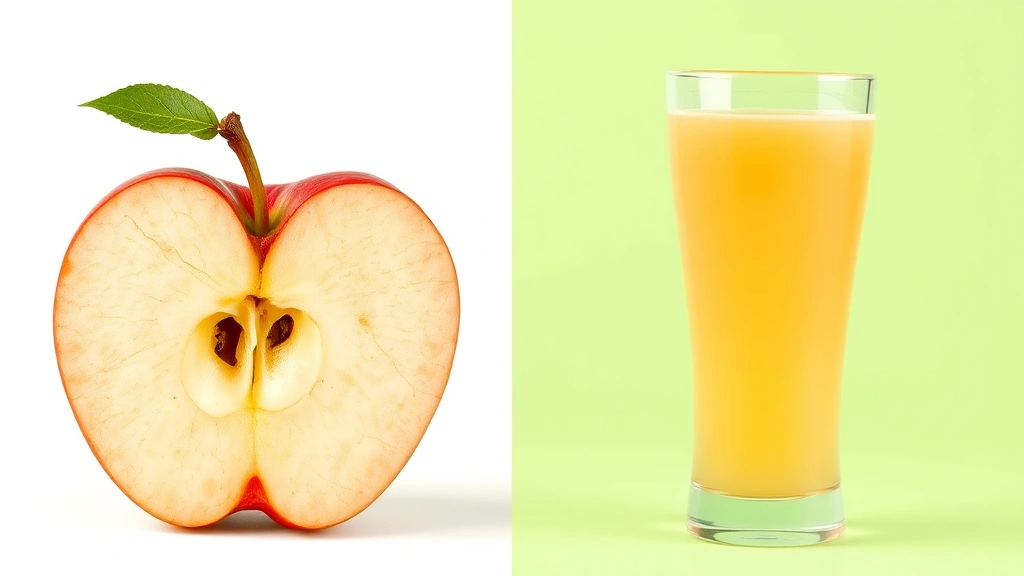
The comparison between apple juice and whole apples reveals dramatic nutritional differences despite both deriving from identical fruit sources. A medium whole apple (182g) contains 95 calories, 25 grams of carbohydrates, 19 grams of sugars, 4.4 grams of fiber, and 5 grams of water. The same caloric equivalent of apple juice (approximately 180ml or 6 ounces) provides essentially identical sugar content with zero fiber. This substitution fundamentally alters metabolic impact.
Satiety comparison demonstrates why whole apples support weight management while juice does not. A whole apple produces significant fullness through fiber content and mastication-induced satiety signals. Consuming a whole apple typically reduces subsequent food intake by 50-100 calories. The identical caloric amount of juice produces no satiety benefit and may actually increase subsequent hunger through rapid blood sugar elevation and subsequent crash patterns.
Glycemic response differs dramatically between whole apples and juice. Whole apples produce a glycemic index of approximately 38-42, classified as low glycemic index foods. The same fruit pressed into juice achieves a glycemic index of 55-60, moving into moderate-to-high territory. For individuals managing blood sugar, this distinction proves clinically significant. The fiber and cellular structure of whole fruit fundamentally modulates sugar absorption kinetics in ways that juice cannot replicate.
Cost-effectiveness analysis favors whole apples from both nutritional and economic perspectives. A pound of whole apples costs approximately $1.50-2.50 and provides multiple servings with full nutritional benefit. Equivalent apple juice serving costs $0.75-1.50 per serving with substantially diminished nutritional value. Purchasing whole apples and incorporating them into your tips for meal planning strategies provides superior nutrition at competitive or lower cost.
Health Claims Examined
Marketing claims regarding apple juice benefits often lack substantial scientific support. The phrase “made from real apples” technically contains truth while obscuring that processing destroys most nutritional value. “Natural” labeling suggests health benefits despite the complete absence of regulatory definition for this term. These marketing strategies exploit consumer assumptions that juice retains apple nutrition, when reality diverges significantly from perception.
Claims that apple juice supports cardiovascular health derive from polyphenol research on whole apples, not juice. While polyphenols do exist in juice, they exist without fiber and with excessive sugar—a combination that may actually worsen cardiovascular risk factors. Regular juice consumption correlates with increased blood pressure, elevated triglycerides, and worsening lipid profiles in epidemiological studies, contradicting cardiovascular benefit claims.
Digestive benefit claims specifically mislead consumers. Apple juice contains no fiber and therefore cannot support digestive health through prebiotic or bulking mechanisms. Marketing that emphasizes digestive benefits of apple juice exploits the legitimate digestive benefits of whole apples, creating false equivalence between fundamentally different products. The absence of fiber means apple juice cannot deliver the promised digestive support.
Antioxidant benefit claims warrant scrutiny regarding clinical significance. While apple juice does contain polyphenols with antioxidant properties, the quantity remains modest compared to other beverages like green tea or pomegranate juice. Furthermore, the high sugar content generates oxidative stress through glycation and metabolic dysfunction, potentially offsetting any antioxidant benefit. The net antioxidant effect of apple juice consumption may actually be neutral or negative when considering whole-body metabolic effects.
Research from the Harvard School of Public Health demonstrates that fruit juice consumption increases type 2 diabetes risk, contradicting marketing claims of health benefits. Studies in the American Journal of Clinical Nutrition confirm that juice consumption provides no weight management benefit despite marketing suggestions. These evidence-based findings should inform consumer decision-making over marketing narratives.
The distinction between marketing claims and scientific evidence proves critical for informed consumption decisions. Consulting evidence-based nutrition information sources helps consumers navigate misleading claims. When evaluating apple juice or any processed beverage, examining actual nutritional data and clinical research provides superior guidance compared to marketing language designed to maximize sales rather than support health.
Practical recommendations for consumers who enjoy apple flavors include consuming whole apples, which deliver complete nutritional benefit. When juice consumption does occur, limiting portions to 4-6 ounces maximum, consuming with meals to moderate blood sugar response, and selecting cold-pressed varieties to maximize polyphenol content represents harm reduction strategy. However, completely eliminating apple juice and replacing it with whole fruit consumption provides optimal health outcomes.
For parents considering juice for children, whole apple consumption provides superior nutrition with better satiety and dental health outcomes. If juice consumption occurs, limiting to occasional small portions (4-ounce maximum) and ensuring water consumption afterward supports dental health. Teaching children that whole apples represent the healthier choice establishes positive dietary habits that support lifelong health outcomes.
FAQ
Is apple juice healthier than soda?
While apple juice contains slightly more micronutrients than soda, both beverages provide excessive sugar with minimal nutritional benefit. Apple juice contains approximately 24 grams of sugar per 8-ounce serving compared to soda’s 34-40 grams, but the metabolic impact differs minimally. Neither beverage supports health goals, and both should be limited or eliminated. Whole apples or unsweetened beverages represent superior choices.
Can apple juice help with digestion?
No, apple juice cannot support digestive health because it contains zero fiber. The fiber content of whole apples provides digestive benefit through prebiotic effects and mechanical stimulation. Apple juice’s high sugar content actually impairs digestive function by disrupting gut bacteria balance and potentially triggering osmotic diarrhea. Whole apples support digestive health; juice does not.
How much apple juice is safe to drink daily?
From a nutritional standpoint, apple juice consumption should be minimal. The American Academy of Pediatrics recommends limiting juice to 4-6 ounces daily for children and suggests that adults avoid regular juice consumption entirely. If consumed, limiting to occasional 4-ounce portions with meals provides the least metabolic disruption, though eliminating juice consumption entirely supports optimal health outcomes.
Does apple juice contain natural sugar?
Yes, apple juice contains natural sugars (fructose, glucose, and sucrose) derived from apples. However, “natural” doesn’t mean healthy or metabolically benign. Processing concentrates these sugars while removing fiber, creating a product with problematic metabolic effects despite the natural origin of component sugars. The body metabolizes concentrated fruit sugars similarly to added sugars from a glycemic perspective.
Can I substitute apple juice for whole apples?
Absolutely not. Whole apples and apple juice represent nutritionally distinct products despite identical fruit sources. Whole apples provide fiber, superior satiety, lower glycemic response, and complete micronutrient profiles. Apple juice provides concentrated sugar without fiber or satiety benefit. Anyone concerned with health outcomes should consume whole apples and avoid juice as a substitute.
Is cold-pressed apple juice healthier?
Cold-pressed apple juice retains more polyphenols and antioxidants compared to heat-processed varieties, making it nutritionally superior to conventional juice. However, cold-pressed juice still contains zero fiber and excessive sugar, maintaining the fundamental metabolic problems of conventional juice. While marginally better than conventional juice, cold-pressed juice still shouldn’t form part of regular dietary patterns.


