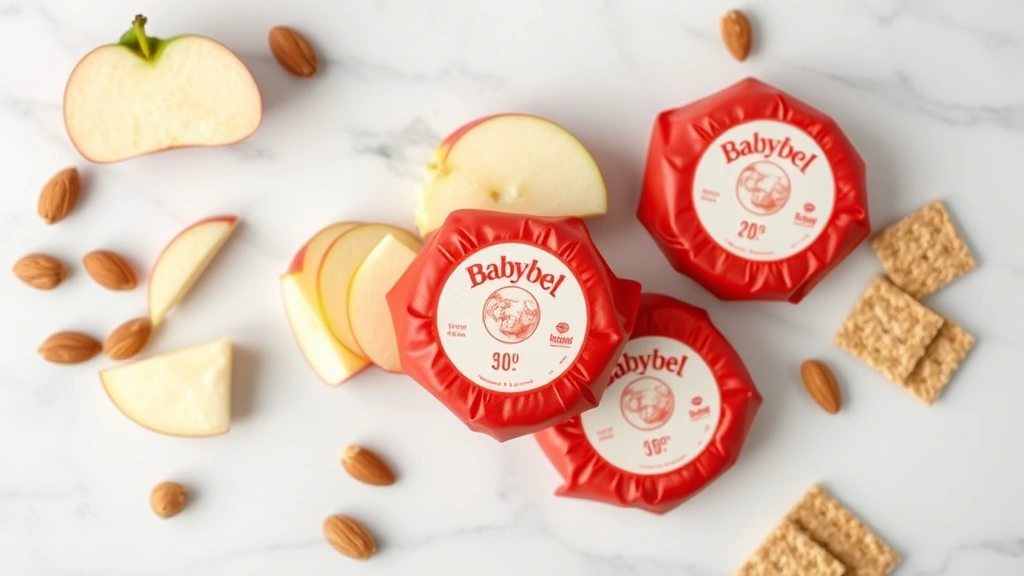
Is Babybel Cheese Healthy? Dietitian Explains
Babybel cheese has become a pantry staple for busy families, fitness enthusiasts, and anyone seeking a convenient protein-packed snack. With its distinctive red wax coating and portable size, this cheese product has earned a reputation as a healthier alternative to many processed snacks. But does the nutritional profile actually justify its health-conscious image? As a registered dietitian, I’ve examined the science behind Babybel cheese to provide you with an evidence-based answer that goes beyond marketing claims.
The reality is nuanced. Babybel cheese offers genuine nutritional benefits, particularly as a source of calcium and protein, but it also contains considerations around sodium and saturated fat that warrant discussion. Understanding how Babybel fits into your overall diet requires looking at the complete nutritional picture, comparing it to alternatives, and considering your individual health goals. This comprehensive guide breaks down what you need to know.
Babybel Nutrition Facts Breakdown
A standard Babybel cheese round (20 grams) contains approximately 70 calories, 6 grams of protein, 5.5 grams of fat, and 4 grams of carbohydrates. The macronutrient profile makes it a relatively balanced snack option. What distinguishes Babybel from many competitors is its fortification with essential micronutrients. Each serving delivers roughly 200 milligrams of calcium, representing about 20% of the daily recommended intake for adults.
The cheese also provides vitamin B12, essential for nervous system function and red blood cell formation, along with phosphorus, which works synergistically with calcium for bone health. The presence of these micronutrients positions Babybel as more than just empty calories. However, the sodium content deserves attention: each round contains approximately 160-180 milligrams of sodium, which represents about 7-8% of the recommended daily limit of 2,300 milligrams according to the American Heart Association.
Following a healthy nutrition plan means evaluating individual foods within the context of total daily intake. One Babybel cheese round contributes modestly to sodium accumulation, but consuming multiple rounds daily, combined with other processed foods, could contribute to excessive sodium intake.
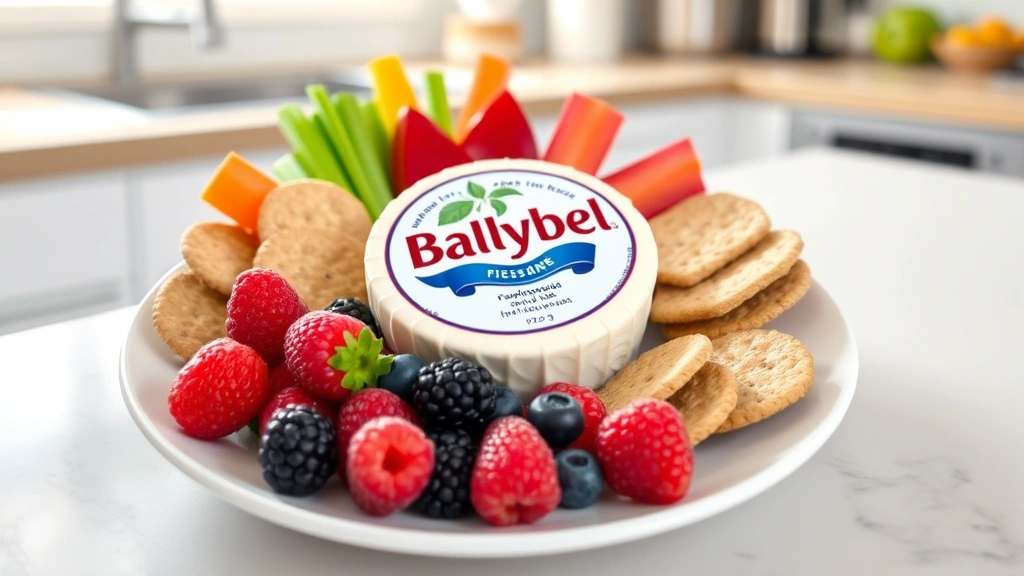
Protein and Calcium Benefits
The protein content in Babybel cheese deserves emphasis, particularly for those seeking convenient protein sources throughout the day. At 6 grams per serving, Babybel provides meaningful protein that supports muscle maintenance, satiety, and metabolic function. Research from the National Institutes of Health demonstrates that distributed protein intake across meals and snacks optimizes muscle protein synthesis more effectively than concentrated intake at single meals.
For individuals focused on nutrition for athletes and performance optimization, Babybel offers a portable option that requires no refrigeration until opened, making it practical for gym bags, travel, and work environments. The complete amino acid profile in cheese makes it a high-quality protein source, containing all nine essential amino acids.
Calcium represents perhaps Babybel’s most compelling nutritional advantage. The 200 milligrams per round contributes significantly to bone health, particularly important for women over 50 and men over 70, who face elevated osteoporosis risk. Adequate calcium intake throughout life supports bone density maintenance, dental health, and proper muscle function. The bioavailability of calcium in cheese is excellent, meaning your body absorbs and utilizes it efficiently.
The combination of protein and calcium makes Babybel particularly suitable as a post-workout snack or afternoon pick-me-up between meals. This pairing supports satiety and provides sustained energy without the blood sugar spikes associated with carbohydrate-only snacks.
Sodium and Saturated Fat Concerns
While Babybel offers genuine nutritional benefits, transparency about concerns is essential for informed decision-making. The saturated fat content presents the primary consideration. Each round contains approximately 3.5 grams of saturated fat, representing roughly 17-18% of the recommended daily limit for a 2,000-calorie diet.
The American Heart Association recommends limiting saturated fat to 5-6% of daily calories, which translates to roughly 11-13 grams daily for most adults. Consuming three Babybel rounds would represent approximately 50% of this limit, leaving minimal room for other saturated fat sources throughout the day. Research consistently demonstrates that excessive saturated fat intake correlates with elevated LDL cholesterol levels and increased cardiovascular disease risk.
However, the saturated fat story in cheese is more complex than traditional dietary guidance suggested. Recent research indicates that the saturated fat in dairy products may have different metabolic effects compared to saturated fat from other sources. The unique fatty acid composition and presence of bioactive compounds in cheese may mitigate some negative effects on cholesterol levels. Nevertheless, moderation remains prudent for individuals with existing cardiovascular concerns or elevated cholesterol.
The sodium content, while modest per round, accumulates quickly with multiple servings. Individuals managing hypertension, heart disease, or kidney conditions should carefully monitor total sodium intake and consider lower-sodium alternatives. The daily recommended limit of 2,300 milligrams represents guidance for general population health, but many health organizations recommend 1,500 milligrams for those with specific health conditions.
How Babybel Compares to Other Cheeses
Understanding Babybel’s position within the broader cheese landscape provides valuable context. Compared to many hard cheeses, Babybel actually demonstrates favorable nutritional characteristics. A similar serving of cheddar cheese contains 110 calories, 7 grams of protein, and 9 grams of fat, with 180 milligrams of sodium. Parmesan cheese delivers more calories and sodium per ounce, though it provides superior calcium content due to its concentrated nature.
Soft cheeses like cream cheese offer fewer calories but deliver minimal protein and calcium, making them less nutritionally dense. String cheese, a direct competitor to Babybel, provides similar nutritional profiles with comparable sodium and saturated fat levels. The key distinction lies in portion control: the pre-portioned nature of Babybel rounds actually encourages more consistent serving sizes compared to block cheeses, where people often cut larger portions without measuring.
When compared to nutrition facts about avocados, another popular healthy snack, Babybel offers superior protein and calcium but contains more saturated fat. Avocados provide heart-healthy monounsaturated fats and fiber, making them complementary rather than interchangeable options. The ideal approach incorporates diverse foods rather than relying on single sources.
Fresh mozzarella represents another comparison point, offering lower sodium (about 100 milligrams per ounce) and similar protein levels, though less calcium fortification. For those prioritizing sodium reduction, fresh mozzarella or ricotta might prove superior choices, though they lack Babybel’s convenience factor.
Best Ways to Incorporate Babybel Into Your Diet
Strategic incorporation maximizes Babybel’s benefits while minimizing concerns. The most effective approach treats Babybel as a component of balanced snacks rather than a standalone food. Pairing one Babybel round with a serving of whole grain crackers, fresh fruit, or raw vegetables creates a snack providing protein, calcium, fiber, and micronutrients. This combination provides sustained satiety and stable blood sugar response.
For those following dietary approaches emphasizing fiber importance, combining Babybel with high-fiber foods becomes particularly valuable. An apple with a Babybel round, for instance, delivers fiber, natural sugars, and nutrients while the cheese’s protein slows digestion and extends satiety.
Breakfast incorporation offers another practical application. Adding crumbled Babybel to whole grain toast with tomato and spinach creates a nutritious morning meal with protein, calcium, and micronutrients. In packed lunches, Babybel serves as a convenient protein source that requires no preparation and maintains safety without refrigeration for several hours.
Pre-workout and post-workout timing represents an evidence-based application. Consuming Babybel 30-60 minutes before exercise provides sustained energy, while post-workout consumption supports muscle recovery and adaptation. The combination of protein and calcium addresses both immediate recovery needs and long-term bone health.
For individuals managing weight, Babybel’s satiety-promoting properties make it valuable for portion-controlled snacking. The 70-calorie serving size, combined with protein content, provides meaningful satisfaction without excessive caloric intake. Research demonstrates that protein-rich snacks reduce subsequent energy intake more effectively than carbohydrate-only alternatives.
Who Should Be Cautious
Certain populations warrant specific considerations regarding Babybel consumption. Individuals with hypertension or those following sodium-restricted diets due to kidney disease, heart failure, or other conditions should limit Babybel intake or select lower-sodium alternatives. Consulting with a healthcare provider or registered dietitian helps determine appropriate portions within individual sodium budgets.
People with elevated LDL cholesterol or family histories of cardiovascular disease should moderate saturated fat intake, including cheese consumption. This doesn’t necessarily mean complete avoidance but rather thoughtful portion control and frequency. Limiting Babybel to 2-3 times weekly rather than daily consumption may prove prudent for this population.
Those with lactose intolerance face mixed circumstances. The lactose content in Babybel is relatively low compared to fresh cheeses, and many people with mild lactose intolerance tolerate aged cheeses well. However, individuals with severe intolerance or dairy allergies should avoid Babybel entirely.
Individuals following specific dietary patterns, such as ketogenic or very-low-carbohydrate approaches, may incorporate Babybel effectively given its minimal carbohydrate content. Conversely, those emphasizing whole, minimally processed foods might prefer whole milk cheeses or other less processed options, though Babybel’s processing level remains relatively modest compared to many ultra-processed alternatives.
Children benefit from Babybel’s calcium and protein content, though parents should monitor sodium intake and ensure variety in protein sources. The portable, no-mess format makes Babybel practical for children’s lunches and snacks, though it shouldn’t comprise the sole cheese source in a child’s diet.
The concept of nutrition and mental health connections extends to all populations. Adequate protein, calcium, and micronutrient intake supports cognitive function and emotional wellbeing. Babybel’s nutrient density makes it a reasonable choice for supporting overall mental and physical health when incorporated appropriately.
The Bottom Line: Is Babybel Cheese Healthy?
Babybel cheese qualifies as a reasonably healthy snack option when consumed in moderation and incorporated into a balanced diet. Its genuine nutritional strengths—protein content, calcium fortification, vitamin B12, and convenient portion control—make it a legitimate choice for supporting bone health, muscle maintenance, and satiety.
The primary considerations involve sodium and saturated fat levels, which warrant attention for certain populations but don’t disqualify Babybel for most people consuming it occasionally. The key lies in frequency and context: enjoying one Babybel round as part of a balanced snack a few times weekly poses minimal health risk for most adults and offers genuine nutritional benefits.
Babybel functions best as one option among many within a diverse dietary approach. Rotating between Babybel, fresh mozzarella, Greek yogurt, nuts, and other protein sources provides nutritional variety while preventing monotony. The convenience factor shouldn’t be underestimated—a snack consumed consistently proves healthier than a theoretically superior option that remains uneaten due to inconvenience.
From a dietitian’s perspective, Babybel represents a pragmatic choice for modern life. It bridges the gap between convenience and nutrition, offering genuine health benefits without requiring extensive preparation. For most people, incorporating Babybel thoughtfully into a diet emphasizing whole foods, adequate fiber, and micronutrient diversity supports overall health goals effectively.
Visiting the Nutrients Pathway Blog provides additional resources for understanding how individual foods contribute to comprehensive nutritional strategies. Health is determined by overall dietary patterns rather than individual foods, and Babybel cheese occupies a reasonable position within balanced approaches to eating well.
FAQ
How many Babybel rounds can I eat daily?
For most adults, 1-2 rounds daily poses no health concern. Those managing sodium intake or elevated cholesterol should limit consumption to 2-3 times weekly. Individual needs vary, so consulting a healthcare provider helps determine appropriate amounts for your specific situation.
Does Babybel cheese contain artificial ingredients?
Babybel contains minimal artificial ingredients, though it includes preservatives and additives common in packaged cheeses. The red wax coating contains paraffin and microcrystalline wax, which are food-safe but not consumed. The cheese itself is relatively minimally processed compared to many packaged foods.
Is Babybel better than string cheese nutritionally?
Nutritionally, Babybel and string cheese offer comparable profiles. Both provide protein, calcium, and similar saturated fat levels. The choice depends on personal preference, portion control behavior, and convenience factors. String cheese may offer slightly more flexibility in portion sizing.
Can Babybel fit into a weight loss diet?
Yes, Babybel’s 70 calories per round and 6 grams of protein make it suitable for weight loss diets. The protein content promotes satiety, potentially reducing overall caloric intake. Pairing with vegetables or whole grains optimizes nutritional benefit.
Is Babybel safe during pregnancy?
Yes, Babybel cheese is safe during pregnancy. The pasteurization process eliminates harmful pathogens like listeria. Pregnant individuals should ensure they consume adequate calcium for fetal bone development, making Babybel a practical option. However, pregnant people should consult their healthcare provider about appropriate sodium intake.
What makes Babybel different from other cheese brands?
Babybel’s distinctive features include pre-portioned rounds, protective wax coating enabling shelf stability, consistent nutritional profile, and fortification with specific micronutrients. These characteristics make it convenient and predictable, though not necessarily nutritionally superior to other quality cheeses.
Does the red wax coating contain harmful chemicals?
No, the red wax coating is food-safe paraffin and microcrystalline wax. It protects the cheese during storage and transport but isn’t consumed. The coating poses no health risk and should be removed before eating.


