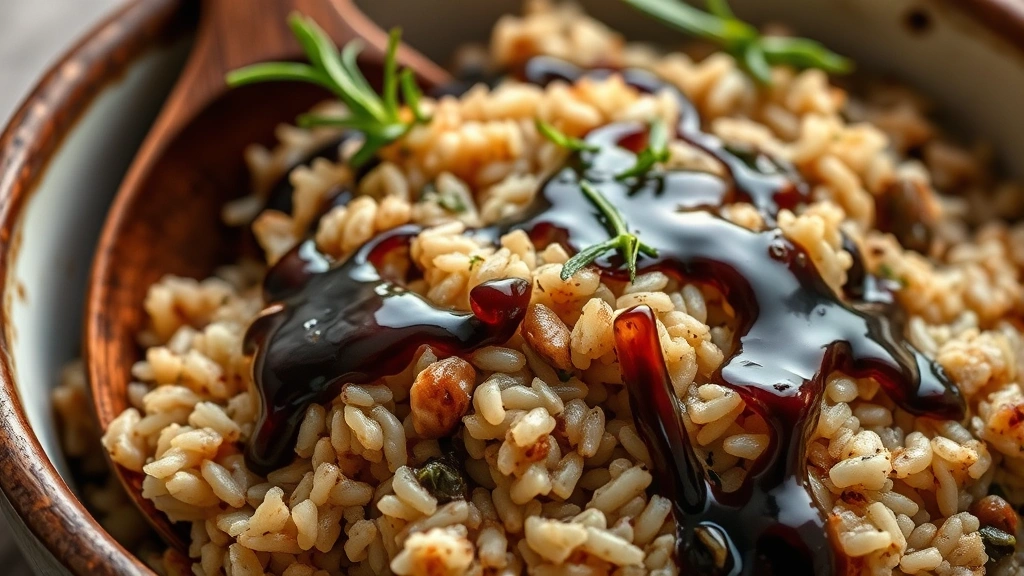
Balsamic Rice Benefits: Nutritionist Insight on This Emerging Superfood
Balsamic rice has emerged as a compelling addition to modern nutritional discourse, bridging culinary tradition with contemporary health consciousness. This unique grain preparation—rice infused with balsamic vinegar’s complex flavor compounds—offers far more than sophisticated taste. Nutritionists are increasingly recognizing balsamic rice as a functional food that enhances both digestive wellness and metabolic performance while maintaining the foundational benefits of whole grain consumption.
The intersection of ancient fermentation practices and modern nutritional science reveals why balsamic rice deserves a prominent place in health-focused meal planning. Whether you’re exploring comprehensive nutrition guidance or seeking specific grain alternatives, understanding balsamic rice’s nutritional profile empowers informed dietary decisions. This analysis explores the multifaceted benefits that make this preparation a standout option in the grain category.
What Is Balsamic Rice?
Balsamic rice represents a sophisticated preparation method where rice—typically brown or wild varieties—is cooked with balsamic vinegar, creating a nutrient-dense side dish that transcends ordinary grain consumption. The preparation involves slow-infusion techniques that allow acetic acid and polyphenolic compounds from balsamic vinegar to integrate deeply into the rice matrix. This isn’t simply rice with vinegar drizzled on top; rather, it’s a deliberate culinary-nutritional fusion that fundamentally alters the grain’s bioavailability and functional properties.
The balsamic vinegar used in this preparation undergoes years of traditional aging in wooden barrels, developing complex flavor compounds including acetic acid, beneficial bacteria cultures, and thousands of polyphenols. When combined with rice during cooking, these compounds interact with starches and proteins, creating a synergistic nutritional profile that exceeds what either ingredient offers independently. The fermentation history of balsamic vinegar means you’re consuming not just a condiment but a probiotic-rich, enzyme-containing substance that enhances overall grain quality.
Understanding the nutrient absorption mechanisms becomes essential when evaluating balsamic rice’s true value. The acidity from balsamic vinegar reduces phytic acid content in rice—a compound that typically inhibits mineral absorption. This chemical interaction makes minerals like magnesium, zinc, and iron significantly more bioavailable than in conventional rice preparations.
Nutritional Composition Breakdown
A comprehensive examination of balsamic rice’s nutritional profile reveals why nutritionists increasingly recommend this preparation. One cup of cooked balsamic rice (approximately 185 grams) typically contains:
- Calories: 180-210 depending on rice variety and preparation method
- Complex Carbohydrates: 38-42 grams, predominantly resistant starch when cooled
- Protein: 4-5 grams, enhanced by vinegar’s amino acid profile
- Dietary Fiber: 2-4 grams, especially in brown rice preparations
- Fat: 1-2 grams, primarily heart-healthy polyunsaturated varieties
- Polyphenols: 200-400 mg from balsamic vinegar infusion
- Acetic Acid: 1-3% concentration, providing metabolic benefits
- Essential Minerals: Magnesium (35-45mg), Iron (1.5-2mg), Phosphorus (90-110mg), Zinc (0.8-1.2mg)
These figures demonstrate that balsamic rice isn’t simply a carbohydrate delivery system. The vinegar infusion dramatically increases antioxidant content compared to plain rice, adding measurable polyphenolic compounds that plain grains cannot provide. Nutritionists emphasize that this enhanced micronutrient profile makes balsamic rice particularly valuable for individuals seeking dietary fiber and micronutrient density without excessive caloric intake.
The resistant starch component deserves particular attention. When balsamic rice cools after cooking, a portion of the starches transform into resistant starch—a prebiotic fiber that ferments in the colon, producing short-chain fatty acids beneficial for metabolic health. This transformation is more pronounced in balsamic rice than standard preparations due to the vinegar’s influence on starch crystallization patterns.
Digestive Health and Gut Microbiome Benefits
Perhaps the most compelling argument for balsamic rice’s inclusion in health-conscious diets involves its profound effects on digestive function and microbial ecosystems. The fermented balsamic vinegar component introduces living cultures and organic acids that fundamentally support gastrointestinal wellness. Acetic acid—the primary acid in balsamic vinegar—has demonstrated antimicrobial properties against pathogenic bacteria while simultaneously supporting beneficial Lactobacillus and Bifidobacterium populations.
Research indicates that acetic acid consumption increases gastric pH buffering capacity and enhances stomach acid production efficiency, improving protein digestion and mineral extraction. For individuals experiencing suboptimal digestive function, balsamic rice provides a gentle yet effective mechanism for supporting natural enzymatic processes. The polyphenols from aged balsamic vinegar act as prebiotics, selectively feeding beneficial bacterial populations while creating an inhospitable environment for harmful organisms.
The resistant starch content creates additional digestive advantages. As this starch reaches the colon undigested, resident bacteria ferment it, producing butyrate—a short-chain fatty acid that strengthens the intestinal epithelial barrier, reduces inflammation, and enhances nutrient absorption throughout the digestive tract. This mechanism explains why individuals consuming balsamic rice frequently report improved digestive comfort, enhanced regularity, and reduced bloating compared to refined grain consumption.
Nutritionists also emphasize balsamic rice’s role in supporting the gut-brain axis through enhanced microbiota composition, as emerging research demonstrates profound connections between digestive health and neurological function. The fermented vinegar compounds influence neurotransmitter precursor availability and reduce systemic inflammation that compromises cognitive function.
Blood Sugar Management and Metabolic Impact
Individuals managing blood glucose levels find balsamic rice particularly valuable due to its glycemic impact profile. The acetic acid in balsamic vinegar significantly slows gastric emptying rates, moderating glucose absorption speed and creating a lower glycemic response compared to equivalent plain rice portions. Research published in Nutrition Reviews demonstrates that vinegar consumption reduces postprandial glucose spikes by 20-30% in healthy populations and up to 40% in individuals with insulin resistance.
The mechanism involves acetic acid’s interference with sucrase and maltase enzymes in the small intestine, reducing disaccharide breakdown rates and subsequently slowing glucose entry into the bloodstream. This physiological response triggers more gradual insulin secretion, reducing pancreatic stress and supporting long-term metabolic health. For individuals at risk of type 2 diabetes or managing existing glucose dysregulation, balsamic rice represents a practical, palatable strategy for metabolic optimization.
Additionally, the polyphenolic compounds in balsamic vinegar enhance insulin sensitivity at the cellular level. These compounds improve glucose transporter (GLUT4) expression in muscle tissue, facilitating more efficient glucose uptake independent of insulin concentration. The combined effect—reduced glucose absorption speed plus enhanced cellular glucose utilization—creates a powerful metabolic advantage that distinguishes balsamic rice from conventional grain preparations.
The resistant starch component further amplifies these benefits. As colonic bacteria ferment resistant starch, they produce propionate and butyrate, which enhance hepatic insulin sensitivity and reduce systemic inflammation markers associated with metabolic dysfunction. This cascading effect means balsamic rice consumption creates metabolic advantages extending far beyond the immediate postprandial period.
Antioxidant Properties and Anti-Inflammatory Effects
Balsamic rice’s antioxidant capacity substantially exceeds that of plain rice preparations, primarily due to the polyphenolic compounds concentrated in aged balsamic vinegar. These polyphenols—including anthocyanins, phenolic acids, and flavonoids—function as free radical scavengers, neutralizing reactive oxygen species that accumulate through normal metabolism and environmental stressors. The antioxidant capacity of balsamic vinegar rivals that of many celebrated superfoods, yet it remains relatively underutilized in nutritional planning.
The anti-inflammatory effects manifest through multiple biochemical pathways. Polyphenols reduce NF-κB activation—a key transcription factor driving pro-inflammatory gene expression—thereby suppressing production of inflammatory cytokines including TNF-α, IL-6, and IL-8. For individuals managing chronic inflammatory conditions, whether arthritis, inflammatory bowel disease, or systemic inflammation from metabolic dysfunction, balsamic rice provides a food-based intervention with measurable anti-inflammatory capacity.
The synergistic interaction between brown rice’s natural antioxidants (including oryzanol and tocopherols) and balsamic vinegar’s polyphenols creates a compound greater than its parts. This nutritional synergy explains why balsamic rice demonstrates superior antioxidant activity compared to simple additive effects of consuming rice and vinegar separately. The cooking process itself facilitates polyphenol extraction and stabilization, maximizing bioavailability compared to cold vinegar preparations.
Research from Journal of Functional Foods demonstrates that regular balsamic vinegar consumption reduces oxidative stress markers including malondialdehyde and protein carbonyl levels, indicating measurable reduction in cellular damage. When incorporated into staple grain consumption through balsamic rice, these antioxidant benefits become daily nutritional contributions rather than occasional supplementation.
Cardiovascular Health Advantages
Cardiovascular disease prevention represents perhaps the most significant long-term health benefit associated with balsamic rice consumption. The preparation addresses multiple risk factors simultaneously: improving lipid profiles, reducing systemic inflammation, supporting endothelial function, and enhancing blood pressure regulation. These multifaceted mechanisms explain why nutritionists recommend balsamic rice as a cornerstone grain for individuals with cardiovascular concerns.
The acetic acid in balsamic vinegar demonstrates cholesterol-modulating properties through multiple mechanisms. Acetic acid increases fecal cholesterol excretion by binding to bile acids and cholesterol molecules, reducing hepatic cholesterol reabsorption. Simultaneously, the polyphenols inhibit HMG-CoA reductase activity—the same enzyme targeted by statin medications—thereby reducing endogenous cholesterol synthesis. These effects combine to produce meaningful reductions in total and LDL cholesterol without the side effects associated with pharmaceutical interventions.
The polyphenolic compounds also enhance endothelial nitric oxide synthase activity, improving nitric oxide bioavailability and supporting healthy blood vessel relaxation. This mechanism reduces peripheral vascular resistance and supports normal blood pressure regulation. For individuals managing hypertension, balsamic rice consumption contributes to natural blood pressure reduction without medication complications.
Furthermore, the resistant starch and prebiotic effects support healthy lipid metabolism through enhanced short-chain fatty acid production. Butyrate specifically enhances adiponectin secretion—an anti-inflammatory adipokine that improves insulin sensitivity and reduces cardiovascular inflammation. The complete picture reveals balsamic rice as a genuinely cardioprotective grain preparation with evidence-based benefits across multiple physiological systems.
Weight Management and Satiety Factors
Despite containing comparable calories to standard rice preparations, balsamic rice demonstrates superior satiety properties that support weight management objectives. The combination of resistant starch, polyphenols, and acetic acid creates enhanced fullness signaling that reduces subsequent caloric intake and supports sustained energy levels without energy crashes. Nutritionists recognize these satiety-promoting properties as critical for sustainable weight loss and maintenance.
The acetic acid component slows gastric emptying, extending the duration of stomach distension signals that communicate satiety to the central nervous system. This prolonged signaling creates psychological satisfaction with smaller portion sizes compared to plain rice. Research demonstrates that individuals consuming vinegar-containing meals report 20-30% greater satiety compared to equivalent meals without vinegar, despite identical caloric content.
The polyphenolic compounds modulate ghrelin and peptide YY secretion—hormones regulating hunger and satiety respectively. Enhanced peptide YY production extends postprandial fullness while reduced ghrelin secretion minimizes subsequent hunger intensity. These hormonal adjustments translate to reduced snacking frequency and lower overall energy intake without conscious caloric restriction.
Resistant starch further amplifies satiety through colonic fermentation-derived satiety signals. The short-chain fatty acids produced during resistant starch fermentation trigger L-cell secretion of peptide YY and GLP-1, extending satiety duration into the postabsorptive period. For individuals struggling with weight management, balsamic rice consumption creates metabolic conditions favoring sustainable weight loss through enhanced satiety rather than restrictive caloric reduction.
Practical Integration Into Daily Nutrition
Incorporating balsamic rice into existing dietary patterns requires minimal adjustment while offering maximum nutritional benefit. The preparation method remains straightforward: cook rice with a 2-3% balsamic vinegar solution (approximately 2-3 tablespoons per cup of uncooked rice), allowing the vinegar to infuse during the cooking process. This simple modification transforms ordinary grain preparation into a functional food supporting multiple health objectives.
Culinary versatility ensures balsamic rice accommodates diverse meal structures and flavor profiles. Use it as a base for grain bowls combining vegetables, legumes, and lean proteins. Incorporate it into salads where its distinctive flavor complements leafy greens and vinaigrette dressings. Serve alongside roasted vegetables or grilled proteins as a complete meal component. The possibilities extend far beyond traditional rice side dishes, making balsamic rice practical for diverse culinary preferences.
Portion recommendations align with standard grain servings: approximately 1/2 to 1 cup cooked balsamic rice per meal, adjusting based on individual caloric needs and activity levels. This quantity provides meaningful polyphenolic and acetic acid doses while maintaining appropriate carbohydrate balance. For individuals managing blood glucose, consuming balsamic rice with protein and healthy fats further optimizes glycemic response and satiety.
Storage considerations ensure nutritional preservation. Cooked balsamic rice refrigerates effectively for 3-4 days, and the resistant starch content actually increases during refrigeration as starches undergo retrogradation. This storage characteristic means meal-prepped balsamic rice potentially offers enhanced metabolic benefits compared to freshly cooked preparations. Freezing also works well, allowing batch preparation and convenient reheating for busy individuals seeking nutritional optimization without daily cooking.
Consider exploring the comprehensive nutrition resources available for additional preparation techniques and recipe inspiration. Additionally, consulting complementary nutritional information helps create well-balanced meals incorporating balsamic rice alongside other nutrient-dense options.
Comparison With Other Grain Options
Evaluating balsamic rice’s nutritional advantages requires contextualizing its benefits against alternative grain preparations. Compared to white rice, balsamic rice offers dramatically superior fiber content, micronutrient density, and functional compound concentration. White rice’s rapid glucose absorption and minimal polyphenolic content make it a nutritionally inferior choice for health-conscious individuals, whereas balsamic rice’s enhanced profile addresses multiple physiological systems simultaneously.
Against plain brown rice, balsamic rice provides additional antioxidant capacity, enhanced mineral bioavailability, and superior blood glucose management through acetic acid’s glycemic-moderating effects. While brown rice offers genuine nutritional advantages over white varieties, the balsamic vinegar infusion elevates brown rice into a genuinely functional food category. The polyphenolic addition represents approximately 200-400 mg of additional antioxidants per serving—equivalent to consuming several servings of berries.
Compared to quinoa—another celebrated grain alternative—balsamic rice offers comparable protein content, superior prebiotic fiber benefits, and additional functional compounds from balsamic vinegar. While quinoa contains all nine essential amino acids, balsamic rice when combined with legumes (common in grain bowl preparations) provides equally complete protein with superior satiety and metabolic benefits. The cost differential also favors balsamic rice, making it more accessible for sustainable dietary implementation.
Against refined grain alternatives including white bread and pasta, balsamic rice’s advantages extend across every nutritional metric. The resistant starch content, polyphenolic compounds, and acetic acid effects combine to create a preparation supporting weight management, metabolic health, and disease prevention in ways refined grains fundamentally cannot. For individuals transitioning from refined grain consumption, balsamic rice represents an optimal intermediate step before exploring more exotic grain alternatives.
Wild rice comparisons reveal interesting distinctions. While wild rice offers exceptional amino acid profiles and anthocyanin content, balsamic rice provides superior acetic acid benefits and more consistent nutrient profiles. Many nutritionists recommend combining both grains—creating a wild and balsamic rice blend—to maximize complementary nutritional advantages while creating diverse flavor profiles and enhanced culinary appeal.

Frequently Asked Questions
Does balsamic rice taste significantly different from regular rice?
Balsamic rice develops a subtle, sophisticated flavor profile distinctly different from plain rice. The taste remains rice-forward rather than vinegar-dominated, with the balsamic contributing complex, slightly sweet undertones without harsh acidity. Most individuals find the flavor enhancement pleasant and palatable, particularly when combined with complementary ingredients. Those accustomed to plain rice might notice the difference initially, but adaptation typically occurs within several meals.
Can individuals with digestive sensitivities consume balsamic rice safely?
Most individuals tolerate balsamic rice excellently due to the vinegar’s gentle acidity and probiotic benefits. However, individuals with severe acid reflux or gastroparesis should consult healthcare providers before significantly increasing balsamic vinegar consumption. Those with histamine sensitivity should note that aged balsamic vinegar contains elevated histamine levels, potentially requiring caution or alternative preparations. Starting with smaller portions allows individual tolerance assessment before full incorporation.
How does balsamic rice affect medication absorption?
The acetic acid in balsamic rice can influence medication absorption timing for certain pharmaceuticals, particularly those requiring specific pH conditions. Individuals taking medications should maintain consistent timing separation between balsamic rice consumption and medication administration—typically 2-3 hours as a general guideline. Healthcare providers should be consulted regarding specific medication interactions, particularly for acid-sensitive medications or those requiring precise absorption timing.
Is balsamic rice appropriate for individuals with diabetes?
Balsamic rice offers particular advantages for individuals managing diabetes due to its blood glucose-moderating properties. The acetic acid reduces glycemic response by 20-40% compared to plain rice, while resistant starch enhances insulin sensitivity. However, portion control remains essential, and individual glucose monitoring helps determine optimal serving sizes. Many individuals with diabetes successfully incorporate balsamic rice as their primary grain source while maintaining improved glycemic control.
What’s the difference between balsamic rice and white vinegar rice?
While white vinegar also contains acetic acid, balsamic vinegar provides substantially higher polyphenolic content due to its aging process and grape-based fermentation. Balsamic rice delivers approximately 10-15 times the antioxidant compounds compared to white vinegar preparations, making it nutritionally superior for individuals seeking maximum functional food benefits. The flavor profiles differ considerably, with balsamic offering complexity that white vinegar cannot replicate.
Can balsamic rice consumption support athletic performance?
Balsamic rice offers particular advantages for athletes through multiple mechanisms. The resistant starch provides sustained energy release supporting endurance activities, while polyphenols reduce exercise-induced inflammation and oxidative stress. The acetic acid may enhance blood flow and oxygen delivery during training. Many athletes incorporate balsamic rice into post-workout meals to optimize recovery, leveraging the enhanced nutrient absorption and anti-inflammatory properties that support performance adaptation.


