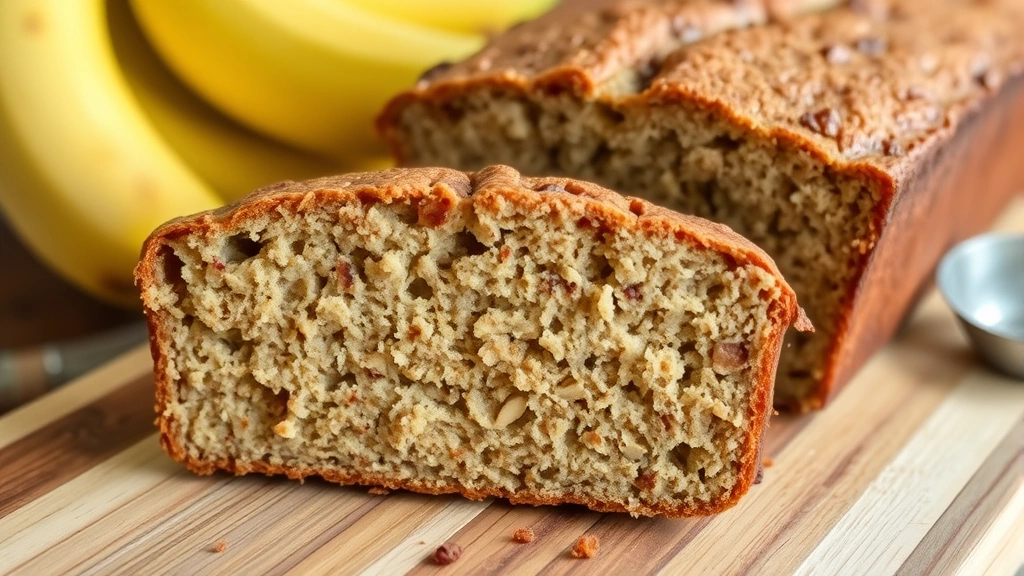
Banana Bread Benefits? Nutritionist Insights on This Classic Comfort Food
Banana bread has earned its place as a beloved comfort food across kitchens worldwide, yet nutritional questions persist about whether this indulgent treat offers genuine health advantages. While traditional recipes often rely on refined sugars and butter, modern nutritionists recognize that banana bread can deliver meaningful nutritional value when crafted thoughtfully. Understanding the composition of this classic baked good reveals surprising benefits alongside important considerations for those monitoring their dietary intake.
The foundation of banana bread’s nutritional profile stems from its star ingredient: bananas. Rich in potassium, vitamin B6, and resistant starch, bananas contribute substantial micronutrients alongside natural sweetness. However, the supporting cast of ingredients—flour, sweeteners, fats, and eggs—dramatically shapes the final nutritional landscape. This comprehensive analysis explores banana bread’s genuine benefits, potential drawbacks, and strategies for maximizing its role within a balanced diet.
Banana Bread Nutrition Facts Explained
A standard slice of banana bread (approximately 80-100 grams) typically contains 250-350 calories, depending on recipe composition and preparation method. This caloric density stems from the combination of carbohydrates, fats, and proteins working together. The macronutrient breakdown generally favors carbohydrates, which comprise 40-50 grams per slice, with 8-12 grams of fat and 3-5 grams of protein rounding out the macronutrient profile.
The nutritional foundation begins with bananas themselves, which contribute approximately 105 calories per medium fruit along with 27 grams of carbohydrates and 3 grams of fiber. When incorporated into banana bread, these fruits become concentrated through baking, intensifying their nutrient density. Bananas also provide essential minerals like potassium (422 mg per medium banana), magnesium, and manganese—minerals crucial for muscle function, bone health, and metabolic processes.
Understanding complete nutrition information requires examining each ingredient’s contribution. Whole wheat flour adds fiber and B vitamins compared to refined white flour alternatives. Eggs contribute high-quality protein and choline, supporting cognitive function. The sweetening agent—whether sugar, honey, or alternative sweeteners—significantly impacts the glycemic profile and caloric content.
Most commercial banana bread varieties contain 35-50 grams of sugar per slice, representing a substantial portion of daily added sugar recommendations. This concentration makes portion awareness particularly important for individuals monitoring blood sugar levels or managing weight. Homemade versions offer greater control over sweetening levels, enabling customization based on individual nutritional goals and preferences.
Key Nutrients and Their Health Impacts
Banana bread delivers several micronutrients with documented health significance. Potassium, the mineral for which bananas are famous, plays crucial roles in cardiovascular health, blood pressure regulation, and muscle function. A single serving of banana bread provides 200-250 mg of potassium, contributing meaningfully toward the recommended daily intake of 2,600-3,400 mg for adults.
Vitamin B6, abundant in bananas, supports neurotransmitter synthesis and immune function. This vitamin proves particularly important for cognitive development, mood regulation, and energy metabolism. The B-complex vitamins present in banana bread—including B1, B2, and B3—facilitate energy production from carbohydrates and support nervous system health.
Manganese, another mineral concentrated in bananas, contributes to bone formation, wound healing, and antioxidant defense. This trace mineral works synergistically with other nutrients to support metabolic processes and collagen synthesis. Additionally, bananas contain polyphenols and carotenoids—plant compounds with antioxidant and anti-inflammatory properties that combat cellular oxidative stress.
The mineral magnesium, present in moderate quantities within banana bread, supports muscle relaxation, nervous system function, and sleep quality. Many individuals consume insufficient magnesium, making foods like banana bread valuable contributors to meeting daily requirements. When combined with whole grains, banana bread becomes an even richer source of this essential mineral.
Following a healthy nutrition plan incorporating banana bread requires balancing these micronutrient benefits against the macronutrient profile. The relationship between nutrient density and caloric content determines whether banana bread serves as an optimal nutritional choice for specific dietary contexts.
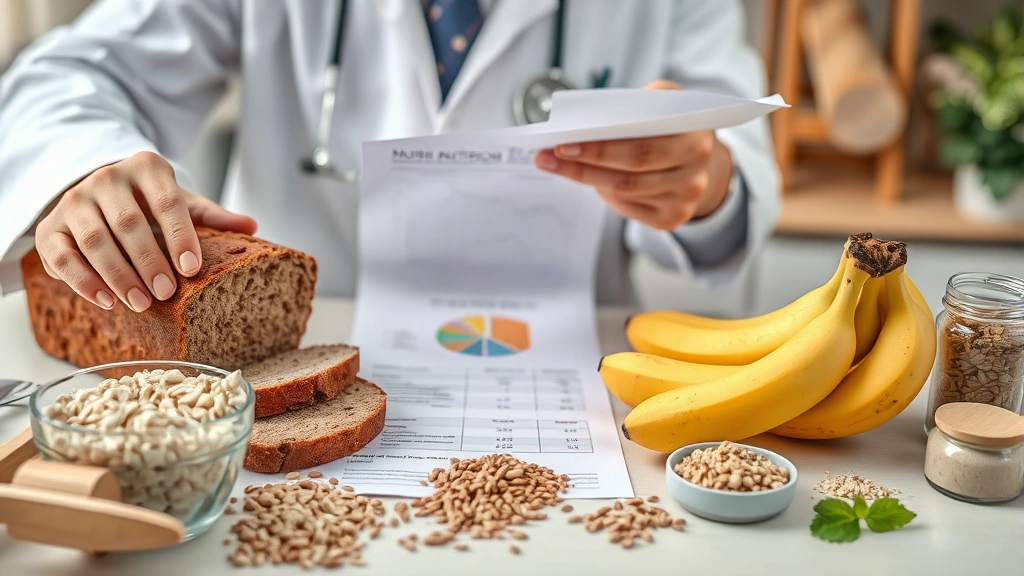
” alt=”Nutritionist analyzing banana bread composition with nutritional data displayed” style=”width: 100%; height: auto; border-radius: 8px;”>
Comparing Commercial vs Homemade Versions
Commercial banana bread products typically prioritize shelf stability and taste intensity over nutritional optimization. These versions commonly contain refined flour, high-fructose corn syrup, hydrogenated oils, and chemical preservatives. A commercial slice often delivers 40-60 grams of sugar alongside trans fats and artificial additives, creating a nutritional profile significantly less favorable than homemade alternatives.
Homemade banana bread allows complete ingredient control, enabling substitutions that dramatically alter the nutritional outcome. Using whole wheat flour instead of refined white flour increases fiber content by 200-300%, supporting digestive health and promoting satiety. Incorporating ground flaxseed or chia seeds adds omega-3 fatty acids and additional fiber, transforming the nutritional composition substantially.
Natural sweeteners present another differentiation point. While honey and maple syrup contain more micronutrients than refined sugar, they provide similar caloric density and glycemic impact. Monk fruit and stevia offer sweetness without calories or blood sugar elevation, though some individuals report taste preferences for traditional sweeteners. Reducing total sweetener content—creating a less intensely sweet product—represents another strategy homemade bakers employ.
Fat composition differs significantly between commercial and homemade versions. Commercial products often contain palm oil or partially hydrogenated oils to extend shelf life, while home bakers typically use butter, coconut oil, or vegetable oil. Recent research emphasizes that fat type matters considerably; unsaturated fats from sources like olive oil offer cardiovascular benefits absent from saturated fats.
Protein content varies based on egg quantity and flour selection. Adding Greek yogurt or cottage cheese to banana bread batter increases protein while reducing fat content and adding moisture. This modification creates a more satiating product that supports muscle maintenance and recovery, particularly valuable for individuals following nutrition for athletes or engaging in regular strength training.
Sugar Content and Metabolic Considerations
The sugar content in banana bread represents the primary nutritional concern for many health-conscious consumers. A typical slice contains 35-50 grams of sugar, equivalent to 8-12 teaspoons. This concentration exceeds the American Heart Association’s recommended daily added sugar intake of 25 grams for women and 36 grams for men, making a single serving potentially problematic for those monitoring sugar consumption.
High sugar intake correlates with numerous health concerns including weight gain, type 2 diabetes development, cardiovascular disease, and dental problems. The rapid blood sugar spike triggered by refined carbohydrates and added sugars can cause energy crashes, increased hunger, and metabolic dysregulation over time. Individuals with prediabetes, diabetes, or insulin resistance must exercise particular caution with traditional banana bread recipes.
The glycemic index (GI) of banana bread typically falls in the high-to-moderate range, meaning it causes relatively rapid blood sugar elevation. Ripe bananas contribute to this effect through their higher sugar content and lower fiber concentration compared to less-ripe fruit. Pairing banana bread with protein-rich foods like Greek yogurt or nuts can moderate glycemic response by slowing carbohydrate absorption and providing satiety.
Strategic recipe modifications can substantially reduce glycemic impact. Replacing 25-50% of all-purpose flour with almond flour or oat flour decreases carbohydrate density while increasing fat and protein. Adding vegetables like zucchini or sweet potato increases fiber and micronutrient content without proportionally increasing sugar. These modifications create a product with improved blood sugar stability and enhanced nutritional value.
Fiber Benefits and Digestive Health
Dietary fiber represents one of banana bread’s most valuable nutritional components, though quantity varies dramatically based on recipe composition. Bananas provide approximately 3 grams of fiber per medium fruit, while whole grains contribute additional fiber through their intact bran and germ layers. A slice of whole grain banana bread can provide 4-7 grams of fiber, supporting digestive health and regularity.
The importance of dietary fiber extends beyond basic digestive function. Soluble fiber, abundant in bananas, acts as a prebiotic, feeding beneficial gut bacteria and supporting microbiome health. This microbial support enhances immune function, reduces inflammation, and improves metabolic health. The resistant starch formed when bananas cool after heating provides similar benefits, feeding beneficial bacteria throughout the digestive tract.
Insoluble fiber from whole grains promotes digestive transit and prevents constipation by adding bulk to stool. The combination of soluble and insoluble fiber in banana bread creates a comprehensive digestive support system. However, sudden fiber increases can cause bloating and digestive discomfort; gradual introduction of higher-fiber banana bread allows the digestive system to adapt.
For individuals with digestive conditions like irritable bowel syndrome (IBS), banana bread composition matters significantly. Ripe bananas are easier to digest than green fruit, while whole grains may trigger symptoms in sensitive individuals. Some people benefit from refined flour versions, while others require sourdough-style fermentation to reduce FODMAP content. Individual tolerance varies considerably, necessitating personalized dietary approaches.
Making Healthier Banana Bread Choices
Creating nutritionally optimized banana bread involves strategic ingredient substitutions and preparation modifications. Beginning with flour selection, combining whole wheat flour with almond flour or oat flour increases nutrient density while reducing refined carbohydrate content. A 50-50 blend provides excellent texture while maintaining the familiar banana bread experience with enhanced nutritional value.
Sweetener reduction represents another powerful modification. Gradually decreasing sugar content over several baking iterations allows palates to adapt to less intense sweetness. Most recipes tolerate 25-30% sugar reduction without significant texture or taste compromise. Combining reduced sugar with intensely flavored ingredients like vanilla extract, cinnamon, or nutmeg maintains satisfaction while lowering caloric content.
Incorporating nutrient-dense additions transforms banana bread into a more complete nutritional package. Ground flaxseed, chia seeds, or hemp seeds add omega-3 fatty acids, fiber, and complete proteins. Walnuts or pecans contribute heart-healthy monounsaturated fats alongside polyphenol antioxidants. Dark chocolate chips (70% cacao or higher) add polyphenols with minimal added sugar when used in moderate quantities.
Moisture-increasing additions like Greek yogurt, applesauce, or pureed pumpkin reduce required fat content while adding micronutrients and supporting digestive health. These substitutions create moister crumb structures naturally, allowing total fat reduction without sacrificing eating quality. Eggs can be partially replaced with flax eggs or commercial egg replacers for vegan versions, though this impacts protein content.
Baking technique influences nutritional outcomes as well. Slightly underbaking creates a moister crumb that feels more indulgent despite lower fat content. Lower baking temperatures (325°F instead of 350°F) extend baking time but may reduce acrylamide formation—a potentially concerning compound created when carbohydrates heat above certain temperatures.
Portion Control and Serving Guidelines
Effective banana bread integration into a balanced diet requires honest portion assessment. A standard slice represents a reasonable serving, though many individuals consume 1.5-2 slices. This portion creep significantly increases caloric, sugar, and fat intake without providing proportional nutritional benefit. Using smaller plates and cutting precise slices encourages appropriate portion adherence.
Timing banana bread consumption strategically maximizes nutritional benefit and minimizes metabolic disruption. Morning consumption provides sustained energy when paired with protein sources like eggs or Greek yogurt. The combination of complex carbohydrates, fiber, and protein creates stable blood sugar and prolonged satiety. Afternoon consumption risks energy crashes and subsequent sugar cravings.
Pairing banana bread with complementary foods substantially improves its nutritional profile. Nut butter provides protein and healthy fats that stabilize blood sugar and increase satiety. Fresh fruit adds additional fiber and micronutrients while reducing overall caloric density through portion displacement. Herbal tea or unsweetened beverages prevent liquid calorie accumulation.
Frequency considerations matter significantly for metabolic health. Occasional banana bread consumption poses minimal concerns for most individuals, while daily intake may contribute to excessive sugar consumption and weight gain. A reasonable guideline suggests banana bread as a 1-2 times weekly treat rather than daily staple. Those managing diabetes, prediabetes, or weight loss goals may need further restriction.
Storage and freshness impact nutritional value minimally but affect consumption patterns substantially. Freezing banana bread in individual portions prevents overconsumption through convenience reduction. Thawing a single slice requires intentional planning, reducing impulsive snacking. This simple strategy supports dietary adherence and portion control without requiring ongoing willpower.
Understanding nutrition and mental health connections reveals that food quality impacts mood and cognitive function beyond immediate satiety. While banana bread provides serotonin-supporting carbohydrates and mood-regulating B vitamins, the accompanying sugar spike and subsequent crash can negatively impact emotional stability. Balanced formulations that moderate sugar while maintaining nutrient density support psychological wellbeing more effectively.
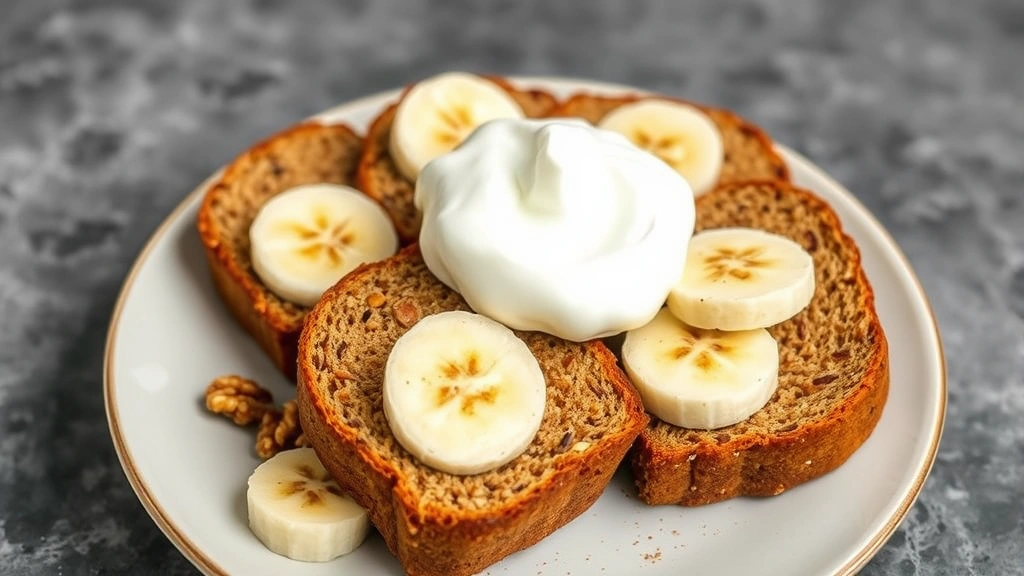
” alt=”Whole grain banana bread sliced and presented with fresh bananas and healthy toppings” style=”width: 100%; height: auto; border-radius: 8px;”>
FAQ
Is banana bread actually healthy?
Banana bread’s health status depends entirely on recipe composition and portion size. Homemade versions using whole grains, reduced sugar, and nutrient-dense additions can contribute meaningfully to nutritional intake. Commercial varieties typically contain excessive sugar and refined ingredients, making them occasional treats rather than nutritious staples. Moderation and ingredient quality determine whether banana bread supports or undermines health goals.
How much sugar is in a typical slice of banana bread?
Commercial banana bread typically contains 35-50 grams of sugar per slice, while homemade versions range from 20-40 grams depending on recipe modifications. This represents a substantial portion of daily recommended sugar intake, particularly for individuals managing blood sugar levels or weight. Reducing sweetener content or using sugar alternatives can significantly decrease sugar concentration.
Can banana bread support weight loss?
Banana bread can support weight loss when incorporated thoughtfully into caloric deficits. High-fiber, protein-rich versions increase satiety and reduce overall calorie consumption by promoting fullness. However, traditional high-sugar, high-fat recipes typically undermine weight loss through excessive calories and blood sugar dysregulation. Strategic recipe modification and portion control determine whether banana bread supports or hinders weight management.
What flour is best for healthier banana bread?
Whole wheat flour provides superior nutritional value compared to refined white flour through increased fiber, B vitamins, and minerals. Combining whole wheat with almond flour, oat flour, or coconut flour creates optimal texture while maximizing nutrient density. A 50-50 or 60-40 blend (whole wheat to alternative flour) provides excellent results for most palates and dietary preferences.
How often can banana bread be eaten safely?
Occasional banana bread consumption (1-2 times weekly) poses minimal health concerns for most individuals. Daily consumption may contribute to excessive sugar intake and weight gain, particularly with commercial varieties. Those managing diabetes, prediabetes, or pursuing weight loss should further restrict frequency or select highly modified recipes with reduced sugar and increased protein content.
Does banana bread provide any real nutritional benefits?
Yes, banana bread delivers genuine nutritional benefits through potassium, B vitamins, fiber, and antioxidants. These components support heart health, energy metabolism, digestive function, and cellular protection. However, these benefits are most pronounced in recipes emphasizing whole grains, moderate sweetening, and nutrient-dense additions. Commercial varieties often contain insufficient beneficial components relative to sugar and caloric content to justify regular consumption.


