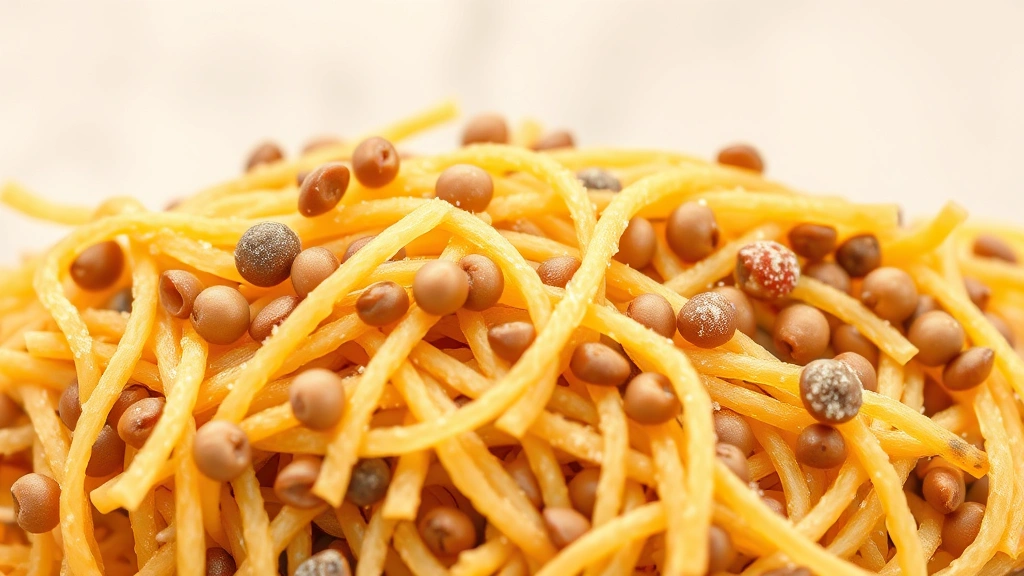
Barilla Protein Pasta: Dietitian Nutrition Analysis
Barilla Protein Pasta has emerged as a popular choice for health-conscious consumers seeking to boost their dietary protein intake without sacrificing the comfort and convenience of traditional pasta meals. As a registered dietitian, examining this product’s nutritional profile reveals both compelling benefits and important considerations for different dietary goals. This comprehensive analysis breaks down the macronutrient composition, micronutrient content, and practical applications of Barilla’s protein-enhanced pasta offerings.
The protein pasta market has experienced significant growth over the past five years, driven by increasing consumer interest in high-protein diets and plant-based nutrition. Barilla, one of the world’s largest pasta manufacturers, responded to this trend by developing formulations that maintain the taste and texture consumers expect while substantially increasing protein content. Understanding how this product compares to conventional pasta and other protein sources is essential for making informed dietary choices.
Nutritional Profile Overview
A standard serving of Barilla Protein Pasta (56 grams, or approximately 2 ounces dry weight) contains approximately 190-200 calories, making it nearly equivalent in energy density to regular pasta. However, the macronutrient distribution differs significantly. The protein content ranges from 10-13 grams per serving, compared to 7-8 grams in conventional pasta—representing a 40-60% increase in protein density. This enhanced protein contribution makes Barilla Protein Pasta an effective tool for those following nutrition for athletes and high-protein dietary approaches.
The carbohydrate content typically ranges from 30-33 grams per serving, slightly lower than traditional pasta due to the protein fortification. Dietary fiber content varies by product line, with some formulations containing 5-7 grams of fiber per serving—a substantial improvement over regular pasta’s 1-2 grams. Fat content remains minimal at approximately 1.5-2 grams per serving, maintaining the traditionally low-fat profile of pasta products. These proportions suggest that Barilla Protein Pasta occupies a middle ground between conventional pasta and specialized high-protein or low-carb alternatives.
Understanding these baseline numbers provides context for evaluating how this product fits into broader healthy nutrition plans and individual dietary requirements. The caloric density remains suitable for most dietary patterns, while the enhanced protein and fiber make it particularly valuable for specific health goals.
Protein Content and Quality
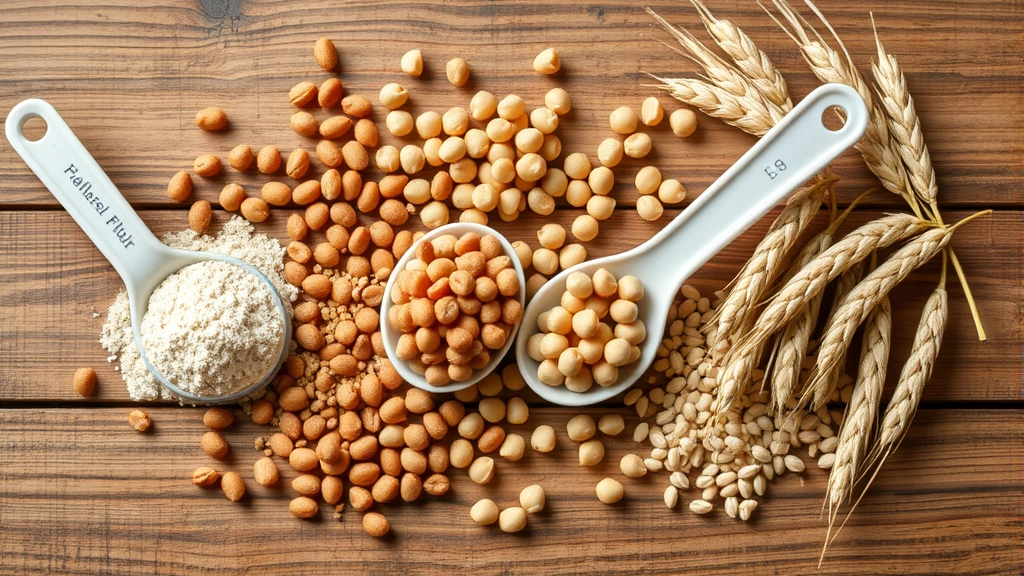
Barilla achieves its enhanced protein content through a combination of legume flours—primarily lentil, chickpea, and pea flour—blended with semolina wheat. This approach differs fundamentally from animal-based protein supplementation and creates a plant-based protein source. The amino acid profile of legume-based protein contains all nine essential amino acids, though the relative proportions differ from animal proteins. Specifically, legume proteins tend to be lower in methionine and cysteine while offering robust amounts of lysine.
From a dietitian’s perspective, this plant-based protein approach offers significant advantages for vegetarian and vegan consumers while maintaining appeal for omnivorous populations. The protein bioavailability—the degree to which the body can absorb and utilize the protein—is generally high for legume-based products, particularly when properly processed through pasta manufacturing. Research indicates that the protein quality of legume-enriched pasta is substantially improved compared to consuming legumes and grains separately, as the combination creates a more complete amino acid profile.
The practical implication is that Barilla Protein Pasta can meaningfully contribute to daily protein requirements, particularly when combined with complementary protein sources. A meal combining Barilla Protein Pasta with a modest amount of animal protein (such as chicken, fish, or dairy) or additional plant proteins creates a nutritionally complete dish. For athletes and fitness enthusiasts, the protein contribution of 10-13 grams per serving, while not replacing dedicated protein supplements, makes a valuable addition to post-workout meals or daily protein intake.
Carbohydrates and Fiber Analysis
The carbohydrate profile of Barilla Protein Pasta deserves careful examination, particularly regarding fiber content and glycemic response. The total carbohydrate content of 30-33 grams per serving includes both simple sugars and complex carbohydrates. The addition of legume flour substantially increases dietary fiber to 5-7 grams per serving—representing approximately 20-28% of the daily recommended fiber intake for adults.
This fiber elevation is particularly significant because dietary fiber plays crucial roles in digestive health, blood sugar regulation, and cardiovascular function. The fiber in legume-based pasta is primarily soluble fiber, which has documented benefits for cholesterol management and sustained energy levels. The net carbohydrate content (total carbohydrates minus fiber) of approximately 23-28 grams per serving makes this product more favorable for those monitoring carbohydrate intake compared to regular pasta, which typically contains 38-40 grams of net carbohydrates per serving.
Consumers following low-carb or ketogenic dietary patterns should note that Barilla Protein Pasta still contains moderate carbohydrate levels and may not align with very restrictive carbohydrate budgets. However, for individuals following moderate carbohydrate approaches or those seeking to increase fiber while maintaining pasta consumption, this product offers clear advantages.
Micronutrients and Vitamins
Beyond macronutrients, Barilla Protein Pasta provides meaningful micronutrient contributions. The legume flour base delivers iron, magnesium, potassium, and zinc—minerals often found in lower concentrations in refined grain products. A single serving typically provides 15-20% of the daily value for iron, which is particularly valuable for vegetarian and vegan consumers who rely on plant-based iron sources. The iron in legume-based pasta is non-heme iron, which has lower bioavailability than heme iron from animal sources, but consumption alongside vitamin C sources significantly enhances absorption.
B-vitamin content represents another advantage over conventional pasta. While refined wheat pasta is often enriched with B vitamins, the legume flour in Barilla Protein Pasta provides naturally occurring B vitamins including folate, thiamine, and niacin. Folate is particularly important for women of childbearing age and during pregnancy. The magnesium content supports muscle function, energy production, and bone health—benefits that extend beyond basic nutritional adequacy to support athletic performance and metabolic function.
Potassium content in Barilla Protein Pasta exceeds that of regular pasta, contributing to electrolyte balance and cardiovascular health. For individuals managing sodium intake or seeking to optimize potassium consumption, this represents a meaningful advantage. The mineral density of this product aligns well with principles of nutrient-dense eating, where foods provide substantial micronutrient value relative to caloric content.
Comparison to Traditional Pasta
Direct comparison between Barilla Protein Pasta and conventional pasta reveals several important distinctions that inform dietary decision-making. Traditional semolina pasta contains approximately 7-8 grams of protein per serving, while Barilla Protein Pasta delivers 10-13 grams—a meaningful 40-60% increase. This difference becomes substantial when considering total daily protein intake; substituting regular pasta with the protein version at dinner could contribute an additional 3-5 grams of protein daily.
The fiber differential is even more pronounced. Regular pasta contains approximately 1-2 grams of fiber per serving, while Barilla Protein Pasta provides 5-7 grams. This represents a 250-400% increase in fiber content, which has implications for digestive health and satiety. The increased fiber and protein combination enhances meal satisfaction and may contribute to improved appetite regulation, potentially supporting weight management goals.
Caloric content remains nearly identical between the two products (approximately 190-200 calories per serving), meaning the enhanced nutritional benefits do not come with increased energy density. This makes Barilla Protein Pasta a straightforward substitution for conventional pasta without requiring caloric adjustments. The taste and texture profiles are remarkably similar to traditional pasta, which represents a significant achievement in product development and explains the product’s popularity among consumers seeking nutritional improvement without sacrificing culinary enjoyment.
Digestibility and Glycemic Impact
The digestibility of Barilla Protein Pasta warrants consideration, as legume-based products sometimes produce gastrointestinal effects in sensitive individuals. The legume flour content may increase fiber intake substantially for consumers transitioning from regular pasta, potentially causing temporary bloating or gas. However, this effect typically diminishes as the digestive system adapts to increased fiber intake. Gradual introduction—mixing Barilla Protein Pasta with regular pasta initially and progressively increasing the ratio—allows adaptation without significant digestive disruption.
The glycemic impact of Barilla Protein Pasta is substantially lower than conventional pasta due to the combination of increased fiber and protein content. Both fiber and protein slow gastric emptying and moderate blood sugar response, resulting in a lower glycemic index (GI) and glycemic load (GL). While exact GI values vary by testing methodology and individual factors, research indicates that legume-enriched pasta produces approximately 20-30% lower blood glucose spikes compared to regular pasta when consumed in equivalent portions.
This glycemic advantage is particularly valuable for individuals managing diabetes, prediabetes, or those seeking sustained energy levels throughout the day. The more gradual blood sugar response supports consistent energy availability and reduces the energy crashes often associated with high-GI foods. For athletes, this represents a trade-off; while high-GI foods are sometimes preferred immediately post-workout for rapid glycogen replenishment, the sustained energy from Barilla Protein Pasta makes it excellent for pre-workout meals and general daily consumption.
Best Uses and Meal Planning
Strategic incorporation of Barilla Protein Pasta into meal plans maximizes its nutritional benefits. For individuals following athletic nutrition and performance optimization approaches, pairing this pasta with lean protein sources creates complete meals. A combination of Barilla Protein Pasta with grilled chicken breast, fish, or legume-based sauces delivers substantial protein (20-30+ grams per meal) while maintaining balanced macronutrient proportions.
For weight management applications, the enhanced protein and fiber create meals with superior satiety characteristics. Consuming Barilla Protein Pasta with vegetable-based sauces increases overall meal volume and nutrient density while maintaining moderate caloric levels. The fiber content promotes fullness, potentially reducing overall caloric intake at subsequent meals—a valuable benefit for caloric deficit management.
Vegetarian and vegan consumers benefit particularly from this product. The legume-based protein serves as a plant-based protein source that integrates seamlessly into familiar pasta dishes. Combining Barilla Protein Pasta with complementary plant proteins—such as nuts, seeds, additional legumes, or plant-based protein sources—creates nutritionally complete vegan meals without requiring specialized cooking techniques.
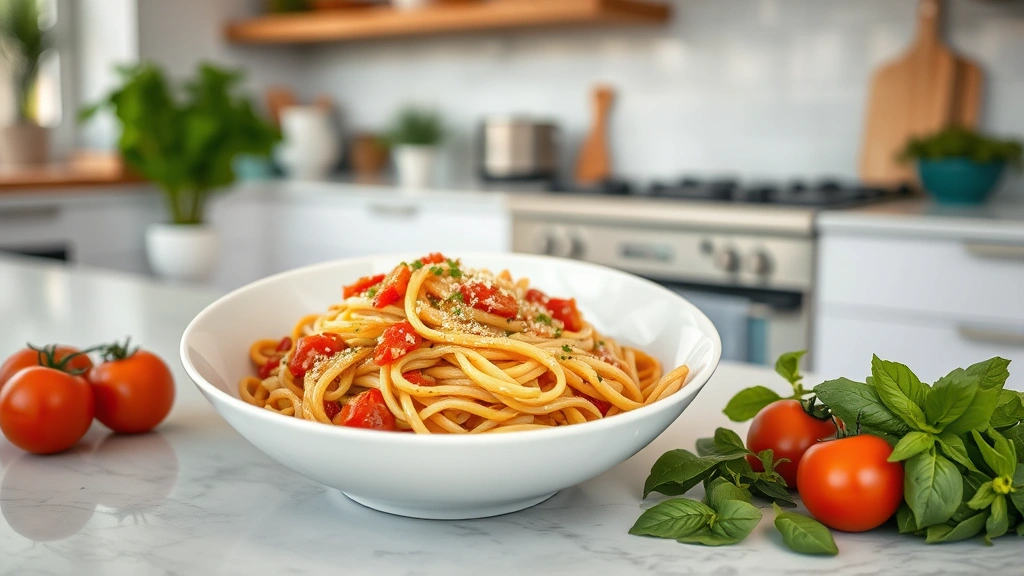
For individuals managing nutrient absorption and bioavailability, consuming Barilla Protein Pasta with vitamin C sources (tomato-based sauces, citrus, or bell peppers) enhances iron absorption from the legume flour. This strategic combination maximizes micronutrient utilization and represents practical application of nutritional science principles.
Potential Drawbacks
While Barilla Protein Pasta offers substantial nutritional advantages, several considerations warrant mention. The legume flour base creates a slightly different texture compared to traditional pasta—some consumers perceive it as slightly grainier or less refined, though most find the difference minimal. Cooking time may differ slightly; following package instructions ensures optimal texture.
Cost represents a practical consideration. Barilla Protein Pasta typically costs 30-50% more than conventional pasta, reflecting the enhanced ingredients and processing. For budget-conscious consumers, this price premium may limit accessibility despite superior nutritional value. The cost-benefit analysis depends on individual financial circumstances and dietary priorities.
Individuals with legume sensitivities or allergies must avoid this product entirely. While legume allergies are relatively uncommon, those with peanut allergies or certain legume intolerances should consult ingredient labels carefully. Additionally, those with severe IBS or similar digestive conditions may experience challenges with the elevated fiber content, requiring gradual introduction or alternative pasta options.
From a nutritional standpoint, Barilla Protein Pasta remains a carbohydrate-containing food unsuitable for very low-carb or ketogenic approaches. Those requiring extreme carbohydrate restriction should explore alternatives such as vegetable-based or shirataki noodles. Furthermore, while the protein quality is good, it does not match the complete amino acid profile of animal proteins or specialized protein supplements, so those with very high protein requirements may need additional protein sources.
FAQ
How does Barilla Protein Pasta compare to regular pasta nutritionally?
Barilla Protein Pasta contains 40-60% more protein (10-13g vs 7-8g per serving), 250-400% more fiber (5-7g vs 1-2g), and maintains equivalent caloric content. These differences make it nutritionally superior for most health goals while maintaining similar taste and texture.
Is Barilla Protein Pasta suitable for weight loss?
Yes, the enhanced protein and fiber content increases satiety and meal satisfaction, potentially supporting weight loss by reducing overall caloric intake. However, weight loss ultimately depends on total caloric consumption, so portion control remains important.
Can people with gluten sensitivity eat Barilla Protein Pasta?
Standard Barilla Protein Pasta contains wheat semolina and is not gluten-free. Barilla does offer gluten-free protein pasta options for those with celiac disease or gluten sensitivity. Always verify the specific product label.
What is the glycemic index of Barilla Protein Pasta?
While exact values vary by testing methodology, Barilla Protein Pasta has a substantially lower glycemic index than regular pasta due to increased fiber and protein content, producing approximately 20-30% lower blood glucose spikes.
How should I introduce Barilla Protein Pasta if I’m not accustomed to high-fiber foods?
Begin by mixing Barilla Protein Pasta with regular pasta, gradually increasing the proportion over several weeks. This allows digestive adaptation and minimizes potential bloating or gas. Ensure adequate hydration and increase fiber intake gradually.
Does Barilla Protein Pasta contain all essential amino acids?
Yes, the legume flour blend provides all nine essential amino acids, though the proportions differ from animal proteins. Combining with complementary proteins creates a nutritionally complete amino acid profile.
Is Barilla Protein Pasta appropriate for athletes?
Yes, particularly for general daily nutrition and pre-workout meals. The 10-13g protein per serving contributes meaningfully to daily protein intake, while the sustained energy from fiber and protein benefits athletic performance. Post-workout, higher-GI foods may be preferred for rapid glycogen replenishment.
How long does Barilla Protein Pasta last in storage?
Unopened packages maintain quality for approximately 2-3 years when stored in cool, dry conditions. Once opened, transfer to airtight containers and use within several months for optimal quality, though properly stored pasta remains safe much longer.
Can Barilla Protein Pasta replace legumes in the diet?
While Barilla Protein Pasta provides legume-based protein and nutrients, whole legumes offer additional compounds including polyphenols and resistant starch. For optimal nutrition, include both whole legumes and legume-based products in your diet.
What sauces pair best with Barilla Protein Pasta?
Any sauce suitable for regular pasta works well. Tomato-based sauces provide vitamin C for iron absorption. Vegetable-based sauces increase overall meal nutrient density. Light oil-based or cream sauces maintain the nutritional benefits without excessive calories.


