Basmati Rice: Nutritional Benefits Explored
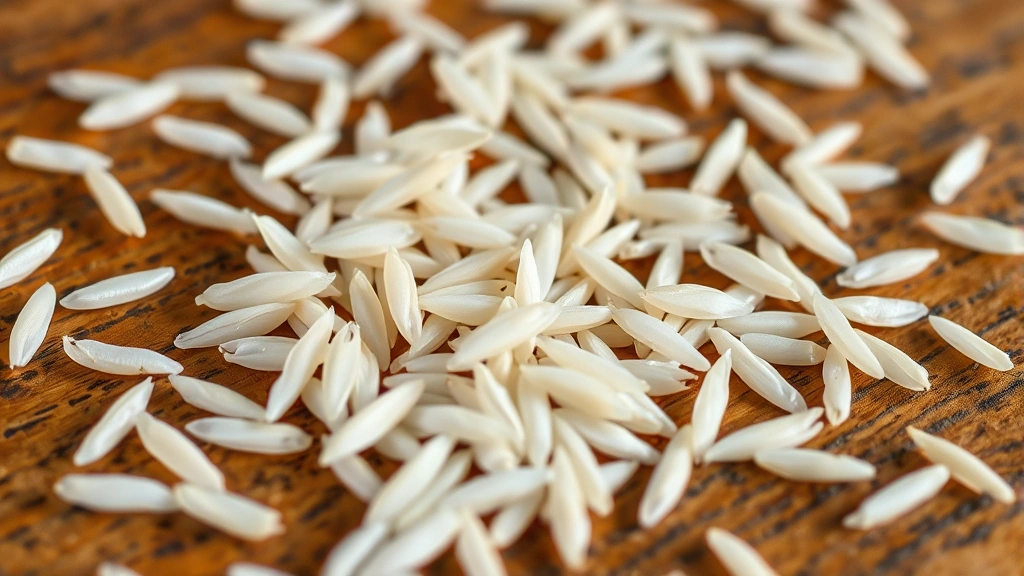
Basmati rice has emerged as one of the most nutritionally valuable grain options available today, offering a unique combination of culinary appeal and health-promoting properties. Unlike its shorter-grain cousins, basmati rice delivers a distinctive aromatic experience alongside measurable nutritional benefits that support various dietary goals and health objectives. Understanding the nutritional profile of basmati rice can help you make informed decisions about incorporating this versatile grain into your daily meals.
This comprehensive exploration examines the science behind basmati rice nutrition, revealing why nutritionists and health-conscious consumers increasingly recommend this grain as part of a balanced diet. From its carbohydrate composition to its micronutrient content, basmati rice presents compelling advantages for individuals seeking to optimize their dietary intake while enjoying delicious, satisfying meals.
Complete Nutritional Profile
One cup of cooked basmati rice (approximately 185 grams) contains roughly 190 calories, making it a relatively moderate-calorie grain option. The macronutrient breakdown reveals that basmati rice consists primarily of carbohydrates, with approximately 43 grams per serving, along with 4 grams of protein and negligible fat content. This composition makes basmati rice an excellent choice for those following healthy nutrition plans that emphasize whole grains.
The nutritional excellence of basmati rice extends beyond basic macronutrients. This grain provides essential B vitamins, including thiamine, niacin, and folate, which support energy metabolism and cellular function. Additionally, basmati rice contains important minerals such as manganese, magnesium, and phosphorus, each playing crucial roles in bone health, enzymatic function, and overall physiological balance. The presence of these micronutrients distinguishes basmati rice from refined grain alternatives that have undergone extensive processing.
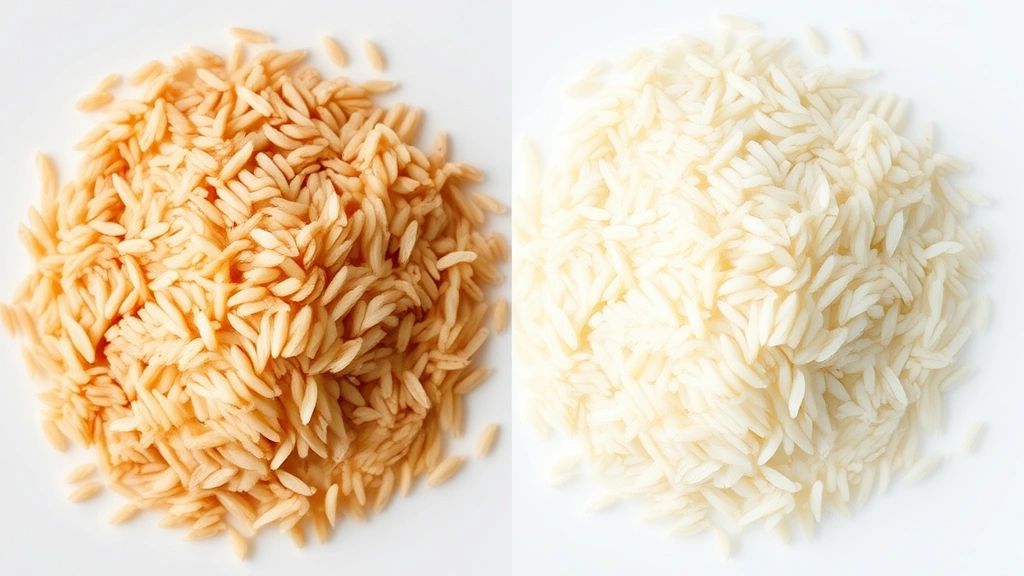
When comparing basmati rice to other grain varieties, the nutritional advantages become particularly evident. Brown basmati rice retains the nutrient-rich bran layer, offering even greater concentrations of fiber, vitamins, and minerals compared to white basmati varieties. For individuals interested in maximizing nutritional intake, understanding these differences proves essential when planning balanced meals and developing comprehensive nutrition solutions.
Carbohydrates and Energy
Basmati rice serves as an excellent source of complex carbohydrates, the body’s preferred fuel for sustained energy production. The carbohydrate content in basmati rice provides glucose that fuels brain function, muscle activity, and metabolic processes throughout the day. Unlike simple sugars that cause rapid blood sugar spikes, the carbohydrates in basmati rice release energy gradually, supporting stable energy levels and sustained performance.
The starch composition of basmati rice includes both amylose and amylopectin, compounds that influence how quickly the body digests and absorbs the grain. Basmati rice contains a higher amylose content compared to other white rice varieties, resulting in a lower glycemic index and more gradual glucose absorption. This characteristic makes basmati rice particularly valuable for individuals managing energy levels throughout their workday or engaging in physical activities that demand consistent fuel supply.
Athletes and active individuals benefit significantly from basmati rice’s carbohydrate profile, which supports both immediate energy needs and post-exercise recovery. The nutrition for athletes guide highlights the importance of quality carbohydrate sources, and basmati rice qualifies as an excellent option for performance optimization and muscle recovery protocols.
Essential Vitamins and Minerals
The micronutrient density of basmati rice contributes significantly to its nutritional value and health-promoting properties. Thiamine, also known as vitamin B1, plays a critical role in energy metabolism and nerve function, with basmati rice providing meaningful quantities of this essential vitamin. Niacin, another B vitamin present in basmati rice, supports cellular energy production and DNA repair mechanisms, contributing to overall metabolic health and cellular integrity.
Manganese, a mineral abundant in basmati rice, functions as a cofactor for numerous enzymes involved in bone formation, carbohydrate metabolism, and antioxidant defense. A single serving of basmati rice can contribute substantially toward daily manganese requirements, supporting skeletal health and metabolic optimization. Magnesium, another key mineral in basmati rice, regulates muscle function, nerve transmission, and energy production, making this grain valuable for individuals seeking comprehensive nutritional support.
Phosphorus content in basmati rice supports bone mineralization and energy metabolism, working synergistically with calcium and magnesium to maintain skeletal integrity. The combination of these minerals creates a nutritional foundation that supports multiple physiological systems simultaneously. Individuals incorporating basmati rice into their daily diet benefit from this mineral diversity, which contributes to overall health maintenance and disease prevention.
Folate, a B vitamin critical for DNA synthesis and cell division, appears in basmati rice in meaningful quantities. This nutrient proves particularly important for pregnant women, individuals of childbearing age, and those focusing on optimal cellular function. The presence of folate in basmati rice makes it an excellent grain choice for comprehensive dietary planning and nutritional optimization.
Digestive Health Benefits
While white basmati rice contains moderate fiber amounts, brown basmati rice offers substantially higher fiber content that supports digestive health and gastrointestinal function. Dietary fiber promotes regular bowel movements, feeds beneficial gut bacteria, and supports the development of a healthy microbiome. The soluble fiber in basmati rice acts as a prebiotic, nourishing the beneficial microorganisms that inhabit the digestive tract and contribute to immune function and metabolic health.
The digestive benefits of basmati rice extend beyond fiber content. This grain is relatively easy to digest compared to many other whole grains, making it an excellent choice for individuals with sensitive digestive systems or those recovering from gastrointestinal distress. The mild nature of basmati rice, combined with its nutritional completeness, makes it a staple grain in traditional medicinal practices across numerous cultures.
For individuals implementing comprehensive tips for meal planning, basmati rice provides flexibility in creating meals that support digestive wellness. Whether preparing traditional rice-based dishes or incorporating basmati into modern fusion cuisine, the grain’s digestive properties remain consistent, making it a reliable choice for health-conscious meal preparation.
Blood Sugar Management
The glycemic index of basmati rice ranks lower than many alternative rice varieties, making it particularly suitable for individuals managing blood sugar levels. The glycemic index measures how quickly foods raise blood glucose after consumption, with basmati rice’s lower index indicating more gradual glucose absorption. This characteristic proves especially valuable for individuals with prediabetes, type 2 diabetes, or those seeking to prevent metabolic disorders.
Research from Pew Research Center’s health studies demonstrates the importance of choosing grains with favorable glycemic properties, particularly for long-term health maintenance. Basmati rice’s composition supports stable blood sugar levels, reducing the insulin spikes that can contribute to metabolic dysfunction and energy crashes. This stability in blood glucose response makes basmati rice a preferred choice for individuals implementing evidence-based dietary strategies.
The amylose content in basmati rice directly influences its blood sugar impact, with higher amylose percentages correlating to lower glycemic responses. When prepared using appropriate cooking methods, basmati rice maintains its favorable glycemic properties while delivering maximum nutritional benefit. Individuals concerned with metabolic health should prioritize basmati rice over refined grain alternatives that offer minimal nutritional value and unfavorable blood sugar effects.
Weight Management Support
Contrary to common misconceptions, basmati rice can support weight management objectives when incorporated appropriately into balanced dietary patterns. The grain’s moderate calorie density combined with its satiating properties helps individuals feel satisfied after meals, reducing overall caloric intake and supporting healthy weight maintenance. The protein and fiber content in basmati rice, particularly brown varieties, contribute to satiety signals that promote portion control and prevent overeating.
The carbohydrates in basmati rice provide sustained energy that prevents the energy crashes and subsequent overeating that often accompanies refined carbohydrate consumption. By stabilizing blood sugar and energy levels, basmati rice helps individuals maintain consistent appetite regulation throughout the day. This metabolic stability supports weight management efforts by reducing cravings and promoting natural portion control.
Individuals seeking to lose weight or maintain healthy body composition benefit from including basmati rice as a staple grain rather than eliminating grains entirely. The nutritional completeness of basmati rice ensures that weight management efforts don’t compromise essential micronutrient intake. When paired with adequate protein, healthy fats, and abundant vegetables, basmati rice forms the foundation of satisfying, nutritionally complete meals that support sustainable weight management.
Cardiovascular Health
The cardiovascular benefits of basmati rice consumption extend from its mineral content and favorable nutritional profile. Magnesium, abundant in basmati rice, supports healthy blood pressure regulation and optimal heart rhythm, reducing cardiovascular disease risk. The grain’s low sodium content makes it compatible with heart-healthy dietary patterns, including those recommended by cardiologists for blood pressure management.
The absence of cholesterol in basmati rice, combined with its negligible saturated fat content, makes it an excellent choice for individuals prioritizing cardiovascular health. Research supporting nutrition and mental health connections also reveals that whole grains like brown basmati rice support cerebrovascular function and cognitive health through their nutritional density.
Brown basmati rice offers additional cardiovascular advantages through its higher fiber content, which supports healthy cholesterol levels and promotes beneficial gut bacteria that influence cardiovascular disease risk factors. The combination of fiber, minerals, and phytonutrients in brown basmati rice creates a comprehensive nutritional profile that supports heart health through multiple physiological mechanisms.
Preparation and Cooking Tips
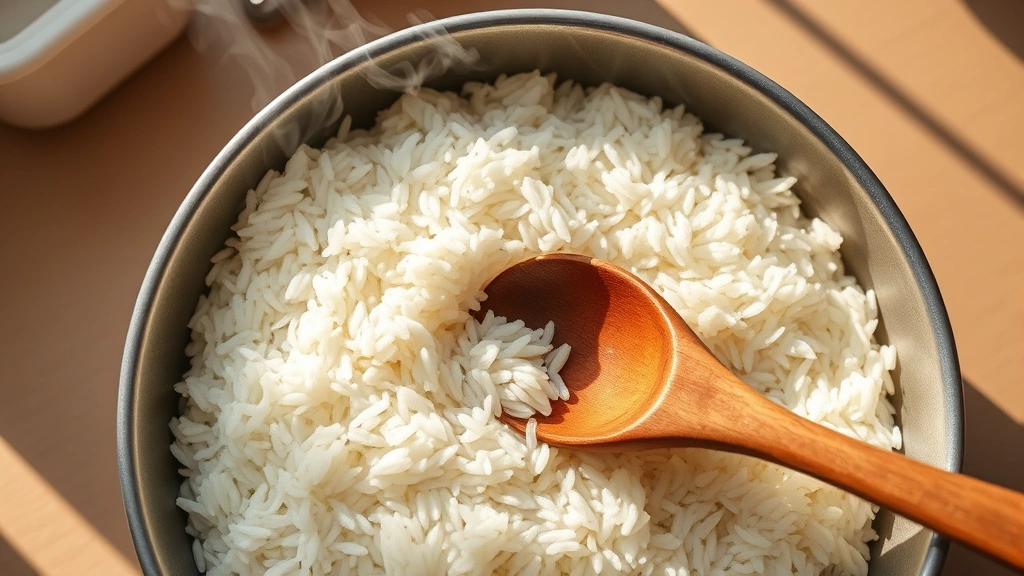
Maximizing the nutritional benefits of basmati rice begins with proper selection and preparation. Rinsing basmati rice before cooking removes excess starch and dust while preserving nutritional content. Using a ratio of approximately two parts water to one part rice ensures optimal texture and complete nutrient absorption during cooking.
Cooking methods significantly impact the final nutritional value of basmati rice. Steaming and boiling preserve more nutrients compared to frying or excessive oil addition. For maximum health benefits, prepare basmati rice without added butter or excessive salt, allowing the grain’s natural flavor to shine while maintaining its nutritional integrity. Pairing basmati rice with protein sources, healthy fats, and abundant vegetables creates nutritionally balanced meals that maximize the grain’s health-promoting properties.
Brown basmati rice requires slightly longer cooking times, typically 30-40 minutes, compared to white basmati’s 15-20 minute cooking duration. This extended cooking time ensures complete hydration and optimal nutrient bioavailability. For meal planning efficiency, prepare larger batches of basmati rice and store portions in refrigerator or freezer containers for convenient access throughout the week. Proper storage maintains nutritional quality while supporting consistent dietary adherence.
FAQ
Is basmati rice healthier than brown rice?
Both basmati and brown rice offer distinct nutritional advantages. Brown basmati rice combines the favorable glycemic properties of basmati with the higher fiber content of brown rice, making it arguably the most nutritionally complete option. White basmati rice, while lower in fiber, still provides valuable micronutrients and maintains a lower glycemic index than many alternative grains.
Does basmati rice contain arsenic?
Like all rice varieties, basmati rice may contain trace amounts of arsenic from soil and water sources. Proper rinsing and cooking techniques minimize arsenic content. Varying rice consumption patterns and selecting basmati from diverse geographical sources further reduces potential exposure. Basmati rice from India and Pakistan typically shows lower arsenic levels compared to certain domestic varieties.
Can people with celiac disease eat basmati rice?
Yes, pure basmati rice is naturally gluten-free, making it safe for individuals with celiac disease or gluten sensitivity. However, consumers must verify packaging to ensure no cross-contamination occurred during processing. Certified gluten-free basmati rice products provide additional assurance for those requiring strict gluten avoidance.
How much basmati rice should I eat daily?
Recommended basmati rice consumption depends on individual caloric needs, activity levels, and dietary goals. Generally, one to two servings daily (approximately one to two cups cooked) fits appropriately within most balanced dietary patterns. Individuals with specific health conditions should consult healthcare providers regarding personalized rice consumption recommendations.
Does cooking method affect basmati rice nutrition?
Cooking methods do influence nutrient retention, with steaming and boiling preserving more micronutrients compared to frying or pressure cooking at extreme temperatures. Avoiding excessive cooking time and using appropriate water ratios maintains nutritional integrity while achieving optimal texture and flavor.