Beef Patty Nutrition Facts: Dietitian Insights
Beef patties represent one of the most consumed protein sources globally, yet many people remain uncertain about their actual nutritional composition and health implications. Whether you’re crafting homemade burgers, evaluating fast-food options, or planning your weekly meal prep, understanding the precise nutritional profile of beef patties is essential for making informed dietary choices. This comprehensive guide breaks down the science behind beef patty nutrition, exploring protein quality, fat composition, micronutrient density, and practical applications for various dietary approaches.
The beef patty has evolved from a simple ground meat preparation to a cornerstone of modern cuisine, appearing in everything from casual weeknight dinners to gourmet restaurant offerings. However, the nutritional value varies dramatically depending on fat content, cooking method, portion size, and preparation technique. Registered dietitians increasingly recognize that beef patties, when selected and prepared thoughtfully, can contribute meaningfully to a balanced diet while supporting muscle maintenance, iron absorption, and overall metabolic health.
Understanding Beef Patty Macronutrient Breakdown
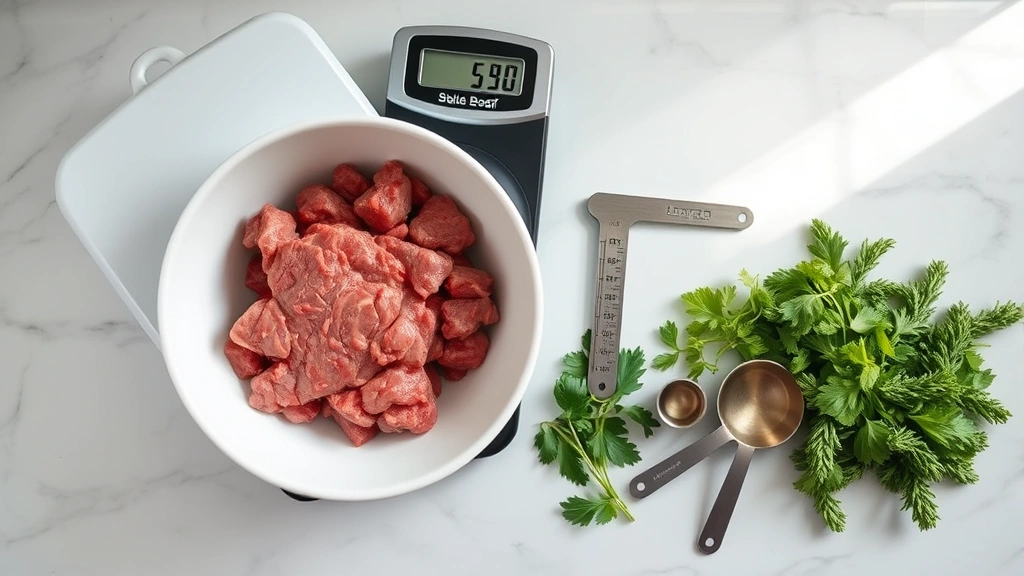
A standard 90-gram (3-ounce) lean beef patty contains approximately 180-200 calories, making it a relatively calorie-dense food that delivers substantial nutritional value per serving. The macronutrient distribution typically follows a 50-60% protein, 35-45% fat, and negligible carbohydrate pattern, though exact percentages depend on the ground beef’s fat content. When examining healthy nutrition plans, beef patties emerge as particularly valuable for individuals seeking to optimize protein intake without excessive carbohydrate consumption.
Ground beef labeled as 85/15 (85% lean, 15% fat) represents a popular middle-ground option, delivering approximately 22 grams of protein and 15 grams of total fat per 100-gram serving. Leaner varieties like 93/7 ground beef reduce total fat to roughly 7 grams per 100 grams while maintaining protein levels above 23 grams, making them ideal for individuals monitoring caloric intake or managing cholesterol levels. Conversely, fattier cuts like 80/20 ground beef provide enhanced flavor and juiciness but contribute 20 grams of fat and slightly elevated calories per serving.
Understanding these macronutrient variations enables dietitians and nutrition-conscious consumers to select beef patties aligned with specific health objectives, whether prioritizing weight management, muscle building, or cardiovascular health. The Nutrients Pathway Blog regularly discusses how different protein sources contribute to overall dietary balance and metabolic function.
Protein Quality and Amino Acid Composition
Beef patties contain complete proteins, meaning they provide all nine essential amino acids required for human physiological function. This complete amino acid profile distinguishes beef from many plant-based protein sources and positions beef patties as particularly valuable for muscle protein synthesis, immune function, and enzyme production. The bioavailability of beef protein—the proportion of protein your body can actually absorb and utilize—exceeds 95%, making it one of the most efficiently processed protein sources available.
Leucine, one of the three branched-chain amino acids, comprises approximately 8-9% of beef’s amino acid profile. This amino acid plays a critical role in activating mTOR signaling pathways, which trigger muscle protein synthesis following resistance training. A single beef patty can provide 1.8-2.2 grams of leucine, contributing meaningfully to the 2.5-3 grams many strength and conditioning professionals recommend consuming per meal for optimal muscle adaptation.
Creatine, found naturally in beef at concentrations of 300-500 mg per 100 grams, supports ATP regeneration during high-intensity exercise and may enhance cognitive function during periods of sleep deprivation. Carnosine and anserine, dipeptides unique to animal muscle tissue, function as intracellular buffers during intense physical activity and demonstrate antioxidant properties that may support longevity and metabolic health.
The nutrition facts about avocados reveal complementary micronutrients that pair well with beef patties in balanced meal compositions, creating synergistic nutritional benefits when combined thoughtfully.
Fat Content: Saturated vs. Unsaturated
Beef patty fat composition merits nuanced examination, as conventional wisdom regarding saturated fat has evolved significantly based on recent epidemiological research. A 100-gram lean beef patty contains approximately 8-10 grams of total fat, with saturated fat comprising roughly 3.5-4.5 grams. Contrary to earlier dietary guidelines suggesting universal saturated fat restriction, contemporary research from Pew Research Center and cardiovascular epidemiology studies indicates that saturated fat’s relationship to cardiovascular disease risk remains more complex than previously understood.
Beef contains multiple saturated fat types, each with distinct metabolic effects. Stearic acid, comprising approximately 11-14% of beef’s saturated fat content, demonstrates neutral effects on LDL cholesterol and may actually increase HDL cholesterol in some individuals. Palmitic acid shows more variable effects on lipid profiles depending on individual genetic factors and overall dietary patterns. Myristic acid, present in smaller quantities, demonstrates more pronounced LDL-raising effects but comprises only 3-5% of beef’s total saturated fat content.
The monounsaturated fat content in beef patties—typically 5-6 grams per 100-gram serving—includes oleic acid, the same heart-healthy fat found abundantly in olive oil. Oleic acid demonstrates beneficial effects on endothelial function, inflammation markers, and insulin sensitivity. Polyunsaturated fats in beef, while modest compared to plant oils, include omega-3 fatty acids like EPA and DPA, which support cardiovascular and neurological health.
Essential Micronutrients in Beef Patties
Beyond macronutrients, beef patties deliver exceptional micronutrient density that justifies their prominent role in evidence-based nutrition strategies. Iron content in beef patties averages 2.6-2.8 mg per 100-gram serving, with approximately 10-12% existing as highly bioavailable heme iron. Heme iron absorption rates reach 15-35%, substantially exceeding non-heme iron absorption from plant sources, which typically achieves only 2-20% bioavailability. This distinction proves particularly important for individuals at risk of iron deficiency anemia, including female athletes, vegetarians transitioning toward omnivory, and those with elevated iron requirements.
Zinc concentration in beef patties ranges from 4.5-5.5 mg per 100 grams, providing 40-50% of daily recommended intake in a single serving. Zinc’s roles encompassing immune cell development, wound healing, protein synthesis, and DNA repair make beef patties particularly valuable for individuals recovering from illness, managing chronic inflammation, or prioritizing immune resilience. Selenium content averages 18-22 mcg per 100 grams, supporting thyroid hormone metabolism and antioxidant defense through selenoprotein synthesis.
B vitamins reach exceptional concentrations in beef patties, with B12 providing 40-60% of daily recommendations per 100-gram serving. Niacin (B3) contributes 25-30% of daily needs, supporting NAD+ synthesis for energy metabolism and DNA repair. Vitamin B6 and pantothenic acid (B5) facilitate amino acid metabolism and energy production from macronutrients. These B vitamin concentrations distinguish beef from many other protein sources and support metabolic efficiency, particularly during periods of elevated physical or mental stress.
Choline, an essential nutrient often categorized separately from vitamins, appears at concentrations of 65-75 mg per 100 grams in beef patties. Choline supports acetylcholine synthesis for cognitive function, phospholipid membrane integrity, and homocysteine metabolism. The combination of heme iron, bioavailable zinc, selenium, and complete B vitamin profiles positions beef patties as a nutritional powerhouse for micronutrient repletion and metabolic optimization.
Cooking Methods and Nutritional Impact
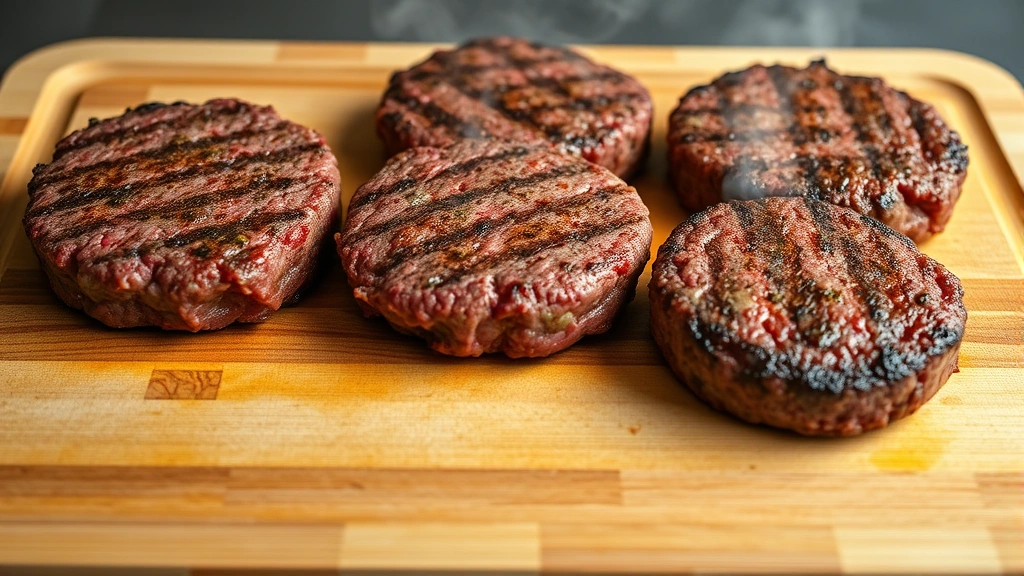
The cooking method selected for beef patties significantly influences their final nutritional profile and potential health implications. Grilling beef patties over direct flame creates favorable Maillard reactions that enhance flavor compounds and produce bioactive phytochemicals, while fat drips away from the patty, reducing total caloric and fat content by 15-25% compared to pan-frying. High-heat grilling does produce heterocyclic amines (HCAs) and polycyclic aromatic hydrocarbons (PAHs), compounds generated during high-temperature cooking that warrant discussion despite their relatively modest contribution to cancer risk when consumed as part of antioxidant-rich dietary patterns.
Pan-frying beef patties in minimal fat preserves slightly more nutrients compared to boiling or steaming, which leach water-soluble B vitamins and minerals into cooking liquid. Sous vide preparation at 56-58°C (133-136°F) followed by brief high-heat searing offers precise temperature control that minimizes nutrient degradation while achieving desirable browning and flavor development. Pressure cooking or slow cooking at lower temperatures reduces HCA and PAH formation while maintaining nutritional integrity, though these methods produce less intensive browning and flavor development.
Cooking temperature significantly affects the nutritional outcome of beef patties. Medium-rare preparation (internal temperature 63°C/145°F) preserves heat-sensitive nutrients including B vitamins and conjugated linoleic acid while reducing HCA formation compared to well-done preparation. However, food safety guidelines recommend minimum internal temperatures of 71°C (160°F) for ground beef to eliminate pathogenic bacteria. The optimal approach balances food safety requirements with minimal nutrient degradation and minimal production of potentially concerning compounds.
Beef Patties in Different Dietary Frameworks
Beef patties integrate seamlessly into numerous evidence-based dietary approaches, from ketogenic and paleo frameworks to Mediterranean and traditional omnivorous patterns. Within ketogenic protocols, beef patties provide the macronutrient foundation for sustained ketone production and metabolic adaptation, with fat content supporting satiety and neurological ketone utilization. The complete amino acid profile ensures adequate protein intake without excessive gluconeogenesis, maintaining metabolic ketosis while preserving lean mass.
Mediterranean dietary patterns benefit from beef patty integration when consumed in moderate portions (2-3 times weekly) alongside abundant vegetables, whole grains, legumes, and healthy fats. Research from the ResearchGate academic platform demonstrates that moderate red meat consumption within Mediterranean-style eating patterns associates with improved cardiovascular outcomes compared to higher-frequency consumption patterns or processed meat alternatives. Pairing beef patties with dietary fiber sources including legumes, whole grains, and vegetables optimizes the nutritional synergy between complete proteins and prebiotic fiber for gut microbiome health.
Low-carbohydrate approaches leverage beef patties as primary protein sources, with their negligible carbohydrate content supporting blood glucose stability and insulin sensitivity. Individuals managing type 2 diabetes or prediabetes often experience improved glycemic control and weight management when beef patties replace refined carbohydrate-based meals. The satiety provided by beef patties’ protein and fat content reduces overall caloric intake without conscious restriction, supporting sustainable weight management outcomes.
Choosing Quality Beef for Optimal Nutrition
Beef quality significantly influences nutritional composition and potential health implications of resulting patties. Grass-fed beef demonstrates elevated concentrations of conjugated linoleic acid (CLA), a fatty acid with potential anti-inflammatory and metabolic benefits. Grass-fed beef contains approximately 3-5 times higher CLA concentrations than conventional grain-fed beef, though absolute quantities remain modest (approximately 0.5-1.0 grams per 100-gram serving). Grass-fed beef also demonstrates superior omega-3 to omega-6 fatty acid ratios, potentially supporting reduced systemic inflammation when substituted for grain-fed alternatives.
Vitamin E concentrations in grass-fed beef exceed grain-fed alternatives by 2-3 fold, supporting antioxidant defense and cellular protection. Pasture-raised cattle consuming diverse botanical species produce beef with enhanced micronutrient density including selenium, zinc, and B vitamins. However, the practical significance of these differences remains modest when beef consumption occurs within broader dietary patterns emphasizing abundant plant foods, antioxidant-rich beverages, and diverse nutrient sources.
Fat content selection proves more consequential than grass-fed versus grain-fed distinctions when optimizing beef patty nutrition. Selecting 90/10 or 93/7 ground beef reduces total fat and caloric density while maintaining protein content, supporting weight management and cardiovascular health objectives. Individuals prioritizing flavor and satiety may select 85/15 ground beef, which provides superior organoleptic qualities while remaining nutritionally reasonable for most dietary contexts.
The sourcing practices, processing standards, and storage conditions of ground beef influence both safety and nutritional preservation. Ground beef sourced from single animals rather than multiple cattle reduces pathogenic contamination risk. Fresh ground beef prepared immediately before purchase maintains superior nutrient density compared to pre-packaged varieties stored under fluorescent lighting, which accelerates oxidation of iron and B vitamins. Freezing ground beef immediately after purchase preserves nutritional composition indefinitely, enabling long-term storage without degradation.
Understanding how nutrition impacts brain health reveals additional beef patty benefits, as the iron, B vitamins, and complete amino acids support optimal cognitive function and neurotransmitter synthesis. Additionally, improving digestion benefits from beef’s easily absorbed nutrient profile when paired with fiber-rich vegetables and adequate hydration.
FAQ
How many calories does a typical beef patty contain?
A standard 90-gram beef patty contains 180-220 calories depending on fat content. Lean patties (93/7) contain approximately 180 calories, while standard patties (85/15) reach 200-210 calories, and fattier options (80/20) approach 220-240 calories. Portion size significantly influences total caloric intake, with quarter-pound patties (113 grams) delivering 230-310 calories depending on fat percentage.
Is beef patty fat unhealthy?
Beef patty fat comprises a complex mixture of saturated, monounsaturated, and polyunsaturated fatty acids with varying metabolic effects. Current evidence suggests moderate beef consumption within balanced dietary patterns does not increase cardiovascular disease risk for most individuals. The saturated fat composition includes stearic acid with neutral effects and oleic acid with beneficial cardiovascular properties. Individuals with specific health conditions should consult healthcare providers regarding appropriate beef consumption levels.
Can beef patties support weight loss?
Beef patties can support weight loss through multiple mechanisms including elevated satiety from protein and fat content, enhanced thermic effect of protein digestion, and appetite suppression that reduces overall caloric intake. Selecting lean varieties (90/10 or 93/7) minimizes caloric density while maximizing protein content. Combining beef patties with vegetables and fiber sources optimizes satiety and nutrient density while supporting sustainable caloric deficit maintenance.
How does cooking method affect beef patty nutrition?
Cooking methods significantly influence nutritional outcomes through temperature effects on nutrient preservation and potentially harmful compound formation. Grilling at moderate temperatures preserves B vitamins while reducing total fat content through drainage. Sous vide followed by brief searing minimizes nutrient degradation while achieving favorable browning. Medium-rare preparation (63°C internal temperature) balances food safety with nutrient preservation better than well-done preparation, though food safety guidelines recommend 71°C minimum for ground beef.
Are grass-fed beef patties nutritionally superior?
Grass-fed beef demonstrates higher conjugated linoleic acid, omega-3 fatty acids, and vitamin E concentrations compared to grain-fed alternatives. However, absolute differences remain modest within broader dietary contexts. Fat content selection and overall dietary pattern composition prove more consequential for health outcomes than grass-fed versus grain-fed distinctions. Both can support optimal nutrition when selected thoughtfully and consumed within balanced eating patterns.
What micronutrients make beef patties nutritionally valuable?
Beef patties deliver exceptional concentrations of bioavailable iron (heme iron), zinc, selenium, and B vitamins including B12, niacin, and B6. These micronutrients support immune function, energy metabolism, cognitive performance, and DNA repair. The bioavailability of beef’s micronutrients substantially exceeds plant-based alternatives, making beef particularly valuable for individuals with elevated micronutrient requirements or absorption challenges.