Blaze Pizza Nutrition: Your Complete Guide to Healthy Choices
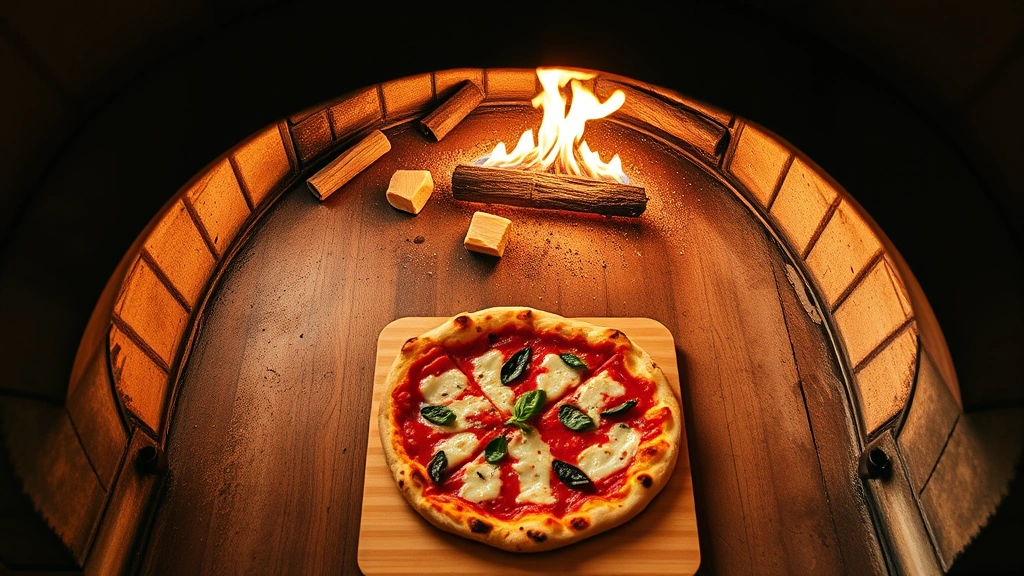
Blaze Pizza has revolutionized the fast-casual dining experience by offering customizable pizzas prepared in a wood-fired oven in under three minutes. With the rise of health-conscious consumers seeking transparency in their food choices, understanding Blaze Pizza nutrition becomes essential for making informed decisions that align with your dietary goals. Whether you’re managing calories, tracking macronutrients, or accommodating specific dietary restrictions, this guide equips you with the knowledge to navigate the menu strategically.
The appeal of Blaze Pizza lies not only in its speed and customization but also in its potential for nutritional optimization. Unlike traditional pizzerias with limited options, Blaze empowers customers to control every component—from crust selection to sauce portions to protein and vegetable toppings. This level of customization makes it possible to create pizzas that support various health objectives, whether you’re following a healthy nutrition plan or simply seeking balanced meal options.
Understanding Blaze Pizza Nutrition Basics
Blaze Pizza’s commitment to nutritional transparency sets it apart in the fast-casual pizza industry. The chain provides comprehensive nutritional information for all menu items, including calorie counts, macronutrient breakdowns, and allergen details. This data-driven approach aligns with consumer demands for accountability, supported by research from Pew Research Center indicating that 72% of Americans check nutritional labels when making food choices.
A standard 11-inch Blaze Pizza typically contains 2-4 servings, though many consumers eat the entire pizza in one sitting. Understanding serving sizes is crucial for accurate nutritional assessment. A single slice generally ranges from 180 to 350 calories depending on crust type and toppings, with protein content varying between 8 and 15 grams per slice. The sodium content deserves particular attention, as a full pizza can contain 1,200 to 2,000 milligrams of sodium, which represents 50-87% of the recommended daily intake.
When building your pizza, recognize that the foundation determines approximately 40-50% of the nutritional profile. Your choices cascade from there, with each topping adding specific nutritional contributions. This modular approach means small, strategic decisions compound into significantly different health outcomes.
Crust Options and Caloric Impact
Blaze Pizza offers five primary crust options, each with distinct nutritional characteristics. The classic hand-tossed crust serves as the baseline, containing approximately 250-280 calories per slice and providing moderate fiber content around 2-3 grams. This option works well for balanced nutrition without extreme restrictions.
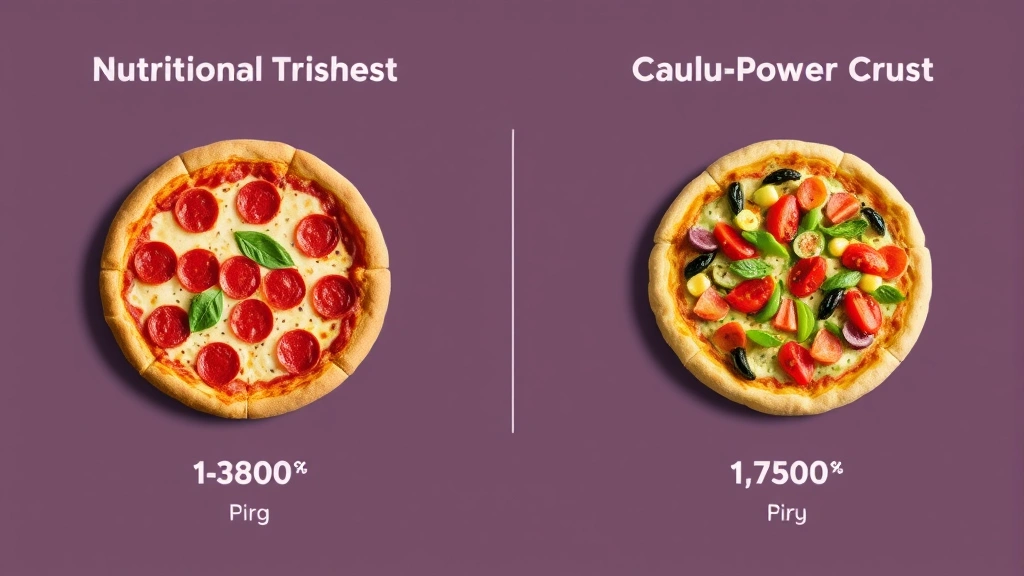
The caulipower crust represents the health-conscious alternative, reducing calories to approximately 150-170 per slice while maintaining similar protein levels. Made with cauliflower, this option provides additional micronutrients and increases fiber content to 4-5 grams per slice. For individuals monitoring carbohydrate intake, this crust delivers roughly 12-14 grams of carbs compared to 30-32 grams in traditional crusts. The caulipower option aligns well with nutrition solutions focused on reducing refined carbohydrate consumption.
The gluten-free crust accommodates those with celiac disease or gluten sensitivity, though it contains slightly more calories (approximately 280-300 per slice) than the traditional option due to alternative flour blends required for structure and texture. The sweet crust, featuring honey and whole wheat, provides approximately 300-320 calories per slice with enhanced mineral content including manganese and zinc.
For those seeking maximum nutritional density, the ancient grains crust incorporates spelt, kamut, and other heritage grains, delivering approximately 270-290 calories per slice alongside enhanced B-vitamin profiles and unique phytonutrient compounds. Research published in the Journal of Nutrition and Metabolism suggests ancient grains may offer superior mineral bioavailability compared to modern wheat varieties.
Sauce Selection and Hidden Sugars
Sauce represents an often-overlooked nutritional consideration that significantly impacts overall pizza health value. Blaze Pizza offers multiple sauce options, each contributing different amounts of sugar, sodium, and beneficial compounds. The classic red sauce contains approximately 3-4 grams of sugar per serving with moderate sodium levels around 280-320 milligrams.
The white garlic sauce, made with a cream base, contains higher calories (approximately 70-80 per serving) but zero sugar, making it advantageous for those monitoring carbohydrate intake. However, the saturated fat content reaches approximately 4-5 grams per serving, warranting moderation for individuals with cardiovascular health concerns.
Blaze’s pesto-based options introduce healthy monounsaturated fats from olive oil and beneficial compounds from basil, including linalool and eugenol with documented anti-inflammatory properties. These sauces typically contain 5-7 grams of fat per serving with minimal sugar and provide superior antioxidant profiles compared to tomato-based alternatives.
Understanding the importance of dietary fiber for your health becomes relevant when considering that tomato-based sauces provide lycopene, a carotenoid with evidence supporting cardiovascular and prostate health benefits. Research from American Heart Association journals indicates lycopene consumption correlates with improved endothelial function.
Protein Choices for Balanced Meals
Protein selection dramatically influences the nutritional trajectory of your Blaze Pizza experience. The restaurant offers diverse protein options accommodating various dietary philosophies and health objectives. Traditional pepperoni delivers approximately 4-5 grams of protein per slice alongside 6-7 grams of fat, including saturated fat requiring moderation in high-frequency consumption.
Grilled chicken breast represents the protein-maximizing option, providing 7-8 grams of protein per slice with only 1-2 grams of fat, making it ideal for individuals prioritizing muscle maintenance or following high-protein dietary protocols. The lean protein content supports satiety and metabolic efficiency, particularly relevant for those implementing tips for meal planning centered on weight management.
Italian sausage options provide robust flavor alongside 5-6 grams of protein per slice but contain approximately 8-9 grams of fat, including inflammatory omega-6 polyunsaturated fat. For those prioritizing anti-inflammatory nutrition, this option requires balancing with vegetable toppings rich in polyphenols.
Plant-based protein options including seasoned plant-based meat alternatives provide 5-6 grams of protein per slice with variable fat profiles depending on formulation. These options appeal to environmentally conscious consumers and those following vegetarian or vegan protocols. However, processing levels vary significantly between brands, with some containing higher sodium and additive loads warranting label review.
Bacon offerings contribute approximately 3-4 grams of protein per slice alongside 5-6 grams of fat, predominantly saturated. The sodium content reaches approximately 280-320 milligrams per slice, contributing meaningfully to daily intake limits. Nutritional research suggests limiting processed pork products to occasional consumption due to associations with increased colorectal cancer risk documented in American Cancer Society publications.
Vegetable Toppings and Nutrient Density
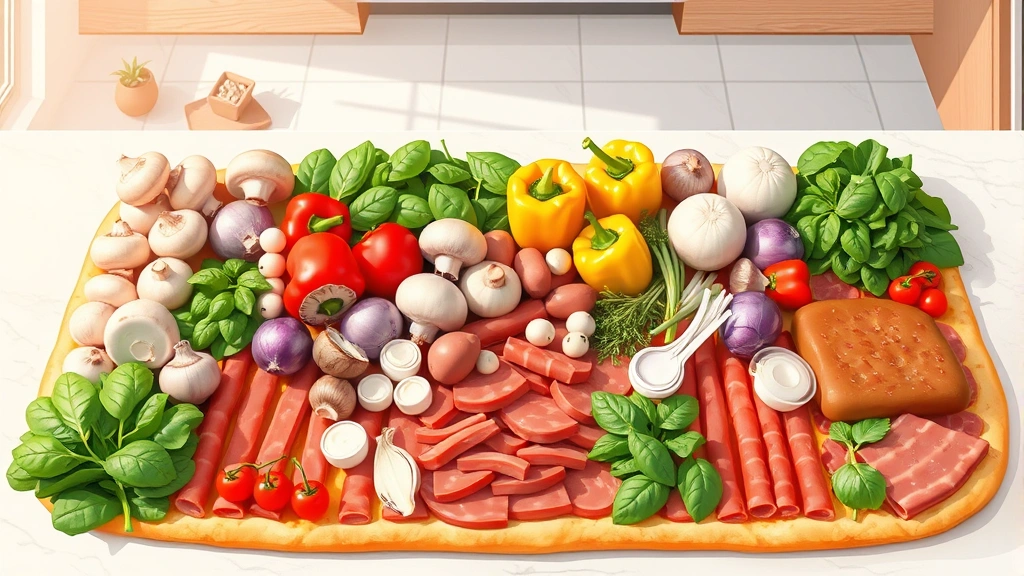
Vegetable selections offer the greatest opportunity for nutritional optimization without significantly impacting caloric content. Each vegetable topping contributes unique micronutrient profiles, phytonutrients, and beneficial compounds supporting various physiological functions. Building a vegetable-forward pizza creates a more nutrient-dense meal regardless of other ingredient selections.
Spinach provides approximately 1-2 grams of fiber per serving alongside lutein and zeaxanthin, carotenoids supporting ocular health and cognitive function. The mineral profile includes magnesium, manganese, and iron, though the non-heme iron requires vitamin C co-consumption for optimal bioavailability—a consideration easily addressed through tomato-based sauce selection.
Bell peppers deliver high vitamin C content (approximately 60-80 milligrams per serving) supporting immune function and collagen synthesis. The polyphenol content provides antioxidant and anti-inflammatory benefits, with research indicating consumption correlates with reduced systemic inflammation markers. Red and orange varieties contain additional carotenoids including beta-carotene with vitamin A activity.
Mushrooms contribute umami flavor alongside ergothioneine, a unique amino acid derivative with potent antioxidant properties. The beta-glucan content supports immune function, while compounds including lentinan demonstrate immunomodulatory effects documented in nutritional immunology literature. Mushrooms also provide B vitamins including riboflavin and niacin essential for energy metabolism.
Onions and garlic provide sulfur-containing compounds including allicin and quercetin with documented anti-inflammatory and antimicrobial properties. These ingredients support cardiovascular health through mechanisms including improved endothelial function and reduced thrombotic tendency. The prebiotic fiber content supports beneficial gut microbiota populations, connecting to the broader concept of nutrition and mental health through the gut-brain axis.
Broccoli delivers sulforaphane, an isothiocyanate compound with potent anti-cancer properties demonstrated in cellular and animal models. The fiber content supports digestive health and metabolic function, while the mineral profile includes chromium supporting glucose metabolism. Including cruciferous vegetables on your pizza meaningfully enhances the nutritional density of an otherwise indulgent meal.
Building Your Optimal Pizza
Strategic pizza construction maximizes nutritional value while maintaining satisfaction and flavor. Start with your crust selection based on primary nutritional objectives—caulipower for carbohydrate reduction, ancient grains for micronutrient density, or traditional for balanced nutrition.
Select sauce strategically: red sauce for lycopene and cardiovascular benefits, white sauce for zero-carb protocols, or pesto for omega-3 fatty acids and antioxidant compounds. Consider sauce quantity, as reducing portion sizes decreases sodium intake without significantly impacting flavor when toppings are flavorful.
Protein selection should align with your macronutrient targets and health objectives. Grilled chicken maximizes protein-to-calorie ratio, while traditional meats provide flavor and satisfaction with higher fat content requiring moderation. Consider protein variety—alternating between different options across multiple visits prevents nutrient imbalances from any single source.
Vegetable selection represents your greatest opportunity for nutritional enhancement. Aim for 4-6 vegetable toppings to maximize micronutrient diversity and fiber content. Combining colors ensures varied phytonutrient profiles: red peppers for lycopene, spinach for lutein, mushrooms for ergothioneine, and onions for quercetin. This approach transforms pizza from nutritionally simplistic to genuinely health-supportive.
Cheese represents a final consideration. Standard mozzarella provides calcium and protein with approximately 80-100 calories per serving. Reduced-fat cheese options decrease saturated fat intake by approximately 30% while maintaining calcium content. Consider cheese quantity—requesting light cheese reduces calories and fat while preserving the pizza experience.
A strategically optimized Blaze Pizza might include: caulipower crust, red sauce, grilled chicken, spinach, bell peppers, mushrooms, onions, and light cheese—delivering approximately 200-250 calories per slice, 12-15 grams protein, 8-10 grams fiber, and exceptional micronutrient density. This composition supports sustained satiety and metabolic efficiency.
Comparing Blaze to Other Fast-Casual Options
Blaze Pizza’s nutritional positioning within the fast-casual landscape reveals meaningful advantages and trade-offs compared to competitors. Traditional pizzerias often lack nutritional transparency and provide limited customization, making informed choices difficult. Chain restaurants like Domino’s and Papa John’s have improved transparency but offer fewer crust alternatives and vegetable options.
Compared to sandwich-focused fast-casual establishments, Blaze Pizza offers superior vegetable integration and customization control. A comparable Chipotle bowl might contain similar calories but often features higher sodium levels and less fiber content. Blaze’s wood-fired cooking method avoids deep-frying, reducing oxidized fat consumption compared to many fast-food alternatives.
The customization advantage distinguishes Blaze meaningfully. Most fast-casual competitors offer preset menu items with limited modification options. Blaze’s build-your-own model empowers nutritional optimization impossible in standardized menu environments. This flexibility aligns with nutrients pathway blog principles emphasizing personalized nutrition approaches.
Research from food policy experts indicates fast-casual restaurants demonstrate superior nutritional profiles compared to traditional fast food, with Blaze Pizza’s transparency and customization positioning it favorably within this category. The wood-fired cooking method provides flavor without requiring excessive sodium or additives, a meaningful advantage over competitors relying on artificial flavor enhancement.
Frequency considerations matter significantly. Blaze Pizza, despite nutritional optimization potential, remains a processed food environment. Consuming optimized pizzas 1-2 times weekly supports balanced nutrition, while higher frequency risks excessive sodium and processed ingredient accumulation. Balancing occasional indulgences with home-prepared meals maximizing whole food ingredients remains foundational to sustained health.
FAQ
How many calories are in a typical Blaze Pizza?
A standard 11-inch Blaze Pizza ranges from 800 to 1,600 calories depending on crust type and toppings. A single slice typically contains 180-350 calories. Caulipower crust pizzas average 600-900 calories total, while traditional crusts reach 1,200-1,500 calories. Calculating exact values requires accounting for your specific topping selections.
Is Blaze Pizza healthy for weight loss?
Blaze Pizza supports weight loss when strategically constructed with portion control. Selecting caulipower crust, lean protein, abundant vegetables, and light cheese creates satisfying pizzas under 200 calories per slice. Consuming 2-3 slices (400-600 calories) with substantial vegetables supports satiety without excessive caloric intake. Success depends on making intentional choices rather than defaulting to standard constructions.
Which Blaze crust has the lowest calories?
The caulipower crust contains the lowest calories at approximately 150-170 per slice, roughly 40% fewer than traditional crusts. This option works particularly well for carbohydrate-restricted protocols while maintaining satisfying texture and flavor through cauliflower base and traditional toppings.
How much sodium is in Blaze Pizza?
A full 11-inch Blaze Pizza contains 1,200-2,000 milligrams of sodium depending on toppings, representing 50-87% of the recommended 2,300-milligram daily limit. A single slice contributes 300-500 milligrams. Requesting reduced sauce, avoiding processed meats, and limiting cheese helps decrease sodium content meaningfully.
Can I get a vegan pizza at Blaze?
Yes, Blaze offers plant-based protein options and accommodates fully vegan pizzas using plant-based cheese and abundant vegetable toppings. Vegan pizzas typically contain 800-1,200 calories depending on crust and topping selections, with nutritional profiles comparable to omnivorous options when constructed thoughtfully.
What’s the best protein choice for muscle building?
Grilled chicken breast provides the optimal protein-to-calorie ratio at 7-8 grams protein per slice with minimal fat. Consuming 3-4 slices delivers 21-32 grams protein within a reasonable caloric framework. Combining with vegetable toppings and adequate overall daily protein intake supports muscle protein synthesis effectively.
Does Blaze offer gluten-free options?
Yes, Blaze provides gluten-free crust accommodating celiac disease and gluten sensitivity. The gluten-free option contains approximately 280-300 calories per slice with comparable macronutrient profiles to traditional crusts. Cross-contamination risk exists in shared kitchen environments, so communicate clearly with staff regarding gluten-free requirements.


