Buffalo Wild Wings: Healthy Choices? Dietitian Tips for Smart Ordering
Buffalo Wild Wings has become a cultural icon for sports fans and casual diners alike, but navigating the menu for nutritious options can feel challenging. With wings fried in oil, loaded sauces, and indulgent sides dominating the offerings, many people assume healthy eating at B-Dubs is impossible. However, with strategic ordering and understanding nutritional trade-offs, you can enjoy this popular restaurant while maintaining your dietary goals. This guide breaks down the nutritional landscape at Buffalo Wild Wings and provides evidence-based strategies from registered dietitians to help you make informed choices.
The restaurant industry has undergone significant transparency shifts in recent years. Buffalo Wild Wings, like most major chains, publishes detailed nutritional information for their menu items. This data empowers consumers to make decisions aligned with their health objectives. Whether you’re focused on reducing sodium intake, managing calorie consumption, or increasing protein, there are legitimate options available—you just need to know where to look and how to customize your order effectively.
Understanding Buffalo Wild Wings Nutrition Basics
Buffalo Wild Wings menu items vary dramatically in nutritional composition. A single order of traditional bone-in wings (10 pieces) typically contains between 860-1,000 calories depending on sauce selection, with significant fat and sodium content. Understanding these baseline numbers helps you contextualize choices within your daily nutritional targets.
According to CDC nutritional guidelines, the average adult should consume approximately 2,000-2,500 calories daily, with sodium intake limited to 2,300 milligrams. Many Buffalo Wild Wings menu items exceed daily sodium recommendations in a single serving, which is a critical consideration for individuals managing hypertension or heart health.
The restaurant’s boneless wings (which are actually breaded chicken breast pieces) contain slightly fewer calories per piece but often come with more sauce coating, affecting the nutritional profile. Traditional bone-in wings have higher fat content but provide structural integrity that limits sauce absorption compared to boneless options.
Registered dietitians emphasize that one meal at a restaurant doesn’t derail overall health goals. The key is understanding what you’re consuming and making intentional choices. This aligns with the concept of building a healthy nutrition plan that allows flexibility while maintaining nutritional balance.
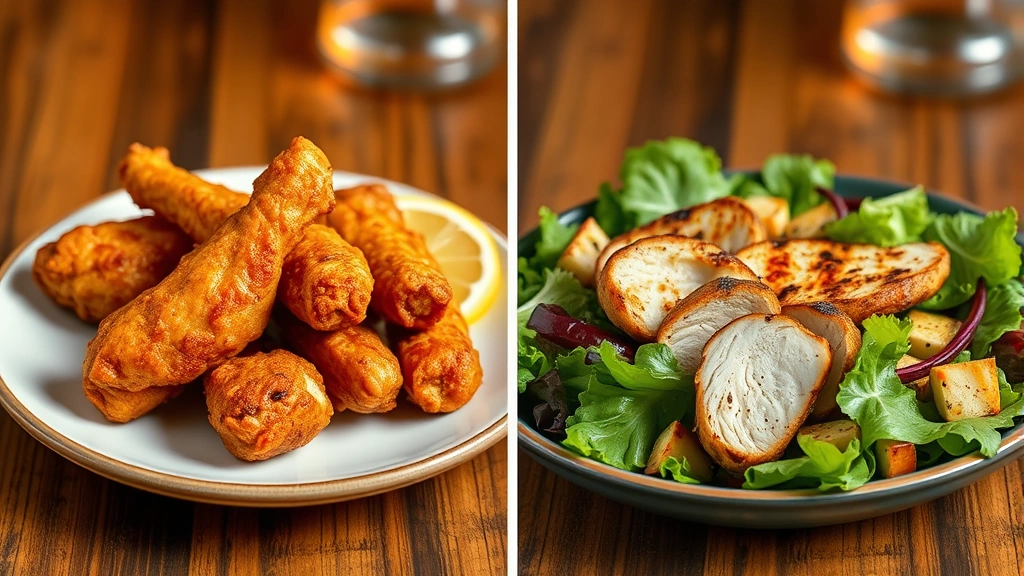
Wing Sauce Analysis: Which Options Are Healthier
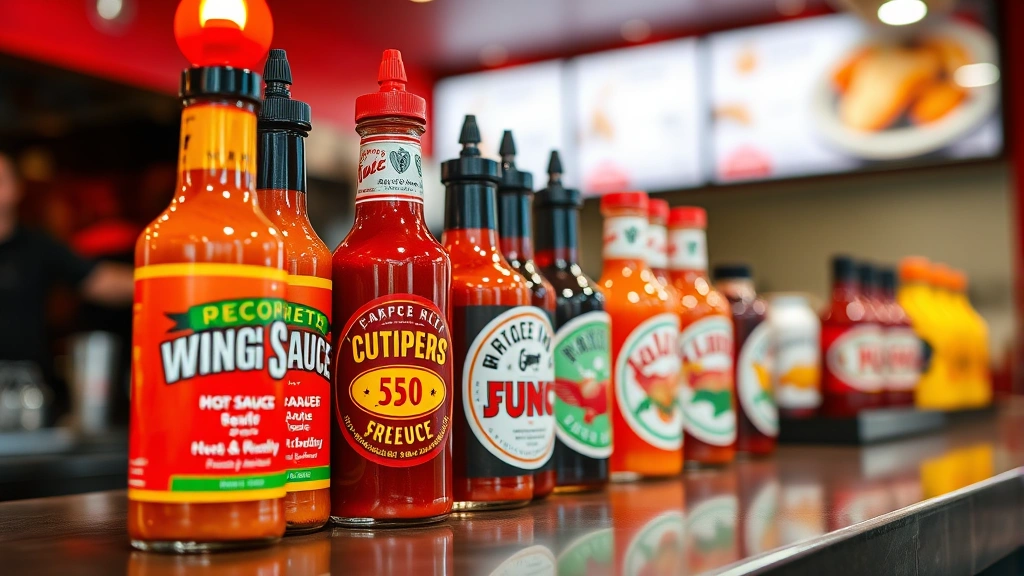
Wing sauce selection dramatically impacts nutritional value. Buffalo Wild Wings offers approximately 25 different sauce options, ranging from mild to intensely spicy. Here’s what dietitians recommend:
Lower-Calorie Sauce Options:
- Dry Rub Sauces (Lemon Pepper, Spicy Garlic, Cajun) contain minimal calories—typically 20-60 per serving—making them excellent choices for calorie-conscious diners. These rely on spices rather than oil or cream-based ingredients.
- Spicy Asian and Thai Curry sauces provide bold flavor with moderate calorie counts (80-120 per serving), though sodium content remains elevated.
- Mild and Medium Buffalo sauces contain approximately 150-180 calories per serving and deliver the classic Buffalo experience without excessive fat.
Higher-Calorie Sauce Caution:
- Blazing and Carolina Reaper sauces, while intensely flavored, contain 200+ calories per serving due to oil and heat-carrying ingredients.
- Parmesan Garlic, Mango Habanero, and other cream or butter-based sauces range from 250-350 calories per serving.
- Sweet sauces (Honey BBQ, Teriyaki, Sweet Spicy Bacon) add significant sugar content, with 15-25 grams per serving, similar to dessert items.
A strategic approach involves requesting sauce on the side, allowing you to control portion size. Many diners find they use 30-40% less sauce when applying it themselves, significantly reducing calorie intake.
The sodium content across sauces remains consistently high, typically ranging from 800-1,400 milligrams per serving. For individuals managing blood pressure, this is an important consideration when planning meals. The American Heart Association provides guidance on sodium management through restaurant dining.
Protein-Rich Alternatives to Traditional Wings
While wings are the signature item, Buffalo Wild Wings offers several protein sources that align better with certain dietary approaches. Understanding these alternatives expands your options significantly.
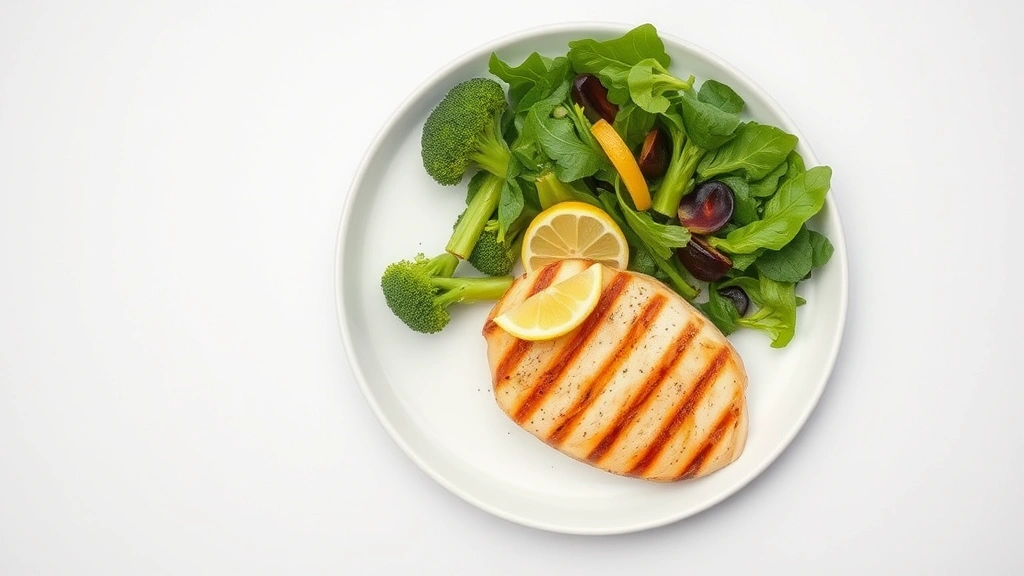
Grilled Chicken Sandwich: Opting for a grilled (not breaded) chicken sandwich provides 35-40 grams of protein with 400-500 calories. Request whole wheat bread if available and skip the mayo-based dressings. This choice delivers substantial protein without the fried preparation method.
Burger Options: A standard burger contains 25-30 grams of protein with 600-750 calories. The advantage here is portion control—you’re consuming one item rather than multiple pieces. Skip cheese and bacon to reduce saturated fat by 10-15 grams.
Salad Selections: Buffalo Wild Wings offers several salad options that often feature grilled chicken. A grilled chicken salad typically contains 400-500 calories with 30+ grams of protein. The challenge is dressing—request ranch, vinaigrette, or Asian dressing on the side to control fat and calorie intake. Many creamy dressings add 200+ calories.
These alternatives align with principles outlined in our guide on nutrition for athletes and performance optimization, emphasizing protein quality and quantity for satiety and muscle maintenance.
For individuals focused on nutrient absorption and bioavailability, grilled preparations are preferable to fried options, as they preserve heat-sensitive nutrients and provide cleaner protein without excessive oxidized fats.
Smart Side Dish Substitutions
Side dishes often represent hidden calorie and sodium sources. Buffalo Wild Wings’ standard sides include fries, onion rings, and coleslaw, with nutritional profiles that can surprise diners:
Traditional Sides (High-Calorie Options):
- French Fries (regular): 450-500 calories, 1,200+ mg sodium
- Onion Rings: 600+ calories, 1,400+ mg sodium
- Coleslaw: 400-450 calories (primarily from creamy dressing)
Dietitian-Recommended Substitutions:
- Steamed Broccoli or Vegetables: Request available vegetables steamed without butter. This typically adds 50-100 calories while providing fiber and micronutrients.
- Side Salad: A plain green salad with vinaigrette on the side provides 100-150 calories with satiety from fiber.
- Fruit Cup: If available, fruit provides natural sweetness, fiber, and micronutrients with 80-120 calories.
- Baked Potato: A plain baked potato contains 150-200 calories and provides resistant starch, which supports digestive health and satiety.
Many restaurants accommodate special requests. Don’t hesitate to ask for modifications—most establishments prefer satisfied customers making informed choices to those feeling restricted or resentful about limited options.
Beverage Strategies for Reducing Added Sugar
Beverages represent a frequently overlooked source of added sugars and calories. At Buffalo Wild Wings, typical drink selections include:
High-Sugar Beverages to Limit:
- Regular soft drinks: 140-170 calories, 39-40 grams sugar per 12 oz
- Beer and cocktails: 150-300+ calories per serving
- Sweet tea and lemonade: 120-180 calories, 30-45 grams sugar
Lower-Sugar Alternatives:
- Water with lemon or lime: zero calories, zero sugar
- Unsweetened tea (hot or iced): zero calories
- Diet or zero-sugar sodas: zero calories (though artificial sweeteners remain controversial)
- Sparkling water: zero calories with carbonation satisfaction
- Light beer: 90-110 calories with reduced alcohol content
Research from CDC nutrition and physical activity research demonstrates that reducing liquid sugar intake significantly impacts overall health outcomes, particularly for weight management and metabolic health.
For social situations where alcohol consumption is expected, alternating alcoholic beverages with water or sugar-free drinks reduces overall calorie and sugar intake while maintaining hydration and social participation.
Building Your Balanced Meal at Buffalo Wild Wings
Combining individual components creates a nutritionally balanced meal. Here’s a dietitian-approved approach:
Framework for Balanced Ordering:
- Protein Selection: Choose one protein source (wings with dry rub sauce, grilled chicken sandwich, or salad with grilled chicken)
- Vegetable Component: Include vegetables through salad, steamed sides, or vegetable-based appetizers
- Whole Grain (if possible): Request whole wheat bread or brown rice if available with certain items
- Healthy Fat: This comes naturally from protein sources; avoid adding additional fat through creamy dressings or fried preparations
- Beverage: Choose water, unsweetened tea, or light beer
An example balanced meal: 10 dry rub wings (200 calories, 22g protein), side salad with vinaigrette (100 calories, 2g protein), and water. This totals 300 calories with 24 grams protein and provides satiety through protein and fiber.
This approach aligns with comprehensive guidance on nutrition’s impact on mental health and cognitive function, as balanced meals stabilize blood sugar and support neurotransmitter production.
Dining Strategies for Special Diets
Low-Sodium Diets: Individuals managing hypertension face significant challenges at Buffalo Wild Wings due to high sodium across menu items. Strategies include requesting items prepared without added salt, choosing dry rub sauces over wet sauces, and balancing this meal with lower-sodium choices throughout the day.
Gluten-Free Considerations: Buffalo Wild Wings offers gluten-free options, though cross-contamination risks exist in shared fryers. Individuals with celiac disease should communicate clearly with staff. Wings and grilled proteins are naturally gluten-free; sauces and breaded items require verification.
Vegetarian and Vegan Options: Buffalo Wild Wings’ vegetarian selection is limited. Salads with beans and grilled vegetables represent primary options. Vegans should note that many dressings contain dairy or eggs. Requesting modifications (bean-based protein, oil and vinegar dressing) expands possibilities.
High-Protein, Lower-Carb Approaches: Keto and paleo-aligned dieters can order wings with dry rub or low-sugar sauces, skip breaded items, and request vegetable sides. This approach provides 30-40 grams protein with minimal carbohydrates.
Consulting with your healthcare provider or registered dietitian about restaurant dining strategies ensures that social eating aligns with your specific health goals and medical needs.
FAQ
What’s the healthiest sauce at Buffalo Wild Wings?
Dry rub sauces like Lemon Pepper and Spicy Garlic contain 20-60 calories with minimal sodium compared to wet sauces. Traditional Buffalo sauce (mild to medium) offers classic flavor at 150-180 calories. Avoid sweet sauces and cream-based options, which contain 250+ calories and significant added sugars.
Can I eat wings on a diet?
Yes, with strategic choices. Opt for dry rub wings, request sauce on the side, and pair with vegetable sides. A 10-piece order of dry rub wings contains approximately 400-500 calories with 40+ grams protein, making them compatible with most calorie-controlled diets when balanced with lower-calorie sides and beverages.
Are boneless wings healthier than bone-in wings?
Not necessarily. Boneless wings are breaded chicken breast pieces, typically containing slightly fewer calories per piece but more sauce coating due to increased surface area. Bone-in wings provide more structural integrity and often allow better sauce control. Choose based on personal preference rather than assuming one is significantly healthier.
How do I manage sodium intake at Buffalo Wild Wings?
Request items prepared without added salt, choose dry rub sauces over wet varieties, skip salty sides like fries, and balance this meal with lower-sodium choices throughout the day. Drinking plenty of water helps manage sodium’s effects on hydration and blood pressure.
What’s a good protein option besides wings?
Grilled chicken sandwich (400-500 calories, 35-40g protein), burger without cheese (600-750 calories, 25-30g protein), or grilled chicken salad (400-500 calories, 30+ grams protein) all provide substantial protein. Request whole wheat bread and dressing on the side to optimize nutritional value.
Are there vegetarian options at Buffalo Wild Wings?
Limited options exist. Salads with beans and vegetables represent the primary vegetarian choice. Request grilled rather than fried preparations and specify oil-based dressings to avoid dairy-heavy options. Communicating dietary preferences with staff often yields creative solutions.