
Burger King Chicken Sandwich: A Dietitian’s Complete Nutritional Review
The Burger King Crispy Chicken Sandwich has become a staple menu item for quick-service restaurant patrons seeking a poultry-based alternative to traditional beef burgers. As a registered dietitian nutritionist, I’ve analyzed this sandwich’s nutritional profile to provide consumers with evidence-based insights into its composition, health implications, and how it fits within various dietary frameworks. This comprehensive review examines macronutrient distribution, micronutrient content, sodium levels, and practical strategies for making informed choices when ordering from Burger King.
Understanding the nutritional landscape of fast-food chicken sandwiches requires more than surface-level calorie counting. The Burger King chicken sandwich represents a complex interplay of processed ingredients, cooking methods, and portion sizes that collectively impact your overall dietary intake. Whether you’re a busy professional grabbing lunch or someone trying to maintain specific nutritional goals, this detailed analysis will help you make decisions aligned with your health objectives.
Complete Nutritional Breakdown
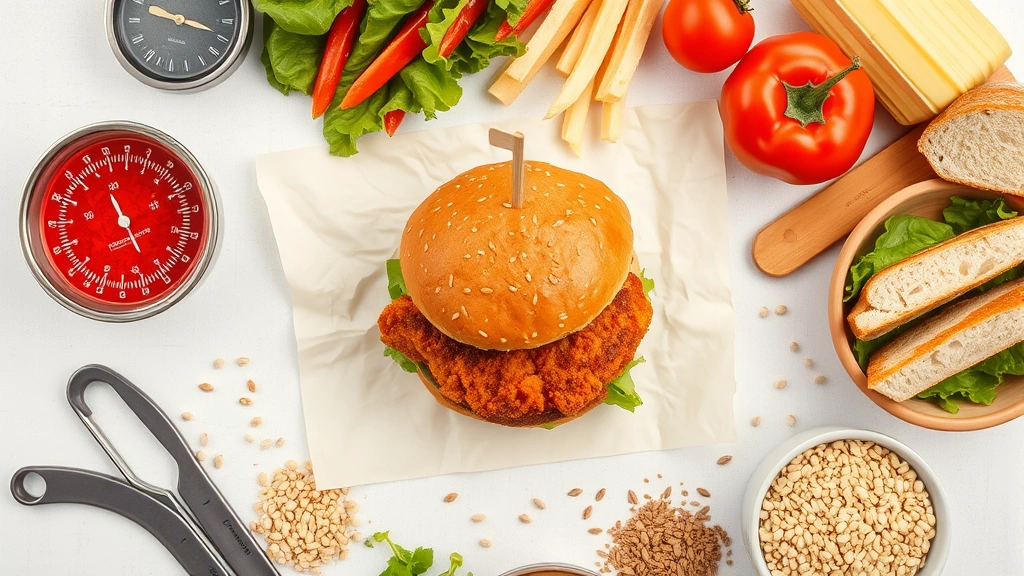
The Burger King Crispy Chicken Sandwich contains approximately 660 calories per serving, with the following nutritional profile based on official Burger King nutrition information. This sandwich consists of a crispy fried chicken breast fillet, mayonnaise-based sauce, pickles, and a sesame seed bun. Each component contributes distinct nutritional values that together create a meal requiring thoughtful dietary consideration.
The macronutrient composition breaks down as follows: approximately 40 grams of carbohydrates, 32 grams of protein, and 37 grams of total fat. Of the fat content, roughly 7 grams come from saturated fat, with trace amounts of trans fat present due to the frying process. The sandwich provides minimal fiber (approximately 2 grams) and contains about 11 grams of sugar, primarily from the bun and sauce components.
Micronutrient analysis reveals moderate iron content (approximately 2.7 milligrams), calcium (approximately 100-120 milligrams), and sodium levels that warrant careful examination. The sandwich provides some B vitamins, particularly niacin and thiamine from the enriched flour bun, along with selenium from the chicken protein. However, micronutrient density remains relatively low compared to whole-food alternatives, which is typical for processed fast-food items.

Calorie and Macronutrient Analysis
At 660 calories, the Burger King chicken sandwich represents a substantial portion of daily caloric intake for most adults. For individuals following a 2,000-calorie diet—the standard used for nutritional labeling—this single sandwich accounts for approximately 33 percent of daily calories. This percentage becomes significant when considering that most people consume additional meals and snacks throughout the day.
The protein content of 32 grams places this sandwich in a favorable position for satiety and muscle maintenance. This protein level compares reasonably well to many lunch options and can help stabilize blood sugar when consumed with adequate vegetables or fruits. However, the protein-to-calorie ratio (roughly 0.48 grams per calorie) suggests that a substantial portion of calories derive from fat and refined carbohydrates rather than protein.
The carbohydrate composition deserves particular attention. The 40 grams of carbohydrates come primarily from refined sources—the enriched wheat bun contributes the majority, with minimal whole grain content. This refined carbohydrate load can produce rapid blood sugar elevation, particularly in individuals with insulin sensitivity concerns or diabetes. The low fiber content (only 2 grams) compounds this issue, as fiber helps moderate glycemic response.
Fat distribution in the sandwich reflects its deep-fried preparation method. The 37 grams of total fat represents approximately 57 percent of the sandwich’s calories from fat. While the saturated fat content (7 grams) falls below the American Heart Association’s recommendation for an entire day, the combination of fried preparation and mayonnaise-based sauce concentrates fat in a single meal item. Research from the American Heart Association emphasizes the importance of distributing fat intake across meals rather than concentrating it in single items.
Sodium Content and Health Implications
The Burger King Crispy Chicken Sandwich contains approximately 1,100-1,200 milligrams of sodium per sandwich. This single item represents nearly 50 percent of the recommended daily sodium intake (2,300 milligrams) established by major health organizations. For individuals with hypertension, heart disease, or kidney concerns, this sodium concentration poses significant dietary challenges.
Sodium comes from multiple sources within this sandwich: the seasoned chicken fillet, the sauce components, the bun preservation, and any added condiments. The cumulative effect creates a meal that substantially elevates daily sodium intake in a single consumption event. For perspective, pairing this sandwich with a typical fast-food beverage and side item could easily result in consuming 1,500-1,600 milligrams of sodium in a single meal.
Chronic excessive sodium intake correlates with elevated blood pressure, increased cardiovascular disease risk, and potential kidney complications. The CDC’s nutrition recommendations emphasize sodium reduction as a public health priority, particularly for individuals managing hypertension. The high sodium content of this sandwich necessitates careful consideration for health-conscious consumers, especially those with existing cardiovascular concerns.
Strategies for mitigating sodium impact include requesting the sandwich without added salt, requesting sauce on the side to control quantity, and balancing the meal with sodium-free beverages and fresh vegetable sides. Additionally, individuals consuming this sandwich should consciously reduce sodium in other meals throughout the day to maintain appropriate daily totals.
Ingredient Quality and Processing
The Burger King chicken sandwich begins with a seasoned chicken breast fillet that undergoes breading and deep-fat frying. This processing method introduces several considerations from a nutritional standpoint. The breading adds refined carbohydrates and sodium while creating a crispy texture through oil absorption. The frying process, while enhancing palatability, concentrates calories and introduces oxidized fat compounds that warrant health consideration.
The sauce component typically contains soybean oil, egg yolks, and various seasonings. This mayonnaise-based preparation contributes substantially to the sandwich’s fat content while adding minimal nutritional value beyond caloric density. The sauce also contains added sugars and sodium, compounding the sandwich’s already-elevated levels of these nutrients.
The sesame seed bun provides structure but contributes refined carbohydrates with minimal whole grain content. Enriched flour, the bun’s primary ingredient, has had naturally occurring nutrients removed during processing and subsequently fortified with synthetic vitamins. While fortification addresses some nutritional gaps, it doesn’t replicate the comprehensive nutrient profile of whole grain alternatives.
From a processing perspective, this sandwich represents a highly processed food item containing multiple ingredients that don’t appear in typical home cooking. A healthy nutrition plan typically emphasizes minimally processed foods, which stands in contrast to this sandwich’s ingredient list. However, occasional consumption of processed foods can fit within balanced dietary approaches when compensated through other meal selections.
How It Compares to Competitors
Comparing the Burger King Crispy Chicken Sandwich to similar offerings from other major fast-food chains provides helpful context for dietary decision-making. Chick-fil-A’s Chicken Sandwich contains approximately 440 calories with 41 grams of protein and 1,100 milligrams of sodium. This competitor option offers superior protein-to-calorie ratio and lower overall caloric content, though sodium levels remain comparable.
McDonald’s Crispy Chicken Sandwich provides roughly 470 calories with 17 grams of protein and 1,060 milligrams of sodium. The significantly lower protein content makes this option less satiating, though the reduced calorie count appeals to some consumers. Wendy’s Crispy Chicken Sandwich delivers approximately 470 calories with 27 grams of protein and 1,070 milligrams of sodium, offering a middle-ground option between competitors.
The Burger King sandwich’s 660-calorie count positions it as the highest-calorie option among major competitors, primarily due to larger portion size and increased fat content. However, it also provides superior protein content compared to McDonald’s offering. Consumers seeking lower-calorie options might prefer Chick-fil-A or Wendy’s alternatives, while those prioritizing protein content might find the Burger King sandwich appealing despite its caloric density.
Where It Fits in Various Diets
Understanding how the Burger King chicken sandwich integrates into various dietary frameworks helps consumers make informed choices aligned with their specific nutritional goals. For individuals following a standard balanced diet emphasizing caloric moderation, this sandwich can function as an occasional lunch option when paired with lower-calorie beverages and vegetable-based sides.
Within a healthy nutrition plan framework, the sandwich’s high sodium and refined carbohydrate content presents challenges. The sandwich works better as an occasional indulgence than as a regular dietary staple. Individuals committed to optimizing their nutritional intake would benefit from more whole-food alternatives featuring grilled chicken, whole grain bread, and vegetable toppings.
For low-carbohydrate or ketogenic diet followers, the 40 grams of carbohydrates from the bun exceeds typical daily carb limits, making this sandwich incompatible with these approaches. Removing the bun would create a viable option, though most fast-food restaurants struggle to accommodate significant menu modifications.
Athletes and individuals focused on muscle building can appreciate the 32 grams of protein, which supports post-workout recovery and muscle protein synthesis. However, the calorie-to-protein ratio suggests that consuming whole-food protein sources with lower fat content would more efficiently support muscle development goals.
For individuals managing diabetes or prediabetes, the refined carbohydrate composition and minimal fiber content create rapid blood sugar elevation risk. The high sodium content also conflicts with cardiovascular health recommendations that often accompany diabetes management. These individuals would benefit from alternative options emphasizing whole grains, lean protein, and vegetable components.
Tips for Optimizing Your Order
If you choose to order the Burger King Crispy Chicken Sandwich, several strategies can optimize its nutritional profile within your overall dietary context. First, request sauce on the side rather than applied to the sandwich, allowing you to control portion size and reduce fat intake. A single sauce packet (approximately 1 tablespoon) rather than the standard application can save 80-100 calories and 9 grams of fat.
Second, pair the sandwich with tips for meal planning that emphasize vegetable inclusion. Request additional lettuce, tomato, and pickles on the sandwich to increase fiber content, add micronutrients, and enhance satiety. These additions contribute minimal calories while improving the meal’s nutritional density.
Third, select beverages strategically. Unsweetened iced tea, water, or black coffee represent superior choices to regular or diet sodas. These beverage selections prevent additional sugar intake while supporting hydration. A typical soda adds 150-200 calories and 39-52 grams of sugar to your meal, substantially impacting overall nutritional quality.
Fourth, balance the sandwich with sodium-conscious choices throughout the day. If consuming this high-sodium sandwich, deliberately reduce sodium in other meals and snacks. Emphasize fresh fruits, vegetables, and unsalted nuts in subsequent meals to maintain appropriate daily sodium totals.
Fifth, consider the timing of consumption relative to physical activity. Consuming this sandwich before or after exercise can strategically position its carbohydrates and protein to support athletic performance and recovery. Post-workout consumption allows the rapid carbohydrate absorption to replenish muscle glycogen, while protein supports muscle repair processes.
Sixth, incorporate strategies to improve nutrient absorption by pairing the sandwich with vitamin C-rich beverages or foods. The vitamin C enhances iron absorption from both the chicken and the enriched bun, optimizing micronutrient utilization.
Finally, practice mindful consumption. Eating slowly, without distractions, and paying attention to satiety cues helps prevent overeating and allows your body’s fullness signals adequate time to register. This approach maximizes satisfaction from the sandwich while supporting appropriate portion control.
Frequently Asked Questions
Is the Burger King Chicken Sandwich healthier than the beef burger?
The chicken sandwich typically offers superior nutritional profile compared to beef burger alternatives. Chicken provides comparable protein with lower saturated fat content, and the sandwich format generally contains fewer calories than many beef burger options. However, both items share concerns regarding sodium, refined carbohydrates, and processing levels. The choice between them should consider individual dietary priorities, with neither representing an optimal choice within a health-focused dietary framework.
Can I eat this sandwich daily?
Daily consumption of the Burger King Crispy Chicken Sandwich poses significant nutritional concerns, particularly regarding sodium intake. Consuming this sandwich daily would result in exceeding recommended sodium limits by approximately 2,100-2,400 milligrams weekly. Additionally, daily consumption of refined carbohydrates, saturated fat, and processed ingredients increases risks for metabolic dysfunction, weight gain, and cardiovascular disease. Occasional consumption (once weekly or less frequently) represents a more appropriate frequency for most health-conscious individuals.
How does this sandwich fit within a 1,200-calorie diet?
At 660 calories, this sandwich represents 55 percent of a 1,200-calorie daily intake, leaving only 540 calories for all other meals and snacks. This allocation creates substantial constraints, making it difficult to consume adequate nutrients from other food sources. Individuals following very low-calorie diets would benefit from alternative lunch options providing fewer calories while delivering superior nutrient density.
What if I have high blood pressure?
The 1,100-1,200 milligrams of sodium in this sandwich represents approximately 48-52 percent of the recommended daily intake for individuals managing hypertension. If you have high blood pressure, consuming this sandwich requires careful sodium management throughout the remainder of the day. Consulting with a registered dietitian can help create a personalized approach to occasional fast-food consumption while maintaining blood pressure management goals. Many cardiologists recommend reserving such high-sodium items for rare occasions rather than regular consumption.
Does the grilled chicken option exist at Burger King?
Burger King’s menu offerings vary by location and change periodically. While some locations may offer grilled chicken options, the standard menu features the crispy fried preparation. Requesting grilled preparation of chicken items may be possible at certain locations, though consistency across franchises varies. Contacting your local Burger King or checking their current menu online can clarify available options at your preferred location.
How much protein does this sandwich really provide?
The 32 grams of protein in the Burger King Crispy Chicken Sandwich represents a substantial amount, equivalent to approximately 4-5 ounces of chicken breast protein. This protein content supports satiety and muscle maintenance, though the accompanying fat and refined carbohydrates reduce the protein efficiency compared to leaner preparations. For context, a grilled chicken breast without breading or fried preparation would provide similar protein with significantly fewer calories and less fat.
What are better alternatives for similar satisfaction?
Alternatives providing similar satisfaction with improved nutritional profiles include grilled chicken sandwiches on whole wheat bread with vegetable toppings, chicken wraps incorporating vegetables and hummus, or chicken salads featuring mixed greens and vinaigrette dressing. Preparing these options at home allows complete control over ingredients, cooking methods, and portion sizes, resulting in meals that provide comparable satisfaction with substantially better nutritional quality.
The Nutrients Pathway Blog contains additional resources exploring whole-food preparation techniques and nutritional optimization strategies for various dietary preferences.
Should I avoid this sandwich entirely?
Avoiding this sandwich entirely depends on your individual health status, dietary goals, and overall eating patterns. For individuals with hypertension, diabetes, or cardiovascular disease, regular consumption warrants medical consideration. For generally healthy individuals, occasional consumption (once monthly or less frequently) as part of an otherwise balanced dietary pattern poses minimal health risk. The key principle involves ensuring that occasional indulgences don’t compromise overall nutritional quality or health outcomes. Rigid food restriction often proves unsustainable, while strategic flexibility within a predominantly whole-food diet framework supports long-term adherence.


