
Cafe Zupas Nutrition Facts: A Dietitian’s Comprehensive Review
Cafe Zupas has become a popular destination for health-conscious diners seeking fresh, customizable meals. With locations across the western United States, this fast-casual chain emphasizes soups, salads, and smoothies that appeal to those tracking their nutritional intake. However, understanding the cafe zupas nutritional value requires diving deeper than marketing claims—examining actual calorie counts, macronutrient distributions, sodium levels, and ingredient quality that matter for your dietary goals.
As a registered dietitian analyzing restaurant nutrition data, I’ve reviewed Cafe Zupas’ menu through a clinical lens. This analysis breaks down their offerings, identifies nutritional standouts and concerns, and provides practical guidance for making informed choices aligned with various dietary approaches. Whether you’re managing weight, following specific eating patterns, or simply seeking balanced nutrition, understanding what you’re actually consuming at Cafe Zupas is essential.
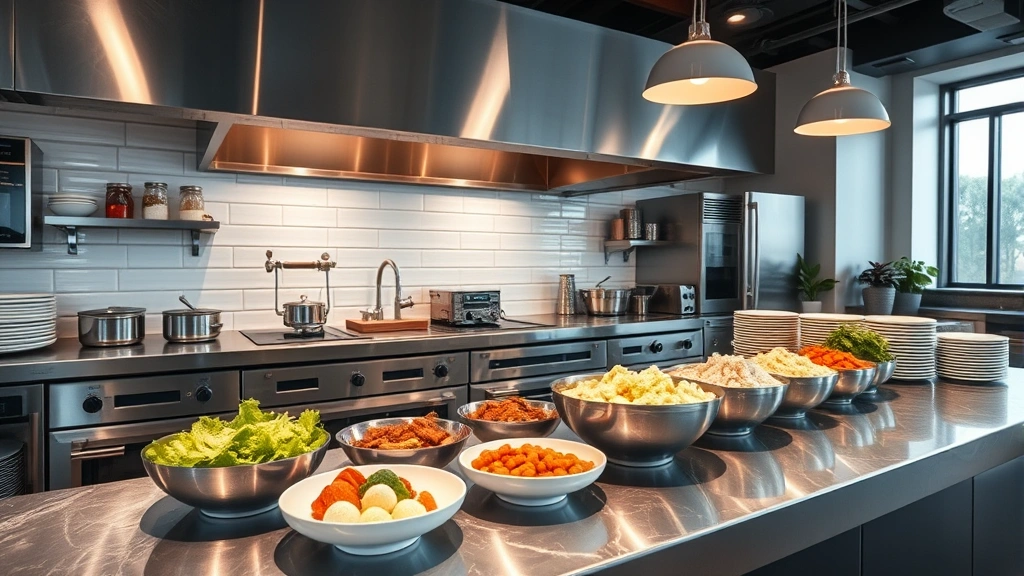
Cafe Zupas Menu Overview and Nutritional Philosophy
Cafe Zupas positions itself as a health-forward alternative to traditional fast food, emphasizing fresh ingredients, made-to-order customization, and transparent nutrition information. Their core menu revolves around three primary categories: artisan soups, signature salads, and blended smoothies. The chain’s nutritional philosophy centers on whole foods, seasonal produce, and portion control—principles aligned with contemporary nutrition science.
However, the gap between marketing messaging and actual nutritional reality warrants examination. While the restaurant provides detailed nutrition facts through their website and in-store materials, many customers don’t review this data before ordering. This creates a disconnect where perception of healthfulness doesn’t always match macronutrient composition. According to Pew Research Center studies on consumer eating habits, approximately 60% of fast-casual diners don’t check nutritional information before purchasing.
The restaurant’s transparency about ingredients represents a genuine strength. Cafe Zupas publishes complete allergen information, calorie counts, and nutritional breakdowns for every menu item. This accessibility allows customers to make data-driven decisions—if they choose to utilize the information. Understanding how to interpret this data becomes crucial for optimizing your choices.
Cafe Zupas’ seasonal menu rotation also affects nutritional consistency. Winter soups differ substantially from summer offerings in terms of calorie density, fiber content, and vegetable variety. Spring and fall transitions introduce ingredients that shift macronutrient profiles. Recognizing these patterns helps you select items aligned with your healthy nutrition plan throughout the year.
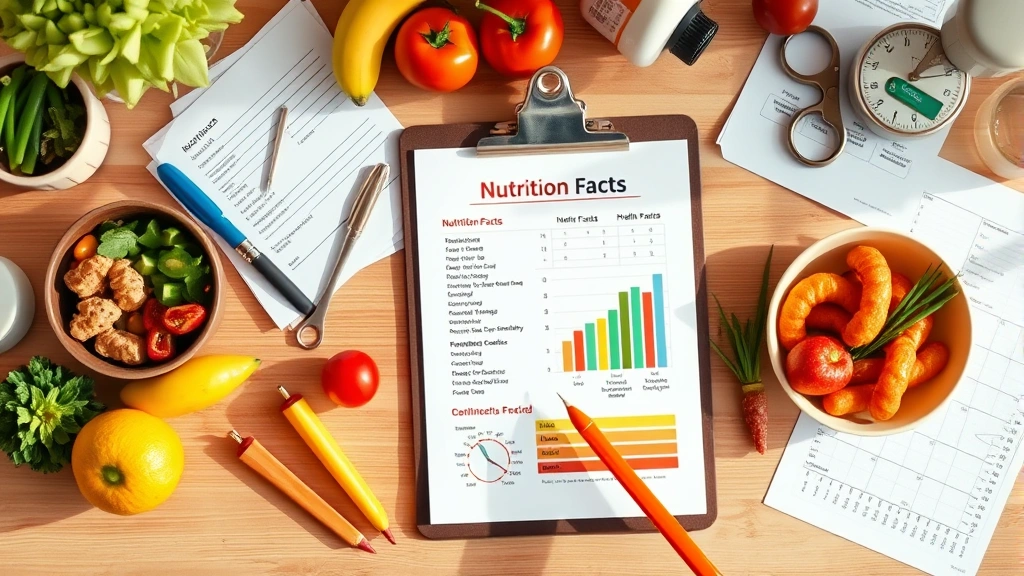
Soup Selections: Calorie Content and Sodium Analysis
Soups represent Cafe Zupas’ signature offering, and they deserve careful nutritional scrutiny. The calorie range varies dramatically—from around 150 calories for lighter broths to 450+ calories for creamy varieties. A small serving (12 oz) typically contains 30-50% fewer calories than a large (20 oz), yet many customers automatically upsize without considering the nutritional implications.
Sodium presents the most significant concern across Cafe Zupas’ soup menu. The American Heart Association recommends limiting daily sodium intake to 2,300 mg, with optimal targets around 1,500 mg. Many Cafe Zupas soups contain 800-1,200 mg of sodium in a single serving—representing 35-50% of daily recommended intake in one meal. This becomes particularly problematic for individuals managing hypertension, heart disease, or fluid retention.
Broth-based soups generally offer better nutritional profiles than cream-based varieties. Vegetable-forward soups provide higher fiber content, supporting digestive health and satiety. Legume-based soups deliver substantial plant-based protein, making them excellent choices for vegetarian diets or those seeking to increase dietary fiber intake. However, even these nutritious options carry sodium concerns requiring awareness.
The restaurant’s rotating seasonal soups introduce nutritional variability. Summer gazpachos typically contain fewer calories and less sodium than winter bisques. Spring vegetable soups often provide superior micronutrient density through fresh produce. Understanding these seasonal patterns allows strategic menu selection aligned with your nutritional objectives.
Pairing soups strategically with other menu items affects overall meal composition. A smaller soup combined with a protein-focused salad creates better macronutrient balance than soup alone. Adding a side salad to a lighter soup increases vegetable intake and fiber content. These combinations require intentional menu navigation but yield significantly improved nutritional outcomes.
Salad Options: Protein and Fat Considerations
Cafe Zupas’ salad selections range from 200-800 calories depending on protein choice, dressing volume, and added ingredients. The base salad greens provide excellent micronutrient density—typically featuring mixed greens, spinach, and seasonal vegetables. However, calorie escalation occurs through dressing, proteins, and add-ons that customers may not fully account for when ordering.
Protein options significantly impact nutritional profiles. Grilled chicken breast adds approximately 150-200 calories with minimal fat. Turkey provides similar caloric density with slightly higher protein concentration. Beef options contain more saturated fat and calories—around 250-300 per serving. Vegetarian protein sources like chickpeas or tofu offer plant-based alternatives, though oil-based preparation methods increase caloric content compared to animal proteins.
Dressings represent a critical nutritional consideration that many diners overlook. Full-portion dressing servings can add 250-400 calories to an otherwise moderate salad. Oil-based dressings contain approximately 120 calories per tablespoon, meaning standard restaurant portions (2-3 tablespoons) dramatically shift macronutrient ratios toward fat. Requesting dressing on the side and using portion control transforms salad nutrition substantially.
Cheese additions, nuts, seeds, and croutons further elevate caloric content. While these ingredients provide nutritional benefits—nuts offer healthy fats and minerals, cheese contributes calcium and protein—portion awareness remains essential. A salad with full cheese, nuts, and creamy dressing can exceed 700 calories while providing minimal protein relative to caloric density.
The salad-soup combination represents an intelligent nutritional strategy at Cafe Zupas. Pairing a protein-focused salad with a small broth-based soup creates satisfying meal volume while maintaining reasonable calorie counts. This approach maximizes vegetable intake, provides adequate protein, and allows for better appetite satiation than either component alone.
For those following nutrition facts about avocados or tracking macronutrients precisely, Cafe Zupas provides the transparency needed for accurate calculations. Requesting ingredient specifications—such as measuring dressing portions or confirming preparation methods—demonstrates commitment to nutritional accuracy that restaurant staff generally accommodates.
Smoothies and Beverages: Hidden Sugar Concerns
Smoothies present perhaps the most deceptive nutritional category at Cafe Zupas. While marketed as healthy, fruit-based beverages, many smoothie options contain 40-65 grams of sugar in a single serving. This rivals dessert-level sugar content while providing minimal satiety compared to whole foods, creating blood sugar spikes that lead to energy crashes.
The smoothie sugar problem stems from multiple sources: fruit juice bases, added syrups, sweetened yogurt, and whole fruit concentration. A 24-ounce smoothie containing mango, pineapple, strawberry, and yogurt easily reaches 50+ grams of sugar without added sweeteners. This represents approximately 12 teaspoons of sugar—exceeding the American Heart Association’s daily recommendation for women in a single beverage.
Protein powder additions improve smoothie nutritional profiles by increasing satiety and slowing sugar absorption. However, many protein powder options introduce additional sweeteners, negating some benefits. Requesting smoothies with minimal fruit juice, emphasizing whole fruits, and adding protein powder creates more balanced options. Including leafy greens—spinach or kale—adds micronutrient density without significantly increasing sugar content.
Smoothie bowl options provide slightly better nutritional profiles through solid food texture and typically smaller portion sizes. However, granola toppings can add 200+ calories and substantial sugar, potentially offsetting health benefits. Requesting portion-controlled granola and emphasizing nut butter toppings improves macronutrient balance.
For individuals concerned with nutrition and mental health impacts, understanding smoothie sugar content becomes particularly relevant. Blood sugar fluctuations from high-sugar beverages can affect mood, energy, and cognitive function. Selecting lower-sugar smoothie options supports more stable mental health outcomes.
Cafe Zupas’ other beverage options—coffee, tea, water—provide excellent low-calorie choices. Requesting unsweetened beverages and avoiding flavored syrups maintains nutritional integrity while allowing you to enjoy complementary drinks without caloric burden.
Customization Strategies for Healthier Choices
The primary advantage of fast-casual dining at Cafe Zupas lies in customization capabilities. Unlike traditional fast food with fixed menu items, Cafe Zupas empowers customers to modify components, adjust portions, and create personalized meals. Strategic customization transforms the nutritional equation substantially.
For soups, requesting smaller portions combined with vegetable-forward additions creates nutrient-dense meals. Asking for extra vegetables, requesting light on cream-based additions, and choosing broth bases over bisques reduces sodium while increasing fiber. Many customers don’t realize they can request modifications—staff generally accommodates reasonable requests.
Salad customization options include protein selection, dressing portion control, and ingredient elimination. Requesting half portions of cheese, requesting dressing separately for portion control, and adding extra vegetables without additional caloric ingredients optimizes nutritional balance. Protein selection dramatically affects satiety and macronutrient distribution—choosing grilled proteins over fried options reduces unnecessary fat intake.
For smoothies, requesting reduced fruit juice, emphasizing whole fruits, adding protein powder, and including leafy greens creates substantially improved options. Requesting yogurt substitution with plant-based alternatives reduces added sugars. These customizations require communicating with staff but typically involve minimal additional cost.
Understanding portion psychology helps optimize Cafe Zupas ordering. Smaller portions of calorie-dense items combined with larger portions of vegetables, broth, or leafy greens create satisfying meals without excessive caloric intake. This strategy—increasing volume through lower-calorie components—supports both satiety and nutritional goals.
Reviewing the nutrients pathway blog and similar resources before visiting Cafe Zupas enables informed decision-making. Pre-planning menu selections based on your nutritional objectives removes in-the-moment decision fatigue and increases likelihood of making optimal choices.
Comparing Cafe Zupas to Competitor Nutrition Standards
Contextualizing Cafe Zupas’ nutritional offerings requires comparison with direct competitors in the fast-casual soup-and-salad category. Panera Bread, Sweetgreen, and regional competitors offer similar menu categories with varying nutritional approaches.
Panera Bread’s soup options often contain comparable or higher sodium levels to Cafe Zupas, with similar calorie ranges. However, Panera’s salad offerings frequently feature higher-calorie dressings and cheese portions. Sweetgreen emphasizes seasonal ingredients and lower-sodium preparation, though pricing reflects premium positioning. Regional competitors vary substantially in nutritional transparency and ingredient quality.
Cafe Zupas distinguishes itself through transparent nutritional labeling, customization flexibility, and emphasis on fresh ingredients. The restaurant’s commitment to publishing detailed nutrition facts exceeds industry standards, empowering informed decision-making. However, this transparency doesn’t inherently create superior nutritional outcomes—customers must utilize available information strategically.
According to Food Politics research, fast-casual restaurants emphasizing transparency and customization demonstrate higher customer satisfaction and better health outcomes compared to traditional fast food. Cafe Zupas’ positioning aligns with this evidence-based approach.
The restaurant’s ingredient sourcing and preparation methods reflect current nutritional science. Using whole fruits in smoothies rather than concentrates, emphasizing vegetable-forward soups, and offering lean protein options demonstrates alignment with contemporary dietary recommendations. However, sodium levels across menu categories remain a concern relative to nutritional best practices.
For those seeking how to improve nutrient absorption, Cafe Zupas’ fresh ingredient approach supports micronutrient bioavailability. Minimally processed vegetables, whole fruits, and fresh proteins maintain nutrient density better than heavily processed alternatives. This advantage extends Cafe Zupas’ nutritional positioning beyond simple calorie counting.
FAQ
What is the healthiest soup option at Cafe Zupas?
Broth-based vegetable soups with legumes provide optimal nutritional profiles. These options deliver fiber, plant-based protein, and micronutrients while maintaining moderate calorie counts (typically 200-300 calories per small serving). However, sodium content remains a consideration—requesting reduced-salt preparation when possible supports heart health goals.
How many calories should I expect from a Cafe Zupas salad?
Salad calorie content ranges dramatically based on protein selection and dressing volume. A basic salad with grilled chicken and light dressing typically contains 400-500 calories. Full-portion creamy dressing, cheese, and nuts can elevate this to 700+ calories. Requesting dressing on the side and controlling portions reduces caloric density substantially.
Are Cafe Zupas smoothies healthy despite sugar content?
Smoothies contain significant sugar content—often 40-65 grams per serving—limiting their health profile. While they provide fruit-based micronutrients, the sugar concentration creates blood sugar spikes without adequate satiety. Requesting modifications—reduced juice, added protein powder, leafy greens—improves nutritional outcomes substantially.
Can I customize menu items for specific dietary needs?
Yes, Cafe Zupas emphasizes customization. Staff accommodates requests for reduced sodium, eliminated ingredients, protein substitutions, and portion adjustments. Communicating specific dietary needs enables menu modifications aligned with your nutritional objectives.
How does Cafe Zupas compare nutritionally to competitors?
Cafe Zupas offers competitive nutritional transparency and customization options. Sodium levels across categories match or exceed competitor standards, though ingredient quality and customization flexibility often exceed industry norms. Direct comparison depends on specific menu items and individual dietary goals.
What macronutrient ratio should I target at Cafe Zupas?
Optimal macronutrient distribution depends on individual dietary approaches. Generally, 40-50% carbohydrates, 25-35% protein, and 25-35% fat supports balanced nutrition. Pairing protein-focused items with vegetable-based options and controlling fat-dense additions achieves these targets at Cafe Zupas.


