Cantina Chicken Bowl Facts: Dietitian Insights on Nutrition & Health Impact
The cantina chicken bowl has become a staple in casual dining establishments across North America, offering consumers a seemingly balanced meal option that combines protein, vegetables, and grains. Yet behind the appeal of this convenient dish lies a complex nutritional profile that warrants deeper examination. Understanding what goes into your bowl—from caloric density to sodium content to micronutrient composition—empowers you to make informed dietary choices that align with your health goals.
As nutrition professionals increasingly scrutinize popular fast-casual menu items, the cantina chicken bowl emerges as a case study in how restaurant portions, ingredient choices, and preparation methods significantly impact overall nutritional value. This comprehensive guide explores the facts, figures, and dietitian recommendations surrounding this ubiquitous menu item, helping you navigate your next order with confidence and clarity.
Nutritional Breakdown of a Typical Cantina Chicken Bowl
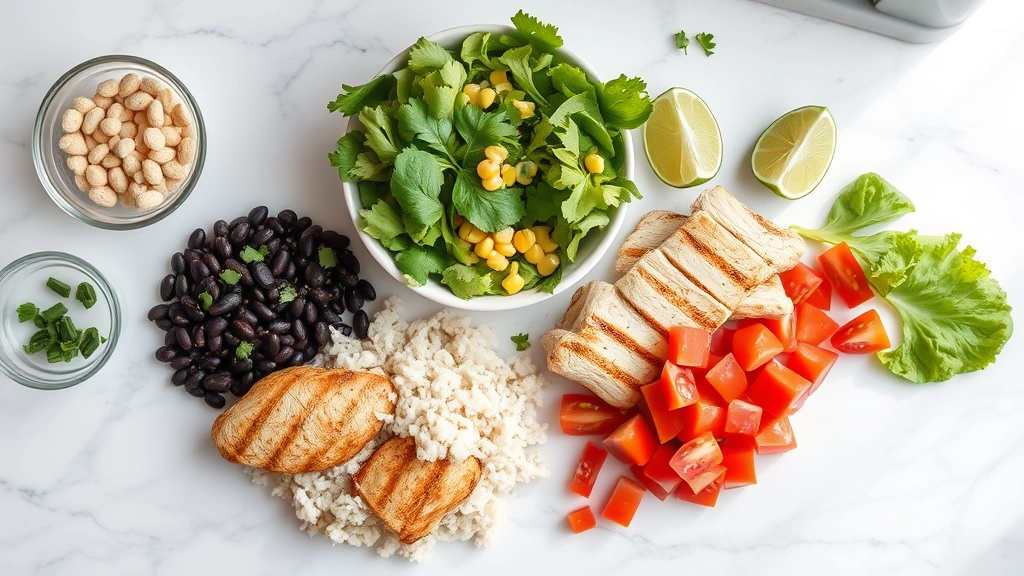
A standard cantina chicken bowl typically comprises several key components: grilled or seasoned chicken breast, a bed of rice (often cilantro-lime), black beans or pinto beans, corn, salsa, cheese, sour cream, and lettuce. The bowl’s base usually contains 300-400 calories before any protein is added, and when fully assembled with standard portions, the total caloric load often reaches 650-850 calories—representing roughly one-third to one-half of a typical 2,000-calorie daily diet.
Dietitians examining these bowls note significant variation depending on the establishment and specific preparation methods. Some restaurants use seasoned rice with added fats, while others offer cauliflower rice as a lower-calorie alternative. The protein source, while labeled as chicken, may vary in fat content based on whether it’s breast meat or includes thighs and skin. Understanding these baseline nutritional facts allows consumers to make more strategic choices about portion control and ingredient selection.
According to research from the Pew Research Center’s eating habits studies, consumers increasingly seek transparency in restaurant nutrition information, with 68% of diners checking nutritional content before ordering. This shift reflects growing awareness that seemingly healthy menu items may harbor hidden caloric and sodium surprises. The cantina chicken bowl, despite its health-forward branding, often falls into this category.
Caloric Content and Macronutrient Distribution
Breaking down the macronutrient composition reveals why dietitians often recommend modifications to standard cantina chicken bowls. A typical 750-calorie bowl distributes nutrients approximately as follows: 35-40% carbohydrates (75-100g), 25-30% protein (45-65g), and 30-35% fat (25-30g). While this distribution theoretically aligns with general dietary guidelines, the source and quality of these macronutrients warrant examination.
The carbohydrate content derives primarily from rice and beans, both contributing valuable fiber and resistant starch. However, white rice—the most common variety in fast-casual restaurants—lacks the nutritional density of brown rice or whole grains. A single serving of cilantro-lime rice can contain 200-250 calories with minimal micronutrient contribution beyond basic carbohydrates. For context, check out our detailed guide on building a healthy nutrition plan to understand better macronutrient balance strategies.
Protein content in cantina chicken bowls typically ranges from 25-35 grams per serving, sourced entirely from the chicken component. While this represents a respectable protein contribution, the quality depends on cooking method and fat content. Grilled chicken breast provides lean protein with approximately 165 calories and 31 grams of protein per 3.5-ounce serving, making it an efficient protein source. However, when restaurants add oil during cooking or use darker meat portions, the protein-to-calorie ratio becomes less favorable.
Fat content proves particularly important for satiety and nutrient absorption, yet much of the fat in standard bowls comes from added oils, cheese, and sour cream rather than whole-food sources. Registered Dietitian Nutritionists (RDNs) often recommend that 20-35% of daily calories derive from fat, with emphasis on unsaturated fats from sources like avocados, nuts, and olive oil. The saturated fat content in typical cantina bowls—often 6-10 grams—can represent 30-50% of the recommended daily intake, depending on individual dietary needs.
Sodium Levels and Heart Health Considerations
Perhaps the most concerning aspect of cantina chicken bowls from a dietitian perspective involves sodium content. A single bowl frequently contains 1,200-1,600 mg of sodium—approaching or exceeding half the recommended daily limit of 2,300 mg established by the American Heart Association. This excessive sodium stems from multiple sources: seasoned chicken, salted rice, canned beans, cheese, sour cream, and salsa.
The cardiovascular implications prove significant, particularly for individuals with hypertension, heart disease, or family histories of these conditions. Chronic excess sodium consumption elevates blood pressure, increases arterial stiffness, and raises risk for stroke and myocardial infarction. Yet many consumers remain unaware of sodium’s cumulative effects throughout the day, particularly when consuming multiple processed or restaurant foods.
Dietitians recommend requesting specific modifications to reduce sodium: asking for no added salt on rice, requesting low-sodium salsa, and limiting cheese and sour cream portions. Many establishments now provide detailed sodium breakdowns upon request, enabling informed decision-making. The American Heart Association’s nutrition guidance emphasizes that reducing sodium to 1,500 mg daily provides maximum cardiovascular benefit, making restaurant meal modifications essential for health-conscious consumers.
Protein Quality and Amino Acid Profile
Evaluating protein quality extends beyond simple gram counts to encompassing amino acid composition and digestibility. Chicken breast ranks among the highest-quality animal proteins, containing all nine essential amino acids in optimal proportions for human nutrition. The Protein Digestibility Corrected Amino Acid Score (PDCAAS) for chicken is 1.0, representing the highest possible rating—meaning your body can utilize virtually all the protein consumed.
However, protein quality depends critically on cooking method and temperature. Overcooking chicken—a common practice in high-volume restaurant settings—can denature proteins and reduce amino acid bioavailability. Additionally, when chicken is combined with refined carbohydrates and limited vegetables in a single meal, the amino acid profile becomes less complementary for muscle protein synthesis. For athletes and individuals focused on muscle development, pairing cantina bowls with additional protein sources or strength training becomes particularly important.
The beans component, while not a complete protein on their own, contains complementary amino acids that enhance overall protein quality when combined with grains. This ancient nutritional principle—exemplified by rice and beans combinations—creates a complete amino acid profile superior to either component alone. Learn more about optimizing protein intake in our guide to nutrition for athletes and performance optimization.
Vegetable Components and Micronutrients
Beyond macronutrients, the micronutrient density of cantina chicken bowls varies considerably based on vegetable inclusion and quality. Standard components include corn, lettuce, and tomato-based salsa, each contributing specific vitamins and minerals. Corn provides lutein and zeaxanthin—carotenoids crucial for eye health—along with B vitamins and magnesium. Lettuce contributes minimal calories while offering vitamin K and folate. Salsa, when prepared fresh, provides lycopene from tomatoes, supporting cardiovascular and prostate health.
However, most fast-casual cantina bowls skimp on vegetable variety, often containing fewer vegetables than nutritionists recommend. A single serving of lettuce and corn provides approximately 2-3 grams of dietary fiber, falling short of the 25-30 grams daily recommended for adults. This fiber deficit impacts digestive health, blood sugar regulation, and satiety. Dietitians frequently recommend requesting double vegetables or substituting rice with additional vegetable servings to increase micronutrient density and fiber content.
Black beans, a standard cantina bowl component, deserve particular attention for their nutritional profile. Rich in anthocyanins—powerful antioxidant compounds—black beans support cardiovascular health and may reduce inflammation. They also provide iron, magnesium, and manganese, though the iron is less bioavailable than heme iron from animal sources. Pairing beans with vitamin C sources like salsa enhances non-heme iron absorption, making the combination particularly synergistic nutritionally.
For those seeking to maximize micronutrient intake, requesting guacamole or avocado adds exceptional nutritional value. Avocados provide potassium, vitamin E, and heart-healthy monounsaturated fats—nutrients often deficient in standard American diets. Though avocado increases caloric content by 60-80 calories and $2-3 in cost, the micronutrient and healthy fat contribution justifies the addition from a dietitian perspective.
Customization Strategies for Healthier Choices
The beauty of cantina chicken bowl formats lies in their customizability—a feature savvy consumers can leverage to align meals with personal health objectives. Dietitians recommend several evidence-based modifications that reduce calories, sodium, and saturated fat while increasing nutrient density:
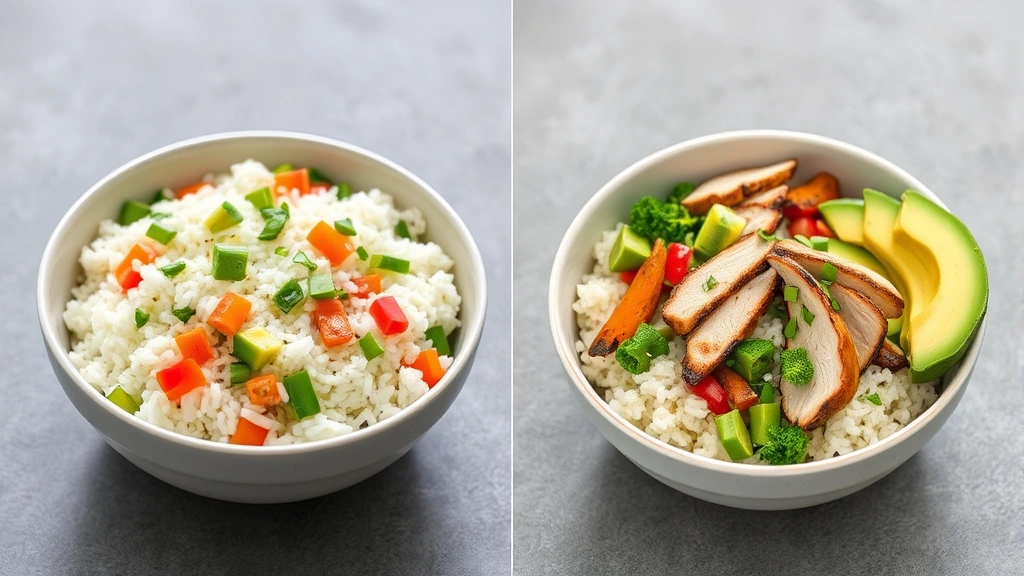
- Rice substitution: Request cauliflower rice, brown rice, or a 50/50 blend to reduce simple carbohydrates while increasing micronutrient density and fiber.
- Protein optimization: Choose grilled chicken breast specifically, request no added oil, and ask for double portions if protein goals exceed 40 grams.
- Vegetable maximization: Request double vegetables, emphasizing leafy greens and colorful options like bell peppers, cilantro, and radishes when available.
- Sodium reduction: Specify no salt on rice, request fresh salsa rather than bottled, and limit cheese to 1/4 cup portions.
- Healthy fat addition: Add guacamole or request olive oil drizzle instead of sour cream for superior fat quality and micronutrient profile.
- Sauce strategy: Request dressing on the side to control portion and caloric intake, selecting cilantro-lime vinaigrette over creamy options.
These modifications typically reduce overall calories by 100-200 while maintaining satiety through increased protein and fiber. Research from nutrition journals confirms that consumer education regarding menu customization significantly improves meal quality without requiring restaurants to reformulate existing offerings.
Comparison with Other Fast-Casual Options
Contextualizing cantina chicken bowls within the broader fast-casual dining landscape reveals how this option compares nutritionally to competitors. A typical burrito contains 950-1,200 calories—25-50% more than a bowl—due to larger rice portions and additional tortilla calories. Tacos offer portion control advantages but typically lack vegetable variety. Salads, while lower in calories (400-600), often rely on calorie-dense dressings that undermine their health profile.
Compared to traditional fast food chains, cantina establishments generally offer superior nutritional choices: chicken options rather than processed meats, whole bean components rather than refried varieties, and vegetable inclusion as standard. However, compared to home-prepared meals, restaurant bowls typically contain 2-3 times more sodium and lack the customization control available in home cooking.
The National Center for Biotechnology Information publishes extensive research on restaurant nutrition and its health impacts, consistently finding that frequent consumption of restaurant meals—regardless of apparent healthfulness—correlates with higher body weight and cardiovascular disease markers. This reflects not just individual meal composition but cumulative sodium, saturated fat, and caloric intake from multiple restaurant visits weekly.
For individuals seeking the cantina bowl experience with maximum nutritional benefit, understanding these comparisons enables strategic choices. Alternating between cantina bowls and home-prepared meals, requesting specific modifications, and monitoring sodium intake across all meals provides a balanced approach to occasional restaurant dining within an overall healthy dietary pattern. Explore our comprehensive resource on nutrition facts and dietary guidance for additional meal planning strategies.
The relationship between diet and mental health also warrants consideration; regular consumption of nutrient-dense meals supports cognitive function and mood stability. Learn more about how nutrition impacts mental health and brain function to understand the broader implications of dietary choices. Additionally, adequate dietary fiber supports digestive health and overall wellness, making fiber-focused modifications to cantina bowls particularly valuable.
Frequently Asked Questions
How many calories are in a typical cantina chicken bowl?
A standard cantina chicken bowl contains 650-850 calories depending on portion sizes, preparation methods, and specific ingredients. This represents approximately 30-40% of a 2,000-calorie daily diet. Modifications like substituting rice for cauliflower rice or reducing cheese portions can decrease caloric content by 100-200 calories.
Is a cantina chicken bowl considered healthy?
Cantina chicken bowls can be part of a healthy dietary pattern when modified appropriately. The combination of lean protein, whole grains, and vegetables provides nutritional value. However, standard preparations often contain excessive sodium (1,200-1,600 mg) and saturated fat, requiring customization for optimal health benefits. Dietitians recommend requesting specific modifications rather than accepting standard preparation.
What modifications reduce sodium in cantina bowls?
Requesting no added salt on rice, choosing fresh salsa over bottled varieties, limiting cheese to 1/4 cup, and requesting sour cream on the side can collectively reduce sodium by 400-600 mg. These modifications preserve flavor while reducing cardiovascular risk associated with excess sodium consumption.
Does a cantina chicken bowl provide adequate protein?
Standard cantina bowls contain 25-35 grams of protein, meeting the daily requirement for many individuals (0.8 g/kg body weight). However, athletes and individuals with muscle-building goals may require additional protein sources. Requesting double chicken portions increases protein content to 50-70 grams without substantially increasing caloric intake.
Are there vegetarian options in cantina chicken bowls?
Most establishments offer vegetarian modifications, substituting chicken with tofu, beans as the primary protein, or additional vegetables. Vegetarian bowls typically provide 15-25 grams of protein from combined bean and cheese sources, though additional protein supplementation may be necessary for individuals with elevated protein requirements.
How does cantina bowl nutrition compare to home-prepared meals?
Home-prepared cantina-style bowls typically contain 30-40% less sodium, more vegetable variety, and superior control over ingredient quality. However, restaurant versions offer convenience and consistent portion sizing. For optimal health outcomes, alternating between home-prepared and restaurant meals while requesting modifications to restaurant versions provides balanced nutrition and lifestyle sustainability.


