Cheerios Nutrition Facts: Dietitian Insights on America’s Beloved Breakfast Cereal
Cheerios has been a staple on American breakfast tables for over 80 years, with generations of families starting their mornings with this iconic oat-based cereal. But what exactly are you consuming when you pour a bowl? Beyond the familiar taste and satisfying crunch lies a complex nutritional profile that deserves closer examination. As a dietitian-reviewed analysis, this guide breaks down the Cheerios nutrition facts with scientific precision, helping you understand whether this breakfast classic aligns with your health goals.
The cereal market has evolved dramatically, with consumers increasingly scrutinizing ingredient lists and nutritional labels. Cheerios occupies an interesting position in this landscape—positioned as a heart-healthy option while competing in a category often dominated by higher-sugar alternatives. Understanding the nutritional reality of Cheerios requires looking beyond marketing claims to examine actual macronutrients, micronutrients, and how this cereal fits into a healthy nutrition plan.
Complete Nutritional Breakdown Per Serving
A standard serving of original Cheerios consists of one cup (28 grams) and delivers approximately 100 calories—a relatively modest amount that makes portion control straightforward. The macronutrient distribution reveals 2 grams of protein, 19 grams of carbohydrates, and 2 grams of fat, with less than 1 gram of saturated fat. This composition reflects the cereal’s emphasis on whole grains as the primary ingredient, with minimal added fats.
When examining the complete nutritional profile, sodium content registers at 190 milligrams per serving, representing about 8% of the daily recommended intake. This moderate sodium level distinguishes Cheerios from many competitors, particularly important for individuals managing hypertension or following nutrition care protocols. The presence of 3 grams of dietary fiber per serving demonstrates the whole grain contribution, though this amount represents only about 12% of the daily recommended fiber intake.
Cholesterol content measures zero milligrams, a significant marketing point that has contributed to Cheerios’ reputation as a heart-healthy option. This characteristic aligns with the cereal’s FDA-approved health claim regarding oat consumption and cardiovascular health. The absence of trans fats further supports its positioning in the healthier cereal category, particularly compared to heavily processed alternatives.
Macronutrient Analysis and Composition
The macronutrient structure of Cheerios reflects its formulation as a whole-grain breakfast option. With carbohydrates comprising approximately 76% of total calories per serving, the cereal functions primarily as an energy source. However, the quality of these carbohydrates matters significantly. Whole grain oats provide complex carbohydrates with a lower glycemic index than refined grain alternatives, meaning slower blood sugar elevation and more sustained energy release.
Protein content at 2 grams per serving, while modest, contributes to satiety when combined with milk or other protein sources. Research published in Nutrients Journal demonstrates that pairing whole-grain cereals with protein-rich dairy or plant-based milk enhances appetite suppression and reduces mid-morning snacking. This synergistic effect makes Cheerios particularly effective when integrated into a comprehensive meal planning strategy.
Fat composition deserves particular attention. The 2 grams of total fat includes polyunsaturated and monounsaturated fats from oats, which contain beneficial compounds like beta-glucans. These soluble fibers have been extensively studied and demonstrate cholesterol-lowering properties. The minimal saturated fat content (less than 0.5 grams) aligns with American Heart Association recommendations limiting saturated fat to 5-6% of daily calories.
The ratio of macronutrients—approximately 76% carbohydrates, 8% protein, and 18% fat—positions Cheerios as a carbohydrate-focused breakfast that requires complementary protein and fat sources for nutritional balance. Consuming Cheerios with whole milk, Greek yogurt, nuts, or seeds creates a more complete nutritional profile that better supports sustained energy and metabolic function.

Micronutrients and Fortification Strategy
General Mills, the manufacturer, fortifies Cheerios with essential micronutrients to enhance its nutritional profile. Each serving provides 45% of the daily value for iron, a critical mineral for oxygen transport and cognitive function. This fortification strategy proves particularly valuable for populations at risk of iron deficiency, including menstruating women and vegetarians. The iron used in fortification is typically ferrous sulfate, a highly absorbable form that demonstrates superior bioavailability compared to some plant-based iron sources.
Vitamin B12 fortification delivers 25% of the daily value per serving, addressing deficiency risks in populations consuming limited animal products. B12 supports neurological function, red blood cell formation, and DNA synthesis. The inclusion of this water-soluble vitamin reflects recognition that many breakfast cereals represent a significant micronutrient source for American consumers, particularly children.
Additional micronutrient fortification includes:
- Vitamin D: 10% of daily value, supporting calcium absorption and immune function
- Vitamin C: 10% of daily value, enhancing iron absorption and supporting immune health
- Thiamine (B1): 25% of daily value, essential for carbohydrate metabolism
- Niacin (B3): 25% of daily value, supporting energy production and DNA repair
- Vitamin B6: 25% of daily value, critical for neurotransmitter synthesis
- Folate: 50% of daily value, essential for cell division and DNA synthesis
- Phosphorus: 10% of daily value, supporting bone health and energy metabolism
- Zinc: 25% of daily value, supporting immune function and protein synthesis
This comprehensive fortification strategy reflects evidence-based nutrition science. According to research from the Pew Research Center, fortified cereals contribute significantly to meeting micronutrient requirements in populations with limited dietary diversity. The fortification approach demonstrates how processed foods can be engineered to support public health objectives.
Fiber Content and Digestive Health
Dietary fiber represents one of Cheerios’ most nutritionally significant components. With 3 grams of fiber per serving—predominantly from whole grain oats—the cereal supports digestive health and promotes satiety. This fiber content originates from the oat bran, which contains both soluble and insoluble fiber in beneficial proportions.
Soluble fiber, particularly beta-glucan, represents approximately 50% of Cheerios’ total fiber content. Beta-glucan has undergone extensive clinical research demonstrating its capacity to reduce LDL cholesterol levels by 5-10% when consumed regularly. The FDA permits health claims regarding oats and heart disease risk reduction based on compelling evidence from multiple clinical trials. A meta-analysis published in the American Journal of Clinical Nutrition confirmed that consuming 3 grams of beta-glucan daily produces measurable cholesterol reduction.
Insoluble fiber supports bowel regularity and promotes beneficial gut microbiota growth. The combination of fiber types in Cheerios creates a synergistic effect that enhances digestive function more effectively than either fiber type alone. For individuals seeking to increase fiber intake, Cheerios provides an accessible entry point, though additional fiber sources throughout the day remain necessary to meet the 25-38 gram daily recommendation.
Digestive health extends beyond fiber quantity to include prebiotic effects. Whole grain oats contain compounds that selectively feed beneficial bacteria species, supporting microbiome diversity. This mechanism contributes to improved metabolic health, enhanced immune function, and reduced inflammation markers. The relationship between breakfast cereal consumption and long-term digestive health has received increasing scientific attention in recent years.
Sugar Content and Glycemic Impact
Original Cheerios contains 1 gram of sugar per serving—a remarkably low amount that distinguishes it from most breakfast cereals. This minimal sugar content reflects the cereal’s formulation using only the oat grain without added sweeteners. The naturally occurring sugars come from lactose when combined with milk, rather than from the cereal itself.
This low-sugar profile has significant implications for blood glucose management and metabolic health. The glycemic index of original Cheerios measures approximately 74, classified as moderate-to-high on the glycemic index scale. However, when consumed with milk and protein sources, the overall meal’s glycemic response decreases substantially due to the protein and fat content slowing carbohydrate absorption.
Compared to competing breakfast cereals, Cheerios’ sugar advantage becomes apparent. Many popular cereals contain 10-15 grams of sugar per serving, representing 40-60% of a child’s recommended daily sugar intake from a single bowl. This distinction has contributed significantly to Cheerios’ market positioning and sustained consumer preference among health-conscious families.
For individuals managing diabetes or prediabetes, Cheerios can fit within appropriate meal plans when paired strategically with protein and fat sources. The combination of whole grain carbohydrates, fiber, and minimal added sugar creates a breakfast option that supports stable blood glucose levels better than highly processed alternatives. However, nutrition solutions for blood sugar management should be personalized based on individual metabolic responses.
Cheerios Varieties Compared
General Mills manufactures numerous Cheerios variants, each with distinct nutritional profiles. Understanding these differences enables informed selection based on individual dietary goals and preferences.
Original Cheerios remains the baseline product with 1 gram sugar, 3 grams fiber, and 100 calories per serving. This version continues to deliver the classic nutritional profile that established the brand’s health reputation.
Honey Nut Cheerios contains 12 grams of sugar per serving, a significant increase driven by added honey flavoring. While still lower than many competitors, this version represents a substantial dietary departure from the original. The added sugars elevate caloric content to 120 calories per serving.
Cheerios Protein addresses the protein limitation of original Cheerios by delivering 4 grams of protein per serving through added whey protein concentrate. This modification makes the cereal more suitable as a standalone breakfast without requiring additional protein sources.
Multi-Grain Cheerios incorporates whole grain wheat, corn, and oats, providing enhanced micronutrient diversity. The fiber content increases slightly to 3.5 grams per serving, supporting digestive health more effectively than the original formula.
Cheerios Medley Crunch blends oat cereal with granola pieces and dried fruit, creating a more indulgent product with elevated sugar content (6 grams per serving) and increased caloric density.
Gluten-Free Cheerios maintains nutritional equivalence to original Cheerios while accommodating celiac disease and gluten sensitivity. The formulation ensures zero gluten contamination, making it appropriate for affected populations.
The variety expansion reflects market segmentation strategies targeting diverse consumer needs. However, the original formula remains nutritionally superior for most consumers seeking sustained satiety, stable blood glucose, and minimal added sugars.
How Cheerios Fits Your Diet
Integrating Cheerios into a balanced diet requires understanding how breakfast cereals function within comprehensive nutritional frameworks. Cheerios serves as an effective whole-grain foundation that should be complemented with protein and fat sources to create metabolic balance.
For weight management objectives, Cheerios’ low caloric density (approximately 3.6 calories per gram) and high satiety index make it valuable for individuals seeking to reduce overall energy intake. The combination of whole grain carbohydrates and fiber promotes prolonged fullness compared to refined grain alternatives. Research from nutrition science indicates that whole grain breakfast consumption predicts better long-term weight maintenance than refined grain options.
For cardiovascular health, Cheerios’ heart health claim has substantial scientific support. The oat beta-glucans demonstrably reduce LDL cholesterol, while the absence of trans fats and minimal saturated fat content align with American Heart Association recommendations. Regular consumption as part of a heart-healthy dietary pattern contributes to improved lipid profiles and reduced cardiovascular disease risk.
For diabetes management, Cheerios can be incorporated into diabetic meal plans when portion-controlled and combined with adequate protein and fat. The soluble fiber helps moderate postprandial glucose excursions, though individual responses vary based on metabolic factors. Consulting with nutrition solutions specialists ensures personalized recommendations aligned with individual blood glucose targets.
For athletic performance, Cheerios’ carbohydrate content supports pre-exercise energy availability, though the modest protein content necessitates complementary protein consumption. Athletes benefit from Cheerios as part of a complete breakfast but should not rely on cereal alone for post-exercise recovery nutrition.
For gastrointestinal health, Cheerios’ soluble fiber content supports beneficial microbiota growth and digestive regularity. Individuals transitioning to higher fiber diets should increase Cheerios consumption gradually to allow digestive adaptation and minimize bloating or gas production.
Practical Serving Recommendations
Optimizing Cheerios’ nutritional benefits requires strategic consumption approaches that maximize satiety and nutrient absorption.
Portion Control: The standard serving of one cup provides appropriate portions that prevent excessive caloric intake while delivering meaningful fiber and micronutrient content. Using measuring cups ensures consistency and prevents portion creep, a common challenge with breakfast cereals.
Milk Selection: Combining Cheerios with whole milk, 2% milk, or unsweetened plant-based alternatives provides calcium, vitamin D, and protein that enhance the meal’s nutritional completeness. Whole milk’s fat content further slows carbohydrate absorption, moderating glycemic response.
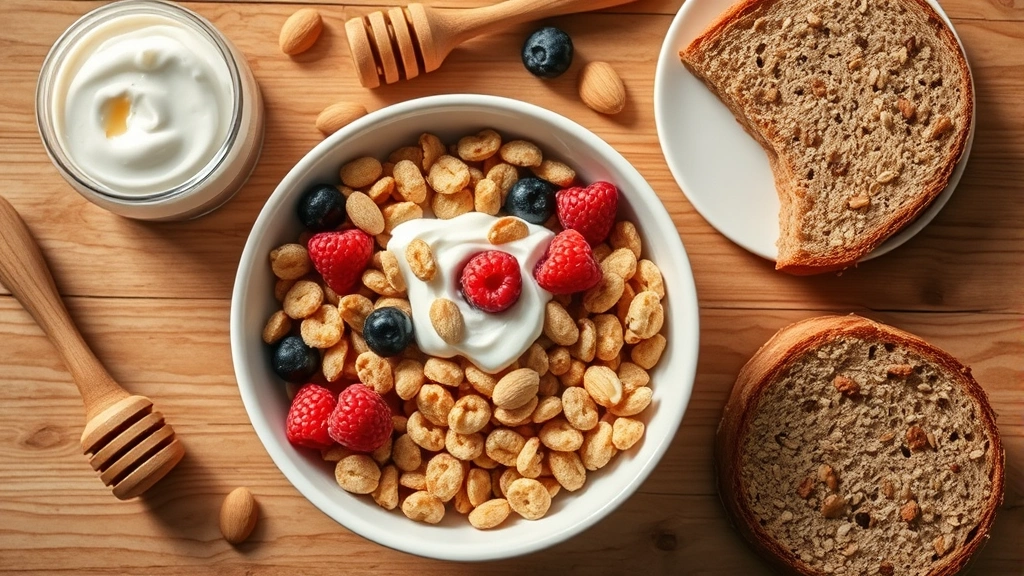
Protein Enhancement: Adding Greek yogurt, nuts, seeds, or nut butters increases protein content to 8-12 grams per serving, substantially improving satiety and supporting muscle protein synthesis. This enhancement proves particularly valuable for older adults seeking to maintain muscle mass.
Fruit Addition: Fresh berries, sliced banana, or other fruits add micronutrients, fiber, and natural sweetness without requiring added sugar. The polyphenols in berries provide antioxidant benefits that complement Cheerios’ whole grain nutrition.
Timing Strategy: Consuming Cheerios as breakfast rather than as a between-meal snack optimizes its satiating effects and establishes stable energy throughout the morning. The sustained carbohydrate energy supports cognitive function during morning work or study sessions.
Consistency Approach: Regular consumption as part of a consistent breakfast routine supports metabolic adaptation and sustained energy availability. Alternating between Cheerios and other whole grain options prevents dietary monotony while maintaining nutritional consistency.
Dietitians frequently recommend Cheerios as a foundation for balanced breakfast construction, particularly for individuals seeking convenient, affordable, and nutritionally sound options. The cereal’s minimal processing and straightforward ingredient list make it appropriate across diverse dietary approaches including Mediterranean, DASH, and whole-food-focused patterns.
Frequently Asked Questions
Are Cheerios appropriate for children’s diets?
Yes, Cheerios are widely recommended by pediatric dietitians as an appropriate breakfast cereal for children. The low sugar content, absence of artificial additives, and high micronutrient fortification make Cheerios particularly suitable for growing children. The minimal choking risk with the small O-shaped pieces makes them accessible for toddlers learning self-feeding skills. However, individual portions should remain age-appropriate, typically 0.5-1 cup depending on child age and overall caloric needs.
Do Cheerios contain allergens?
Original Cheerios are manufactured in facilities that process wheat, milk, soy, and other allergens, creating potential cross-contamination risks for severely allergic individuals. While the product itself contains primarily oats, the manufacturing environment may introduce allergen traces. Individuals with celiac disease or severe gluten sensitivity should select specifically labeled gluten-free Cheerios, which undergo dedicated manufacturing protocols. Those with nut or seed allergies should verify packaging for allergen statements and facility information.
How do Cheerios compare nutritionally to oatmeal?
Steel-cut oats and rolled oats provide similar fiber and micronutrient profiles to Cheerios but in whole, unprocessed form. Prepared oatmeal typically contains more water, resulting in lower caloric density per unit volume but similar nutrient amounts per gram of dry ingredient. Cheerios’ advantage lies in convenience and portion control, while oatmeal offers superior satiety through increased water content and typically higher fiber when prepared with adequate liquid. Both represent excellent breakfast options, with selection depending on individual preferences and time availability.
Can Cheerios support weight loss?
Cheerios can support weight loss when integrated into a caloric deficit and combined with protein sources. The combination of whole grain carbohydrates, fiber, and minimal sugar promotes satiety, potentially reducing overall daily energy intake. However, weight loss fundamentally depends on maintaining consistent caloric deficit—no single food produces weight loss independently. Cheerios’ advantage lies in supporting adherence to caloric restriction through sustained fullness, making it a practical component of weight loss nutrition rather than a weight loss agent itself.
Are Cheerios appropriate for individuals with type 2 diabetes?
Original Cheerios can be incorporated into diabetic meal plans when portion-controlled and combined with adequate protein and fat. The whole grain carbohydrates and soluble fiber moderate postprandial glucose elevation more effectively than refined grain cereals. However, individual responses vary based on metabolic factors, medications, and overall dietary composition. Individuals with diabetes should monitor personal blood glucose responses and work with healthcare providers or registered dietitians to determine appropriate portions and frequency. The moderate glycemic index of Cheerios makes it preferable to high-glycemic alternatives, though it should not constitute the sole carbohydrate source at meals.
What is the shelf life of Cheerios?
Unopened Cheerios maintain quality for approximately 12-18 months from the manufacturing date when stored in cool, dry conditions. Once opened, the cereal remains crisp for 1-2 weeks if stored in an airtight container, preventing moisture absorption and staling. The cereal contains no added preservatives beyond naturally occurring vitamin E, relying instead on packaging that minimizes oxygen exposure. Storage temperature and humidity significantly affect shelf life, with warmer, more humid conditions accelerating staleness.
How do Cheerios fit into specific dietary approaches?
Cheerios align well with numerous dietary frameworks. The Mediterranean diet emphasizes whole grains, making Cheerios an appropriate breakfast option. The DASH diet for hypertension management benefits from Cheerios’ low sodium and whole grain content. Vegetarian and vegan diets can incorporate Cheerios with plant-based milk and protein sources. The keto diet typically excludes Cheerios due to carbohydrate content. The paleo diet generally excludes processed grains, though some flexible paleo approaches might include Cheerios occasionally. When developing personalized dietary approaches, consult resources on nutrition blog insights or work with registered dietitians to ensure alignment with individual health objectives.
Should Cheerios be consumed daily?
Daily Cheerios consumption is nutritionally appropriate for most individuals when part of a varied diet including diverse whole grains, fruits, vegetables, and protein sources. Consistent consumption supports regular fiber intake and provides reliable micronutrient fortification. However, dietary variety prevents nutrient deficiencies that might result from over-reliance on single foods. Alternating Cheerios with other whole grain cereals, oatmeal, whole grain toast, and other breakfast options provides nutritional diversity while maintaining the benefits of whole grain consumption. The Academy of Nutrition and Dietetics recommends consuming at least three servings of whole grains daily, with Cheerios representing an efficient method to meet this recommendation.


