
Cheerios Nutrition Facts: Expert Breakdown
Cheerios has been a breakfast staple for generations, but do you really understand what’s in your bowl? This comprehensive analysis examines the complete nutrition label of Cheerios, breaking down each component to help you make informed dietary choices. Whether you’re tracking macronutrients, monitoring sodium intake, or simply curious about what this iconic cereal offers nutritionally, we’ve compiled everything you need to know.
The nutrition landscape has evolved significantly over the past decade, with consumers becoming increasingly conscious about ingredient transparency and health implications. Cheerios, manufactured by General Mills, has positioned itself as a heart-healthy option, but the reality is more nuanced. Understanding the nutrition solutions available to you starts with decoding labels like Cheerios, which requires examining serving sizes, macronutrient ratios, micronutrient content, and additives.
Serving Size and Caloric Content
The foundation of any nutrition label analysis begins with understanding the serving size, which significantly impacts how you interpret all subsequent nutritional information. For original Cheerios, the standard serving size is one cup or approximately 28 grams, containing 100 calories. This relatively modest caloric density makes Cheerios an attractive option for calorie-conscious consumers, though it’s crucial to measure your actual consumption rather than eyeballing portions.
Many consumers underestimate their cereal intake, often consuming 1.5 to 2 cups without realizing they’ve doubled their caloric intake. When combined with milk—typically 120 calories for a cup of whole milk—a standard bowl reaches approximately 220 calories. For those following healthy nutrition plans, this caloric density positions Cheerios favorably compared to granola-based cereals, which often exceed 200 calories per serving before milk.
The caloric breakdown reveals that Cheerios derives approximately 36% of its calories from carbohydrates, 36% from protein, and 9% from fat, with the remainder from negligible sources. This distribution reflects the grain-based composition of the cereal, though it’s worth noting that these percentages shift when milk is added to the bowl.
[IMAGE_1]
Macronutrient Breakdown
Cheerios contains 3 grams of protein per serving, which represents a modest contribution to daily protein requirements. For context, the recommended dietary allowance for protein is approximately 0.8 grams per kilogram of body weight, meaning a 70-kilogram adult requires roughly 56 grams daily. While Cheerios alone won’t significantly impact protein intake, combining it with milk elevates the protein content substantially—whole milk adds approximately 8 grams per cup.
The carbohydrate content stands at 20 grams per serving, with only 3 grams derived from dietary fiber (discussed in detail below). This leaves 17 grams of net carbohydrates, primarily from refined grain sources. The glycemic index of Cheerios ranks relatively low compared to many breakfast cereals, making it a moderate choice for blood sugar management, though individuals with diabetes should monitor portion sizes carefully.
Fat content totals just 2 grams per serving, with less than 0.5 grams from saturated fat. This minimal fat profile contributes to Cheerios’ reputation as a heart-healthy option, though dietary fat isn’t inherently problematic when sourced appropriately. The absence of trans fats and minimal saturated fat aligns with American Heart Association recommendations, supporting the cereal’s cardiovascular marketing claims.
Fiber and Digestive Health
The 3 grams of dietary fiber present in each Cheerios serving represents approximately 12% of the adequate intake recommendation for adults. Fiber plays crucial roles in digestive health, cholesterol management, and blood sugar regulation. Cheerios achieves this fiber content through whole grain oats, which provide both soluble and insoluble fiber types.
Soluble fiber, particularly beta-glucan found in oats, has demonstrated cardiovascular benefits in numerous clinical studies. The FDA permits health claims on oat products stating that soluble fiber from whole oats may reduce heart disease risk when combined with a low-fat diet. This scientific backing distinguishes Cheerios from many competitors and explains its prominent positioning as a heart-healthy cereal.
However, the fiber content, while respectable, doesn’t position Cheerios as a high-fiber cereal. Many alternatives deliver 5-10 grams per serving, making Cheerios a moderate choice for those prioritizing digestive health and regularity. Those seeking to maximize fiber intake should consider combining Cheerios with additional whole grain components or exploring how to improve nutrient absorption through strategic food pairing.
Sugar Content Analysis
Original Cheerios contains just 1 gram of sugar per serving, making it one of the lowest-sugar cereal options available commercially. This minimal sugar content represents a significant advantage over flavored variants and competitors, many of which exceed 10 grams per serving. The limited sugar derives naturally from oats and added negligible amounts of sweetening agents.
This low-sugar profile is particularly important given current dietary guidelines recommending no more than 25 grams of added sugars daily for adult women and 36 grams for men, according to American Heart Association recommendations. A single serving of original Cheerios consumes less than 4% of this daily allowance, making it an excellent choice for those managing blood sugar levels or reducing sugar dependency.
It’s worth noting that flavored variants—Honey Nut Cheerios, Cheerios with Cinnamon, etc.—contain significantly elevated sugar levels, typically 9-12 grams per serving. These variations position themselves differently nutritionally and should be evaluated separately when considering breakfast options. The distinction between original and flavored variants represents a critical decision point for consumers prioritizing health outcomes.
Micronutrients and Fortification
Cheerios undergoes fortification with essential micronutrients, a common practice in breakfast cereals addressing nutritional gaps in American diets. Each serving provides 45% of the daily value for iron, supporting oxygen transport and cognitive function. This iron fortification is particularly valuable for vegetarians, vegans, and individuals at risk for iron deficiency.
The cereal also contains 10% of daily value for calcium, though this represents a modest contribution. When combined with milk—which provides approximately 30% of daily calcium needs—a standard bowl delivers meaningful calcium for bone health and neuromuscular function. Vitamin D fortification in many milk products further enhances calcium absorption and utilization.
Cheerios provides 25% of daily value for vitamin B12, essential for neurological function and red blood cell formation. B12 fortification addresses deficiency risks, particularly among older adults and those following plant-based diets. Additional micronutrient fortification includes folate (25% DV), niacin (25% DV), and thiamine (25% DV), supporting energy metabolism and cellular function.
However, the reliance on fortification rather than naturally occurring micronutrients raises questions about bioavailability and absorption efficiency. Synthetic micronutrient forms don’t always match the absorption rates of food-derived nutrients. Understanding nutrition and mental health connections reveals that breakfast quality significantly impacts cognitive function throughout the morning, making micronutrient bioavailability particularly relevant.
Sodium Levels and Heart Health
Cheerios contains 180 milligrams of sodium per serving, representing approximately 8% of the 2,300-milligram daily limit recommended by health authorities. This sodium level is relatively low compared to many processed breakfast options and aligns with contemporary cardiovascular health guidelines. The American Heart Association emphasizes sodium reduction as a key strategy for blood pressure management and heart disease prevention.
The sodium content in Cheerios derives primarily from processing and preservation rather than added salt for taste enhancement. This distinguishes it from many competitor cereals containing 200-300 milligrams per serving. For individuals managing hypertension or following sodium-restricted diets, Cheerios represents a reasonable choice within a broader dietary pattern.
The relationship between sodium intake and cardiovascular health remains nuanced in scientific literature. While excessive sodium consumption correlates with hypertension, recent research suggests individual sodium sensitivity varies considerably based on genetics, overall dietary patterns, and lifestyle factors. Cheerios’ moderate sodium content positions it favorably within a heart-healthy breakfast strategy, particularly when combined with low-sodium milk options and whole food additions.
Additives and Ingredients
The ingredient list for original Cheerios reveals a relatively straightforward composition: whole grain oats, corn starch, sugar, salt, tripotassium phosphate, and vitamin/mineral premix. The absence of artificial colors, flavors, or preservatives distinguishes Cheerios from many competitors, aligning with consumer preferences for cleaner label products.
Tripotassium phosphate functions as a processing aid and nutrient source, providing additional potassium (45 milligrams per serving). While some consumers express concerns about synthetic additives, the FDA recognizes tripotassium phosphate as safe for food use, and the quantity present in Cheerios is minimal and serves functional purposes.
The fortification premix typically includes ferric orthophosphate (iron source), niacinamide (vitamin B3), zinc oxide, pyridoxine hydrochloride (vitamin B6), thiamine hydrochloride (vitamin B1), folic acid, cyanocobalamin (vitamin B12), and vitamin D3. These additions address micronutrient deficiencies prevalent in populations with limited dietary diversity, making fortified cereals valuable public health tools.
Notably absent from Cheerios are high-fructose corn syrup, artificial sweeteners, and preservatives common in many commercial cereals. This clean ingredient profile contributes to Cheerios’ market positioning and consumer appeal, particularly among health-conscious demographics. Comparing ingredient transparency across brands reveals Cheerios favorably positioned relative to many competitors.
Cheerios Varieties Comparison
General Mills markets numerous Cheerios variants, each with distinct nutritional profiles warranting individual analysis. Honey Nut Cheerios, the second-best-selling variant, contains 12 grams of sugar per serving—a 12-fold increase over original. This dramatic difference fundamentally alters the nutritional classification from a low-sugar breakfast option to a moderate-sugar cereal.
Cheerios with Cinnamon similarly elevates sugar content to 9 grams per serving while maintaining similar micronutrient profiles. Frosted Cheerios reaches 11 grams of sugar, positioning it alongside traditional sweet cereals nutritionally. These variants appeal to consumers preferring sweeter breakfast experiences but sacrifice some health advantages of the original formulation.
Multigrain Cheerios increases fiber content to 4 grams while maintaining low sugar levels, appealing to those prioritizing digestive health. Ancient Grains Cheerios incorporates quinoa and amaranth, providing additional amino acid diversity, though total protein remains modest at 3 grams. Protein-enhanced variants deliver up to 10 grams of protein per serving, addressing macronutrient needs more substantially.
For those exploring diverse breakfast strategies, consulting tips for meal planning resources can help optimize cereal selection within broader nutritional goals. The variety within the Cheerios product line allows consumers to select formulations aligning with specific health objectives.
How Cheerios Fits Into Breakfast Strategy
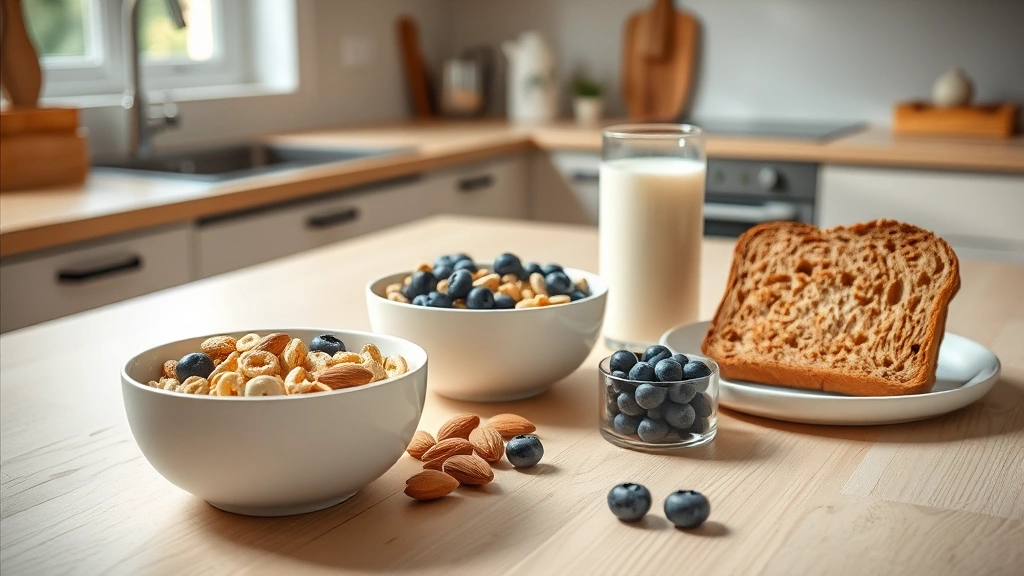
Evaluating Cheerios’ nutritional appropriateness requires considering breakfast strategy within daily dietary patterns. Original Cheerios functions effectively as a foundation for a balanced breakfast when combined with complementary foods. Pairing with whole milk provides additional protein and calcium, while adding fresh berries introduces fiber, antioxidants, and micronutrients absent from the cereal alone.
The modest caloric density of Cheerios accommodates various dietary approaches, from calorie-restricted regimens to maintenance-focused eating patterns. The low sugar content supports stable blood glucose levels throughout the morning, potentially enhancing cognitive function and reducing mid-morning energy crashes common after high-sugar breakfast consumption.
For individuals with specific health goals, Cheerios serves different roles depending on formulation selection. Original Cheerios suits those prioritizing cardiovascular health, weight management, and blood sugar stability. Protein-enhanced variants appeal to fitness-focused individuals and those seeking improved satiety. Higher-fiber variants support digestive health and cholesterol management.
However, relying exclusively on fortified cereals introduces micronutrient absorption concerns and misses opportunities for whole food nutrition. Integrating Cheerios within a breakfast pattern including whole fruits, nuts, seeds, and quality proteins creates nutritionally superior outcomes compared to cereal-only approaches. The Nutrients Pathway Blog offers comprehensive guidance on developing breakfast strategies maximizing nutritional density and satiety.
Research from Pew Research Center indicates that Americans increasingly scrutinize breakfast nutrition, with 67% of consumers reviewing nutrition labels before purchase. This trend reflects growing awareness that breakfast quality significantly impacts daily health outcomes, cognitive performance, and metabolic function.
FAQ
Is Cheerios a healthy breakfast choice?
Original Cheerios qualifies as a reasonably healthy breakfast option when combined with complementary foods like whole milk, fresh fruit, and protein sources. The low sugar content, modest caloric density, and beneficial soluble fiber from oats support cardiovascular health. However, Cheerios alone doesn’t constitute a nutritionally complete breakfast—it functions best as a component within a broader meal strategy.
How does Cheerios compare to other breakfast cereals?
Original Cheerios ranks favorably among breakfast cereals regarding sugar content and sodium levels. Many competitors contain 8-12 grams of sugar per serving compared to Cheerios’ 1 gram. The fiber content is moderate rather than exceptional, and protein contribution is modest. For high-fiber or high-protein requirements, alternative cereals may better serve specific nutritional goals.
Can people with diabetes eat Cheerios?
Original Cheerios’ low sugar content and moderate glycemic index make it suitable for many individuals managing diabetes, though portion control remains essential. The 20 grams of carbohydrates per serving should be factored into daily carbohydrate allowances. Individual responses vary based on insulin sensitivity and overall dietary patterns, making personalized medical consultation valuable.
Does Cheerios contain gluten?
Original Cheerios is manufactured from oats, which are naturally gluten-free. However, General Mills notes potential cross-contamination risks during processing, advising individuals with celiac disease to consult healthcare providers. The company produces dedicated gluten-free Cheerios formulations for those requiring absolute gluten avoidance.
What’s the difference between original and Honey Nut Cheerios nutritionally?
The primary difference is sugar content: original Cheerios contains 1 gram while Honey Nut contains 12 grams per serving. Honey Nut variants also contain honey and additional sweetening agents, fundamentally altering the nutritional classification from a low-sugar to moderate-sugar cereal. Micronutrient fortification remains similar across variants.
Should children eat Cheerios?
Cheerios is appropriate for children as part of a balanced breakfast, with original formulations preferred due to low sugar content. The soft texture suits toddlers transitioning to solid foods, and the minimal choking risk makes it a common first cereal. Portion sizes should align with age-appropriate caloric needs, and supervision remains important for very young children.


