Cheese Nutrition Facts: Expert Breakdown
Cheese stands as one of the most consumed dairy products worldwide, beloved for its rich flavor, versatility in cooking, and satisfying texture. Yet beneath its delicious appeal lies a complex nutritional profile that deserves careful examination. Understanding cheese’s nutritional information—from its protein content to its fat composition and micronutrient density—empowers consumers to make informed dietary choices that align with their health goals. Whether you’re a casual cheese enthusiast or someone managing specific dietary requirements, this comprehensive guide breaks down the essential nutrition facts about cheese and explores what makes different varieties nutritionally distinct.
The conversation around cheese nutrition has evolved significantly in recent years, moving beyond simplistic “good” or “bad” categorizations toward nuanced understanding of how various cheese types contribute to overall dietary patterns. Modern nutrition science recognizes that cheese can be part of a balanced diet when consumed thoughtfully, offering substantial calcium, protein, and bioavailable nutrients that support bone health, muscle maintenance, and metabolic function. This expert breakdown examines the scientific evidence, nutritional composition of popular varieties, and practical guidance for incorporating cheese into a health-conscious lifestyle.
Understanding Cheese Composition and Macronutrients
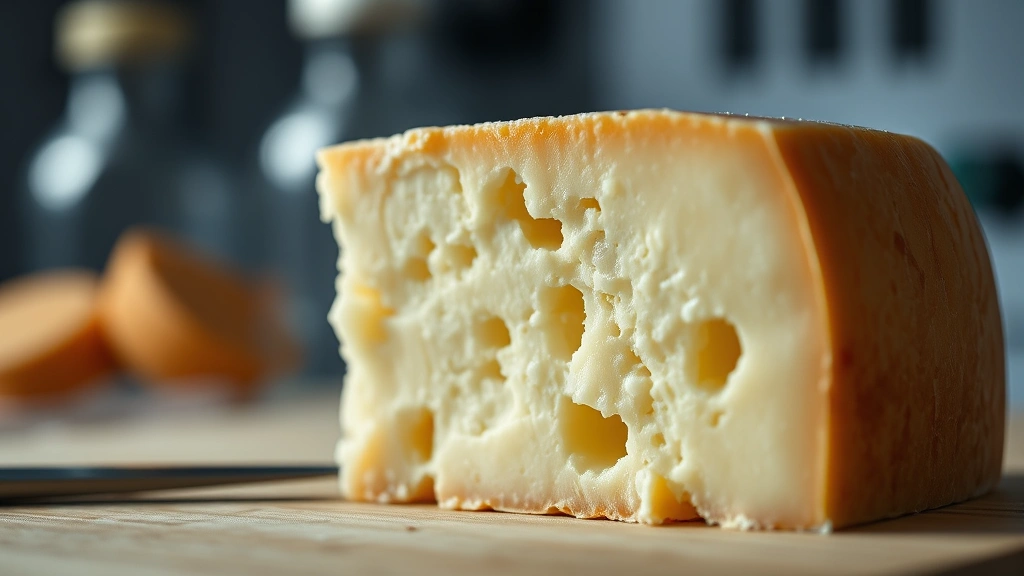
Cheese begins as milk—typically cow’s milk, though goat, sheep, and buffalo varieties exist—that undergoes a transformation through enzymatic action and bacterial fermentation. This process concentrates milk’s nutrients dramatically, creating a food that delivers substantial macronutrients in relatively small portions. The basic composition of most cheeses revolves around three primary macronutrients: protein, fat, and minimal carbohydrates, with water content varying significantly between soft and hard varieties.
The nutritional density of cheese differs markedly from its source milk because the cheesemaking process removes whey, concentrating the solid components. A cup of whole milk contains roughly 8 grams of protein, while an ounce of cheddar cheese—approximately one-third of a cup—provides 7 grams of protein. This concentration effect means cheese delivers more calories per ounce than milk, making portion awareness essential. The macronutrient balance in cheese—typically 20-30% protein, 25-35% fat, and under 1% carbohydrates in most varieties—creates a food profile that aligns with certain dietary approaches while requiring moderation in others.
When examining nutrition label information for cheese products, consumers encounter standardized serving sizes typically measured in ounces or grams. Understanding how to read and interpret these labels proves crucial for accurate dietary assessment. The macronutrient ratios vary based on cheese type, aging duration, and production methods, with aged hard cheeses generally containing less moisture and higher concentrations of nutrients per ounce compared to fresh soft cheeses.
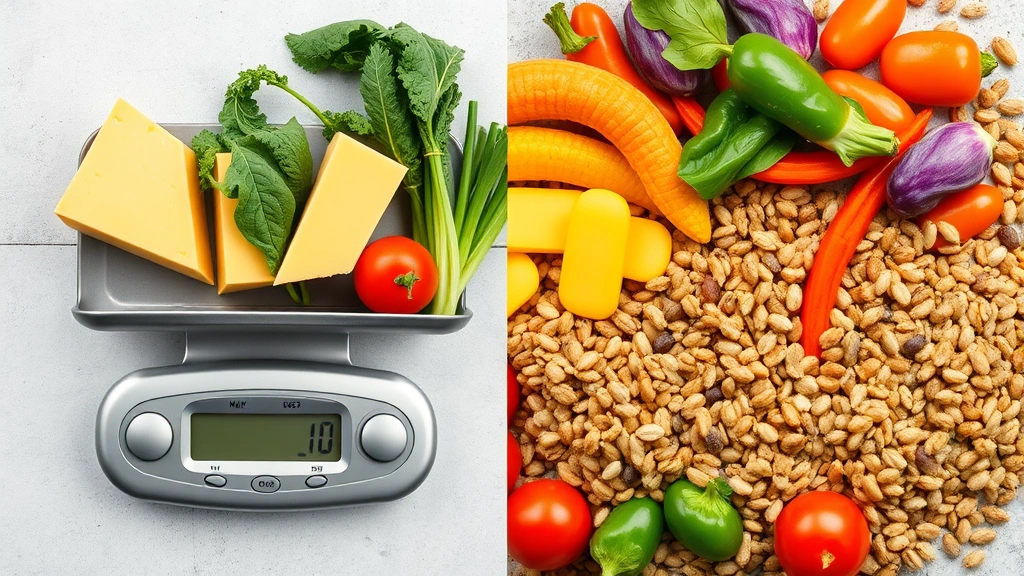
Protein Content Across Cheese Varieties
Protein represents one of cheese’s most valuable nutritional contributions, particularly for individuals requiring adequate daily protein intake for muscle maintenance, immune function, and tissue repair. The protein content in cheese ranges from approximately 4-8 grams per ounce depending on the variety, with harder, aged cheeses generally providing more protein per unit weight than softer varieties. This variation stems from moisture content—as water decreases during aging, protein concentration increases proportionally.
Hard cheeses like Parmesan, Gruyère, and aged cheddar consistently deliver 8-10 grams of protein per ounce, making them exceptional choices for those prioritizing protein intake. A small 1-ounce serving of Parmesan provides approximately 10 grams of protein—comparable to a large egg—while contributing only 110 calories. Semi-hard varieties like Swiss and Gouda offer 7-8 grams of protein per ounce, while soft cheeses including brie, camembert, and cream cheese provide 4-6 grams per ounce. Fresh cheeses like ricotta occupy a middle ground, with approximately 6-7 grams of protein per ounce depending on whether whole milk or part-skim versions are used.
The amino acid profile of cheese protein deserves particular attention. Cheese contains all nine essential amino acids in proportions that support human protein synthesis effectively. This complete protein status makes cheese valuable for vegetarians seeking non-meat protein sources and for athletes incorporating varied protein sources into their healthy nutrition planning strategies. Research from the Proceedings of the National Academy of Sciences demonstrates that dairy proteins, including those in cheese, stimulate muscle protein synthesis effectively in both younger and older adults.
Fat Profile and Cholesterol Considerations
The fat content in cheese has generated significant discussion in nutritional circles, particularly regarding saturated fat and cholesterol. Most cheeses derive 65-75% of their calories from fat, with saturated fat comprising approximately 60-70% of total fat content. A one-ounce serving of full-fat cheddar contains about 9 grams of total fat, with roughly 6 grams coming from saturated sources. For context, this represents approximately 30% of the daily recommended saturated fat intake based on a 2,000-calorie diet.
However, emerging research challenges oversimplified interpretations of saturated fat in cheese. Numerous observational and intervention studies fail to demonstrate a direct causal relationship between cheese consumption and increased cardiovascular disease risk, despite the saturated fat content. A meta-analysis published by Cambridge University Press examining dairy fat consumption found no significant association between cheese intake and coronary heart disease, contradicting earlier dietary fat paradigms. The complexity arises from cheese’s multifaceted composition—while saturated fat content is substantial, cheese simultaneously provides calcium, vitamin K2, and bioactive peptides that may offer protective cardiovascular effects.
Cholesterol content in cheese typically ranges from 20-30 mg per ounce in full-fat varieties, representing 7-10% of the daily recommended limit. Interestingly, the cholesterol concern associated with cheese appears less problematic than previously believed, as dietary cholesterol’s impact on blood cholesterol levels proves less significant than once assumed. The human body regulates cholesterol synthesis based on intake, and for most individuals, consuming moderate amounts of cheese does not substantially elevate blood cholesterol when overall dietary patterns remain balanced.
Low-fat and reduced-fat cheese options exist for those seeking to minimize fat intake, typically containing 3-6 grams of fat per ounce compared to 9-10 grams in full-fat varieties. However, these products often contain added ingredients and may provide less satisfying flavor and texture, potentially leading to overconsumption. The processing required to reduce fat sometimes removes compounds contributing to cheese’s nutritional benefits, making full-fat varieties consumed in appropriate portions often preferable to highly processed low-fat alternatives.
Essential Micronutrients Found in Cheese
Beyond macronutrients, cheese delivers an impressive array of micronutrients that support diverse physiological functions. Calcium represents perhaps the most significant micronutrient contribution, with one ounce of most cheeses providing 150-200 mg of calcium—approximately 15-20% of the daily recommended intake. This bioavailable calcium supports bone health, muscle contraction, nerve transmission, and hormonal regulation. The combination of calcium and phosphorus in cheese creates favorable ratios for bone mineralization, making cheese particularly valuable for individuals concerned about osteoporosis prevention.
Vitamin B12, essential for neurological function and red blood cell formation, appears abundantly in cheese, with one ounce providing 0.2-0.4 micrograms of this nutrient. This proves especially significant for vegetarians who may struggle to obtain adequate B12 from plant sources. Cheese also supplies folate, pantothenic acid, and other B vitamins that support energy metabolism and cognitive function. The bioavailability of these B vitamins from cheese sources exceeds that from many plant-based alternatives, making cheese a particularly efficient choice for micronutrient absorption.
Vitamin K2, a lesser-known but crucial nutrient for bone and cardiovascular health, appears in substantial quantities in certain fermented cheeses, particularly those produced with traditional methods. Hard cheeses like Gruyère, Gouda, and Emmental contain notably higher vitamin K2 levels than softer varieties. This nutrient activates bone-building proteins and may help prevent arterial calcification, potentially explaining why some populations consuming significant cheese quantities maintain excellent cardiovascular health. Research from Nutrition Reviews highlights vitamin K2’s emerging importance in bone and cardiovascular health, with cheese identified as one of the richest dietary sources.
Selenium, zinc, and phosphorus round out cheese’s micronutrient profile, each supporting immune function, wound healing, and bone health respectively. The mineral density of cheese means that small portions deliver meaningful micronutrient quantities, supporting overall nutritional adequacy when incorporated thoughtfully into balanced diets.
Sodium Levels and Health Implications
Sodium content represents one of cheese’s most significant nutritional considerations, particularly for individuals managing hypertension or following sodium-restricted diets. The average one-ounce serving of cheese contains 150-200 mg of sodium, with some varieties exceeding 250 mg per ounce. This reflects both the salt naturally present in milk and the additional salt incorporated during cheesemaking for preservation and flavor development. A single ounce of some cheddar varieties can represent 10-15% of the daily sodium recommendation for a 2,000-calorie diet.
The sodium content varies considerably across cheese types, with processed cheese products and certain aged varieties containing higher levels. Fresh cheeses like ricotta and mozzarella typically contain less sodium than aged hard cheeses, though this varies by specific product. Individuals monitoring sodium intake should examine nutrition labels carefully, as sodium content can differ significantly between brands and varieties. Some artisanal producers create lower-sodium cheeses, though these remain less common in mainstream markets.
The relationship between cheese consumption and hypertension proves more nuanced than simple sodium accounting suggests. Some research indicates that the calcium, potassium, and bioactive compounds in cheese may offset sodium’s blood pressure-raising effects. However, individuals with diagnosed hypertension or those following specific medical recommendations should prioritize lower-sodium cheese options and monitor total daily sodium intake across all food sources.
Lactose Content and Digestibility
Lactose intolerance affects a substantial portion of the global population, particularly among individuals of non-Northern European descent. The good news regarding cheese and lactose involves the cheesemaking process itself: most lactose is removed during whey separation, leaving aged cheeses virtually lactose-free. Hard cheeses like cheddar, Gruyère, and Parmesan contain negligible lactose—typically less than 0.1 grams per ounce—making them well-tolerated by individuals with lactose intolerance.
The lactose content increases as cheese ages decreases, meaning fresh cheeses contain more lactose than aged varieties. Cream cheese and ricotta contain approximately 0.5-1.5 grams of lactose per ounce, while cottage cheese may contain 1-2 grams per cup depending on production methods. Individuals with significant lactose intolerance should focus on aged hard cheeses while potentially limiting soft fresh varieties. Lactose-free cheese products exist for those seeking additional assurance, though these represent processed alternatives to traditional varieties.
Beyond lactose, cheese’s digestibility relates to its protein structure and fat composition. The enzymatic breakdown during fermentation partially pre-digests cheese’s proteins, potentially making them easier for the digestive system to process compared to fresh milk. This enhanced digestibility contributes to cheese’s long history as a valued food source across numerous cultures and dietary traditions.
Comparing Popular Cheese Types Nutritionally
Different cheese varieties present distinct nutritional profiles reflecting their production methods, aging duration, and milk sources. Understanding these differences enables consumers to select cheeses matching their specific nutritional priorities. Cheddar cheese, one of the most consumed varieties globally, provides approximately 7 grams of protein, 9 grams of fat, and 200 mg of calcium per ounce, with about 180 mg of sodium. Its balanced macronutrient profile and moderate micronutrient density make it a versatile dietary choice.
Parmesan represents the opposite end of the spectrum as an intensely aged cheese, delivering 10 grams of protein per ounce alongside 7 grams of fat and 390 mg of calcium. Its concentrated flavor means smaller portions satisfy cravings, potentially reducing overall consumption and sodium intake. The extensive aging process develops complex flavors, allowing satisfying taste experiences with minimal quantity.
Mozzarella, particularly fresh varieties, contains approximately 6 grams of protein and 6 grams of fat per ounce with relatively lower sodium content around 150 mg. Fresh mozzarella’s higher moisture content means lower nutrient density per ounce compared to aged varieties, though its fresh taste appeals to many consumers. String cheese varieties offer portioned convenience, though some versions contain additives worth examining on labels.
Feta cheese provides 4 grams of protein and 6 grams of fat per ounce alongside 140 mg of calcium. Its distinctive tangy flavor comes from specific bacterial cultures and often involves sheep or goat milk, creating a nutritional profile distinct from cow milk cheeses. Feta’s lower lactose content makes it suitable for many individuals with lactose sensitivity.
Ricotta occupies a unique position as a fresh cheese with higher protein content—approximately 7 grams per ounce—and lower fat content when produced from whey. Its creamy texture and mild flavor make it valuable in both savory and sweet applications, while its higher moisture content means larger portions deliver similar nutrient quantities compared to aged varieties.
Goat cheese offers a distinctive nutritional profile with 6 grams of protein per ounce and fat composition including higher medium-chain triglycerides compared to cow milk cheeses. Some individuals find goat cheese easier to digest than cow milk varieties, though scientific evidence supporting this remains limited. Its unique flavor profile appeals to many culinary applications.
Practical Serving Recommendations
Understanding cheese’s nutritional composition enables informed portion decisions that maximize benefits while managing potential concerns. Standard nutritional guidance suggests limiting cheese consumption to 1-2 ounces daily as part of a balanced diet, though individual requirements vary based on overall dietary patterns, health status, and fitness goals. For context, one ounce of cheese—approximately the size of a dice or a thin slice—delivers meaningful nutritional contribution without excessive caloric or sodium impact when incorporated thoughtfully.
Individuals prioritizing nutrition and mental health optimization should recognize that cheese provides choline and other compounds supporting cognitive function, though moderation remains important. Athletes seeking protein sources for muscle recovery benefit from cheese’s complete amino acid profile, particularly when combined with other nutrient-dense foods rather than consumed as the primary protein source.
Practical strategies for optimizing cheese consumption include pairing small portions with vegetables and whole grains to create balanced meals, selecting aged varieties for maximum flavor satisfaction per ounce, and examining labels to identify lower-sodium options when appropriate. Incorporating cheese into salads, vegetable dishes, and whole grain preparations increases satiety and nutrient absorption compared to consuming cheese independently.
For individuals following specific dietary approaches, cheese presents distinct advantages and challenges. Low-carbohydrate diet followers benefit from cheese’s minimal carbohydrate content and high fat and protein proportions. Those emphasizing whole food consumption appreciate cheese’s minimal ingredient requirements compared to processed alternatives. Individuals managing sodium intake must carefully monitor quantities and select lower-sodium varieties.
The integration of cheese into a comprehensive nutritional approach similar to examining other whole food sources demonstrates how individual foods contribute to overall dietary patterns. Rather than labeling cheese as inherently “healthy” or “unhealthy,” recognizing its nutritional composition enables personalized decision-making aligned with individual health goals and dietary preferences.
Understanding cheese’s nutritional content empowers consumers to move beyond categorical thinking toward nuanced dietary choices. The scientific evidence increasingly supports moderate cheese consumption as compatible with excellent health outcomes when incorporated into overall dietary patterns emphasizing whole foods, adequate vegetable consumption, and appropriate portion sizes. The key lies not in avoiding cheese entirely but in understanding its nutritional profile and consuming it mindfully.
For those seeking to optimize their overall dietary approach, exploring additional nutritional information through comprehensive resources and consulting with healthcare providers ensures personalized guidance matching individual circumstances. Cheese remains a valuable nutrient-dense food when selected thoughtfully and consumed in appropriate quantities as part of a balanced, varied diet supporting long-term health and wellness.
FAQ
How much protein does cheese contain per ounce?
Most cheeses provide 6-8 grams of protein per ounce, with hard aged varieties like Parmesan delivering up to 10 grams per ounce and soft cheeses providing 4-6 grams per ounce. The variation reflects moisture content differences between cheese types.
Is cheese high in calories?
Cheese is calorie-dense at approximately 100-110 calories per ounce due to its high fat content. However, the nutrient density means small portions deliver substantial nutritional value, making cheese efficient for meeting micronutrient requirements.
Can people with lactose intolerance eat cheese?
Most aged cheeses contain negligible lactose due to the whey removal during production, making them well-tolerated by individuals with lactose intolerance. Hard cheeses like cheddar and Parmesan are particularly suitable, while fresh soft cheeses contain more lactose.
What cheese has the lowest sodium content?
Fresh cheeses like ricotta and fresh mozzarella typically contain less sodium than aged varieties, ranging from 100-150 mg per ounce compared to 180-250 mg in hard cheeses. Checking specific product labels ensures accurate sodium information.
Does cheese contain vitamin K2?
Certain fermented cheeses, particularly hard aged varieties like Gruyère and Gouda produced with traditional methods, contain significant vitamin K2 quantities. This nutrient supports bone health and cardiovascular function, though content varies by specific cheese type.
How much cheese should I eat daily?
Standard recommendations suggest 1-2 ounces of cheese daily as part of a balanced diet, though individual requirements vary based on overall dietary patterns and health goals. Consulting with healthcare providers ensures personalized guidance.
Is full-fat or reduced-fat cheese better?
Full-fat cheese typically provides superior flavor, texture, and nutritional content compared to reduced-fat varieties, which often contain additives and may lead to overconsumption. Small portions of full-fat cheese often prove preferable to larger quantities of processed reduced-fat alternatives.