
Cheesecake Factory Nutrition: A Dietitian’s Complete Analysis of Menu Items
The Cheesecake Factory has become an iconic dining destination known for its expansive menu and decadent desserts. However, for those conscious about their nutritional intake, navigating this restaurant requires strategic planning and informed decision-making. As a dietitian, I’ve analyzed the nutritional profiles of popular Cheesecake Factory dishes to help you make choices that align with your health goals without sacrificing the dining experience you enjoy.
Understanding the nutritional content of restaurant meals is essential in today’s food landscape. According to research from the Pew Research Center, Americans spend significant portions of their food budgets on restaurant dining, making nutritional awareness increasingly important. The Cheesecake Factory presents unique challenges: portion sizes are notoriously large, caloric content can be substantial, and hidden sodium and sugar levels often exceed daily recommendations in a single meal.
Understanding Cheesecake Factory Portion Sizes
The Cheesecake Factory has built its reputation partly on generous portions. A single entrée often contains enough food for two to three servings according to standard dietary guidelines. This presents both an opportunity and a challenge. From a dietitian’s perspective, understanding portion control strategies becomes paramount when dining at establishments known for abundance.
Most Cheesecake Factory entrées range from 1,000 to 2,400 calories per serving. For context, the FDA recommends a 2,000-calorie daily intake for the average adult. This means a single meal could represent 50-120% of your daily caloric needs. Understanding this reality allows you to make conscious decisions about how you’ll balance your day nutritionally.
I recommend implementing the “half-plate strategy” when dining at Cheesecake Factory. Request a to-go container immediately upon receiving your entrée and portion half the meal into it before eating. This simple tactic addresses two psychological and physiological challenges: the tendency to clean your plate and the difficulty of portion estimation in real-time.

Appetizer Analysis: Making Smart Starters
Appetizers at Cheesecake Factory are deceptively calorie-dense. The Spinach and Artichoke Dip, while delicious, contains approximately 1,100 calories and 72 grams of fat in a single serving. This appetizer alone could represent your entire caloric budget if you’re following a 1,500-calorie meal planning strategy.
Superior appetizer choices include:
- Edamame – approximately 180 calories, high in plant-based protein and fiber, providing satiety without excess calories
- Lettuce Wrap Appetizer – around 240 calories with substantial protein content from chicken or shrimp
- Seared Tuna – roughly 300 calories, rich in omega-3 fatty acids and lean protein
- Hummus and Vegetables – approximately 220 calories, offering nutrients and fiber for digestive health
The key to appetizer selection involves prioritizing protein and fiber while minimizing fried preparations. Deep-fried items like Fried Mac and Cheese Bites (920 calories) or Crispy Crab Cakes (680 calories) should be occasional indulgences rather than regular choices.
Entrée Breakdown: Protein and Calorie Content
Cheesecake Factory entrées vary dramatically in nutritional composition. Understanding the differences helps you align meals with your individual dietary goals and health objectives.
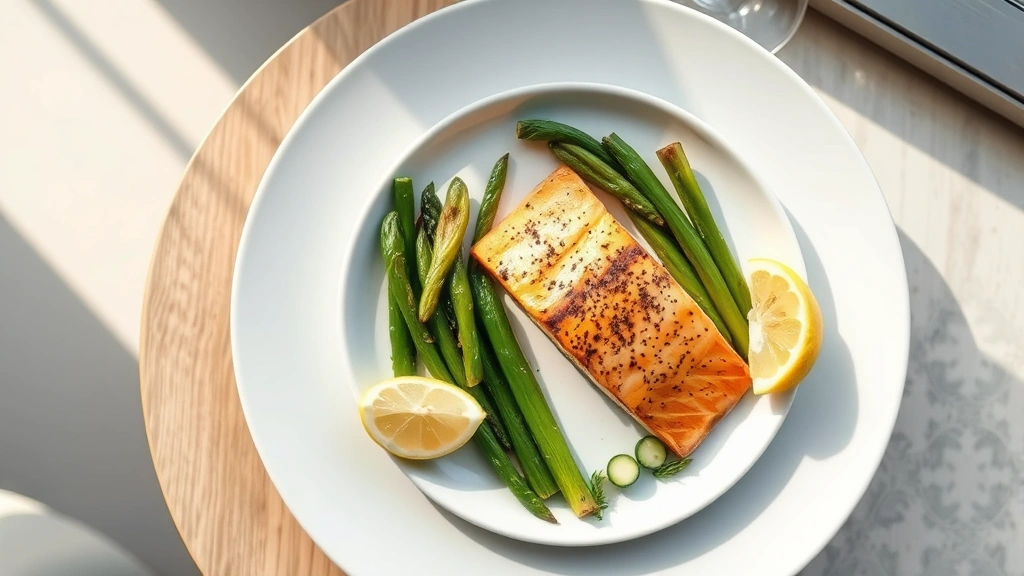
Grilled Fish Options: The Fresh Fish of the Day preparations typically contain 600-900 calories depending on sauce selection. A grilled salmon entrée provides approximately 35-45 grams of protein and beneficial omega-3 fatty acids. When possible, request that your fish be prepared with minimal oil and sauce served on the side.
Chicken Dishes: Chicken entrées range significantly based on preparation method. The Grilled Chicken and Herb Baked Salmon (approximately 580 calories) represents an excellent choice for those seeking protein-rich meals under 600 calories. Conversely, the Crispy Chicken Costoletta (1,280 calories) demonstrates how preparation technique dramatically impacts nutritional value.
Pasta Entrées: Traditional pasta dishes at Cheesecake Factory typically exceed 1,400 calories due to cream-based sauces and generous portions. The Pasta Carbonara contains approximately 1,540 calories and 89 grams of fat. If you choose pasta, request half portions or plan to take substantial portions home as leftovers.
Beef and Steak Options: Premium protein choices like the New York Strip Steak (approximately 900 calories with sides) provide substantial protein but require attention to portion control and sauce selection. Request grilled preparations without butter-based finishing sauces.
Salad Selections and Hidden Calories
Many diners assume salads represent the healthiest Cheesecake Factory option. This assumption often proves incorrect. A salad’s nutritional value depends entirely on dressing quantity and ingredient composition.
The Warm Goat Cheese Salad contains approximately 1,030 calories, primarily from the walnut crust, goat cheese, and dressing. Even the Caesar Salad reaches 1,100 calories with its creamy dressing and croutons. These numbers rival many traditional entrées, making salad selection just as important as other menu items.
Optimal salad choices include:
- Request dressing on the side and use only 2-3 tablespoons rather than the standard serving
- Choose vinaigrette-based dressings over cream-based options
- Select salads with grilled protein rather than fried components
- Avoid salads with nut crusts or excessive cheese toppings
- Build custom salads emphasizing vegetables and lean protein
The Grilled Chicken Salad with balsamic vinaigrette (approximately 520 calories with dressing on the side) provides an excellent balanced option combining protein, fiber, and micronutrients without excessive caloric density.
Beverage Choices and Liquid Calories
Beverages represent one of the most overlooked sources of hidden calories in restaurant dining. A single Piña Colada at Cheesecake Factory contains approximately 520 calories, primarily from rum, coconut cream, and pineapple juice. Consuming a cocktail essentially adds a complete meal’s worth of calories to your dining experience.
Strategic beverage selection can significantly impact your overall nutritional intake:
- Water with lemon – zero calories, supports hydration and digestion
- Unsweetened iced tea – zero calories, provides antioxidants
- Coffee or espresso – minimal calories (5-10), can enhance satiety
- Sparkling water – zero calories, provides carbonation satisfaction
- Wine (5 oz) – approximately 120 calories, better choice than sugary cocktails
If you choose to consume alcoholic beverages, prioritize lower-calorie options like wine or spirits with soda water over sugary mixers. The average Cheesecake Factory cocktail contains 300-600 calories, representing 15-30% of a standard daily caloric budget in a single drink.
Dessert Strategy Without the Guilt
Dessert represents the Cheesecake Factory’s signature offering, and completely avoiding sweets may prove unrealistic for many diners. Strategic dessert consumption allows you to enjoy this aspect of the experience while maintaining nutritional goals.
Rather than ordering individual full-size slices (typically 700-1,000 calories), consider these alternatives:
- Share a single slice among multiple people
- Order a slice and consume only 2-3 bites, taking the remainder home
- Request a fruit-based dessert option if available
- Enjoy dessert on occasions rather than every visit
- Pair dessert with water or unsweetened tea to enhance satisfaction
Understanding the psychological aspects of nutrition and food satisfaction helps explain why small portions of desired foods often provide greater satisfaction than complete deprivation. A few bites of cheesecake can satisfy cravings while maintaining nutritional balance.
Building a Balanced Meal
Creating a nutritionally balanced Cheesecake Factory meal requires strategic combination of menu items. As a dietitian, I recommend following the “plate method” adapted for restaurant dining.
Optimal Meal Structure:
Begin with a protein-rich appetizer like the Seared Tuna (approximately 300 calories, 25g protein). For your entrée, select a grilled protein with vegetable sides, such as the Grilled Fish of the Day (approximately 650 calories, 40g protein). Request that your protein be prepared with minimal oil and any sauces served separately.
Include a side of steamed vegetables or request a salad with dressing on the side (approximately 100-150 calories). This combination provides approximately 1,050-1,100 calories with 65+ grams of protein and substantial fiber from vegetables.
This approach aligns with evidence-based nutrition solutions that emphasize protein distribution, vegetable consumption, and portion awareness. Research from Appetite journal demonstrates that meals emphasizing protein and fiber promote greater satiety and improved metabolic outcomes.
If dessert is desired, plan your meal accordingly. A 700-calorie entrée with a 300-calorie appetizer leaves room for a modest dessert within a 1,500-calorie daily budget. Alternatively, consider saving dessert for consumption at home where portion control becomes easier.
For those following healthy nutrition plans, Cheesecake Factory dining remains possible through strategic menu navigation. Athletes and active individuals may benefit from higher-calorie choices emphasizing protein, as discussed in resources about nutrition for athletes optimizing performance through diet.
The Cheesecake Factory’s extensive menu allows customization that many chain restaurants cannot accommodate. Don’t hesitate to request modifications: grilled instead of fried preparations, sauces on the side, substituted sides, or special preparation instructions. Most restaurants accommodate reasonable requests when asked politely and clearly.
FAQ
What is the lowest-calorie entrée at Cheesecake Factory?
The Grilled Chicken and Herb Baked Salmon typically represents one of the lowest-calorie options at approximately 580 calories. However, caloric content varies based on preparation and sauce selection, so always verify current nutritional information with the restaurant.
Can I eat at Cheesecake Factory while following a specific diet?
Yes, with strategic menu navigation. Those following low-carb diets should prioritize grilled proteins with vegetable sides and avoid pasta dishes. Mediterranean diet followers can select fish-based entrées with olive oil preparations. Individuals tracking macronutrients should focus on protein-rich options and request nutritional information from the restaurant.
How much sodium does a typical Cheesecake Factory meal contain?
Most Cheesecake Factory entrées contain 1,500-2,500 milligrams of sodium, exceeding the recommended daily intake of 2,300 milligrams in a single meal. Request that your meal be prepared with minimal added salt and request nutritional information when available.
Are there vegan or vegetarian options at Cheesecake Factory?
Yes, the restaurant offers several vegetarian options including pasta dishes, vegetable-based salads, and bean-based appetizers. However, many contain substantial calories and fat from cheese and oil-based preparations. Vegan options are more limited but can be created through menu customization.
Should I avoid Cheesecake Factory entirely if I’m trying to lose weight?
No. Complete food restriction often leads to unsustainable eating patterns and psychological stress. Occasional restaurant dining, including Cheesecake Factory visits, can be incorporated into weight management through portion control, strategic menu selection, and balanced meal composition. The key involves planning and awareness rather than absolute avoidance.
What modifications should I request when ordering?
Request sauces on the side, grilled rather than fried preparations, steamed or grilled vegetables as sides instead of fries, dressing on the side for salads, and minimal added salt. Most restaurants accommodate these requests, allowing you to reduce caloric, sodium, and fat content substantially.


