Cheez-Its Nutrition Facts: Dietitian Review
Cheez-Its have been a beloved snack staple since 1921, with their distinctive orange hue and satisfying crunch making them a go-to choice for millions of Americans. However, when it comes to nutritional value, these bite-sized cheese crackers warrant a closer examination. This comprehensive dietitian review breaks down the Cheez-Its nutrition facts to help you make informed snacking decisions that align with your health goals.
As a registered dietitian nutritionist, I’ve reviewed countless snack products, and Cheez-Its present an interesting case study in processed food consumption. While they’re not inherently “bad,” understanding their nutritional profile—including sodium content, fat composition, and caloric density—is essential for anyone seeking to maintain balanced eating habits. Whether you’re a parent concerned about your child’s snack choices or an individual monitoring your own dietary intake, this analysis provides the evidence-based information you need.
Complete Nutrition Breakdown
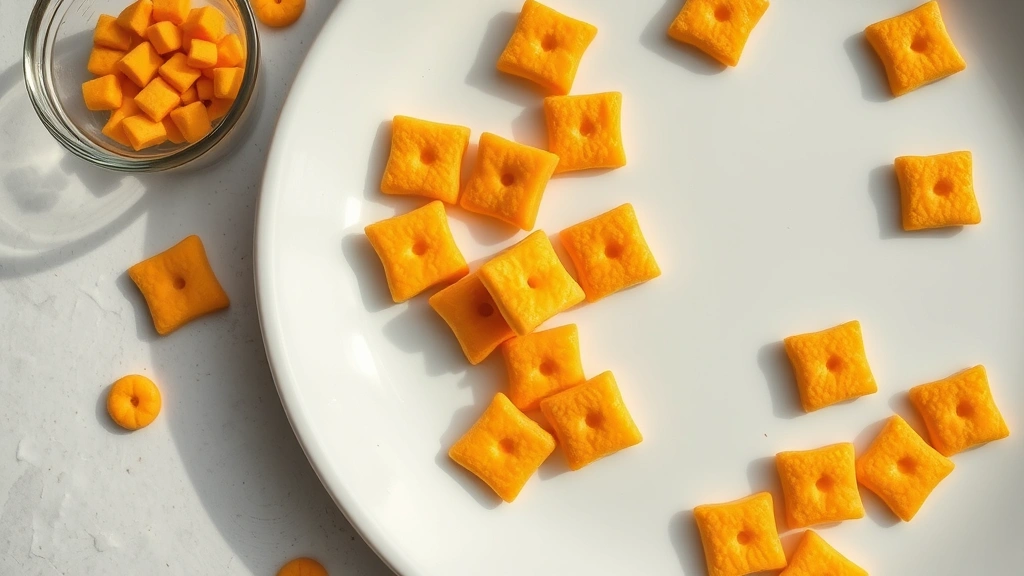
A standard serving of Cheez-Its consists of approximately 27 crackers (30 grams), which contains 150 calories. This caloric density is relatively high for the portion size, meaning you get fewer crackers than you might expect before hitting significant caloric intake. The macronutrient distribution breaks down as follows: 9 grams of fat, 17 grams of carbohydrates, and 3 grams of protein per serving.
The protein content is modest, which is typical for cheese crackers. While the 3 grams per serving might seem minimal, it does contribute to satiety compared to purely carbohydrate-based snacks. However, when examining the healthy nutrition plan guidelines, most nutritionists recommend snacks containing at least 5-10 grams of protein for optimal appetite management.
Micronutrient content includes modest amounts of iron and calcium, though not in quantities that would significantly contribute to daily requirements. One serving provides approximately 8% of the daily value for calcium and 4% for iron. The crackers are also enriched with B vitamins, including niacin and thiamine, which are added during processing to replace nutrients lost during manufacturing.
Dietary fiber content is negligible at less than 1 gram per serving, which is a significant limitation when considering nutritional quality. Fiber is crucial for digestive health, blood sugar regulation, and sustained energy levels. The lack of fiber means Cheez-Its won’t provide the satiety benefits associated with whole grain snacks.
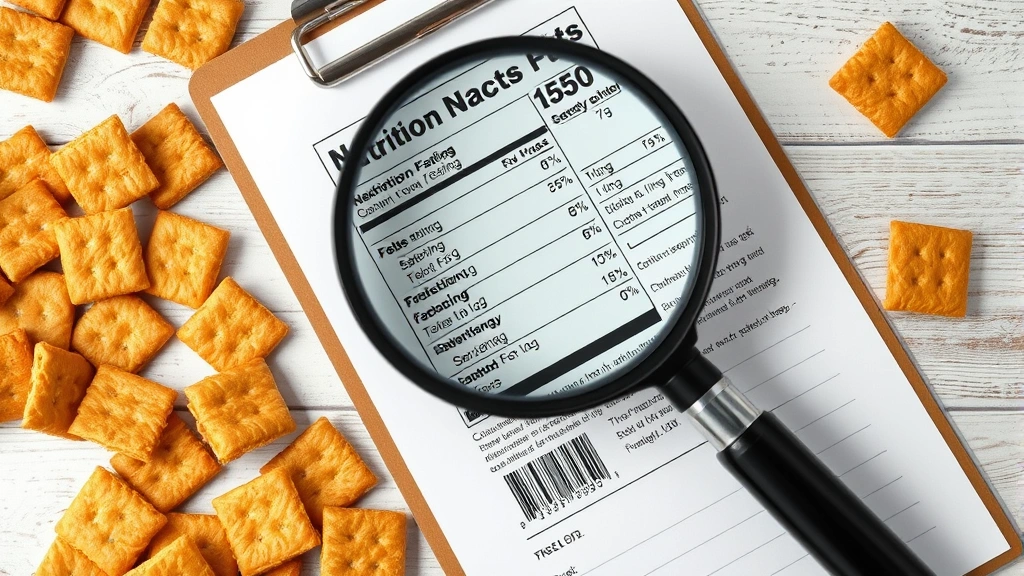
Sodium Content Analysis
Perhaps the most concerning nutritional aspect of Cheez-Its is their sodium content. A single 30-gram serving contains 230 milligrams of sodium, which represents approximately 10% of the daily recommended limit of 2,300 milligrams for adults. This figure comes from guidelines established by the American Heart Association and supported by cardiovascular health research.
The challenge with snacking on Cheez-Its lies in portion creep. Many consumers don’t stop at one serving. A typical snacking session might involve consuming 2-3 servings, bringing sodium intake to 460-690 milligrams from this single snack alone. For individuals managing hypertension or following a sodium-restricted diet, this becomes particularly problematic.
Sodium serves multiple functions in processed foods: it enhances flavor, acts as a preservative, and influences texture. In cheese crackers specifically, salt amplifies the umami (savory) taste that makes the product so appealing. Understanding this helps explain why Cheez-Its taste so satisfying—they’re formulated to be highly palatable, which can contribute to overeating.
Research from Pew Research Center on American dietary habits shows that the average American consumes approximately 3,400 milligrams of sodium daily, significantly exceeding recommended limits. Processed snacks like Cheez-Its contribute substantially to this excess.
Fat Profile and Ingredients
Cheez-Its contain 9 grams of total fat per serving, with 3.5 grams being saturated fat. Saturated fat represents approximately 18% of the daily recommended value, which is significant for a single snack. The remaining fat consists of polyunsaturated and monounsaturated fats, which come primarily from the vegetable oils used in manufacturing.
The primary ingredients listed on Cheez-Its packaging include enriched flour, vegetable oil, and cheese seasoning. The cheese flavor comes from a blend of natural and artificial ingredients rather than whole cheese, which is important to note. Real cheese contains beneficial compounds like calcium and conjugated linoleic acid (CLA), whereas the cheese flavoring in Cheez-Its provides taste without these additional nutritional benefits.
Vegetable oil, typically soybean or canola oil, contributes to the fat content and is used for both flavor and texture. These oils are high in omega-6 polyunsaturated fats. While not inherently harmful, the ratio of omega-6 to omega-3 fatty acids in typical American diets is already skewed toward omega-6, and Cheez-Its contribute to this imbalance.
The ingredient list also includes various additives including paprika extract for color, soy lecithin as an emulsifier, and salt. For individuals with soy allergies or sensitivities, the soy lecithin is an important consideration. The product is also typically made on shared equipment with allergens including wheat, soy, and milk.
When comparing to nutrition facts about avocados, which provide healthy monounsaturated fats along with fiber and micronutrients, the nutritional quality difference becomes apparent. Cheez-Its offer primarily empty calories in terms of nutrient density.
Portion Control Strategies
If you enjoy Cheez-Its and want to include them in a balanced diet, implementing portion control strategies is essential. The first step involves measuring out a single serving into a bowl rather than eating directly from the box. This simple action creates awareness of actual consumption and prevents mindless overeating.
Following portion control for weight loss guidelines, you can incorporate Cheez-Its into a balanced snack by pairing them with protein and fiber sources. For example, combining 15 crackers (half a serving) with a string cheese and a small apple creates a more nutritionally complete snack that provides approximately 200 calories but with better macronutrient balance and satiety.
Pre-portioning is another effective strategy. Divide a box into small containers or bags containing single servings before you begin snacking. This removes the temptation to consume multiple servings in one sitting and provides convenient grab-and-go portions.
Timing also matters. Consuming Cheez-Its with other foods, particularly those containing protein and fat, slows digestion and reduces blood sugar spikes. Eating them alone on an empty stomach leads to rapid glucose absorption and subsequent energy crashes that trigger additional hunger signals.
Consider designating specific occasions for Cheez-Its consumption rather than keeping them as an everyday snack. Limiting consumption to 2-3 times weekly allows you to enjoy the snack while minimizing its impact on overall sodium and saturated fat intake.
Healthier Snack Alternatives
Several snack options provide similar satisfaction to Cheez-Its while offering superior nutritional profiles. Whole grain crackers with cheese provide fiber that Cheez-Its lack, along with more complex carbohydrates for sustained energy. Brands offering whole grain options typically contain 2-3 grams of fiber per serving compared to Cheez-Its’ negligible amount.
Air-popped popcorn seasoned with nutritional yeast offers a similar savory, umami flavor while being significantly lower in calories and sodium. Three cups of air-popped popcorn contains approximately 90 calories and can be seasoned with herbs and spices rather than relying on salt for flavor.
Roasted chickpeas provide an excellent protein-rich alternative, containing 5-6 grams of protein and 4-5 grams of fiber per ounce, compared to Cheez-Its’ minimal protein and fiber content. They offer the same satisfying crunch with dramatically improved nutritional density.
Mixed nuts and seeds deliver healthy fats, protein, and micronutrients. While calorie-dense, the satiety from nuts means smaller portions satisfy cravings. An ounce of almonds provides 6 grams of protein, 3.5 grams of fiber, and beneficial monounsaturated fats.
For those seeking the cheese flavor specifically, consider whole grain crackers paired with real cheese or hummus. This approach provides the taste satisfaction while incorporating more substantial nutritional components. Reviewing tips for meal planning can help you strategically incorporate healthier snacks into your routine.
Consumer Trends in Snacking
The snack food industry has undergone significant transformation in recent years, driven by changing consumer preferences toward healthier options. Market research indicates that consumers increasingly scrutinize ingredient lists and nutritional information, though many still choose convenience and taste over optimal nutrition.
Younger consumers, particularly millennials and Gen Z, demonstrate greater interest in functional snacks that provide specific health benefits. This has led to growth in protein-enriched snacks, high-fiber options, and products marketed as “clean label” with minimal additives. However, established brands like Cheez-Its maintain strong market positions due to brand loyalty and deeply ingrained consumer habits.
The concept of “better-for-you” snacking has emerged as a middle ground, where consumers seek products that taste good while offering improved nutritional profiles compared to traditional options. This has prompted many manufacturers, including Kellogg’s (which owns Cheez-Its), to develop product variations. Cheez-Its now offers whole grain versions and reduced-fat options, though these variations still contain significant sodium.
Social media and food blogging have increased nutritional awareness among consumers, though misinformation also spreads rapidly. Understanding credible nutrition sources becomes increasingly important in this environment. Research from Science Daily regularly publishes peer-reviewed nutrition studies that provide evidence-based information about processed foods and their health impacts.
Sustainability concerns have also influenced snacking trends, with consumers considering packaging waste and ingredient sourcing. While this doesn’t directly impact Cheez-Its’ nutritional profile, it represents broader shifts in how consumers evaluate food products beyond basic nutrition facts.
FAQ
Are Cheez-Its suitable for children?
While Cheez-Its are not toxic to children, they’re not an ideal snack choice due to high sodium content and lack of nutritional density. Children aged 4-8 years have recommended sodium limits of 1,200 milligrams daily, meaning one serving of Cheez-Its represents nearly 20% of their daily limit. Better options include cheese cubes with whole grain crackers, yogurt with berries, or homemade trail mix. If your child enjoys Cheez-Its, occasional consumption as part of balanced meals is acceptable, but they shouldn’t be a daily snack staple.
Can Cheez-Its fit into a weight loss plan?
Cheez-Its can technically fit into a weight loss plan if portion-controlled and accounted for within daily calorie goals. However, they’re not optimal choices because their caloric density combined with low satiety makes overeating likely. The lack of protein and fiber means they don’t keep you full, potentially leading to consuming additional calories shortly after snacking. Pairing them with protein sources or substituting higher-satiety alternatives would be more effective for weight loss goals.
Are whole grain Cheez-Its significantly healthier?
Whole grain Cheez-Its offer slightly improved nutritional profiles with added fiber, but differences are modest. A serving of whole grain Cheez-Its contains approximately 1 gram of fiber compared to negligible amounts in regular versions. Sodium content remains similarly high at 230 milligrams per serving. While the whole grain version is a marginal improvement, it’s not a dramatic nutritional upgrade that would classify it as a genuinely healthy snack.
How do Cheez-Its compare to other cheese crackers?
Cheez-Its are relatively standard in nutritional composition compared to similar cheese crackers from competitors. Most cheese crackers contain 140-160 calories per serving with 7-10 grams of fat and 200-250 milligrams of sodium. Differences between brands are typically minimal. What distinguishes Cheez-Its is their established market position and distinctive flavor profile rather than nutritional superiority. Consumers seeking healthier cheese-flavored options should look beyond traditional cheese crackers entirely toward whole grain alternatives with added protein.
What’s the impact of eating Cheez-Its regularly?
Regular consumption of Cheez-Its as a daily snack contributes to excessive sodium intake and can impact cardiovascular health, particularly for sodium-sensitive individuals. The refined carbohydrates and lack of fiber may contribute to blood sugar fluctuations and energy crashes. Over time, regular consumption of calorie-dense snacks without nutritional compensation can contribute to weight gain. However, occasional consumption as part of an otherwise balanced diet poses minimal health risk for most individuals without specific dietary restrictions.