Are Cheez-Its Healthy? A Dietitian’s Deep Dive Into the Nutrition Label
Cheez-Its have been a pantry staple for generations, offering that irresistible combination of cheese flavor and satisfying crunch. But when you flip over that iconic orange box and examine the Cheez-Its nutrition label, the question becomes impossible to ignore: are these beloved crackers actually healthy? As a registered dietitian, I’m asked this question regularly, and the answer is more nuanced than a simple yes or no.
Understanding what’s really in your snacks requires looking beyond marketing claims and examining the actual nutritional data. Cheez-Its contain surprising amounts of sodium, processed ingredients, and saturated fat—elements that deserve closer scrutiny if you’re trying to maintain a healthy nutrition plan. This comprehensive analysis breaks down exactly what the nutrition label tells us and what it means for your diet.

Understanding the Cheez-Its Nutrition Label
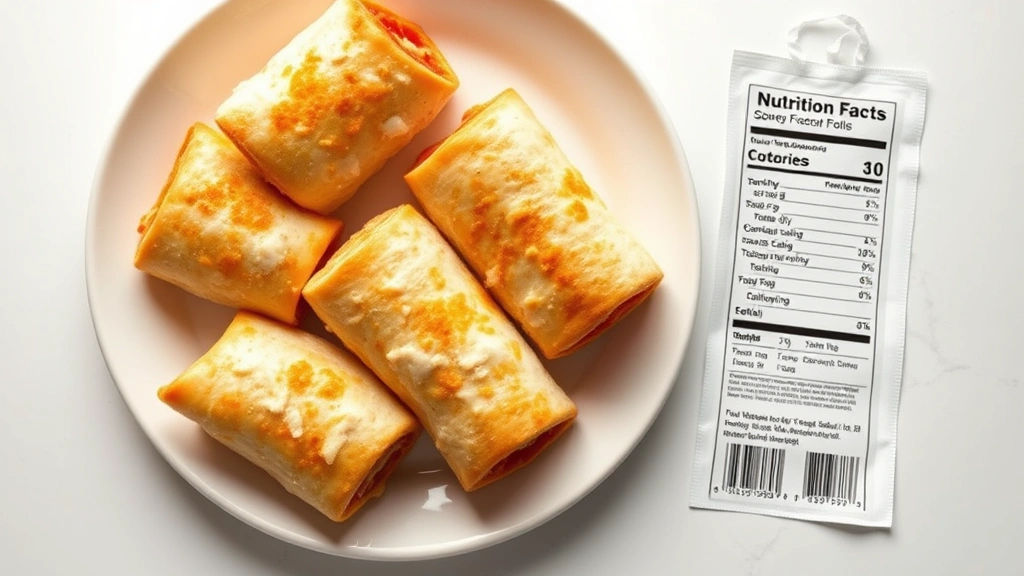
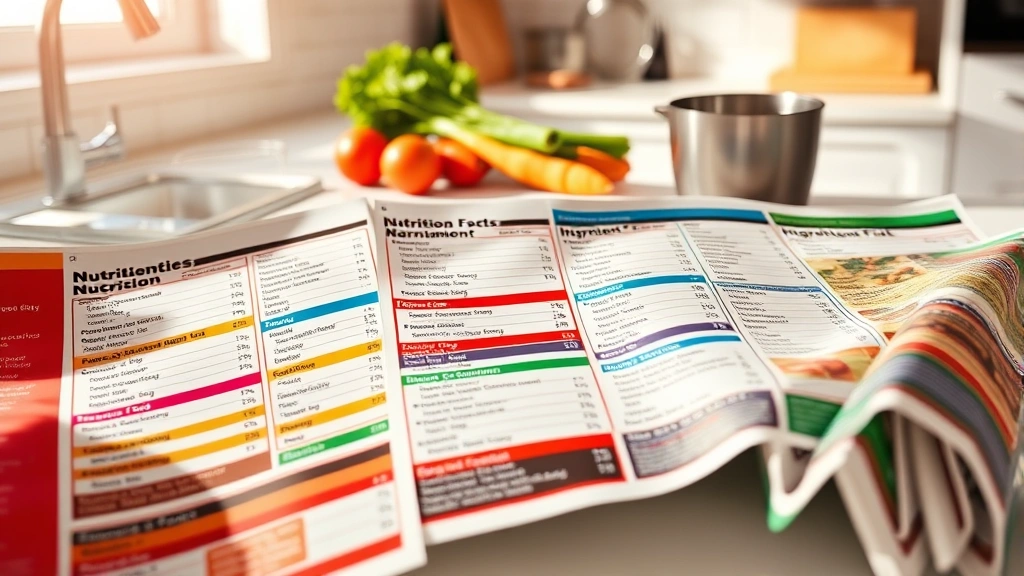
The standard serving size for original Cheez-Its is 27 crackers (30 grams), which contains approximately 150 calories. This serving size is important to note because most people consume considerably more than 27 crackers in a single sitting. When examining the label, you’ll notice that one serving provides roughly 9 grams of fat, 17 grams of carbohydrates, and 3 grams of protein. These numbers form the foundation of understanding whether Cheez-Its fit into your dietary goals.
What makes the Cheez-Its nutrition label particularly interesting is how it reveals the processing involved in creating these crackers. The ingredient list includes enriched flour, vegetable oil, and cheese seasoning—a combination designed for maximum shelf stability and flavor intensity rather than nutritional benefit. Unlike whole grain options, regular Cheez-Its use refined flour, which means they lack the fiber and micronutrient density found in minimally processed snacks.
The cheese flavoring itself deserves attention. Rather than containing real cheese (which would provide calcium and protein), the seasoning is a complex blend of artificial and natural flavors, salt, and various additives. This distinction matters when you’re evaluating whether Cheez-Its contribute meaningfully to your daily nutritional needs or simply provide empty calories with flavor satisfaction.
Calorie Content and Portion Control
At 150 calories per serving, Cheez-Its fall into the moderate-calorie snack category. However, the real problem emerges when we consider realistic consumption patterns. A single handful typically exceeds the official serving size, and many people consume an entire sleeve or box in one sitting. This can quickly escalate to 450-600 calories—a significant portion of daily caloric intake from a snack that provides minimal satiety.
The caloric density of Cheez-Its (approximately 5 calories per cracker) means they’re relatively high in calories for their nutritional contribution. Compared to snacks like air-popped popcorn (approximately 3.5 calories per cup) or fresh fruit (approximately 1 calorie per gram), Cheez-Its deliver more calories without corresponding increases in vitamins, minerals, or satiety-promoting fiber. This caloric inefficiency is a key concern when developing a tips for meal planning strategy focused on weight management.
Research from the National Institutes of Health indicates that highly palatable processed snacks like Cheez-Its can override satiety signals, leading to overconsumption. The combination of salt, fat, and refined carbohydrates creates a food reward response that encourages eating beyond hunger cues.
Sodium Levels: The Silent Concern
Perhaps the most concerning aspect of the Cheez-Its nutrition label is the sodium content. A single serving contains 230 milligrams of sodium, representing approximately 10% of the daily recommended limit of 2,300 milligrams established by health organizations. While 10% per serving might seem reasonable, the reality is that most people consume multiple servings, and sodium accumulates rapidly throughout the day from other sources.
The American Heart Association emphasizes that excessive sodium intake contributes to elevated blood pressure, increased cardiovascular disease risk, and kidney strain. When you consider that a typical snacking session might involve consuming 3-4 servings of Cheez-Its (690-920 mg of sodium), you’re consuming nearly 40% of your daily sodium limit from a single snack. This becomes particularly problematic when combined with other processed foods throughout the day.
Sodium’s role in nutrition and mental health is also relevant, as excessive salt intake has been linked to cognitive decline and altered mood regulation in some research populations. The high sodium in Cheez-Its makes them particularly unsuitable for individuals managing hypertension, heart disease, or kidney conditions.
Fat Profile and Heart Health
The 9 grams of fat per serving breaks down into approximately 2 grams of saturated fat and 5 grams of unsaturated fat (with the remainder being trans fat from processing). While the unsaturated fats are relatively benign, the saturated fat content is noteworthy. Saturated fat consumption has been consistently linked to increased LDL cholesterol levels and cardiovascular disease risk when consumed in excessive amounts.
One serving of Cheez-Its provides roughly 10% of the recommended daily saturated fat limit (20 grams for a 2,000-calorie diet). Again, the issue emerges with realistic consumption patterns. Three servings deliver 30% of your daily saturated fat limit—a concerning amount from a single snack food that provides no fiber, minimal protein, and no micronutrient density to offset these health concerns.
The vegetable oil used in Cheez-Its is typically soybean oil, which is high in omega-6 polyunsaturated fats. While some omega-6 is necessary, the excessive ratio of omega-6 to omega-3 in the modern processed food diet contributes to chronic inflammation. This inflammatory state is implicated in numerous chronic diseases, making the fat composition of Cheez-Its relevant to long-term health outcomes.
Protein and Fiber Analysis
The 3 grams of protein per serving represents one of the few nutritional positives on the Cheez-Its nutrition label. However, this protein is incomplete—lacking several essential amino acids—and insufficient to promote meaningful satiety. Dietary protein should comprise approximately 10-35% of daily calories; in Cheez-Its, protein provides only 8% of calories, making it a poor protein source overall.
The fiber content is virtually nonexistent at less than 1 gram per serving. This is perhaps the most significant nutritional deficiency when evaluating Cheez-Its against dietary guidelines. Adequate fiber intake is essential for digestive health, blood sugar regulation, cholesterol management, and long-term disease prevention. The importance of dietary fiber for your health cannot be overstated, making fiber-deficient snacks like Cheez-Its problematic choices for regular consumption.
The Adequate Intake (AI) for fiber is 25 grams daily for women and 38 grams for men. A typical American consumes only 15 grams daily, creating a significant fiber deficit. Choosing snacks with meaningful fiber content would represent a step toward closing this gap, whereas Cheez-Its actively work against this goal.
Additives and Processing Concerns
Beyond the macronutrient profile, the Cheez-Its ingredient list reveals extensive processing. The crackers contain enriched flour (indicating nutrient stripping and artificial fortification), vegetable oil, salt, and numerous food additives including potassium phosphate, soy lecithin, and cheese seasoning compounds. While these additives are generally recognized as safe (GRAS) by the FDA, their cumulative effect and long-term health implications remain incompletely understood.
Soy lecithin, commonly used as an emulsifier in processed foods, has raised concerns among some researchers regarding its potential endocrine-disrupting properties, though mainstream regulatory agencies consider it safe. The cheese seasoning itself is a proprietary blend that may contain MSG (monosodium glutamate) or other flavor enhancers, which can trigger sensitivity reactions in some individuals.
The processing required to create Cheez-Its strips away the micronutrients naturally present in grains and eliminates the fiber structure that makes whole grains beneficial. The enrichment process adds back some B vitamins and iron, but these synthetic additions don’t replicate the complex micronutrient profile and phytochemical diversity of minimally processed foods. According to Harvard’s School of Public Health Nutrition Source, processed foods consistently demonstrate weaker health outcomes compared to whole foods despite similar micronutrient fortification.
Healthier Snacking Alternatives
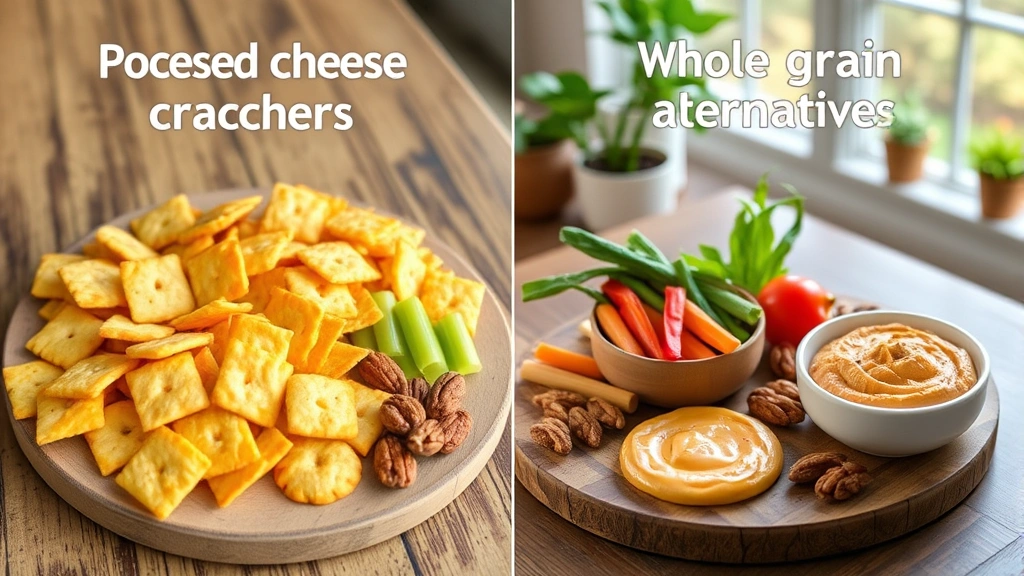
If you enjoy the salty, crunchy satisfaction that Cheez-Its provide, numerous healthier alternatives exist that deliver similar sensory experiences with superior nutritional profiles. Whole grain crackers topped with natural cheese provide genuine dairy nutrition including calcium and real cheese protein. Air-popped popcorn seasoned with nutritional yeast offers that savory flavor and satisfying crunch with significantly lower sodium and calorie density.
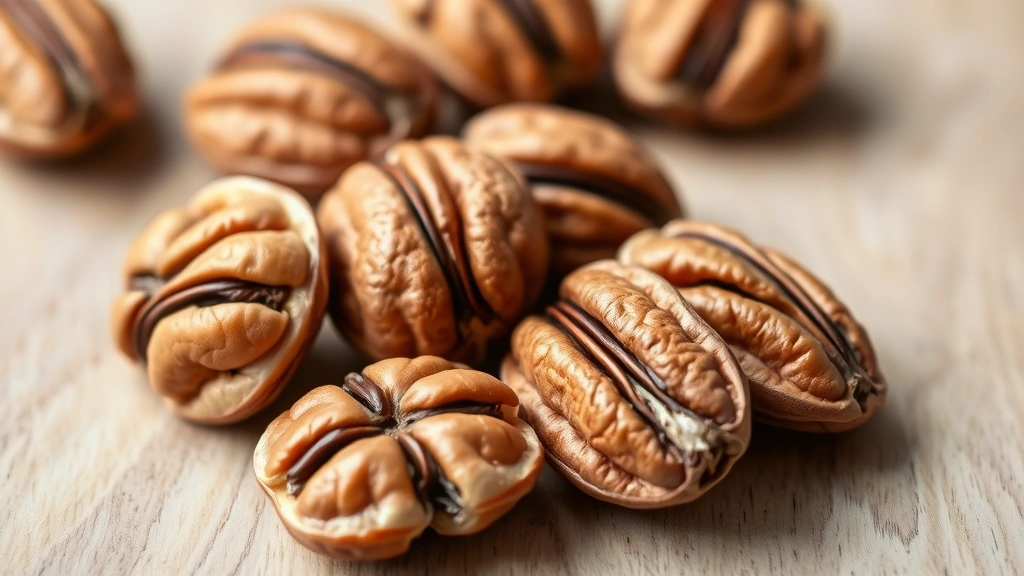
Nuts and seeds represent excellent protein and healthy fat sources that promote satiety far more effectively than Cheez-Its. Almonds, walnuts, and pumpkin seeds provide fiber, micronutrients, and phytonutrients alongside their macronutrient benefits. A small handful (approximately 1 ounce) provides sustained energy and satisfaction that extends well beyond the brief satisfaction provided by processed crackers.
Vegetable-based snacks including roasted chickpeas, baked kale chips, or even simple raw vegetables with hummus deliver fiber, micronutrients, and water content that promotes satiety. These options align far more effectively with evidence-based nutritional guidelines and support long-term health outcomes. For those following a nutrition facts about avocados or other whole food-focused approach, these alternatives integrate seamlessly into your eating pattern.
Research published in the Journal of the Academy of Nutrition and Dietetics demonstrates that individuals who replace processed snacks with whole food alternatives experience improvements in energy levels, weight management, and metabolic markers within 4-8 weeks.
How to Enjoy Cheez-Its Responsibly
For those who genuinely enjoy Cheez-Its and wish to include them in their diet, a harm-reduction approach is possible. The key is intentional portion control and frequency limitation. Rather than mindlessly consuming from a large bag, portion out a single serving (27 crackers) into a small bowl. This creates a physical boundary that makes overconsumption more difficult and increases awareness of consumption.
Limiting Cheez-Its to occasional enjoyment—perhaps once or twice weekly—rather than daily consumption significantly reduces cumulative sodium, saturated fat, and calorie intake. Pairing Cheez-Its with protein sources like cheese, nuts, or legumes can improve the macronutrient balance and promote greater satiety. This combination approach prevents the blood sugar spike and subsequent energy crash that occurs when consuming refined carbohydrates alone.
Consider Cheez-Its within the context of your total daily intake. If you’ve already consumed significant sodium from other meals, Cheez-Its become a poor choice for that day. If your fat intake is already elevated, the saturated fat content becomes more problematic. This contextual evaluation, supported by tracking tools and nutritional awareness, allows for informed decision-making rather than blanket restriction or permission.
The Nutrients Pathway Blog offers additional resources for evaluating processed foods and developing sustainable eating patterns that accommodate occasional indulgences within a fundamentally health-supporting framework.
FAQ
Are Cheez-Its considered a healthy snack?
No, Cheez-Its are not considered a healthy snack by nutritional standards. They’re high in sodium and saturated fat, low in fiber and protein, and made from refined ingredients. While occasional consumption is acceptable, they shouldn’t be a regular snack choice.
How much sodium is in Cheez-Its?
One serving (27 crackers) contains 230 milligrams of sodium. Most people consume multiple servings in one sitting, easily exceeding 500+ milligrams from this single snack.
Do Cheez-Its have any nutritional value?
Cheez-Its provide minimal nutritional value. They contain some protein (3g) and B vitamins from enrichment, but lack meaningful fiber, micronutrients, and phytonutrients found in whole foods.
What are better alternatives to Cheez-Its?
Whole grain crackers with natural cheese, air-popped popcorn, nuts and seeds, roasted chickpeas, and fresh vegetables with hummus all provide superior nutritional profiles with similar sensory satisfaction.
Can I eat Cheez-Its if I’m trying to lose weight?
Cheez-Its are calorie-dense without providing satiety, making them a poor choice for weight loss. Their high palatability encourages overconsumption, and they contribute minimal nutritional value per calorie.
Are Cheez-Its gluten-free?
Most Cheez-Its contain wheat flour and are not gluten-free. Some specialty varieties may be gluten-free, but you should check labels carefully for cross-contamination warnings.