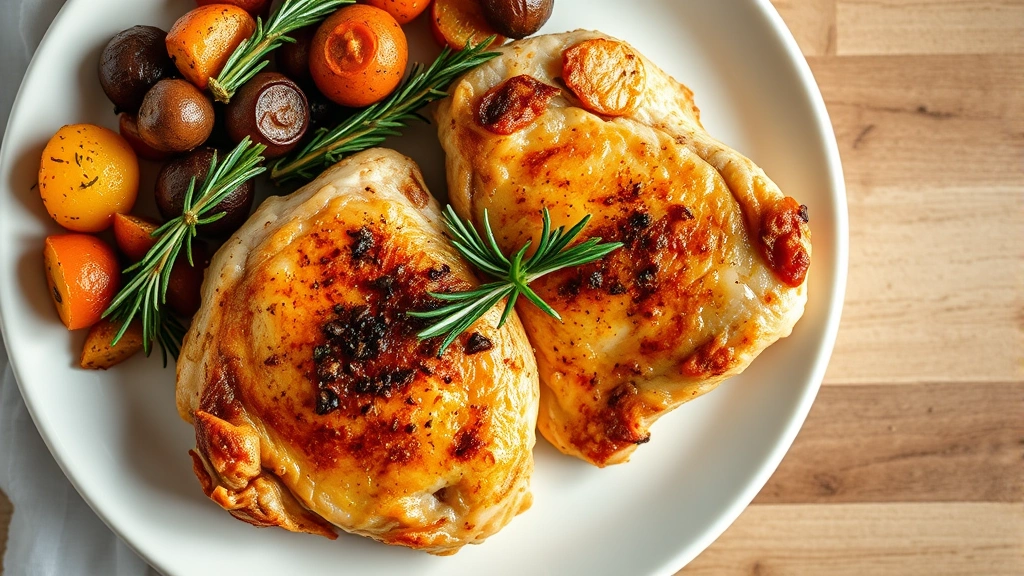
Chicken Bake Nutrition? Expert Analysis Inside
Chicken bake has become a staple in meal prep routines and home kitchens worldwide, offering convenience without sacrificing nutritional value. Whether you’re preparing a simple weeknight dinner or planning meals for the week ahead, understanding the nutritional composition of chicken bake is essential for making informed dietary choices. This comprehensive analysis breaks down the macronutrients, micronutrients, and health benefits associated with this popular protein-rich dish.
The appeal of chicken bake extends beyond its ease of preparation. As a versatile dish that can incorporate vegetables, grains, and healthy fats, chicken bake presents an excellent opportunity to build balanced, nutrient-dense meals. From fitness enthusiasts to busy professionals, people across various demographics rely on baked chicken as a cornerstone of their dietary strategy.
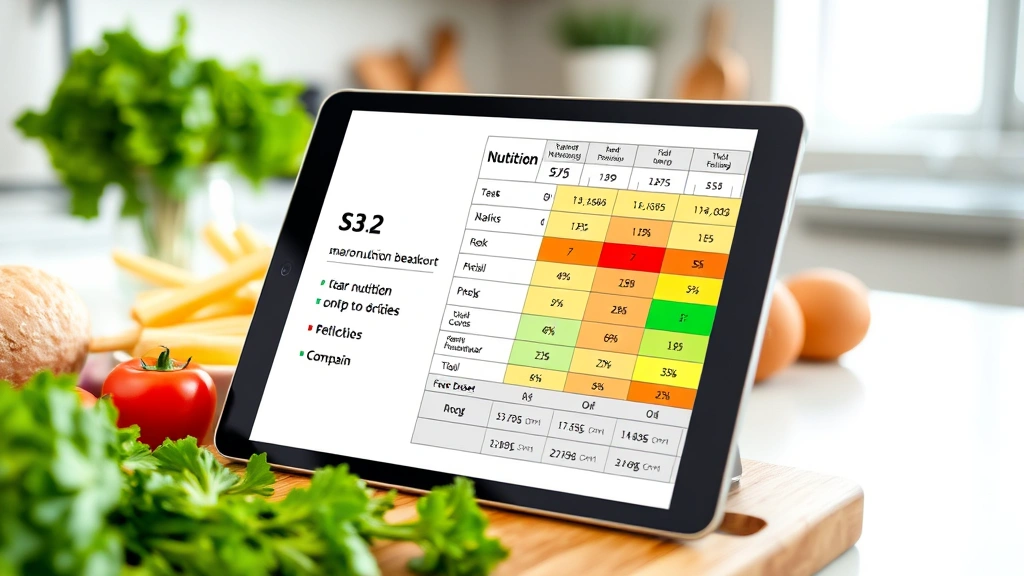
Nutritional Breakdown of Chicken Bake
A standard serving of chicken bake, typically 3.5 ounces (100 grams) of boneless, skinless chicken breast, contains approximately 165 calories. This relatively modest caloric density makes chicken an ideal protein source for those monitoring energy intake while maintaining muscle mass. The nutritional profile varies slightly depending on preparation method, seasoning, and accompanying ingredients.
The macronutrient distribution in plain baked chicken breast is remarkably favorable for most dietary objectives. Protein comprises the dominant macronutrient, making up roughly 31 grams per 100-gram serving. Carbohydrates are essentially absent in plain chicken, while fat content hovers around 3.6 grams, primarily from naturally occurring lipids in the meat itself. This composition aligns with recommendations from nutrition research institutions emphasizing lean protein sources.
When preparing chicken bake at home, the actual nutritional content depends significantly on added ingredients. A basic recipe using chicken breast, minimal oil, herbs, and vegetables will maintain lower caloric and fat profiles. Conversely, recipes incorporating cream-based sauces, cheese, butter, or oil-rich marinades substantially increase caloric density and fat content while potentially reducing the relative protein percentage per serving.
Understanding healthy nutrition plans requires recognizing that chicken bake serves as a foundation onto which nutritional quality can be built or compromised through ingredient selection. A serving containing 165 calories and 31 grams of protein represents an exceptional protein-to-calorie ratio, making it particularly valuable for individuals seeking to optimize body composition.
Protein Content and Muscle Building
The protein content in chicken bake stands as its most significant nutritional asset. At approximately 31 grams of complete protein per 100-gram serving, baked chicken provides all nine essential amino acids necessary for human health. This complete amino acid profile makes chicken an exceptionally efficient protein source for muscle protein synthesis, recovery, and maintenance.
Research in sports nutrition consistently demonstrates that consuming adequate protein across multiple meals throughout the day optimizes muscle building responses, particularly when combined with resistance training. Athletes and fitness enthusiasts often rely on chicken bake as a cornerstone of their dietary approach, and understanding nutrition for athletes reveals why this food choice remains so prevalent. The amino acid leucine, abundant in chicken, plays a particularly important role in activating the mechanistic target of rapamycin (mTOR) pathway, which regulates muscle protein synthesis.
For individuals following protein-focused dietary patterns, chicken bake offers exceptional versatility. A typical meal consisting of 150 grams of baked chicken breast provides approximately 47 grams of protein, which aligns with recommendations suggesting 25-40 grams of protein per meal for optimal muscle protein synthesis. This makes chicken bake an ideal choice for post-workout nutrition windows and regular meal planning.
The bioavailability of protein in cooked chicken is notably high, meaning your digestive system efficiently absorbs and utilizes the amino acids present. This efficiency contrasts favorably with some plant-based protein sources that may have lower bioavailability due to the presence of anti-nutrients or less optimal amino acid profiles. Individuals seeking to maximize muscle development through dietary protein intake find chicken bake particularly valuable.
Vitamins and Minerals in Baked Chicken
Beyond protein, chicken bake provides an impressive array of micronutrients essential for optimal health and physiological function. Baked chicken breast contains substantial quantities of B vitamins, particularly niacin (vitamin B3), which supports energy metabolism and DNA repair. A single 100-gram serving provides approximately 10.3 milligrams of niacin, representing roughly 64% of the daily value for adult men and women.
Pantothenic acid (vitamin B5) is another B vitamin found abundantly in chicken, with approximately 1.3 milligrams per 100-gram serving. This vitamin plays crucial roles in hormone and cholesterol production while supporting energy metabolism through coenzyme A synthesis. Vitamin B6 content in chicken reaches approximately 0.9 milligrams per serving, supporting amino acid metabolism and neurotransmitter synthesis.
The mineral profile of chicken bake includes selenium, phosphorus, and zinc. Selenium, an essential trace mineral, functions as a critical component of selenoproteins that provide antioxidant protection and regulate thyroid hormone metabolism. Chicken provides approximately 27 micrograms of selenium per 100-gram serving, representing about 49% of the daily recommended intake. Phosphorus content reaches approximately 220 milligrams, essential for bone health and energy metabolism.
Zinc, another vital mineral present in chicken, supports immune function, wound healing, and protein synthesis. A 100-gram serving provides roughly 0.8 milligrams of zinc. These micronutrients work synergistically to support numerous physiological processes, making chicken bake a nutritionally comprehensive food choice. When combined with nutrition facts about complementary foods like vegetables and whole grains, chicken bake becomes part of a truly balanced nutritional foundation.
Fat Profile and Heart Health
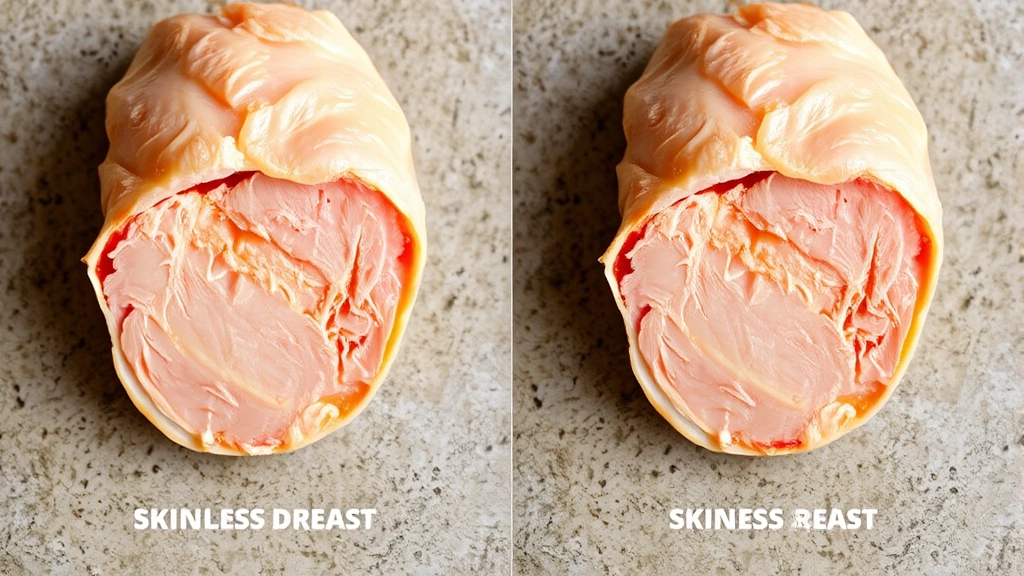
The fat content in chicken bake warrants careful examination, particularly for individuals concerned with cardiovascular health. Skinless chicken breast contains minimal total fat, approximately 3.6 grams per 100-gram serving. Of this fat, roughly 1 gram comprises saturated fat, while the remaining approximately 1.3 grams represent monounsaturated and polyunsaturated fats.
This favorable fat composition makes skinless chicken breast an excellent choice for heart-conscious dietary approaches. The predominance of unsaturated fats over saturated fats aligns with recommendations from major health organizations emphasizing the cardiovascular benefits of unsaturated fat consumption. The saturated fat content, when kept modest through preparation methods, fits comfortably within daily limits recommended by cardiologists and nutrition experts.
Conversely, chicken skin contains substantially higher fat concentrations, with approximately 9.3 grams of total fat per 100 grams, of which roughly 2.7 grams are saturated. While skin provides additional flavor and contains some fat-soluble vitamins, removing skin during preparation significantly reduces overall fat intake, particularly saturated fat. This simple modification allows individuals to reduce caloric density by approximately 60 calories per 100-gram serving.
The preparation method significantly influences the final fat profile of your chicken bake. Using minimal added oil, avoiding cream-based sauces, and incorporating vegetables creates a heart-healthy dish aligned with Mediterranean diet principles. Adding olive oil in moderation provides beneficial monounsaturated fats and polyphenols with demonstrated anti-inflammatory properties. Understanding how cooking methods affect nutritional outcomes enables informed decision-making about your dietary choices.
Caloric Considerations for Different Goals
Caloric content in chicken bake varies substantially based on preparation methods and ingredients, making it essential to consider your specific dietary objectives. For individuals pursuing weight loss, plain baked chicken breast at approximately 165 calories per 100 grams offers exceptional satiety per calorie, meaning it keeps you feeling full despite relatively modest energy content. The high protein concentration promotes prolonged satiety through multiple mechanisms, including increased thermogenic effect and improved appetite hormone regulation.
For athletes and individuals seeking to build muscle mass, the same 165 calories per 100 grams becomes a lean foundation upon which to build caloric surplus. Adding healthy fats through olive oil, nuts, or avocado-based sides allows athletes to achieve necessary caloric surplus while maintaining excellent macronutrient ratios. A 150-gram serving of chicken combined with 50 milliliters of olive oil-based dressing and vegetable sides creates a balanced 400-500 calorie meal with optimal macronutrient distribution for muscle building.
Individuals following ketogenic or very-low-carbohydrate dietary approaches find chicken bake particularly valuable, given the absence of carbohydrates and modest fat content. Adding fat sources through preparation oils, cheese, or creamy sauces transforms plain chicken into a ketogenic-appropriate meal maintaining favorable macronutrient ratios. Understanding dietary fiber considerations becomes particularly important when chicken bake forms the foundation of lower-carbohydrate meal planning, as vegetables and fiber-containing sides become essential for digestive health.
The flexibility of chicken bake as a nutritional platform allows customization for virtually any dietary objective. Whether pursuing caloric restriction, maintenance, or surplus, chicken bake accommodates diverse nutritional goals through simple modifications to portion sizes and accompanying ingredients. This adaptability explains its enduring popularity across fitness communities and among individuals pursuing varied dietary approaches.
Comparison with Other Cooking Methods
Baking represents one of the superior cooking methods for preserving nutritional integrity while minimizing added fats. When compared to frying, which substantially increases fat content and caloric density, baking maintains lean protein while developing favorable flavor through the Maillard reaction. A fried chicken breast can contain 320 calories and 17 grams of fat, compared to approximately 165 calories and 3.6 grams of fat in its baked equivalent.
Grilling offers comparable nutritional benefits to baking, with minimal added fat and excellent flavor development through high-heat cooking. However, grilling requires careful attention to temperature control and cooking time, as excessive heat can generate potentially harmful compounds through protein charring. Baking provides more consistent temperature control and reduced risk of overcooking, making it an accessible method for home cooks seeking nutritional optimization.
Slow cooking and poaching represent alternative methods that preserve moisture while maintaining low fat content. Poached chicken, while nutritionally superior to fried preparations, sometimes lacks the appealing browning and flavor development achieved through baking. Slow cooking allows for extended cooking times that tenderize meat while incorporating flavorful broths and vegetables, though this method requires longer preparation times unsuitable for quick meal preparation.
Microwaving, while quick, often produces less appealing texture and flavor compared to baking. Stir-frying with minimal oil offers good nutritional outcomes but requires careful portion control of added fats and may generate higher temperatures that affect certain heat-sensitive nutrients. Baking emerges as the optimal balance of nutritional preservation, convenience, flavor development, and consistency, explaining its dominance in meal prep culture and nutrition-focused households.
Optimizing Your Chicken Bake Recipe
Creating an optimized chicken bake recipe involves strategic ingredient selection that maximizes nutritional value while maintaining palatability. Beginning with boneless, skinless chicken breast provides the leanest foundation, approximately 165 calories and 31 grams of protein per 100-gram serving. Selecting high-quality, preferably pasture-raised chicken when available may offer improved nutrient profiles, including higher omega-3 fatty acid content and superior micronutrient concentrations.
Seasoning represents a critical opportunity for adding flavor without increasing caloric density. Herbs such as rosemary, thyme, oregano, and basil provide polyphenols and antioxidants with demonstrated health benefits. Garlic and onion add depth while contributing bioactive compounds including allicin, known for antimicrobial and anti-inflammatory properties. Using these seasonings liberally creates a flavorful dish without relying on added fats or sodium-heavy sauces.
Incorporating vegetables into your chicken bake exponentially improves nutritional density. Broccoli, bell peppers, zucchini, and asparagus add fiber, vitamins, minerals, and phytonutrients while contributing minimal calories. A typical vegetable serving adds approximately 25-50 calories while providing substantial micronutrient density. These additions support digestive health and provide compounds that research increasingly links to disease prevention and longevity.
For fat inclusion, moderate quantities of olive oil drizzled before baking contribute approximately 120 calories and 14 grams of fat per tablespoon. A half tablespoon per serving provides beneficial monounsaturated fats and polyphenols associated with cardiovascular health, as demonstrated in extensive nutritional epidemiology research. This moderate approach maintains caloric control while incorporating proven health-promoting compounds.
Temperature and timing significantly affect nutritional outcomes. Baking chicken at 375-400°F (190-204°C) for 20-25 minutes for boneless breasts ensures thorough cooking while minimizing nutrient loss. Overcooking diminishes some B vitamins and can generate potentially harmful compounds through excessive protein damage. Using a meat thermometer to achieve 165°F (74°C) internal temperature ensures food safety while preventing overcooking.
Marinating chicken before baking offers opportunities for flavor enhancement and potential health benefits. Research suggests that marinades containing antioxidant-rich ingredients like vinegar, citrus juice, and herbs may reduce formation of heterocyclic amines, potentially harmful compounds generated during high-heat cooking. A simple marinade of olive oil, lemon juice, garlic, and herbs can enhance both flavor and nutritional profile without substantially increasing calories.
Understanding nutrition and mental health connections reveals that optimized chicken bake meals support cognitive function through adequate protein intake, B vitamins supporting neurotransmitter synthesis, and minerals like zinc and selenium essential for neurological health. This comprehensive approach to meal optimization extends beyond body composition concerns to encompass holistic health and wellbeing.
FAQ
How much protein is in a typical chicken bake serving?
A standard 100-gram serving of boneless, skinless baked chicken breast contains approximately 31 grams of complete protein, providing all nine essential amino acids necessary for human health. Larger servings of 150-200 grams, common in meal prep applications, provide 47-62 grams of protein, sufficient for optimal muscle protein synthesis in most individuals.
Can chicken bake fit into a weight loss diet?
Absolutely. Chicken bake is exceptionally suitable for weight loss due to its high protein content, low caloric density, and superior satiety. A 150-gram serving provides approximately 248 calories and 47 grams of protein, creating substantial fullness while maintaining caloric deficit compatible with weight loss. The key involves avoiding high-fat preparation methods and calorie-dense sauces.
What vegetables pair best with chicken bake?
Virtually any vegetable complements chicken bake nutritionally and culinarily. Broccoli, Brussels sprouts, bell peppers, zucchini, asparagus, and green beans are particularly excellent choices, adding fiber, vitamins, minerals, and phytonutrients while contributing minimal calories. Roasting vegetables alongside chicken allows for unified flavor development and simplified meal preparation.
Is skinless or skin-on chicken nutritionally superior?
Skinless chicken breast is nutritionally superior for those seeking to minimize fat and caloric intake, providing approximately 165 calories and 3.6 grams of fat per 100 grams. Skin-on chicken contains approximately 165 calories and 9.3 grams of fat per 100 grams. Removing skin after cooking allows you to retain moisture and flavor while minimizing fat intake.
What’s the best temperature for baking chicken?
Baking chicken at 375-400°F (190-204°C) provides optimal results, with boneless breasts requiring approximately 20-25 minutes to reach 165°F (74°C) internal temperature. This temperature range ensures thorough cooking for food safety while minimizing nutrient loss and preventing overcooking that can generate potentially harmful compounds.
Can I meal prep chicken bake for the week?
Yes, chicken bake is exceptionally suitable for meal preparation. Baked chicken maintains quality when stored in airtight containers in the refrigerator for 3-4 days. For extended storage, freezing is effective, with properly stored chicken remaining safe for 2-3 months. Reheating gently at low temperatures preserves texture and nutritional integrity.
How does chicken bake compare to other protein sources?
Chicken bake offers exceptional value compared to most protein sources, with superior protein-to-calorie ratios and lower cost than many alternatives. Fish provides comparable protein with beneficial omega-3 fatty acids, while beef offers higher iron content but greater fat and caloric density. Plant-based proteins often provide lower bioavailability and incomplete amino acid profiles. Chicken represents an optimal balance of affordability, accessibility, nutritional density, and versatility.
What sauces can I use without compromising nutrition?
Tomato-based sauces, mustard-based preparations, and vinegar-based dressings offer flavor without substantial caloric addition. A quarter-cup serving of tomato sauce adds approximately 10-15 calories. Conversely, cream-based or oil-heavy sauces can add 100+ calories per serving. Greek yogurt-based sauces provide creaminess with superior protein content compared to traditional cream-based options.


