
Chicken Drumstick Nutrition: A Dietician’s Comprehensive Analysis
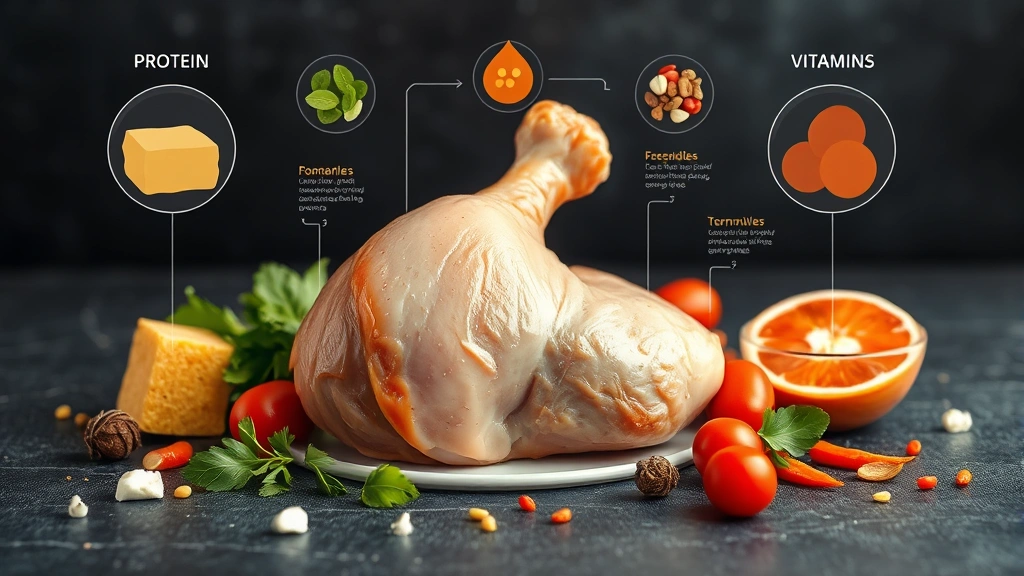
Chicken drumsticks represent one of the most accessible and nutrient-dense protein sources available to modern consumers. Often overlooked in favor of chicken breast, this humble cut delivers impressive nutritional value while remaining budget-friendly and versatile across countless cuisines. Whether you’re building a healthy nutrition plan or simply seeking to understand what you’re eating, understanding chicken drumstick nutrition becomes essential knowledge for informed dietary choices.
From a dietician’s perspective, chicken drumsticks occupy a unique nutritional niche. They contain higher fat content than breast meat, yet this characteristic brings distinct advantages when properly prepared. The fat-soluble vitamins, enhanced mineral absorption, and superior satiety factors make drumsticks worthy of serious nutritional consideration. This analysis examines the complete nutritional profile, preparation methods, health benefits, and practical applications for incorporating this protein source into balanced eating patterns.
Complete Nutritional Breakdown
A single medium chicken drumstick with skin, weighing approximately 112 grams, contains roughly 209 calories, making it a calorie-efficient protein option for various dietary approaches. Understanding the complete macronutrient composition provides the foundation for incorporating drumsticks into meal planning strategies effectively.
The macronutrient distribution reveals why drumsticks maintain such nutritional value. Protein comprises approximately 26 grams per drumstick, while total fat content reaches about 11 grams. Carbohydrates remain at zero, making drumsticks inherently suitable for low-carbohydrate dietary patterns. The caloric density—roughly 1.9 calories per gram—positions drumsticks favorably against many alternative protein sources, particularly when considering satiety and nutrient density metrics.
Comparative analysis shows that drumsticks contain approximately 10% more calories than skinless breast meat, yet provide superior micronutrient profiles. The skin contributes approximately 60% of total fat content, offering dieticians and consumers precise control over nutritional outcomes through preparation method selection. This flexibility distinguishes drumsticks from leaner cuts that offer less nutritional customization potential.
Protein Content and Amino Acids
Chicken drumstick nutrition delivers complete protein containing all nine essential amino acids, making it a nutritionally complete protein source comparable to other animal proteins. The 26-gram protein content per drumstick represents approximately 52% of daily recommended intake for a 2,000-calorie diet, supporting muscle maintenance, immune function, and countless enzymatic processes.
The amino acid profile demonstrates particular strength in branched-chain amino acids (BCAAs), especially leucine, which triggers muscle protein synthesis pathways. Research from the National Institutes of Health emphasizes leucine’s critical role in activating mTOR signaling, essential for muscle adaptation and maintenance across all age groups.
Beyond muscle-building applications, drumstick protein supports numerous physiological functions. Amino acids serve as precursors for neurotransmitter synthesis, supporting cognitive function and mood regulation. This connection between dietary protein quality and mental health outcomes aligns with emerging research on nutrition and mental health relationships. Histidine, another drumstick amino acid, converts to histamine, regulating immune responses and gastric acid secretion.
The bioavailability of chicken protein exceeds 95%, meaning the body efficiently absorbs and utilizes virtually all provided amino acids. This superior bioavailability compared to plant proteins makes drumsticks particularly valuable for aging populations, athletes, and individuals with compromised digestive function.
Fat Profile and Heart Health
Chicken drumstick nutrition contains approximately 11 grams total fat per cooked drumstick, distributed across saturated, monounsaturated, and polyunsaturated categories. The fat composition—roughly 3 grams saturated, 5 grams monounsaturated, and 2 grams polyunsaturated—creates a favorable lipid profile when compared against red meat alternatives.
Contemporary cardiovascular research, including studies from the American Heart Association Journal Circulation, challenges outdated assumptions about poultry fat and heart health. The monounsaturated fat content in drumsticks provides similar cardiovascular benefits to olive oil, supporting healthy cholesterol profiles when consumed as part of balanced dietary patterns. Removing skin reduces fat content to approximately 6 grams while maintaining protein levels, offering customization for specific health goals.
The fat-soluble vitamins carried within drumstick fat deserve particular attention. Vitamin A, D, E, and K absorption depends entirely on dietary fat presence. Consuming drumsticks with their skin intact enhances absorption of these critical micronutrients compared to skinless preparations. This bioavailability advantage explains why whole-food approaches often outperform isolated nutrient supplementation for overall health outcomes.
Omega-3 to omega-6 ratios in chicken drumsticks remain more favorable than grain-fed beef alternatives, particularly when sourced from pasture-raised birds. This ratio optimization supports inflammatory balance and cardiovascular health through multiple biochemical pathways.

Essential Micronutrients
Beyond macronutrients, chicken drumstick nutrition delivers impressive micronutrient concentrations that distinguish this protein source from competitors. Selenium content reaches approximately 27 micrograms per drumstick, representing 49% of daily recommended intake. This essential mineral functions as a critical cofactor for selenoproteins, which protect cells from oxidative damage and support thyroid hormone metabolism.
Phosphorus content in drumsticks supports bone mineralization and energy metabolism, providing approximately 195 milligrams per serving. The phosphorus-to-calcium ratio in poultry facilitates optimal mineral absorption, supporting skeletal health across the lifespan. This becomes particularly important for aging populations managing osteoporosis risk.
Niacin (vitamin B3) concentration in drumsticks reaches approximately 8.4 milligrams per serving, representing 42% of daily recommended intake. This B-vitamin supports energy production, DNA repair, and nervous system function. Unlike plant sources of niacin, poultry provides highly bioavailable niacin that doesn’t require conversion from tryptophan precursors.
Zinc content provides approximately 4 milligrams per drumstick, essential for immune function, wound healing, and protein synthesis. The bioavailability of animal-based zinc exceeds plant sources by significant margins, making poultry particularly valuable for vegetarians transitioning toward omnivorous patterns or individuals with zinc absorption challenges.
Choline concentration in drumstick meat supports cognitive development, liver function, and cellular membrane integrity. This nutrient remains underconsumed in typical Western diets despite its critical physiological roles. A single drumstick provides approximately 90 milligrams of choline, contributing meaningfully to daily intake requirements.
Optimal Preparation Methods
How you prepare chicken drumstick nutrition dramatically influences both nutrient retention and overall health impact. Cooking method selection determines which nutrients remain bioavailable and which cooking byproducts form. Roasting at moderate temperatures (375-400°F) preserves B-vitamins while developing beneficial flavor compounds through Maillard reactions. This method requires no added fat, allowing the drumstick’s inherent fat to provide cooking medium.
Braising and slow-cooking methods excel at breaking down collagen into gelatin, creating bone broth-quality stocks rich in glycine and proline. These amino acids support joint health, gut integrity, and connective tissue function. When incorporating drumsticks into slow-cooker meals with vegetables and broth, you create nutrient-dense preparations exceeding the sum of individual components.
Grilling introduces beneficial compounds through controlled charring, though excessive high-heat exposure can form heterocyclic amines (HCAs) and polycyclic aromatic hydrocarbons (PAHs). Moderate grilling temperatures, marinating beforehand, and incorporating antioxidant-rich herbs minimize these compounds while maintaining superior flavor and nutrient profiles.
Boiling represents the least optimal preparation for nutrient retention, as water-soluble B-vitamins leach into cooking liquid. However, when that liquid becomes part of the meal—as in soups and stews—nutrient loss becomes negligible. The nutrition solutions approach recognizes that context matters more than individual preparation techniques.
Air-frying provides a modern preparation option delivering crispy exteriors with minimal added fat. Studies comparing air-frying to deep-frying show comparable nutrient retention with dramatically reduced caloric content. This method satisfies textural preferences while supporting calorie-conscious dietary goals.
Documented Health Benefits
Chicken drumstick nutrition delivers multiple documented health benefits when incorporated into balanced dietary patterns. The complete protein content supports muscle maintenance across all life stages, with particular importance for aging populations experiencing sarcopenia. Research published in peer-reviewed gerontology journals demonstrates that adequate protein intake—achievable through regular drumstick consumption—slows age-related muscle loss by 30-40% compared to low-protein patterns.
The selenium and zinc content provides immune-supporting benefits, particularly valuable during seasonal illness prevalence. These minerals activate T-cell mediated immunity and regulate inflammatory responses through multiple biochemical pathways. Regular consumption of selenium and zinc-rich foods demonstrates correlation with reduced infection rates and faster recovery times.
Bone health benefits extend beyond simple mineral content. The amino acids in drumstick protein serve as building blocks for collagen, the primary structural component of bone matrix. This protein-dependent bone formation mechanism explains why high-protein diets consistently demonstrate superior bone density outcomes compared to low-protein approaches, even when calcium intake remains constant.
Metabolic health improvements emerge from drumstick consumption patterns. The thermic effect of protein—the energy required to digest and process protein—creates a metabolic advantage compared to carbohydrate or fat consumption. Drumstick protein increases post-meal energy expenditure by approximately 30%, supporting weight management goals through enhanced metabolic efficiency.
Satiety benefits from drumstick consumption reduce overall caloric intake through appetite suppression mechanisms. The combination of protein, fat, and micronutrients creates powerful satiety signals, reducing subsequent snacking and supporting calorie deficit maintenance for weight loss goals. This mechanism explains why high-protein diets consistently outperform low-protein approaches for sustainable weight management.
Dietary Applications and Meal Planning
Incorporating chicken drumstick nutrition into comprehensive nutrition education frameworks enables practical implementation across diverse dietary patterns. For strength athletes, drumsticks provide cost-effective protein supporting muscle development goals. A typical athlete consuming 1.6-2.2 grams protein per kilogram bodyweight can achieve requirements through drumstick-based meal planning at significantly lower cost than alternative proteins.
Ketogenic and low-carbohydrate dieters find drumsticks ideal, as zero carbohydrate content aligns perfectly with macronutrient targets. The fat content supports ketone production while the protein prevents excessive ketosis-related muscle loss. Drumsticks enable dietary adherence through superior palatability compared to breast meat alternatives.
Paleo and whole-food elimination dieters recognize drumsticks as acceptable protein sources compatible with ancestral eating patterns. The nutrient density and minimal processing align with paleo dietary philosophy while delivering superior micronutrient profiles compared to processed protein alternatives.
Budget-conscious meal planning benefits dramatically from drumstick incorporation. At approximately $1-2 per pound in most markets, drumsticks deliver protein more economically than many alternatives. Bulk purchasing and proper storage enable batch-cooking practices supporting consistent nutrition across busy weeks.
Family meal planning incorporates drumsticks naturally across cultures and cuisines. Whether prepared as BBQ drumsticks, Asian-inspired glazed variations, Mediterranean herb-roasted preparations, or Latin American spiced applications, culinary versatility ensures consistent consumption without taste fatigue.
FAQ
How much protein is in one chicken drumstick?
A medium chicken drumstick (approximately 112 grams cooked with skin) contains approximately 26 grams of complete protein containing all nine essential amino acids. This represents roughly 52% of the daily recommended protein intake for a 2,000-calorie diet and provides substantial amino acid variety supporting diverse physiological functions.
Are chicken drumsticks healthy compared to breast meat?
Chicken drumsticks offer distinct advantages over breast meat despite higher fat content. Superior micronutrient profiles, enhanced satiety, improved flavor, and lower cost make drumsticks a genuinely healthy choice. The fat content actually improves fat-soluble vitamin absorption and provides beneficial monounsaturated fats. Both cuts contribute valuable nutrition; drumsticks offer particular advantages for specific applications and preferences.
Should I remove the skin from chicken drumsticks?
Skin removal reduces fat content from 11 to 6 grams while maintaining protein at 26 grams. Nutritionally, this decision depends on individual health goals and dietary approach. The skin contains beneficial fat-soluble vitamins and contributes to satiety and flavor. For calorie-restricted diets, removal reduces calories from 209 to approximately 165. For balanced approaches, skin retention provides superior nutritional outcomes.
How many calories are in a chicken drumstick?
A medium cooked chicken drumstick with skin contains approximately 209 calories. Removing skin reduces this to approximately 165 calories. The caloric content varies based on cooking method, with roasting and grilling producing similar results while frying adds approximately 40-80 additional calories from cooking oil absorption.
What vitamins and minerals are in chicken drumsticks?
Chicken drumsticks deliver selenium (49% daily value), phosphorus (195mg), niacin (42% daily value), zinc (4mg), choline (90mg), and smaller quantities of riboflavin, pantothenic acid, and B6. These micronutrients support energy metabolism, immune function, bone health, and cognitive development. The bioavailability of these nutrients from poultry exceeds plant sources significantly.
Can chicken drumsticks fit into a weight loss diet?
Absolutely. The high protein content (26 grams) combined with moderate calories (209 total) creates favorable satiety-to-calorie ratios supporting weight loss goals. The thermic effect of protein increases metabolic rate, while satiety signals reduce subsequent caloric intake. Drumsticks enable sustainable weight loss through appetite suppression rather than willpower alone.
How do I cook chicken drumsticks to preserve maximum nutrition?
Roasting at 375-400°F preserves B-vitamins while developing beneficial flavor compounds. Braising creates nutrient-rich cooking liquids supporting joint health. Moderate grilling minimizes harmful compounds while maintaining nutrient density. Avoid boiling unless creating soups incorporating cooking liquid. Air-frying provides modern alternatives with minimal nutrient loss and reduced added fat.
Are drumsticks from pasture-raised chickens more nutritious?
Pasture-raised chicken drumsticks demonstrate slightly superior omega-3 to omega-6 ratios and marginally higher micronutrient concentrations compared to conventional birds. These differences remain relatively modest nutritionally. Primary advantages relate to animal welfare and potential pesticide exposure reduction rather than dramatic nutritional superiority. Both conventional and pasture-raised drumsticks deliver excellent nutrition.


