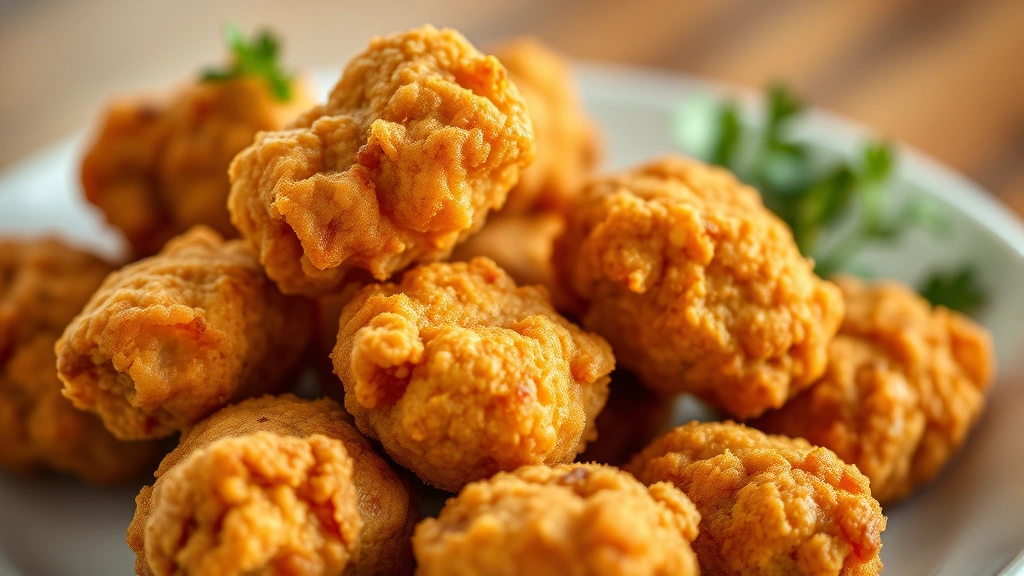
Chicken McNuggets: Healthy Choice? Dietitian Weighs In
Chicken McNuggets have been a fast-food staple since their 1983 debut, captivating millions with their convenient, bite-sized appeal. But as nutrition awareness grows, consumers increasingly ask: are these golden morsels actually a reasonable dietary choice, or merely an indulgence to enjoy sparingly? The answer, like most nutritional questions, is nuanced and depends heavily on context, frequency, and what you pair them with.
This comprehensive analysis examines the actual nutritional profile of McDonald’s Chicken McNuggets, compares them to healthier alternatives, and provides practical guidance for incorporating them—or avoiding them—within a balanced diet. Whether you’re a parent deciding what to feed your children, a busy professional seeking quick lunch options, or simply someone curious about fast-food nutrition, understanding the facts about McNuggets can help you make informed choices aligned with your health goals.
Nutritional Breakdown of Chicken McNuggets
A standard 4-piece serving of Chicken McNuggets contains approximately 170 calories, 9 grams of fat, 16 grams of carbohydrates, and 10 grams of protein. The 6-piece serving escalates to 250 calories with 15 grams of fat and 15 grams of protein. These numbers might seem reasonable in isolation, but context matters significantly when evaluating whether McNuggets fit into a healthy eating pattern.
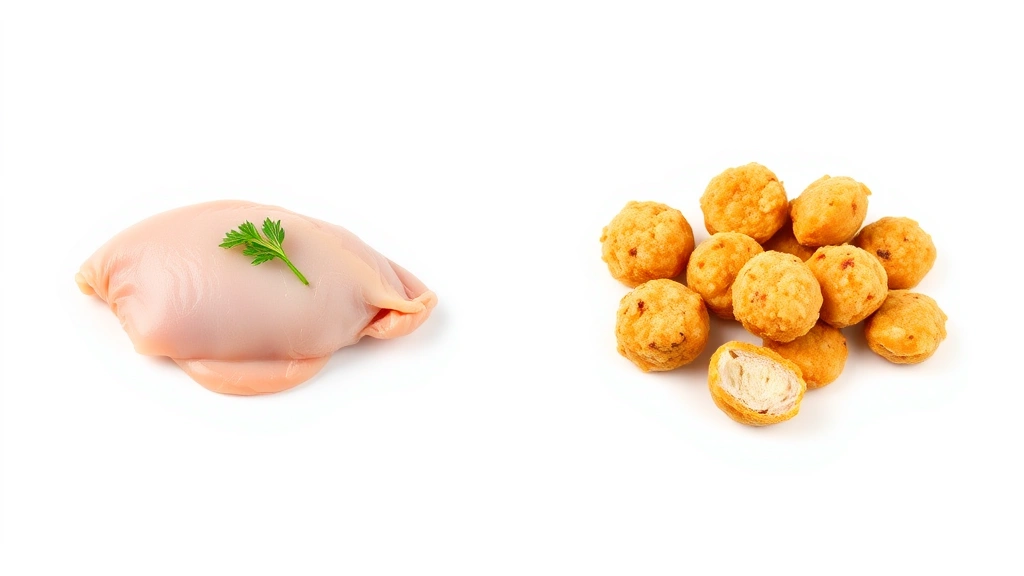
The protein-to-calorie ratio is actually decent—roughly 24% of calories come from protein in a 4-piece serving. However, the quality of that protein matters. McNuggets are made from mechanically separated chicken, a process where chicken bones, skin, and meat are mechanically separated to create a paste-like substance. This differs substantially from whole chicken breast, which provides superior amino acid profiles and micronutrient density without added binders and fillers.
The fat content deserves particular attention. While 9 grams of fat in a 4-piece serving isn’t excessive, approximately 4 grams are saturated fat—roughly 20% of the recommended daily limit for a 2,000-calorie diet. Saturated fat consumption, particularly from processed sources, has been linked to elevated cholesterol levels and increased cardiovascular risk when consumed regularly. The remaining unsaturated fat comes primarily from the vegetable oil used for deep frying.
Carbohydrates in McNuggets come largely from the breading, which contains enriched wheat flour. While this provides some B vitamins, the breading contributes minimal fiber and represents simple carbohydrates that digest quickly, potentially causing blood sugar spikes. For context, compare this to nutrition for athletes seeking sustained energy, where complex carbohydrates are prioritized.
Sodium and Processed Ingredients
Perhaps the most concerning aspect of Chicken McNuggets is their sodium content. A single 4-piece serving contains 340 milligrams of sodium—nearly 15% of the recommended daily limit of 2,300 milligrams established by major health organizations. A 6-piece serving pushes this to 510 milligrams. For a relatively small portion of food, this represents a significant sodium contribution.
Excessive sodium consumption is strongly linked to hypertension, increased cardiovascular disease risk, and kidney complications. The American Heart Association emphasizes that most Americans consume far more sodium than recommended, with processed foods being the primary culprit. When you consider that many people pair McNuggets with salty french fries and potentially a sugary beverage, the total sodium intake from a single meal can easily exceed 1,000 milligrams.
Beyond sodium, McNuggets contain numerous additives and preservatives. The ingredient list includes sodium phosphates (used as preservatives and binders), dextrose, sodium diacetate, and various oils. While each ingredient individually meets FDA safety standards, the cumulative effect of consuming highly processed foods regularly raises legitimate health concerns. The chicken itself is often described as containing “natural beef flavor” and other flavor compounds, making the product considerably more processed than simple grilled or baked chicken.
These processing practices stand in stark contrast to approaches outlined in our healthy nutrition plan guide, which emphasizes whole, minimally processed foods as the foundation of optimal health.
Protein Content and Muscle Building
One legitimate positive aspect of Chicken McNuggets is their protein content. At 10-15 grams of protein per serving depending on quantity, they do provide meaningful protein. For individuals seeking quick protein sources—particularly parents feeding active children—this might seem appealing. However, protein quality matters significantly.
Complete proteins contain all nine essential amino acids in adequate proportions. While chicken is naturally a complete protein, the processing involved in creating McNuggets may affect amino acid bioavailability. Research indicates that whole chicken provides superior muscle protein synthesis compared to processed chicken products, meaning your body may utilize the protein less efficiently.
For those focused on athletic performance and muscle development, nutrition for athletes emphasizes whole protein sources like chicken breast, eggs, and legumes rather than processed alternatives. A grilled chicken breast contains similar calories and significantly more protein than McNuggets, without the added sodium and processing.
Comparing McNuggets to Whole Food Alternatives
To properly evaluate whether McNuggets represent a healthy choice, comparison to realistic alternatives proves illuminating. A 4-ounce grilled chicken breast contains approximately 185 calories, 1 gram of fat, 0 grams of carbohydrates, and 35 grams of protein. While slightly higher in calories, the protein content is 3.5 times greater, and there’s virtually no sodium (unless you add salt) and no processed ingredients.
Other convenient protein options include Greek yogurt (17 grams protein, 100 calories per serving), hard-boiled eggs (6 grams protein, 70 calories), and rotisserie chicken from grocery stores (26 grams protein, 140 calories per 3-ounce serving). These alternatives require minimal preparation and offer superior nutritional profiles.
For those seeking convenience specifically, homemade baked chicken nuggets made from real chicken breast provide a middle ground. Using panko breadcrumb coating and baking rather than deep frying reduces fat content while maintaining the appealing texture. This approach aligns better with improving nutrient absorption through whole-food preparation methods.
The Role of Portion Control
Nutritionists often emphasize that no food is inherently “bad”—rather, context and frequency determine dietary impact. Consuming a 4-piece serving of McNuggets occasionally, perhaps once monthly, within the context of an otherwise balanced diet emphasizing whole foods, poses minimal health risk for most adults. The concern arises when McNuggets become a regular dietary staple.
For children, portion control becomes particularly important. A 4-piece serving represents a reasonable protein contribution to a child’s meal, but should be paired with nutrient-dense sides like apple slices, carrot sticks, or a side salad rather than french fries. Teaching children to view fast food as an occasional treat rather than a regular meal establishes healthier long-term eating patterns.
The psychological aspect of portion control matters too. The convenient, bite-sized nature of McNuggets makes overconsumption easy. Research in food psychology demonstrates that smaller, individual units encourage people to consume more than they would with equivalent amounts of less-portioned foods. Being mindful of this tendency helps prevent unintended overconsumption.
Making Smarter Fast Food Choices
If you find yourself at McDonald’s or similar fast-food establishments, several strategies can optimize your nutritional intake. First, consider skipping McNuggets entirely in favor of a grilled chicken sandwich without mayo, which provides more protein and less sodium per calorie. Second, if you do choose McNuggets, opt for the 4-piece serving rather than larger portions.
Beverage selection significantly impacts overall meal quality. Choosing water, unsweetened tea, or black coffee instead of soda eliminates 150-300 empty calories and substantial added sugars. This single substitution dramatically improves the nutritional profile of your meal. Similarly, requesting apple slices instead of fries, where available, adds fiber and micronutrients while reducing sodium and unhealthy fat intake.
Building awareness around your personal dietary goals helps contextualize fast-food choices. Someone following a nutrition facts about avocados and whole foods approach might reserve McNuggets for rare occasions, while someone with different health priorities might incorporate them more frequently. The key is intentional decision-making rather than habitual consumption.
Consider also exploring alternative fast-food chains offering higher-quality options. Many establishments now provide grilled proteins, vegetable sides, and transparent nutritional information, making it easier to make informed choices aligned with nutrition information hub resources.
Expert Recommendations for Occasional Consumption
Registered dietitians generally agree that Chicken McNuggets can fit within a healthy diet when consumed occasionally and in appropriate portions. The Academy of Nutrition and Dietetics emphasizes that dietary patterns matter more than individual foods. Someone eating McNuggets once monthly while maintaining an overall diet rich in vegetables, fruits, whole grains, and lean proteins faces minimal health risk.
For regular consumers, the recommendation shifts toward significant reduction or elimination. If you currently eat McNuggets weekly or more frequently, gradually transitioning to healthier alternatives can substantially improve health outcomes over time. Research from Harvard School of Public Health’s Nutrition Source demonstrates that reducing processed food intake correlates with lower rates of obesity, diabetes, and cardiovascular disease.
Parents deserve special consideration. Establishing healthy eating patterns in childhood creates lifelong habits. While occasional McNuggets won’t harm children’s health, making them a regular lunch staple may contribute to problematic dietary patterns. Instead, preparing homemade chicken nuggets or emphasizing whole-food proteins establishes better nutritional foundations.
For individuals with specific health conditions—hypertension, kidney disease, heart disease, or diabetes—McNuggets should generally be avoided or consumed only under professional nutritional guidance. The high sodium content and processed nature make them particularly problematic for those managing these conditions. Consulting with a registered dietitian can help develop personalized strategies for managing cravings while protecting health.
External research from CDC Nutrition and Physical Activity data reveals that Americans derive approximately 60% of daily calories from ultra-processed foods. This widespread consumption pattern contributes significantly to rising obesity and chronic disease rates. Reducing reliance on processed foods like McNuggets represents a practical step toward reversing these trends at the individual level.
FAQ
Are Chicken McNuggets made from real chicken?
Yes, McNuggets are made from chicken, but specifically mechanically separated chicken that’s been processed into a paste-like substance with added binders, preservatives, and seasonings. This differs substantially from whole chicken breast or thighs, making them a highly processed product despite containing genuine chicken.
How often can I safely eat Chicken McNuggets?
For most healthy adults, occasional consumption—perhaps once or twice monthly—poses minimal health risk. However, regular weekly consumption, particularly in larger portions, can contribute to excessive sodium intake and may displace more nutritious foods from your diet. Individual tolerance depends on overall dietary patterns and health status.
Are McNuggets suitable for children?
While a 4-piece serving provides reasonable protein for children, they shouldn’t be a dietary staple due to high sodium content and low micronutrient density. Occasional consumption is acceptable, but should be balanced with nutrient-dense alternatives and paired with vegetable sides rather than fries.
What’s the healthiest dipping sauce for McNuggets?
Mustard or barbecue sauce contain fewer calories and less sugar than ranch or sweet and sour sauce. However, even these additions increase sodium content. If consuming McNuggets, minimizing sauce or choosing lower-sodium options helps reduce overall salt intake.
How do McNuggets compare nutritionally to other fast-food chicken options?
Most fast-food grilled chicken sandwiches provide more protein with comparable or fewer calories than McNuggets. Chick-fil-A’s grilled chicken sandwich, for example, offers 28 grams of protein versus 10-15 grams in McNuggets, making it nutritionally superior despite similar price points.
Can McNuggets fit into a weight loss diet?
A 4-piece serving contains 170 calories, which can fit within calorie-restricted diets. However, their high sodium and low satiety compared to whole proteins make them less ideal for weight loss than alternatives like grilled chicken breast or egg-based protein sources that provide greater fullness with fewer calories.


