Chicken Salad Chick Nutrition: Dietitian’s Insights
Chicken Salad Chick has emerged as a popular fast-casual dining destination for health-conscious consumers seeking convenient meal options. With their focus on freshly prepared chicken salads and complementary sides, understanding the nutritional profile of their menu items becomes essential for making informed dietary choices. This comprehensive analysis examines the nutritional composition of Chicken Salad Chick offerings through a dietitian’s lens, providing evidence-based insights into caloric content, macronutrient distribution, sodium levels, and ingredient quality.
The restaurant chain positions itself as a healthier alternative to traditional fast food, emphasizing fresh ingredients and customizable options. However, like all restaurant dining, certain menu items warrant careful consideration regarding portion sizes, added oils, and sodium content. This guide equips you with practical knowledge to navigate the menu while aligning with your personal health goals and dietary requirements.
Nutritional Overview of Signature Salads
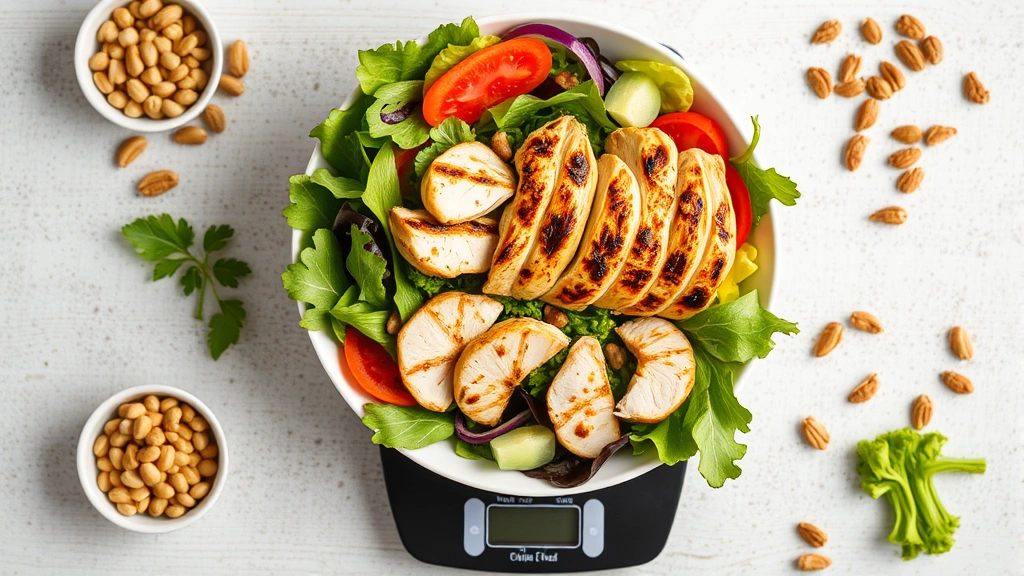
Chicken Salad Chick’s menu centers around various chicken salad preparations, each presenting distinct nutritional profiles. The classic chicken salad, their flagship offering, typically contains approximately 320-380 calories per serving when presented as a lunch portion. This foundational salad combines shredded chicken breast with mayonnaise-based dressing, creating a protein-rich base that satisfies hunger while remaining relatively moderate in caloric content.
The restaurant’s signature varieties—including their famous Cranberry Pecan, Buffalo Chicken, and Greek varieties—demonstrate how ingredient additions significantly impact overall nutrition. Cranberry Pecan salad incorporates dried cranberries and pecans, elevating calorie content to approximately 420-470 calories per serving, with increased fat from nuts and added sugars from dried fruit. Buffalo Chicken salad maintains similar caloric levels while shifting the flavor profile through hot sauce integration, offering a lower-sugar alternative compared to fruit-based versions.
Understanding these variations helps align menu selections with your healthy nutrition plan objectives. The restaurant offers transparency through published nutrition information, though actual values may vary based on preparation techniques and portion consistency across different locations. Most full-sized salads range between 350-550 calories, positioning them favorably against typical fast-casual alternatives that often exceed 800 calories.
Serving size significantly influences nutritional analysis. Chicken Salad Chick offers multiple portion options—from individual cups to full-sized salads to catering quantities. A standard lunch portion differs substantially from their catering offerings, which can serve 8-10 people. Understanding which portion you’re consuming ensures accurate macro and micronutrient calculations for your daily intake tracking.

Macronutrient Analysis and Balance
From a macronutrient perspective, Chicken Salad Chick offerings present an interesting profile worthy of dietitian analysis. Most signature salads deliver 20-35 grams of protein per serving, derived primarily from chicken breast, making them excellent for nutrition for athletes and individuals prioritizing protein intake. This protein content supports muscle maintenance, satiety, and metabolic function—key considerations for active individuals.
Fat content ranges considerably based on salad variety and preparation method. The mayonnaise-based dressing contributes substantial fat, typically providing 15-28 grams per serving. While this fat content concerns some consumers, it’s important to distinguish between fat quantity and fat quality. The saturated fat component ranges from 3-8 grams depending on the salad, with unsaturated fats comprising the majority of total fat content, particularly when nuts are included.
Carbohydrate content presents the most variation across menu items. Simple chicken salad preparations contain 8-15 grams of carbohydrates, primarily from vegetables and dressing components. Fruit-inclusive varieties like Cranberry Pecan or Blueberry Pecan contain 20-28 grams of carbohydrates, with 8-12 grams originating from added sugars. This distinction matters significantly for individuals managing blood glucose levels or following low-carbohydrate dietary approaches.
The macronutrient ratio in most Chicken Salad Chick offerings approximates a 40% protein, 40% fat, 20% carbohydrate distribution when considering salad alone. This relatively balanced macronutrient composition supports sustained energy, hormonal function, and cellular health. However, when paired with their bread options (croissants, pita, or wraps), the carbohydrate percentage increases substantially, potentially reaching 35-40% of total calories.
Sodium Content and Heart Health Considerations
Sodium represents a legitimate concern when evaluating Chicken Salad Chick nutrition from a health optimization perspective. Most signature salads contain 600-1,100 milligrams of sodium per serving, representing 26-48% of the daily recommended intake established by major health organizations. This elevated sodium content stems from multiple sources: pre-prepared chicken, mayonnaise-based dressings, added seasonings, and ingredient preservation techniques.
For individuals with hypertension, sodium-sensitive conditions, or those following tips for meal planning emphasizing cardiovascular health, this sodium level warrants consideration. A single meal providing nearly half the daily sodium recommendation limits flexibility for other meals throughout the day. The American Heart Association recommends approximately 2,300 milligrams daily sodium, with optimal levels closer to 1,500 milligrams for cardiovascular health.
Mitigation strategies include requesting salad dressing on the side (allowing portion control), selecting lower-sodium varieties when available, and balancing this meal with lower-sodium options throughout the day. Additionally, requesting preparation without added salt during customization can reduce sodium incrementally, though restaurant kitchens may not accommodate this request consistently.
External research from the American Heart Association emphasizes sodium’s role in blood pressure regulation and cardiovascular disease risk. Their evidence-based guidelines recommend scrutinizing restaurant meals, particularly those prepared with commercial dressings and seasonings. Chicken Salad Chick’s transparency regarding sodium content enables informed decision-making, though consumers must actively access and review this information.
Protein Quality and Preparation Methods
Protein quality extends beyond simple quantity measurement, encompassing amino acid profile, bioavailability, and preparation methods. Chicken Salad Chick utilizes chicken breast as their primary protein source—an excellent choice nutritionally. Chicken breast provides all essential amino acids in appropriate ratios, offering a complete protein supporting muscle protein synthesis and various physiological functions.
The preparation method significantly influences protein quality and digestibility. Chicken Salad Chick’s approach involves cooking chicken breast, then shredding and mixing with mayonnaise-based dressing. This method preserves protein integrity while introducing additional fat and calories through the dressing component. The cooking process denatures proteins, which paradoxically increases digestibility compared to raw protein, though excessive heat can reduce certain heat-sensitive micronutrients.
The chicken-to-dressing ratio varies across salad varieties, affecting overall protein efficiency. Simpler salads with minimal additions maintain higher protein concentration relative to total calories. Elaborate varieties incorporating numerous ingredients and dressing components dilute the protein percentage, requiring larger portions to achieve equivalent protein intake. For individuals prioritizing protein efficiency—particularly athletes and older adults—this distinction matters considerably.
Chicken sourcing and production methods influence nutritional quality beyond basic macronutrient composition. Pasture-raised chicken contains different omega-3 to omega-6 fatty acid ratios compared to conventionally raised poultry, potentially affecting inflammatory markers in consumers. Chicken Salad Chick’s ingredient sourcing practices remain partially proprietary, though the chain emphasizes fresh, never-frozen chicken breast in marketing materials.
Making Healthier Menu Choices and Customization Strategies
Strategic menu navigation enables Chicken Salad Chick dining aligned with diverse health objectives. Dressing modification represents the most impactful customization, as mayonnaise-based dressings contribute 150-250 calories and 15-28 grams of fat per serving. Requesting dressing on the side reduces consumption by 30-50%, significantly lowering caloric and fat intake while maintaining flavor satisfaction.
Selecting vegetable-based sides instead of bread options reduces refined carbohydrate intake substantially. Substituting a croissant (300+ calories, 35+ grams carbohydrate) with a side salad or vegetable option decreases meal calories by 200-300 while improving micronutrient density. This modification proves particularly valuable for individuals managing blood glucose levels or following lower-carbohydrate dietary approaches.
Portion awareness through intentional selection supports caloric balance. Choosing individual cup portions instead of full-sized salads reduces serving size by approximately 40-50%, making the meal more compatible with lower-calorie dietary approaches. Pairing a single portion with substantial vegetable sides creates satiety through volume without excessive caloric intake.
Salad variety selection based on personal nutritional priorities optimizes menu choices. Individuals prioritizing lower sugar intake should avoid fruit-inclusive varieties, selecting instead simpler preparations like their classic or savory options. Those seeking additional micronutrients should inquire about vegetable-inclusive salads or request custom preparations incorporating additional vegetables.
Understanding beverage options completes the meal optimization strategy. Unsweetened tea, water, or black coffee add minimal calories, while sweetened beverages and specialty drinks contribute 150-300+ calories and 35-65 grams of added sugar per serving. This beverage selection often represents the difference between a nutritionally balanced meal and one exceeding daily added sugar recommendations.
Ingredient Transparency and Quality Standards
Evaluating Chicken Salad Chick’s nutritional value requires understanding their ingredient sourcing and quality standards. The chain emphasizes fresh preparation daily, avoiding pre-made salads held in refrigeration for extended periods. This practice supports both food safety and nutrient retention, as some vitamins degrade during storage. Fresh preparation also enables customization, accommodating various dietary restrictions and preferences.
Ingredient lists for signature salads reveal both strengths and considerations. Most salads contain recognizable ingredients: chicken breast, mayonnaise, celery, and specific flavor components (cranberries, pecans, buffalo sauce, etc.). The absence of artificial preservatives and colors in most preparations aligns with consumer preferences for minimally processed foods. However, some ingredients warrant scrutiny—commercial mayonnaise typically contains soybean oil, and certain additions may contain added sugars or sodium.
The chain’s commitment to transparency through published nutrition information, ingredient lists, and allergen warnings supports informed consumer decision-making. Unlike many fast-casual establishments, Chicken Salad Chick provides detailed nutritional data accessible through their website and in-restaurant materials. This transparency enables detailed analysis and planning, crucial for individuals managing specific health conditions or pursuing particular dietary goals.
Sourcing practices for chicken and other primary ingredients remain somewhat opaque, as detailed sourcing information isn’t prominently published. The chain’s marketing emphasizes fresh, never-frozen chicken, suggesting commitment to quality. However, consumers seeking detailed information about chicken raising practices, antibiotic usage, or organic certification should directly contact the company or consult their customer service resources.
Special Dietary Considerations and Restrictions
Chicken Salad Chick’s menu accommodates various dietary restrictions through customization and ingredient awareness. Gluten-free consumers can safely select salads served in bowls or on gluten-free bread options (where available), avoiding traditional croissants and wraps containing wheat. However, cross-contamination risks exist in shared kitchen environments, requiring communication with staff about preparation practices.
Individuals following nutrition and mental health optimization may appreciate salads’ omega-3 content and protein density, supporting cognitive function and neurotransmitter synthesis. The mayonnaise-based dressings contribute choline, supporting brain health, though the saturated fat content warrants consideration for some individuals.
Dairy-free consumers should note that many dressings contain eggs (in mayonnaise), and certain salads may include cheese or other dairy products. Requesting dairy-free dressing alternatives or customizing salads to exclude dairy-containing ingredients enables dietary adherence, though staff communication remains essential for accurate preparation.
Nut allergies require careful attention, as several popular salads incorporate pecans, walnuts, or almonds. Cross-contamination risks exist if nuts are handled in the same facility without rigorous cleaning protocols. Individuals with severe nut allergies should directly communicate with management regarding preparation practices and potential contamination risks.
Low-sodium considerations require requesting minimal added salt during preparation and understanding that even unsalted preparations may contain sodium from ingredient components. Individuals managing hypertension or other sodium-sensitive conditions should calculate sodium content carefully and consider limiting restaurant meals to occasional consumption rather than regular dietary staples.
Vegetarian and vegan consumers cannot utilize most Chicken Salad Chick offerings, as chicken comprises the primary protein source. The chain doesn’t prominently feature plant-based protein alternatives on their standard menu, limiting options for these dietary approaches. Customization using available vegetables and sides may create acceptable meals, though nutritional completeness becomes challenging without adequate protein sources.
Individuals following the importance of dietary fiber for your health should note that most salads provide moderate fiber (3-6 grams) from vegetables and dressing components. Adding vegetable-heavy sides or requesting additional raw vegetables increases fiber content, supporting digestive health and satiety.
Frequently Asked Questions
How many calories are in a typical Chicken Salad Chick salad?
Most signature salads contain 320-550 calories per serving, depending on variety and portion size. Simple preparations like classic chicken salad range 320-380 calories, while elaborate varieties incorporating nuts and dried fruits reach 420-550 calories. Beverage and side selections add additional calories to complete meal totals.
Is Chicken Salad Chick suitable for weight loss diets?
Yes, with strategic modifications. Selecting smaller portions, requesting dressing on the side, choosing vegetable-based sides, and avoiding high-calorie beverages creates meals compatible with caloric deficits. Individual salads typically provide 300-400 calories, fitting within most weight loss meal plans when combined with lower-calorie sides.
What’s the protein content in Chicken Salad Chick offerings?
Most salads provide 20-35 grams of protein per serving, derived primarily from chicken breast. This substantial protein content supports muscle maintenance, satiety, and metabolic function, making these meals suitable for active individuals and those prioritizing protein intake.
How does sodium content compare to other fast-casual restaurants?
Chicken Salad Chick’s sodium levels (600-1,100 mg per salad) align with industry standards for prepared restaurant meals. Some competitors offer comparable or higher sodium levels, while others focus on lower-sodium preparations. Individual choices regarding dressing quantity and overall meal composition significantly influence sodium intake.
Can I customize salads for specific dietary needs?
Yes, extensive customization options exist. You can request dressing modifications, exclude specific ingredients for allergies, request additional vegetables, select alternative bread options, and communicate dietary restrictions to kitchen staff. However, cross-contamination risks require direct communication about preparation practices for severe allergies.
Are the ingredients organic or sourced sustainably?
Chicken Salad Chick emphasizes fresh, never-frozen chicken and daily preparation, suggesting quality focus. However, detailed organic certification or sustainability sourcing information isn’t prominently published. Direct communication with the company or customer service provides more detailed sourcing information if these factors influence your purchasing decisions.
How does Chicken Salad Chick nutrition compare to homemade chicken salad?
Restaurant versions typically contain higher sodium and mayonnaise quantities compared to homemade preparations, where you control ingredient proportions. Homemade versions can reduce sodium, adjust fat content, and incorporate specific ingredients aligning with personal health goals. However, restaurant convenience and consistency appeal to busy individuals prioritizing time efficiency.
Which salad varieties are lowest in calories?
Classic chicken salad and simple preparations typically offer the lowest caloric content (320-380 calories per serving). Varieties incorporating nuts, dried fruits, or cheese additions increase calories substantially (420-550+ calories). Requesting minimal dressing further reduces caloric intake.