
Is Chicken Sausage Healthy? Dietitian Insight
Chicken sausage has become a popular protein choice for health-conscious consumers seeking alternatives to traditional pork or beef sausages. But is this convenient breakfast staple actually as nutritious as marketing claims suggest? As a registered dietitian nutritionist, I’ve analyzed countless food labels and dietary patterns, and the answer to chicken sausage’s healthfulness is more nuanced than a simple yes or no. This comprehensive guide examines the nutritional profile of chicken sausage, compares it to alternatives, and helps you make informed decisions about incorporating it into your diet.
The rise of chicken sausage reflects a broader consumer shift toward leaner protein sources and reduced red meat consumption. However, the processing methods, sodium content, and added ingredients in many commercial varieties require careful scrutiny. Understanding what’s actually in your sausage—beyond the protein content—is essential for determining whether it aligns with your health goals and dietary needs.
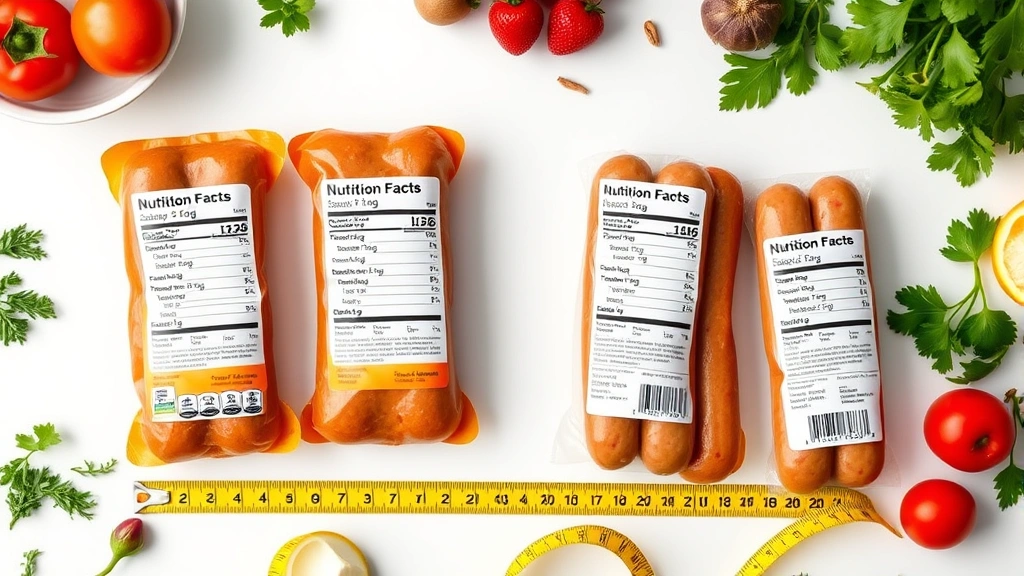
Nutritional Profile of Chicken Sausage
A typical serving of chicken sausage—usually one link weighing around 55-85 grams—contains approximately 70-150 calories, depending on the brand and variety. The macronutrient composition is where chicken sausage earns its reputation as a protein-rich option. Most varieties provide 10-15 grams of protein per link, making it an efficient choice for meeting daily protein requirements. This protein content supports muscle maintenance, immune function, and satiety, which can help with portion control during meals.
The fat content varies considerably between brands. Leaner chicken sausage options contain 3-5 grams of total fat per link, while others—particularly those made with thighs rather than breasts—may contain 8-12 grams. The type of fat matters nutritionally: chicken sausage typically contains less saturated fat than pork or beef sausages, though some varieties still exceed recommended daily limits when consumed regularly. As part of a healthy nutrition plan, understanding your total fat intake from all sources remains crucial.
Carbohydrate content in plain chicken sausage is minimal—typically 0-2 grams per link—though flavored varieties may contain added sugars that increase this amount. This makes chicken sausage compatible with various dietary approaches, including low-carb and ketogenic diets. However, the carbohydrate content can spike significantly in varieties with added fillers, seasonings, or glazes.
Micronutrient density deserves attention when evaluating chicken sausage’s overall nutritional value. Chicken provides B vitamins, particularly B6 and B12, which support energy metabolism and neurological function. The mineral content includes phosphorus, selenium, and niacin. However, chicken sausage is not particularly rich in iron, calcium, or other minerals where many people fall short nutritionally. This underscores the importance of consuming chicken sausage as part of a diverse diet rather than as a primary nutrient source.

Sodium and Additives: The Hidden Concerns
Here’s where chicken sausage’s health status becomes complicated. A single link often contains 400-600 milligrams of sodium—representing 17-26% of the recommended daily intake according to American Heart Association guidelines. For individuals managing hypertension, heart disease, or kidney conditions, this sodium load can be problematic, especially when combined with other processed foods throughout the day.
The sodium content serves multiple purposes in processed sausages: preservation, flavor enhancement, and texture modification. While salt is essential for health, the processed food industry’s reliance on sodium has contributed to widespread overconsumption. Most Americans consume 3,400 milligrams daily—nearly 50% above recommended limits—with processed meats being significant contributors.
Beyond sodium, examine the ingredient list for additives. Many commercial chicken sausages contain:
- Phosphates and phosphoric acid: Used for moisture retention and texture, though excessive phosphate intake may interfere with calcium absorption
- Nitrates and nitrites: Preservatives that prevent bacterial growth but may have health implications with frequent consumption
- Binders and fillers: Including corn starch, soy protein, and wheat—relevant for those with allergies or sensitivities
- Flavor enhancers: Such as monosodium glutamate (MSG) or other compounds that may trigger sensitivities in some individuals
- Added sugars: Particularly in flavored varieties, sometimes disguised under names like “dextrose” or “cane juice”
Research from cancer research organizations has examined processed meat consumption and health outcomes. While chicken sausage differs from red processed meats in important ways, the processing methods and additive profiles warrant consideration for those consuming these products regularly.
Chicken Sausage vs. Other Protein Sources
To contextualize chicken sausage’s healthfulness, comparing it to alternatives provides valuable perspective. When evaluated against traditional pork sausage, chicken sausage typically offers advantages: fewer calories (70-120 vs. 150-200), less total fat (3-5g vs. 12-18g), and lower saturated fat content. This makes it a genuinely superior choice for those specifically replacing pork sausage in their diet.
Compared to turkey sausage, the nutritional differences are minimal—both are lean poultry options with similar protein-to-calorie ratios. The choice between them often depends on flavor preference and specific brand formulations rather than significant nutritional divergence.
When compared to whole food protein sources like grilled chicken breast, eggs, or legumes, chicken sausage presents trade-offs. A 3-ounce chicken breast contains 26 grams of protein with minimal sodium and no additives. Two large eggs provide 12 grams of protein with beneficial nutrients like choline and lutein. A cup of cooked lentils delivers 18 grams of protein plus 15 grams of fiber. These whole foods offer superior micronutrient density and lack the processed additives found in sausages.
However, convenience and palatability matter for dietary adherence. If choosing between chicken sausage and skipping breakfast or selecting a less nutritious processed option, chicken sausage represents a reasonable compromise. The key is intentional selection and portion awareness rather than viewing it as a nutritional powerhouse.
Benefits for Specific Health Goals
Chicken sausage’s suitability depends significantly on individual health objectives and dietary contexts. For meal planning purposes, understanding these specific applications helps optimize your food choices.
Weight Management: The protein content in chicken sausage supports satiety, helping you feel fuller longer after meals. At 70-150 calories per link with minimal carbohydrates, it fits well into calorie-controlled diets. However, portion control remains essential—consuming multiple links or pairing with high-calorie accompaniments undermines weight management efforts.
Muscle Building and Athletic Performance: The 10-15 grams of protein per serving supports muscle protein synthesis, making chicken sausage useful for post-workout nutrition. Athletes and individuals engaged in resistance training benefit from the efficient protein delivery, though pairing with carbohydrate sources optimizes muscle recovery.
Blood Sugar Management: The minimal carbohydrate content and moderate protein make chicken sausage compatible with diabetes management and blood sugar stability. However, the sodium content warrants consideration for those with hypertension, which frequently co-occurs with type 2 diabetes.
Cardiovascular Health: The lower saturated fat compared to beef or pork sausage supports heart-healthy eating patterns. However, the sodium content contradicts cardiovascular benefits for sodium-sensitive individuals. Those with established heart disease should consult healthcare providers about appropriate portions and frequency.
How to Choose the Healthiest Options
Not all chicken sausages are created equal. Strategic label reading separates truly nutritious options from marketing-driven products. When shopping, prioritize:
- Sodium content: Aim for varieties with fewer than 400 milligrams per link, or under 300mg if possible
- Ingredient simplicity: Look for products with recognizable ingredients—chicken, spices, salt—rather than long lists of additives
- Fat source clarity: Prefer products made from chicken breast rather than thighs or with added oils, reducing saturated fat
- Absence of nitrates/nitrites: “Uncured” varieties eliminate these preservatives, though they may have shorter shelf lives
- No added sugars: Check for hidden sugars in flavored varieties; plain options typically contain none
- Certified options: Organic, grass-fed, or pasture-raised certifications may indicate stricter ingredient standards
Reading nutrition labels systematically takes time initially but becomes routine. Compare brands side-by-side—variations of 200+ milligrams of sodium between similar products are common. Some premium brands specifically target health-conscious consumers with lower-sodium formulations, though these may cost more.
Consider homemade chicken sausage as the ultimate control option. Making sausage from ground chicken breast, herbs, and minimal salt allows complete ingredient transparency and customization for dietary needs. Food processors make preparation straightforward, and homemade versions freeze well for convenient meal preparation.
Incorporating Into Your Diet Wisely
Frequency and context determine whether chicken sausage supports or undermines health goals. Nutrition patterns that support overall wellness incorporate variety and balance rather than relying on single foods.
For most people, consuming chicken sausage 2-4 times weekly fits within healthy eating patterns. This frequency provides convenient protein while limiting sodium and additive accumulation. Consuming daily or multiple times daily risks exceeding sodium recommendations and missing nutritional diversity.
Pairing matters significantly. Serving chicken sausage with nutrient-dense accompaniments maximizes nutritional value. Combine with:
- Vegetables rich in fiber and phytonutrients—sautéed peppers, spinach, or mushrooms
- Whole grains providing sustained energy and additional fiber—whole wheat toast or quinoa
- Healthy fats supporting nutrient absorption—avocado or olive oil
- Additional protein sources for varied amino acid profiles—eggs or Greek yogurt
This approach transforms chicken sausage from a standalone processed item into a component of balanced meals that support comprehensive nutritional needs.
Preparation methods also influence healthfulness. Cooking methods matter: grilling or air-frying reduces added fats compared to pan-frying in oil. Avoiding additional salt during cooking respects the sodium already present in the sausage.
For those with dietary fiber needs, chicken sausage provides protein but zero fiber independently. Intentionally pairing with high-fiber vegetables, whole grains, or legumes creates nutritionally complete meals that support digestive health and sustained satiety.
Consider your overall dietary pattern when evaluating chicken sausage’s appropriateness. Someone consuming primarily whole foods with occasional chicken sausage benefits differently than someone relying heavily on processed proteins. Context matters—what works within a predominantly whole-food diet may be problematic in a processed-food-heavy pattern.
FAQ
Is chicken sausage better than bacon or regular sausage?
Yes, chicken sausage generally offers nutritional advantages over both bacon and traditional pork sausage. It contains fewer calories, less total fat, and lower saturated fat. However, sodium content remains comparable across these processed meats. Choose chicken sausage when seeking leaner protein, but remember that whole food sources like eggs or grilled chicken breast offer superior nutritional profiles.
Can I eat chicken sausage daily?
Daily consumption isn’t ideal due to sodium accumulation and limited micronutrient diversity. Most dietitians recommend limiting processed meats to 2-4 servings weekly as part of varied diets. Consuming daily risks exceeding sodium recommendations (especially problematic for those with hypertension) and missing nutritional benefits from diverse protein sources.
What’s the healthiest brand of chicken sausage?
Brands vary significantly in sodium and additive content. Compare nutrition labels directly—look for sodium under 400mg, minimal additives, and no added sugars. Premium brands like Applegate Farms, Al Fresco, and Aidells often prioritize cleaner ingredients, though prices are higher. Store brands vary widely; check individual labels rather than assuming quality.
Does chicken sausage help with weight loss?
Chicken sausage supports weight loss efforts through its protein content, which promotes satiety and helps preserve muscle during calorie restriction. At 70-150 calories per link, it fits within calorie-controlled diets. However, weight loss depends on overall calorie balance—consuming multiple links or pairing with high-calorie foods negates benefits.
Is chicken sausage suitable for diabetics?
Yes, the minimal carbohydrate content makes chicken sausage compatible with diabetes management and blood sugar stability. However, sodium content warrants consideration since hypertension frequently co-occurs with type 2 diabetes. Choose lower-sodium varieties and limit frequency to 2-4 times weekly as part of balanced meals.
Are uncured chicken sausages healthier?
Uncured varieties eliminate synthetic nitrates and nitrites, which some prefer to avoid. However, they may contain celery juice or other natural nitrate sources, providing similar preservation benefits. From a health perspective, the difference is modest—focus on overall sodium content and ingredient simplicity regardless of cured status.


